
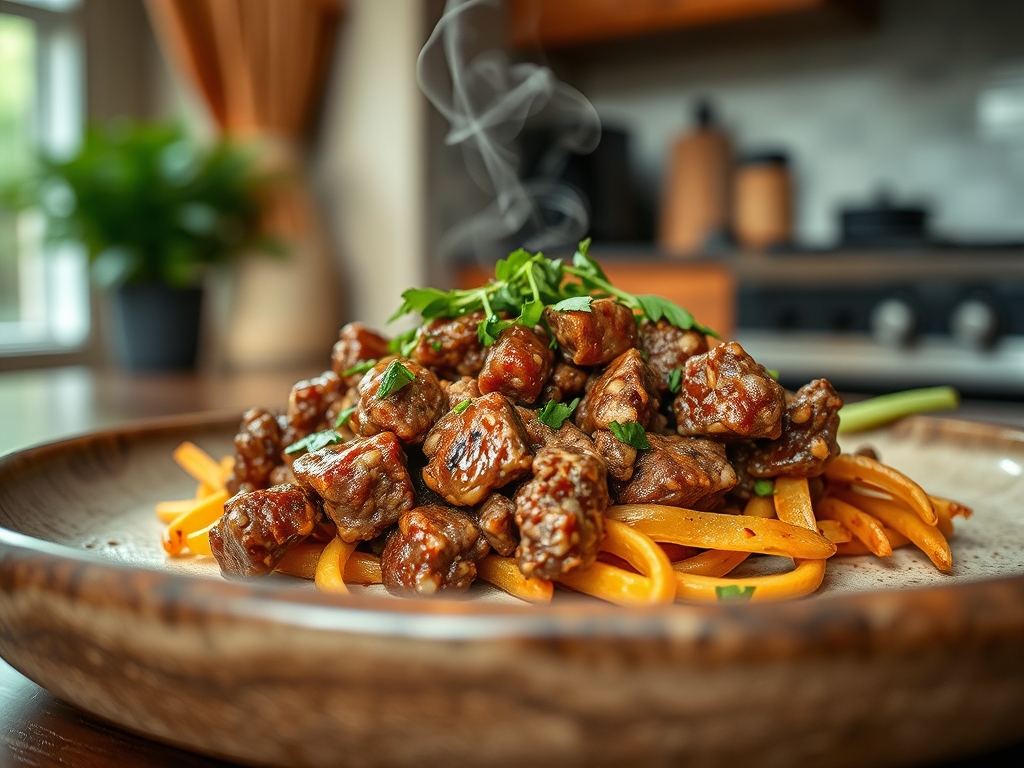
The sizzle of iron meets the deep, savory scent of browning protein as the Maillard reaction transforms humble meat into a culinary masterpiece. Finding the best healthy ground beef recipes is not just about cutting calories; it is about mastering the alchemy of high-quality protein and vibrant, nutrient-dense botanicals. We are moving beyond the greasy burgers of the past and stepping into a world where lean, grass-fed beef becomes the canvas for global flavors. Whether you are craving a piquant Korean bowl or a Mediterranean skillet, the secret lies in the balance of amino acids and crisp, garden-fresh aromatics.
Ground beef is the ultimate weeknight chameleon. It is accessible, fast-cooking, and packed with essential minerals like zinc and B12. However, the difference between a soggy mess and a Michelin-level meal is all in the technique. We are going to treat these eight recipes with the respect they deserve by focusing on moisture retention and flavor layering. Forget the bland diet food of the nineties. We are using science to unlock deep, umami-rich profiles while keeping your macros perfectly aligned. Grab your favorite heavy-bottomed skillet and let us dive into the technical brilliance of the best healthy ground beef recipes.
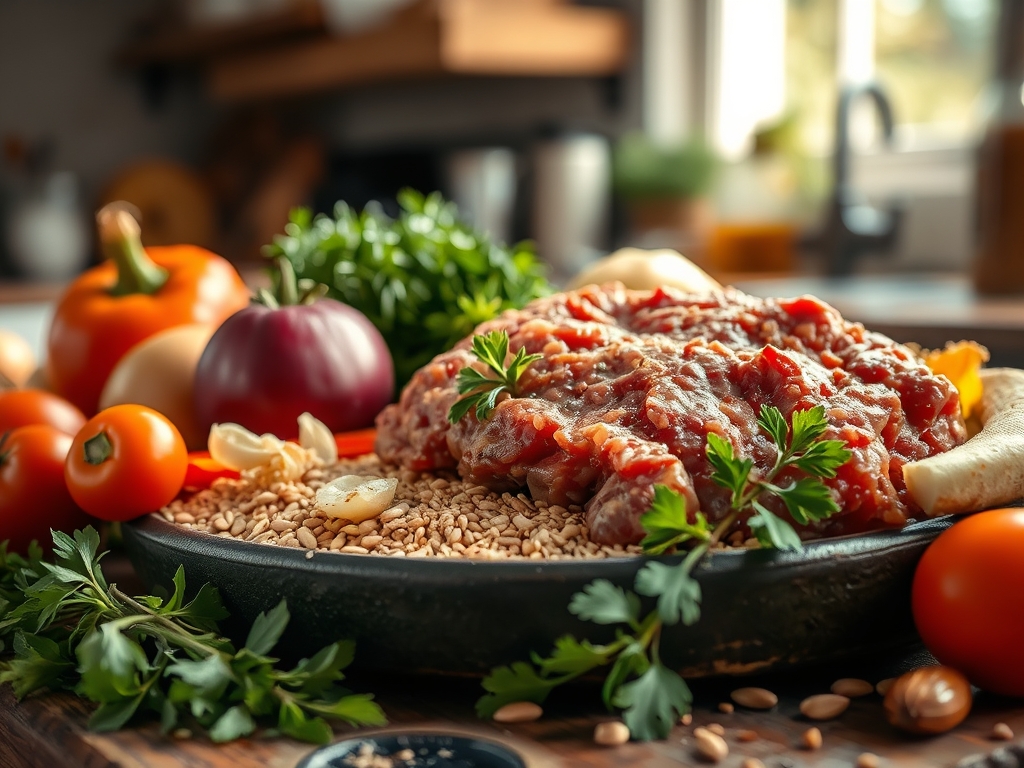
The Gathers:
To execute these recipes with precision, your mise-en-place must be impeccable. Start with the foundation: 90/10 or 93/7 lean ground beef. This ratio ensures enough fat to render and carry flavor without drowning your vegetables in grease. You will need a microplane for grating fresh ginger and garlic; this creates a fine paste that integrates into the meat fibers rather than burning in the pan.
Smart substitutions are your secret weapon for health. Swap traditional white rice for cauliflower rice or quinoa to increase fiber density. Use coconut aminos instead of soy sauce to reduce sodium while maintaining that dark, viscous umami base. For a piquant kick, keep a jar of kimchi or pickled red onions nearby to provide an acidic counterpoint to the rich fat of the beef. Always use a digital scale to portion your meat; this ensures consistent cooking times and accurate nutritional tracking.
The Clock
Efficiency in the kitchen is about "Chef's Flow," the art of overlapping tasks to minimize downtime. For these eight meals, expect a prep time of 15 minutes and a cook time of 20 minutes. The total "active" time is roughly 35 minutes per dish.
The flow begins with the "Cold Start": chop all aromatics and prepare your sauces before the heat ever touches the pan. While the beef is searing, use that window to aerate your grains or toss a side salad. By the time the meat has reached its safe internal temperature, your garnishes should be ready for the final assembly. This synchronized approach prevents the beef from sitting and losing its precious juices to thermal carryover while you scramble to find a fork.
The Masterclass
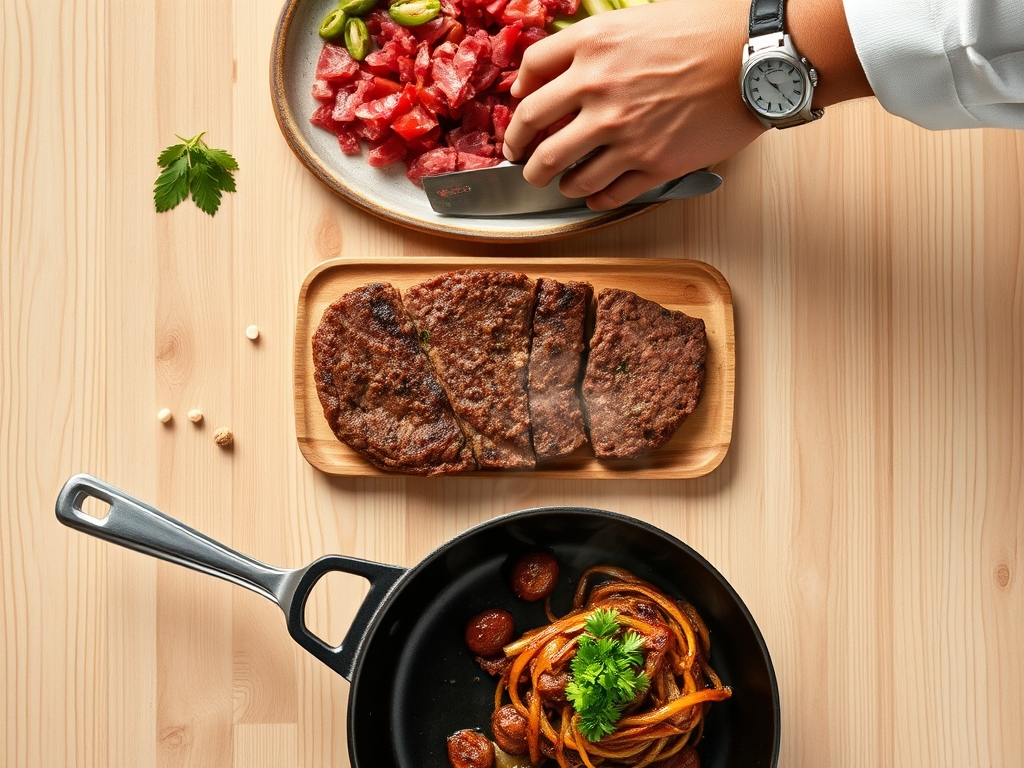
1. The High-Heat Sear
Place your heavy-bottomed skillet over medium-high heat until it wisps with smoke. Add the beef in a single layer, but do not move it for at least three minutes. This allows the Maillard reaction to create a brown, flavorful crust.
Pro Tip: This chemical reaction occurs between amino acids and reducing sugars. Moving the meat too early causes it to steam in its own moisture rather than sear, resulting in a gray, rubbery texture.
2. Deglazing the Fond
Once the meat is browned, remove it and look at the brown bits stuck to the pan. This is "fond." Pour in a splash of beef bone broth or rice vinegar and use a bench scraper or wooden spoon to lift those flavors back into the sauce.
Pro Tip: Deglazing uses the principle of solubility to incorporate concentrated flavor compounds back into your dish, adding depth without extra fat.
3. Emulsifying the Sauce
Lower the heat and add your liquid aromatics. Use a saucier or whisk to combine the rendered fats with your liquids until the sauce becomes glossy and coats the back of a spoon.
Pro Tip: This is called emulsification. By whisking briskly, you are suspending fat droplets within the water-based sauce, creating a creamy mouthfeel without the need for heavy dairy.
4. The Final Rest
Once the beef is fully cooked and tossed in your sauce, remove it from the heat immediately. Let the dish sit for two minutes before serving.
Pro Tip: Resting allows the muscle fibers to relax and reabsorb the liquid. If you serve it piping hot, the juices will run out, leaving the meat dry and fibrous.
The Deep Dive
Nutritionally, these meals are powerhouses. A standard serving provides approximately 25 to 30 grams of protein, 12 grams of healthy fats, and under 10 grams of net carbs if using vegetable bases. For those on a Keto path, increase the fat by adding avocado or a drizzle of sesame oil. For a Vegan swap, use crumbled tempeh or lentils, though you will need to increase the liquid to account for their high fiber absorption.
The "Fix-It" section:
- The Meat is Greasy: If you used a higher fat percentage by mistake, tilt the pan and use a bulb baster to remove excess oil before adding seasonings.
- The Beef is Tough: You likely over-handled the meat. Next time, break it into large chunks with tongs and let them break down naturally rather than mashing them into a paste.
- The Flavor is Flat: It needs acid. A squeeze of lime or a dash of apple cider vinegar will brighten the heavy proteins instantly.
For meal prep, reheating is a science. Avoid the microwave if possible; it vibrates water molecules too fast, toughening the protein. Instead, use a small pan with a tablespoon of broth. Cover it to create a steam chamber, which gently rehydrates the beef to day-one quality.
The Wrap-Up
Mastering the best healthy ground beef recipes is about more than just a quick dinner; it is about reclaiming your kitchen with confidence and scientific flair. By focusing on the sear, the deglaze, and the rest, you transform a budget-friendly staple into a high-performance fuel that tastes like a luxury. These eight meals are your blueprint for a vibrant, healthy lifestyle that never compromises on the visceral joy of a perfectly cooked meal. Get in there and make some magic happen.
The Kitchen Table
What is the best fat ratio for healthy ground beef?
A 90/10 or 93/7 ratio is ideal. It provides enough fat to carry fat-soluble vitamins and flavor while keeping the total caloric density low enough for most health-conscious meal plans.
How do I prevent ground beef from becoming rubbery?
Avoid over-mixing or "mashing" the meat in the pan. Let it sear undisturbed to develop a crust. Over-handling breaks down the protein structures too much, resulting in a dense, rubbery texture instead of tender crumbles.
Can I freeze these healthy beef meals?
Yes. Ground beef dishes freeze exceptionally well. Ensure the meal is completely cool before sealing in airtight containers. This prevents ice crystals from forming, which can ruin the texture of the vegetables upon reheating.
Why is my ground beef releasing so much water?
This usually happens when the pan is overcrowded. The temperature drops, and the meat steams instead of searing. Cook in batches or use a larger skillet to allow moisture to evaporate quickly.