
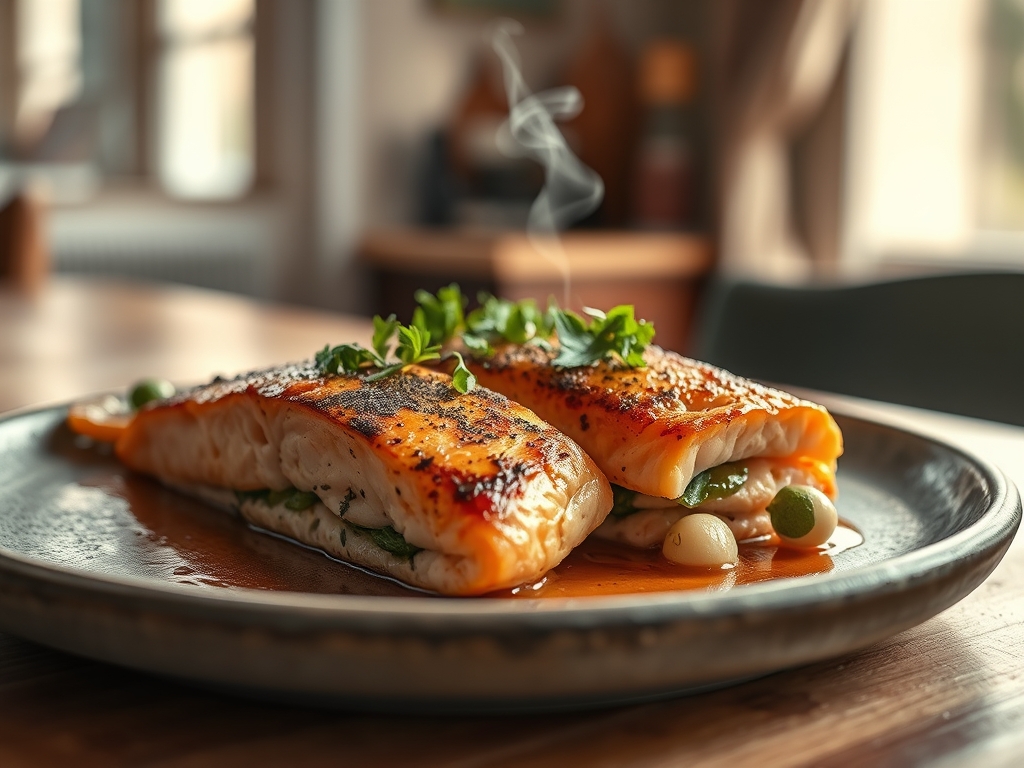
Imagine the sizzle of a heavy bottomed skillet meeting cold fat as the skin of a prime Atlantic fillet begins its transformation into a crisp, golden armor. The air fills with the scent of toasted butter and the piquant zing of fresh lemon zest. This is not just dinner; it is an architectural feat of flavor. Mastering seafood stuffed salmon recipes requires more than just a steady hand; it demands an understanding of how delicate proteins interact under heat. Whether you are tucking buttery lobster meat into a center cut fillet or folding spicy crab into a cream cheese base, the goal is a harmonious marriage of textures. You want that outer sear to offer a crunch that gives way to a succulent, flakey interior and a rich, molten core. It is the ultimate flex for any home cook who wants to play with the big leagues. We are diving deep into the chemistry of the sear and the art of the stuffing to ensure every bite is a decadent masterpiece.
The Gathers:
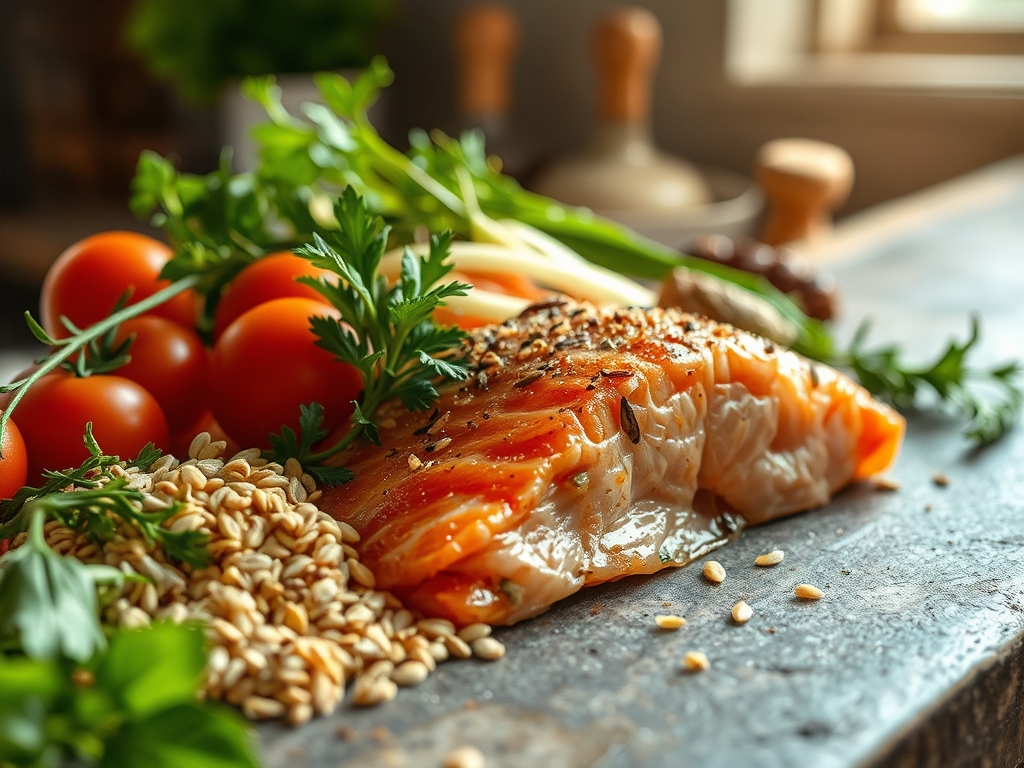
Before we ignite the flame, your mise-en-place must be flawless. Start with the salmon: look for fillets with high intramuscular fat, often called marbling, which ensures the fish remains moist during the stuffing process. For your seafood components, whether it is lump crab, bay scallops, or chopped shrimp, ensure they are patted bone-dry. Moisture is the enemy of the Maillard reaction. You will need a sharp paring knife for the incision and a microplane to harvest the aromatic oils from citrus rinds without hitting the bitter white pith.
The binding agent is where the science of emulsification comes into play. A mixture of softened cream cheese, a splash of heavy cream, and perhaps a dollop of Dijon mustard creates a viscous matrix that holds your seafood in place. For your aromatics, finely minced shallots and garlic provide a savory backbone, while fresh herbs like dill and tarragon infuse the fats with volatile oils.
Smart Substitutions:
If you are looking to lighten the profile, Greek yogurt can replace cream cheese, though you must be careful as it has a lower split point under high heat. For those avoiding shellfish, a stuffing of minced smoked trout and capers offers a similar briny depth. If you lack panko breadcrumbs for texture, crushed pork rinds provide a keto-friendly crunch that mimics the aeration of toasted wheat.
The Clock:
Efficiency in the kitchen is about managing the "Chef's Flow." You are looking at a total time of approximately 45 minutes from fridge to table. The breakdown is 20 minutes of active prep, including the delicate task of slicing the pockets and mixing the stuffing, followed by 15 to 20 minutes of cooking time depending on the thickness of your fillets.
The "Flow" dictates that you prepare your stuffing first. This allows the flavors to marry and the proteins in the seafood to chill, making them easier to handle. While the stuffed fish rests for five minutes before hitting the pan, you can deglaze your skillet to create a pan sauce. This transition ensures that the fish does not sit cooling while you scramble to finish the meal.
The Masterclass:
1. The Precision Pocket
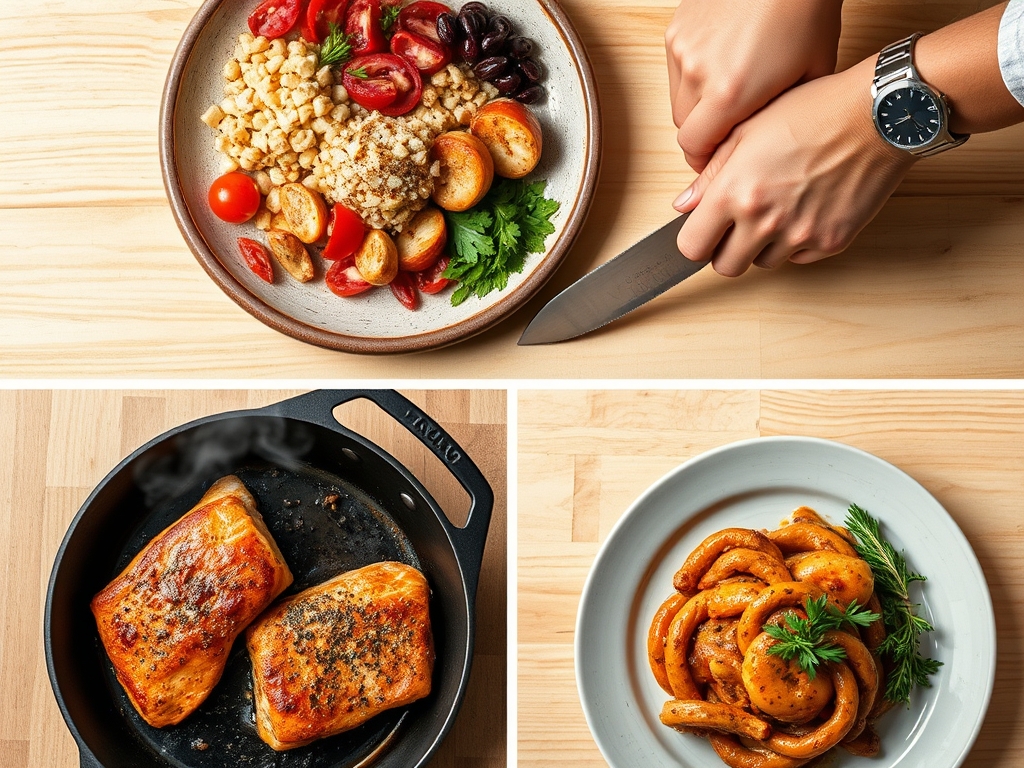
Use a sharp paring knife to slice a horizontal slit into the thickest part of the fillet, being careful not to cut all the way through. This creates a thermal envelope for the stuffing.
Pro Tip: This is known as the "insulation effect." By placing the stuffing inside the fish, you create a buffer that slows the heat transfer to the center, preventing the salmon from overcooking before the stuffing reaches a safe temperature.
2. The Emulsified Fill
Gently fold your seafood into the seasoned cream cheese base using a small spatula. Use a spoon or a piping bag to fill the pocket until it is plump but not bursting.
Pro Tip: Cold fats are more stable. Keeping your stuffing chilled until the moment of cooking prevents the fats from rendering out too quickly, which would result in a greasy, collapsed filling.
3. The Sear and Seal
Heat a heavy-bottomed skillet with a high-smoke-point oil. Place the salmon skin-side down first to render the subcutaneous fat and create a crisp texture.
Pro Tip: This is the Maillard reaction in action. The amino acids and reducing sugars react at high heat to create hundreds of different flavor compounds and that iconic brown crust.
4. The Oven Finish
Transfer the skillet to a preheated oven at 375 degrees Fahrenheit to finish. This provides ambient heat that cooks the stuffing through without burning the exterior of the fish.
Pro Tip: Use a digital thermometer to pull the fish when it hits 135 degrees. Thermal carryover will bring the internal temperature up to the perfect 145 degrees while the fish rests on the counter.
The Deep Dive:
From a nutritional standpoint, seafood stuffed salmon recipes are a powerhouse of Omega-3 fatty acids and high-quality protein. A standard serving contains roughly 350 to 450 calories, depending on the richness of your binder. For a keto version, swap breadcrumbs for almond flour. For a dairy-free approach, use a cashew-based "cheese" which provides a similar creamy mouthfeel without the lactose.
The Fix-It:
- The Stuffing Leaks: This usually happens if the pocket is too large or the binder is too thin. Fix it by "sewing" the opening shut with a few toothpicks before searing.
- Soggy Skin: This is caused by residual moisture. Ensure the skin is wiped completely dry with a paper towel and salted only seconds before it hits the hot oil.
- Curling Fillets: High heat can cause the protein fibers in the skin to contract rapidly. Use a flexible fish spatula to press down on the fillet for the first 30 seconds of searing to keep it flat.
Meal Prep and Reheating:
To maintain "day-one" quality, reheat your salmon in a low-temperature oven (275 degrees) with a splash of water or broth in the pan, covered with foil. This creates a steam chamber that prevents the delicate fats from oxidizing and turning "fishy."
The Wrap-Up:
You have now mastered the technical art of the stuffed fillet. By respecting the thermal properties of the fish and the chemistry of the emulsified filling, you have moved beyond basic cooking into the realm of culinary styling. These seafood stuffed salmon recipes are versatile; they are just as comfortable at a Tuesday night dinner as they are at a black-tie holiday feast. Grab your tongs, trust your digital thermometer, and go create something magnificent.
The Kitchen Table:
How do I prevent the salmon from falling apart?
Ensure you do not slice the pocket all the way through the back or sides. Use toothpicks to secure the opening and avoid flipping the fish more than once. A wide, flexible fish spatula is your best tool for stability.
Can I use frozen seafood for the stuffing?
Yes, but it must be completely thawed and squeezed dry in a clean kitchen towel. Excess water in frozen shrimp or crab will steam the inside of the salmon, resulting in a mushy texture rather than a creamy one.
What is the best way to tell if it is done?
The most reliable method is using a digital thermometer. Aim for an internal temperature of 140 to 145 degrees Fahrenheit. The fish should be opaque and flake easily with a fork, while the stuffing should be hot throughout.
How long does stuffed salmon stay fresh?
Cooked stuffed salmon can be refrigerated in an airtight container for up to two days. Because it contains multiple types of seafood and dairy, it is best enjoyed quickly to maintain the integrity of the flavors and textures.