
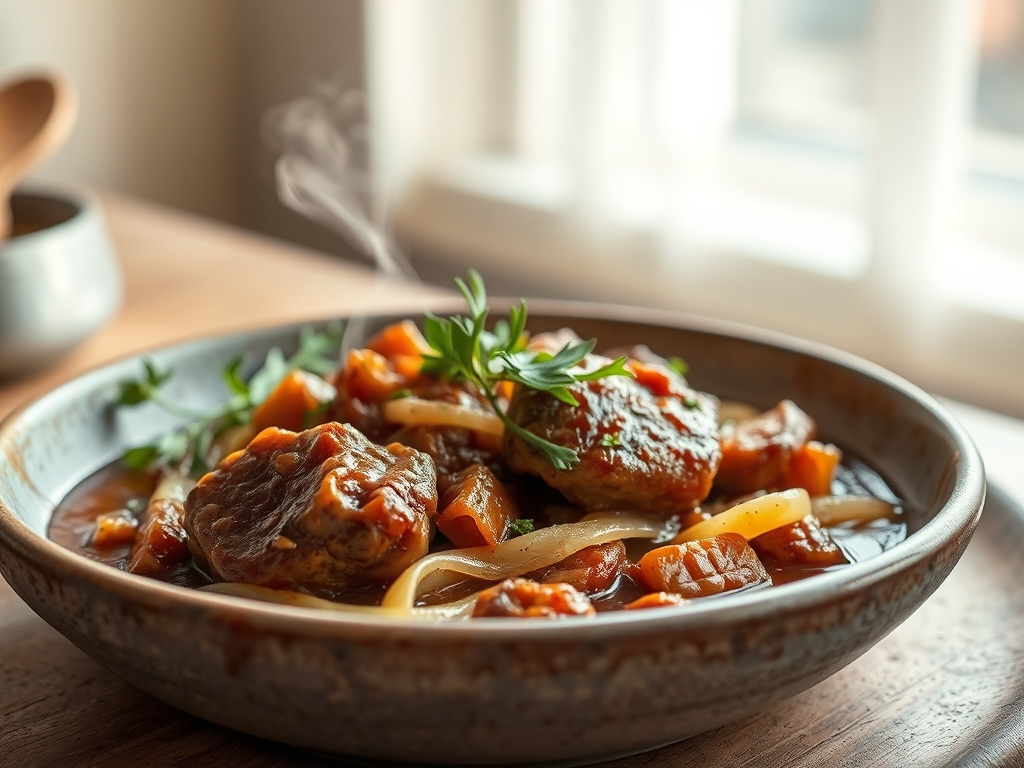
Picture the scene: a heavy-bottomed skillet hissing on the stove while the scent of toasted alliums and savory beef fat fills the air. We are not just cooking; we are engineering flavor. When you are looking for the most reliable lipton onion soup beef recipes, you are actually looking for a shortcut to the Maillard reaction. That little blue and red box is a concentrated flavor bomb of dehydrated onions, beef stock solids, and cornstarch. It is the secret weapon for anyone who wants five-star depth without spending six hours reducing a demi-glace. We are going to take that humble pantry staple and elevate it through six distinct culinary techniques. From the perfect crust on a pan-seared steak to the gelatinous, fork-tender pull of a slow-cooked chuck roast, we are exploring the molecular magic that happens when salt, heat, and dehydrated aromatics collide. Grab your favorite apron and a glass of wine; we are about to turn a simple packet into a masterclass of savory, umami-rich beef dishes that will make your kitchen smell like a high-end bistro.
The Gathers:
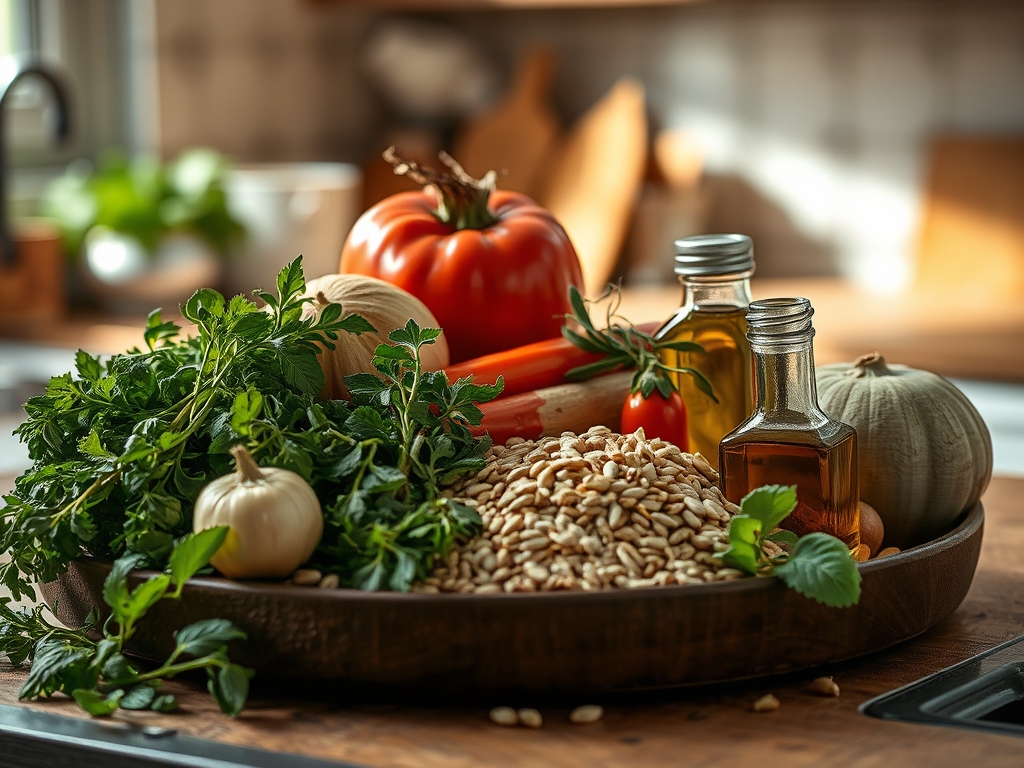
Before we ignite the burners, we must respect the mise-en-place. To execute these lipton onion soup beef recipes properly, you need your ingredients organized by their chemical function. Start with your protein: high-quality beef. For searing, look for marbling (intramuscular fat). For braising, you want connective tissue like collagen.
Your "Gathers" list includes:
- The Catalyst: One box of Lipton Onion Soup Mix (two packets).
- The Protein: 2 lbs of Ground Chuck (80/20 ratio for moisture) or a 3 lb Chuck Roast.
- The Liquid Gold: 2 cups of unsalted beef bone broth to control sodium levels.
- The Aromatics: Fresh thyme sprigs and smashed garlic cloves to layer fresh scents over the dried base.
- The Acid: A splash of Worcestershire sauce or balsamic vinegar to provide a piquant finish that cuts through the fat.
Smart Substitutions: If you are watching your sodium, use half a packet of the mix and supplement with a tablespoon of onion powder and a teaspoon of porcini mushroom powder to maintain that umami profile. If you lack beef broth, a dry red wine like Cabernet Sauvignon works beautifully to deglaze the pan and add tannic structure to your sauce.
The Clock: Chef's Flow
Efficiency in the kitchen is about understanding "The Clock." For most of these recipes, the active prep time is a brisk 15 minutes. This involves using a sharp chef's knife for any vegetable trimming and a digital scale to portion your meat. The cooking time varies wildly based on the method. A pan-seared onion burger takes 8 minutes of high-intensity heat, while a classic "3-ingredient roast" requires a low-and-slow 4 to 6 hours.
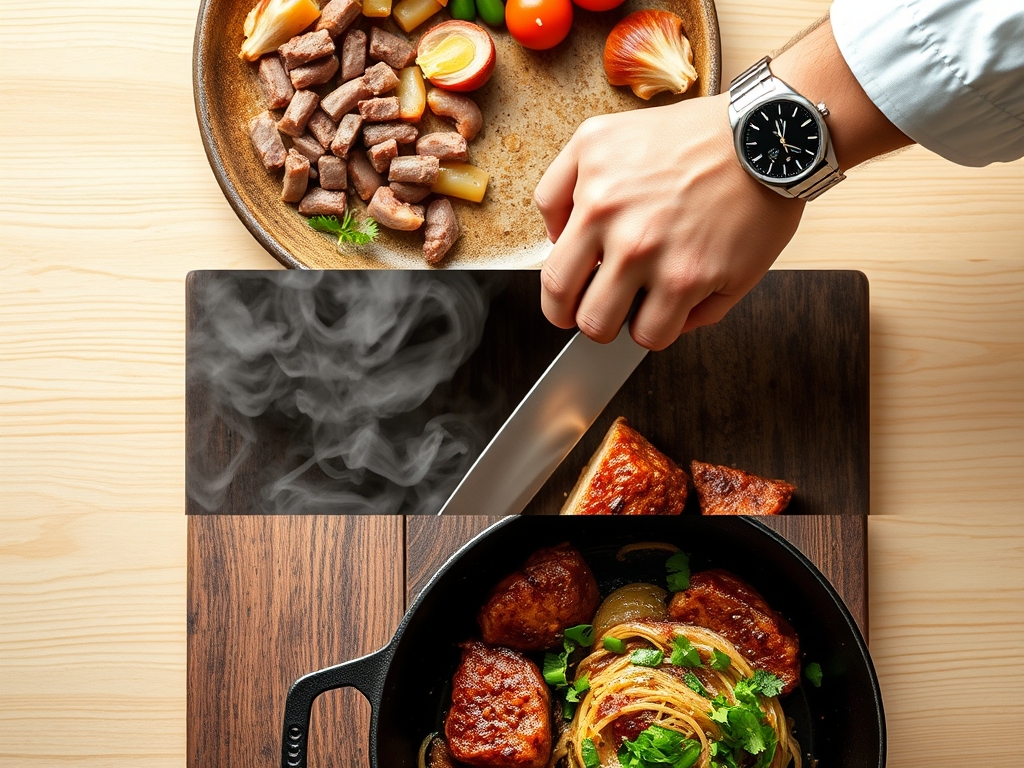
The "Chef's Flow" dictates that you should always sear your meat first. This creates a fond (the brown bits at the bottom of the pan) which acts as the foundation for your sauce. While the meat rests, you use that time to whisk your soup mix into your liquids, ensuring no clumps remain. This staggered approach ensures that by the time your meat has reabsorbed its juices, your sauce is perfectly emulsified and viscous.
The Masterclass:
1. The Ultimate Umami Meatloaf
Combine your ground beef, breadcrumbs, and one packet of soup mix in a large bowl. Use a light touch to aerate the mixture; overworking the meat results in a dense, rubbery texture.
Pro Tip: This recipe relies on protein cross-linking. By adding the salt-heavy soup mix, you are slightly dissolving some meat proteins, which helps the loaf hold its shape without becoming a brick.
2. The Slow-Braised Pot Roast
Place your chuck roast in a slow cooker and sprinkle the mix directly over the top. Pour in one cup of water or broth around the sides so you do not wash the seasoning off the meat.
Pro Tip: This is a lesson in collagen hydrolysis. The long, low-heat cook time breaks down tough connective tissue into gelatin, creating that silky, mouth-coating richness that defines a great roast.
3. Onion-Crusted Pan-Seared Ribeye
Use the dry soup mix as a rub. Press the dehydrated onion flakes into the surface of the steak before hitting a screaming-hot cast iron skillet with a high-smoke-point oil like avocado oil.
Pro Tip: Watch for the Maillard reaction. The sugars in the dehydrated onions will caramelize rapidly; be careful not to cross the line into carbonization (burning), which tastes bitter.
4. The 15-Minute Beef Stroganoff
Sauté beef strips in a saucier, then stir in the soup mix, a cup of water, and a dollop of sour cream at the very end. Serve over wide egg noodles.
Pro Tip: This demonstrates emulsification. Adding the sour cream off the heat prevents the proteins from denaturing and "breaking" the sauce into an oily mess.
5. Savory French Dip Sliders
Thinly slice a pre-cooked roast and simmer it in a "jus" made from the soup mix and two cups of water. Serve on toasted brioche buns with provolone.
Pro Tip: Use osmosis to your advantage. Letting the beef simmer in the salty jus for just five minutes allows the seasoned liquid to penetrate the fibers of the meat, seasoning it from the inside out.
6. The "Best Ever" Onion Burgers
Fold the soup mix into your ground beef along with a tablespoon of cold water. Form into patties and grill or pan-fry to your desired doneness.
Pro Tip: The thermal carryover is real here. Remove your burgers when they are 5 degrees below your target temperature; the internal heat will continue to cook the meat as it rests.
The Deep Dive:
Macro Nutrition: One serving of these beef dishes typically provides 25-35g of protein. The soup mix adds roughly 20 calories and 4g of carbohydrates per serving, primarily from the cornstarch and onion solids.
Dietary Swaps: For a Keto version, skip the breadcrumbs in the meatloaf and use crushed pork rinds. For Gluten-Free needs, check the label carefully as some mixes use wheat flour as a thickener; you may need to make a "copycat" version using GF beef bouillon and dried onions.
The Fix-It:
- Too Salty? Add a peeled, halved potato to the simmering sauce for 15 minutes to absorb excess sodium, or balance with an acid like lemon juice.
- Too Thin? Create a slurry using one teaspoon of cornstarch and a tablespoon of cold water; whisk it into the boiling sauce to increase viscosity.
- Lumpy Sauce? Pass the liquid through a fine-mesh sieve or use an immersion blender to homogenize the dehydrated onion bits into a smooth gravy.
Meal Prep: When reheating beef, do it gently. Use a low power setting on the microwave or a covered pan on the stove with a splash of broth. This prevents the fat from rendering out completely, which leaves the meat dry and "warmed-over" in flavor.
The Wrap-Up:
Mastering lipton onion soup beef recipes is about more than just opening a packet; it is about harnessing the power of concentrated aromatics to create professional-grade meals with minimal stress. Whether you are deglazing a pan for a quick weeknight stroganoff or letting a roast undergo a slow molecular transformation in the crockpot, you now have the technical tools to ensure success. These recipes are the intersection of nostalgia and kitchen science. Go ahead and flex those culinary muscles; your kitchen table is about to become the most popular spot in the house!
The Kitchen Table:
Can I use Lipton Onion Soup mix as a dry rub?
Yes, but use it sparingly. The high salt content can draw out moisture too quickly. For the best results, pat the meat dry before applying the mix to ensure a crisp, savory crust during the searing process.
How do I stop my onion soup gravy from being too salty?
Always use unsalted butter and low-sodium beef broth when combining with the soup mix. If the result is still too piquant, add a splash of heavy cream or a teaspoon of brown sugar to neutralize the salt perception.
Is Lipton Onion Soup mix gluten-free?
Standard packets often contain barley or wheat derivatives as thickeners. Always read the ingredient label for hidden gluten. For a safe alternative, mix dried minced onions, beef bouillon granules, and onion powder in a small glass jar.
What is the best way to thicken a soup mix sauce?
The mix contains some cornstarch, but for a thicker "coating" consistency, use a roux or a cornstarch slurry. Whisk the slurry into the simmering liquid and cook for two minutes to remove the raw starch taste.