
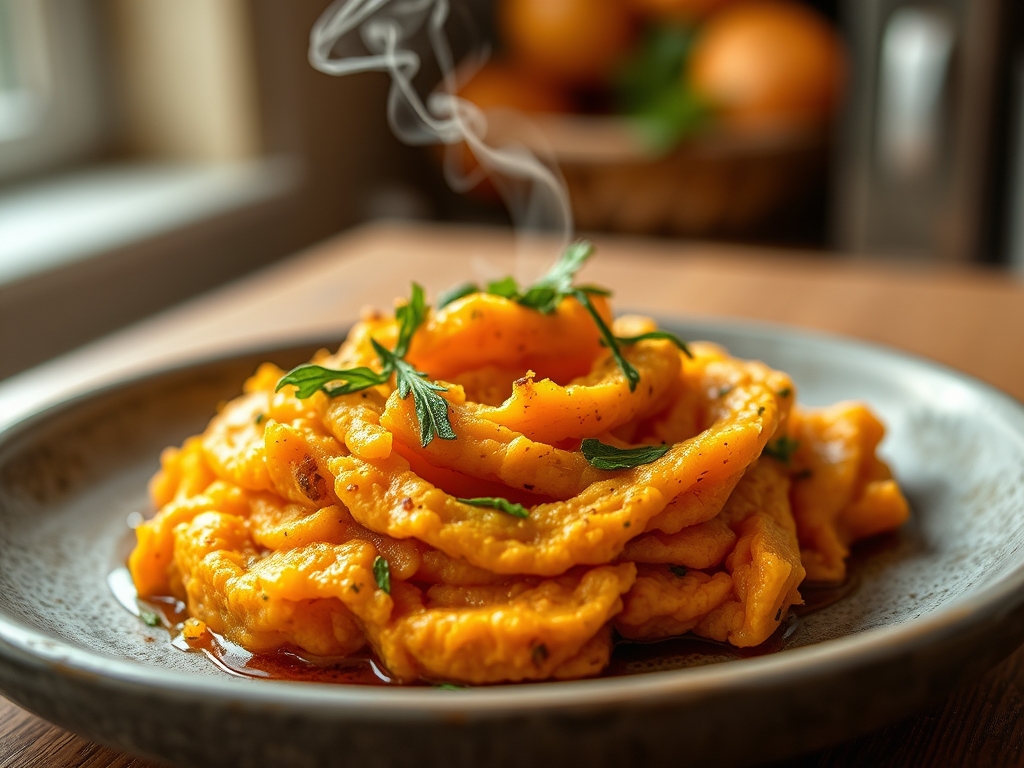
Picture a crisp autumn evening where the air carries a hint of woodsmoke and your kitchen is glowing with the amber light of a stovetop flame. You are craving something soulful but sophisticated. While most people drown tubers in marshmallows, you are about to master savory mashed sweet potato recipes that balance earthy sweetness with piquant, salty depth. This is the ultimate comfort food evolution.
The secret to a truly transformative mash lies in the tension between natural sugars and salt. When we step away from the cloying brown sugar traps of the past, we unlock the vegetable's true potential as a versatile side dish. We are talking about velvety textures, herbaceous infusions, and that specific umami punch that makes a meal memorable. Whether you are pairing this with a seared ribeye or a roasted cauliflower steak, these savory mashed sweet potato recipes will become your new back-pocket essential for impressive, effortless hosting.
The Gathers:
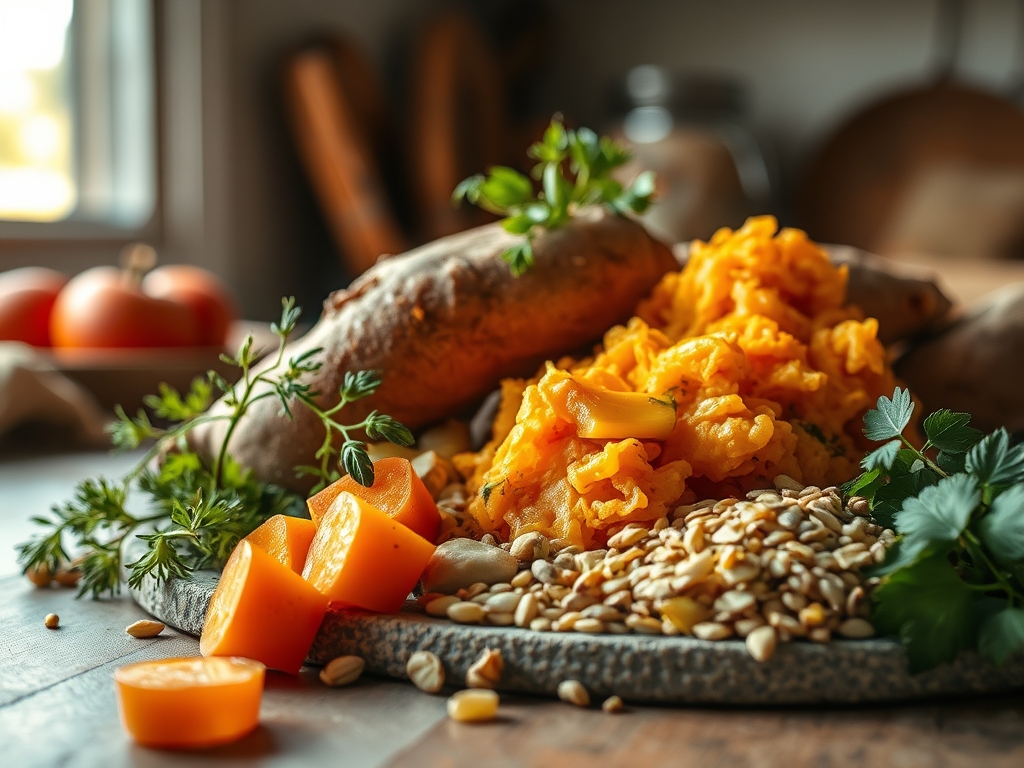
To achieve a professional grade result, your mise-en-place must be precise. Start with four pounds of Beauregard or Jewel sweet potatoes. These varieties possess a high starch content that, when cooked correctly, becomes incredibly viscous and smooth. You will also need high fat European style butter; its lower water content ensures a richer mouthfeel.
For the savory profile, gather fresh rosemary, thyme, and four cloves of garlic. We will use a microplane to grate the garlic into a paste, ensuring it integrates without leaving acrid raw chunks. Have a high quality sea salt and freshly cracked black pepper ready. For the liquid component, heavy cream or full fat coconut milk provides the necessary lipids to emulsify the mash.
Smart Substitutions: If you want to lean into a brighter profile, swap the cream for a dollop of Greek yogurt or labneh. This adds a lactic tang that cuts through the density. For a vegan masterpiece, use a high quality extra virgin olive oil and a splash of the potato cooking water. The starch in the water helps emulsify the oil into the mash, creating a sheen that rivals any dairy based version.
The Clock:
Efficiency in the kitchen is about mastering the Chef's Flow. Total active prep time is approximately 15 minutes, while the cooking process takes 20 to 25 minutes depending on the size of your dice.
The flow begins with the boil. While the potatoes are reaching their gelatinization point, you should be using a saucier to infuse your cream and aromatics. This parallel processing ensures that the moment the potatoes are drained and dry, your flavor base is hot and ready to be integrated. Never let your potatoes sit and cool; the starch molecules begin to retrograde almost immediately, which can lead to a gummy, unpleasant texture. Speed is your best friend for a light, aerated finish.
The Masterclass:
1. The Precision Dice
Peel your potatoes and use a sharp chef's knife to cut them into uniform one inch cubes. Consistency is not just for aesthetics; it ensures every piece reaches the same level of tenderness at the same time. Place them in a large pot of cold, heavily salted water.
Pro Tip: Starting in cold water prevents the outside of the potato from overcooking and disintegrating before the center is soft. This is a principle of thermal equilibrium that results in a perfectly even cook.
2. The Infusion Simmer
While the potatoes boil, place your cream, butter, and smashed garlic cloves in a small saucier over low heat. Let this mixture steep but do not let it reach a rolling boil. You want to infuse the fats with the essential oils from the herbs.
Pro Tip: Fat is a flavor carrier. By heating the aromatics in the butter and cream first, you are performing a lipid extraction of the herbs' flavors, which distributes the taste more evenly than just stirring in raw herbs at the end.
3. The Steam Dry
Once the potatoes are fork tender, drain them into a colander. Immediately return the hot potatoes to the warm pot for 60 seconds over very low heat, shaking them gently.
Pro Tip: This step is crucial for evaporative cooling. Removing excess surface moisture ensures the potatoes can absorb the maximum amount of flavored cream and butter without becoming watery or thin.
4. The Mechanical Breakdown
Use a potato ricer or a food mill for the smoothest possible texture. If you prefer a more rustic mash, a heavy duty masher works well. Avoid using a food processor, as the high speed blades can tear the starch granules and turn your mash into a gluey paste.
Pro Tip: Ricing the potatoes while they are hot prevents starch retrogradation, the process where amylose molecules crystallize and harden as they cool, which creates lumps.
5. The Emulsification
Slowly stream your warm, strained cream mixture into the riced potatoes. Use a sturdy silicone spatula to fold the liquid in gently. Season with salt and a pinch of nutmeg or smoked paprika for a subtle background heat.
Pro Tip: This is a classic emulsion. By adding the fat slowly to the warm starch, you create a stable structure that feels luxurious on the tongue rather than greasy.
The Deep Dive:
From a macro perspective, savory mashed sweet potato recipes are a powerhouse of nutrition. They are exceptionally high in Vitamin A (as beta carotene) and provide a significant amount of dietary fiber. By keeping the skins on for a rustic version, you increase the mineral content, specifically potassium.
Dietary Swaps: For a Keto friendly twist, replace half of the sweet potatoes with steamed cauliflower. This lowers the net carb count while maintaining the signature orange hue and creamy texture. For a Gluten Free guarantee, simply ensure your spices and thickeners are certified, though potatoes are naturally GF.
The Fix-It:
- Too Runny? Place the mash back in a heavy-bottomed skillet over medium heat and stir constantly to evaporate the excess moisture.
- Too Lumpy? Pass the entire mixture through a fine mesh sieve using the back of a ladle. It is tedious but will save the dish.
- Too Sweet? Increase the acid. A teaspoon of apple cider vinegar or a squeeze of lemon juice will provide the piquant balance needed to neutralize excess natural sugars.
Meal Prep: To reheat and maintain "day-one" quality, avoid the microwave if possible. Instead, place the mash in a small pot with a splash of milk or broth. Heat over low, stirring frequently to re-incorporate the fats. This prevents the oils from separating and keeps the texture velvety.
The Wrap-Up:
Mastering savory mashed sweet potato recipes is about more than just a side dish; it is about understanding how to manipulate starch and fat to create something extraordinary. By focusing on the infusion of aromatics and the science of ricing while hot, you elevate a humble root vegetable into a culinary highlight. Go ahead and experiment with different herbs like sage or even a touch of white miso for an extra umami kick. Your kitchen is your laboratory, and the results are going to be delicious.
The Kitchen Table:
How do I stop my sweet potatoes from being stringy?
Choose younger, medium sized potatoes rather than massive ones. Use a potato ricer or food mill to remove any fibrous vascular bundles, ensuring a perfectly smooth, professional texture every time you mash.
Can I make savory mashed sweet potatoes ahead of time?
Yes. Prepare the mash fully, let it cool, and store it in an airtight container for up to three days. Reheat slowly on the stovetop with an extra splash of cream to restore the original creamy emulsion.
What is the best herb for savory sweet potatoes?
Fresh thyme and rosemary are the gold standard. They provide a woody, earthy contrast to the potato's natural sweetness. For a modern twist, try fried sage leaves or finely minced chives for a sharp, fresh finish.
Why use a ricer instead of a hand mixer?
A ricer gently separates the potato solids without shearing the starch molecules. Hand mixers are too aggressive and often turn the starch into a sticky, glue like consistency that ruins the mouthfeel of the dish.