
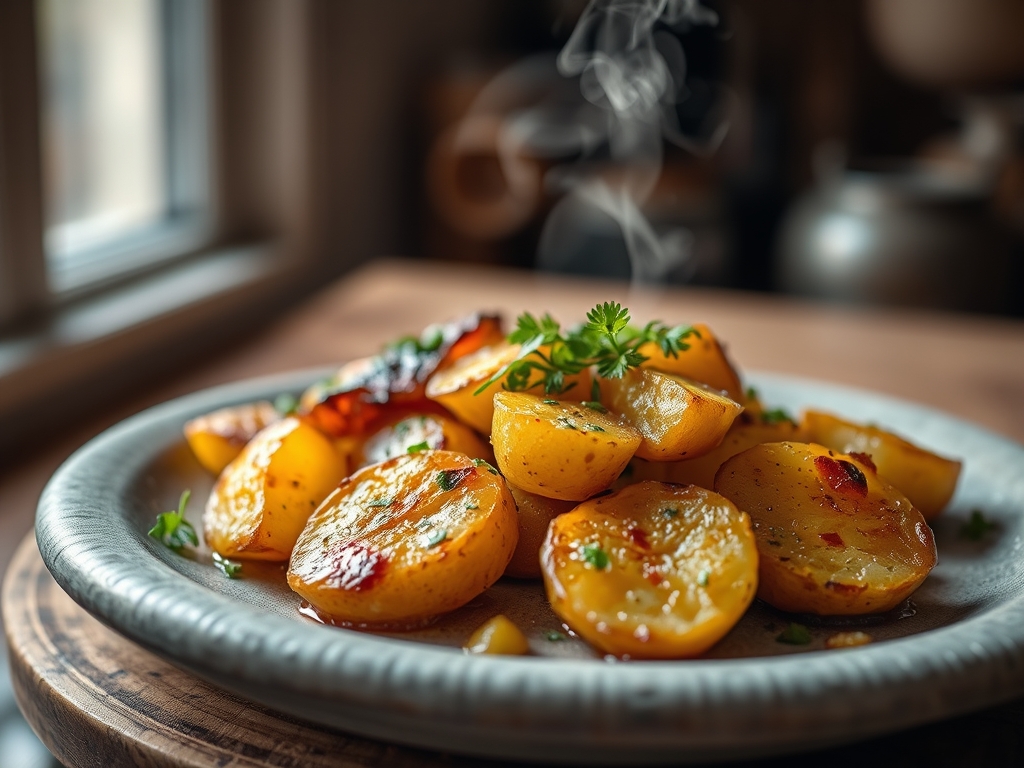
Picture a coastal kitchen in Lisbon where the air is thick with the scent of sea salt and sizzling garlic. You are standing over a heavy-bottomed skillet, watching as golden oil transforms humble tubers into crispy masterpieces. If you have been searching for the ultimate collection of portuguese potato recipes, you have finally arrived at the source. These dishes are not just side items; they are the starchy soul of the Atlantic coast. We are talking about textures that range from the shatter-proof crunch of Batatas Murro to the silky, viscous embrace of a traditional Caldo Verde.
Portuguese cuisine treats the potato with a reverence usually reserved for fine wine. It is about understanding the molecular dance between high-quality olive oil and the cellular structure of the spud. We are going to dive deep into the chemistry of the Maillard reaction and the magic of starch retrogradation. Whether you are a seasoned home cook or a curious foodie, these seven classics will redefine your relationship with the vegetable drawer. Grab your apron and your sharpest chef knife; we are about to turn your kitchen into a genuine tasca.
The Gathers:
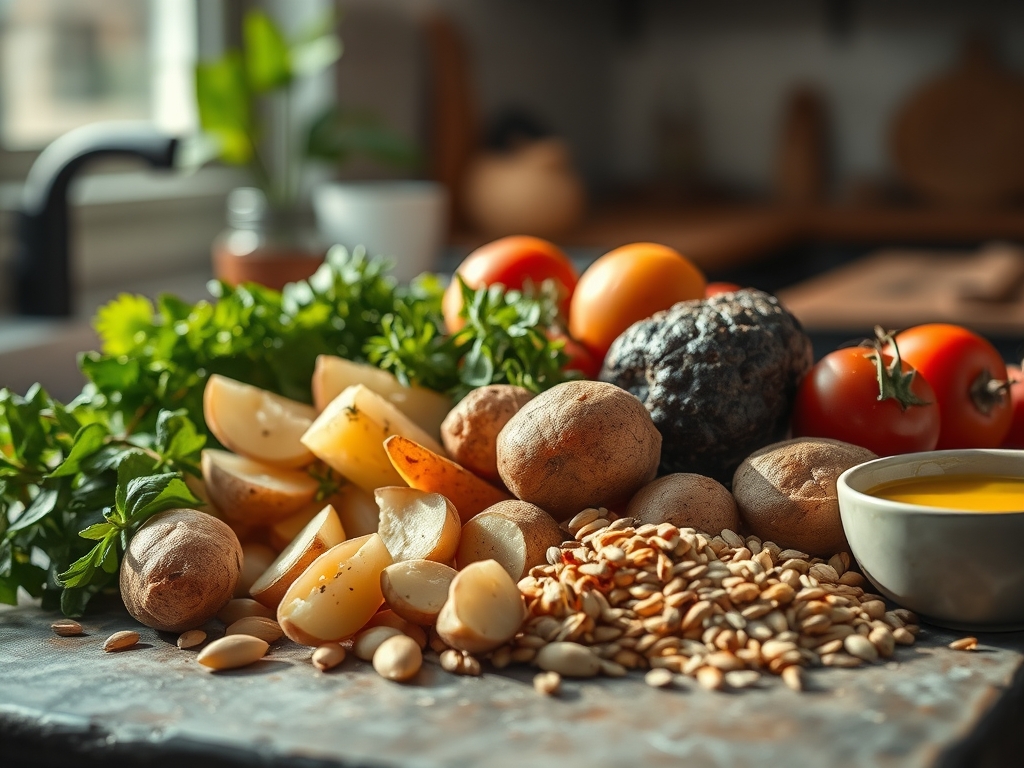
To master these portuguese potato recipes, your mise-en-place must be precise. Start with the foundation: the potato itself. For dishes like Batatas a Murro (Punched Potatoes), you need waxy varieties like Yukon Gold or red-skinned New Potatoes. Their low starch and high moisture content allow them to hold their shape even after being crushed. For soups like Caldo Verde, reach for starchy Russets. Their high amylopectin levels ensure they break down into a velvety, thick base without the need for heavy cream.
Your pantry should feature high-polyphenol extra virgin olive oil, which provides a piquant back-note to the earthy tubers. You will also need coarse sea salt for osmotic drawing, fresh garlic cloves for infusion, and smoked paprika (pimenton) to add a deep, wood-fired aroma. For the aromatics, keep a bunch of fresh cilantro and flat-leaf parsley on hand.
Smart Substitutions:
If you cannot find the traditional Portuguese Chourizo to flavor your potatoes, a dry-cured Spanish Chorizo is a perfect chemical match due to its high fat content and smoked pepper profile. If you are avoiding nightshades, white sweet potatoes can mimic the texture of a waxy potato, though the flavor profile will lean more saccharine. For those lacking a mortar and pestle to crush your garlic into a paste, a microplane is your best friend for achieving that fine, emulsifiable consistency.
The Clock
Efficiency in the kitchen is all about the Chef's Flow. This is the art of overlapping tasks so that no heat is wasted. For these seven recipes, expect a total active prep time of 30 minutes, with a collective cooking window of 45 to 60 minutes.
The flow begins with the "Cold Start." While your potatoes are simmering or roasting, you should be using your bench scraper to clear your station and prepping your cold infusions. By the time the potatoes reach their peak internal temperature, your oils should be infused and your garnishes chopped. This synchronization ensures that the potatoes are served while their exterior remains at maximum crispness, before the internal steam has a chance to soften the crust.
The Masterclass
1. The Parboil Foundation
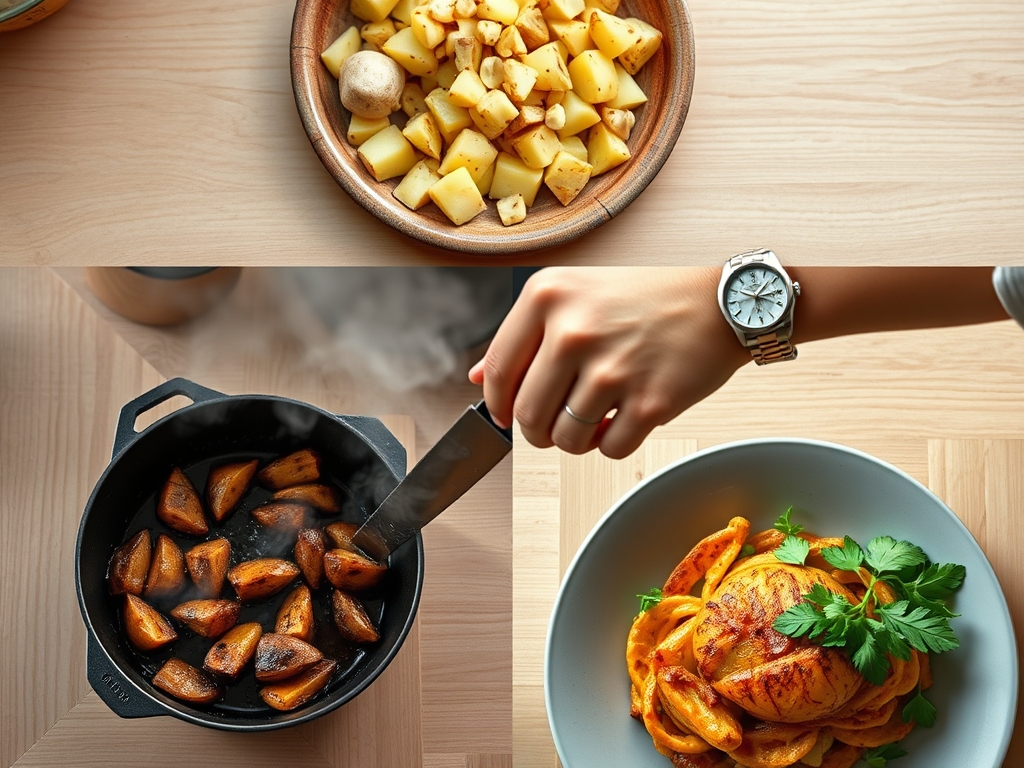
Before roasting or frying, always start by simmering your potatoes in heavily salted water. This creates a "gelatinized" outer layer of starch that will eventually crisp up into a glass-like shards in the oven. Use a digital scale to ensure a 1% salt-to-water ratio.
Pro Tip: This process, known as starch gelatinization, occurs when granules absorb water and swell. By parboiling, you ensure the interior is fluffy while the exterior is primed for the Maillard reaction.
2. The Infusion Technique
Place your heavy-bottomed skillet over medium-low heat. Combine olive oil, smashed garlic, and bay leaves. You are not just heating the oil; you are performing a lipid-soluble extraction of essential oils from the aromatics.
Pro Tip: Keep the temperature below 300 degrees Fahrenheit to prevent the garlic from becoming bitter. This low-temperature infusion ensures a mellow, sweet garlic flavor that permeates the entire potato.
3. The "Punched" Execution
For Batatas a Murro, take your parboiled potato and use a clean kitchen towel to gently press down with the palm of your hand until the skin cracks. This increases the surface area exponentially.
Pro Tip: Increasing the surface area allows for more evaporative cooling during the final roast, which results in a significantly crunchier texture.
4. The High-Heat Finish
Transfer your punched or sliced potatoes to a preheated sheet pan at 425 degrees Fahrenheit. Drizzle with your infused oil and roast until the edges turn a deep mahogany.
Pro Tip: This is the Maillard reaction in full swing. The amino acids and reducing sugars are rearranging to create hundreds of new flavor compounds.
5. The Emulsified Sauce
For recipes like Batatas de Rebolada, you will deglaze your pan with a splash of white wine or vinegar. Use a whisk to incorporate the residual potato starches into the fat and acid.
Pro Tip: The released starches act as a natural emulsifier, binding the oil and acid into a viscous sauce that clings to the potatoes rather than sliding off.
6. The Herbaceous Fold
Never cook your fresh herbs. Instead, fold them into the potatoes the moment they come out of the heat. The residual thermal energy will release their volatile oils without destroying their bright color.
Pro Tip: This prevents enzymatic browning and oxidation of the chlorophyll, keeping your dish looking vibrant and tasting fresh.
7. The Resting Period
Allow the potatoes to sit for three minutes before serving. This allows the internal moisture to redistribute so the first bite isn't a burst of scalding steam.
Pro Tip: This stage involves thermal carryover. The internal temperature will continue to rise slightly, finishing the cook perfectly without over-browning the exterior.
The Deep Dive
When we look at the macro nutrition of these portuguese potato recipes, we see a profile rich in complex carbohydrates and healthy monounsaturated fats from the olive oil. A standard serving provides roughly 250 calories, with 4 grams of fiber and a significant hit of potassium.
Dietary Swaps:
To make these recipes Vegan, simply ensure your fat source is strictly plant-based olive oil and omit any chourizo. For a Keto alternative, you can apply these same Portuguese techniques to cauliflower florets or radishes, though the roasting times will decrease by half. All these recipes are naturally Gluten-Free, provided you don't use flour as a thickening agent.
The Fix-It:
- Soggy Potatoes: Usually caused by overcrowding the pan. The trapped steam prevents the crust from forming. Fix: Spread them out across two pans.
- Bitter Garlic: The oil got too hot. Fix: Strain the oil and start the infusion over with fresh cloves.
- Potatoes Falling Apart: You used the wrong potato. Fix: If using starchy Russets for a roasted dish, reduce the parboil time by five minutes to maintain structural integrity.
Meal Prep:
To reheat and maintain "day-one" quality, avoid the microwave. The microwave causes water molecules to vibrate, turning your crispy crust into a rubbery mess. Instead, use an air fryer or a hot skillet to re-crisp the exterior through dry-heat conduction.
The Wrap-Up
Mastering portuguese potato recipes is a rite of passage for any cook who loves bold, honest flavors. By focusing on the science of starch and the art of the infusion, you have transformed a basic root vegetable into a culinary centerpiece. These dishes are meant to be shared, surrounded by laughter and perhaps a cold glass of Vinho Verde. Your kitchen now holds the secrets of the Atlantic coast; go forth and crisp with confidence!
The Kitchen Table
Which potato is best for Portuguese roasting?
Waxy potatoes like Yukon Gold or red skins are ideal. They contain less starch and more moisture, allowing them to maintain their shape during the "punching" and roasting process without disintegrating into mash.
How do I make my potatoes extra crispy?
The secret is parboiling in salted water followed by a high-heat roast. This creates a starchy slurry on the surface that dehydrates and hardens into a crunchier crust than raw roasting could ever achieve.
Can I use dried herbs instead of fresh?
While possible, dried herbs lack the volatile oils needed for a bright finish. If you must use them, add them during the oil infusion stage so the heat can "bloom" their muted flavors.
Why do my potatoes stick to the roasting pan?
This usually happens if the pan wasn't preheated or if you didn't use enough fat. Always heat your sheet pan in the oven before adding the potatoes to create an immediate non-stick sear.