
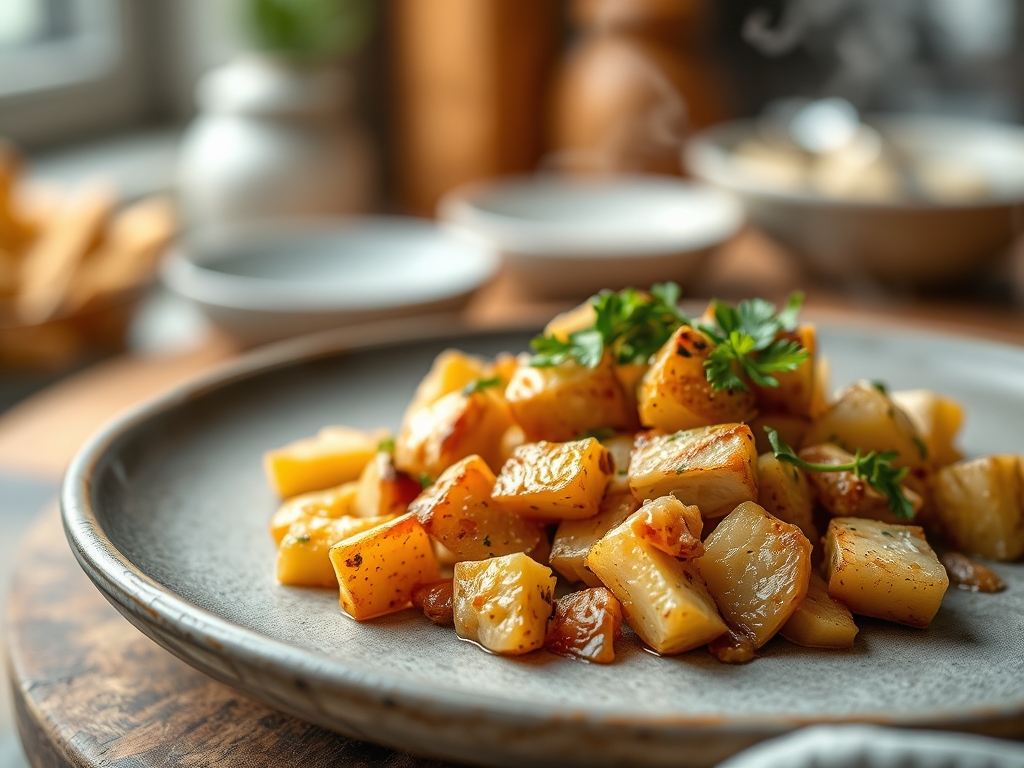
Imagine the scent of golden, crispy fat hitting a hot pan. That sharp, savory sizzle is the sound of comfort. When life gets chaotic, few things satisfy the soul like the perfect marriage of protein and starch. Mastering diced chicken and potato recipes is your ticket to weeknight glory; it is where humble pantry staples transform into a high-octane feast of textures and flavors.
Whether you are craving a zesty lemon-herb toss or a rich, creamy skillet bake, the magic lies in the uniform cut. Dicing these ingredients increases their surface area, which means more space for the Maillard reaction to work its caramelizing wonders. This is not just a meal; it is a masterclass in efficiency. You get the crunch of a roast and the tenderness of a braise in half the time. By the end of this guide, you will be wielding your chef's knife like a pro and turning these two simple ingredients into ten distinct, restaurant-quality masterpieces that will make your kitchen the most popular spot in the house.
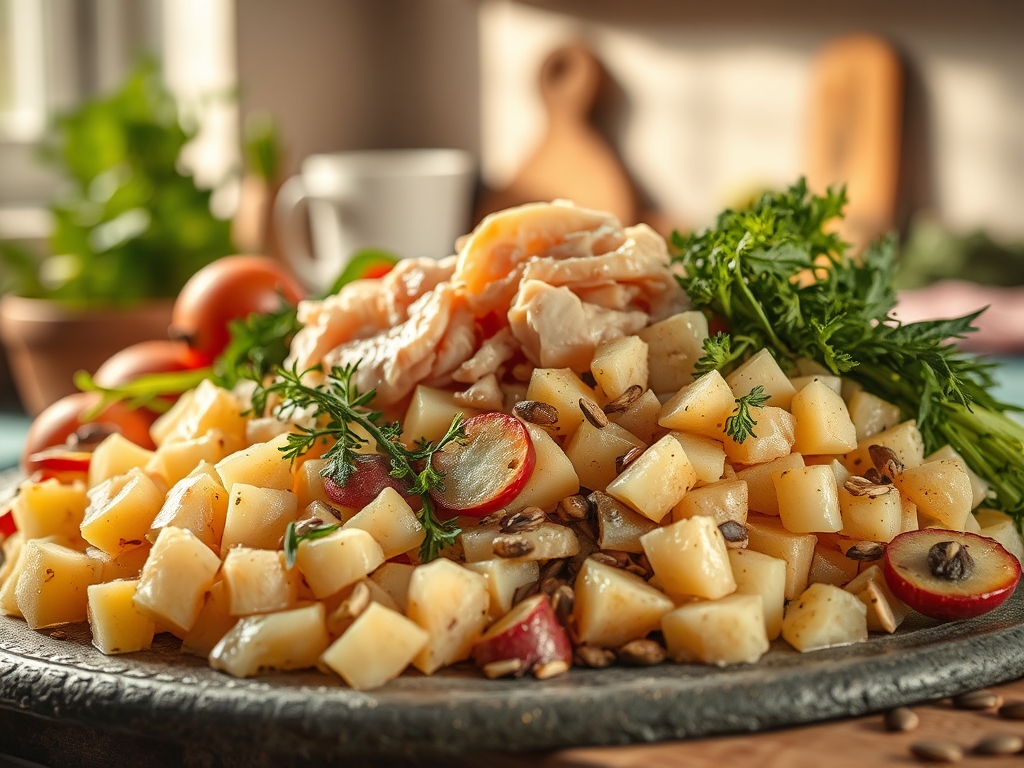
The Gathers:
Before we ignite the burner, we must respect the mise-en-place. For the chicken, look for air-chilled breasts or thighs. Air-chilling prevents excess water weight, ensuring your meat sears rather than steams. Your potatoes should be high-starch varieties like Russets for fluffiness or waxy Yukon Golds if you want them to hold a sharp, clean edge after being tossed in a heavy-bottomed skillet.
Your aromatics are the backbone of these diced chicken and potato recipes. Fresh garlic should be firm; use a microplane to create a paste that integrates seamlessly into oils. For fats, choose a high-smoke-point oil like avocado or grapeseed to avoid acrid flavors at high heat. Smart Substitutions are your best friend here. If you are out of fresh herbs, use one-third the amount of dried herbs to account for their concentrated potency. Swap heavy cream for full-fat coconut milk to add a silky, viscous texture without the dairy. If you need a piquant kick, a splash of apple cider vinegar can deglaze a pan just as effectively as white wine.
The Clock
Efficiency in the kitchen is all about the "Chef's Flow." For most diced chicken and potato recipes, you are looking at a 15-minute prep and a 25-minute cook time. The secret to speed is the sequence. Start by dicing your potatoes first. Since they have a denser cellular structure than poultry, they require a head start in the pan or a quick par-boil to ensure the interiors are creamy by the time the chicken reaches its safe internal temperature.
While the potatoes begin to render their starches, use that window to dice your chicken and prep your aromatics. This overlapping technique ensures that no burner is ever "dry" and no minute is wasted. If you use a digital scale to portion your ingredients, you eliminate the guesswork and ensure consistent cooking times across the board. A bench scraper is essential here to move your piles of prep from the board to the pan without losing a single precious cube.
The Masterclass
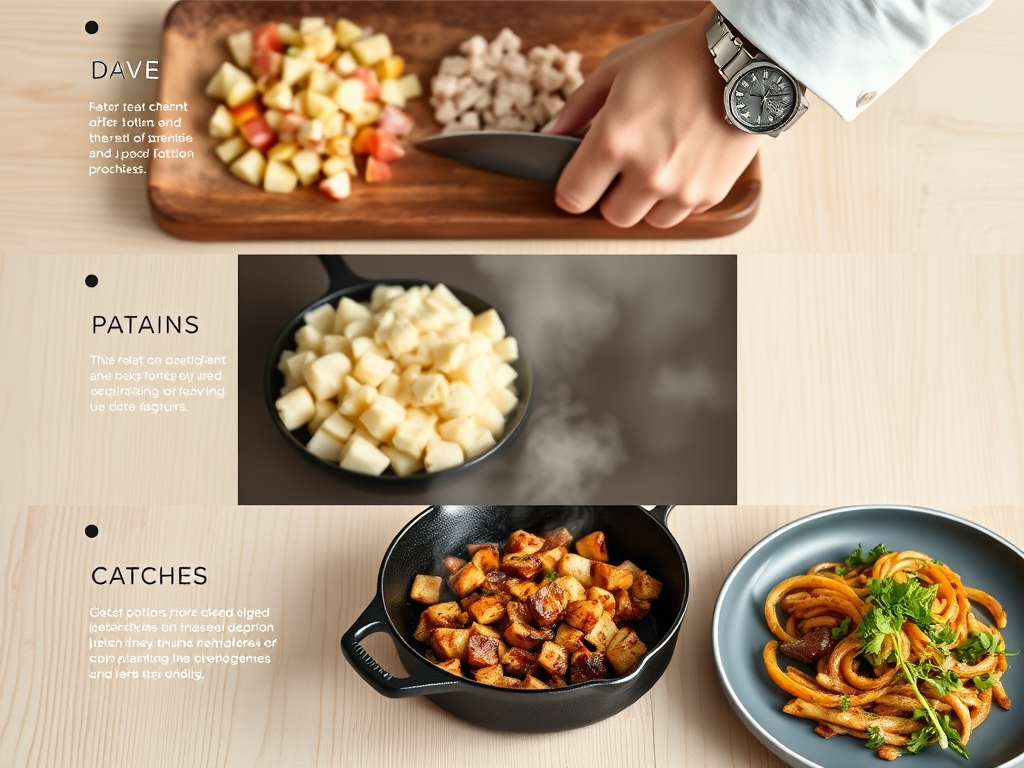
1. The Uniform Cube
Use a sharp chef's knife to cut both the chicken and potatoes into consistent half-inch cubes. This ensures they cook at a synchronized rate, preventing the "crunchy potato, dry chicken" tragedy.
Pro Tip: This is about geometric surface area. Smaller cubes increase the area available for enzymatic browning, which creates the complex flavor compounds we crave.
2. The Initial Sear
Heat your heavy-bottomed skillet until the oil shimmers. Add the potatoes in a single layer, leaving space between them to avoid trapped steam. Do not move them for at least four minutes.
Pro Tip: This patience allows for the formation of a pellicle; a thin skin that prevents the potato from sticking and helps it retain its structural integrity during the toss.
3. The Protein Integration
Push the golden potatoes to the perimeter and add the diced chicken to the center. Use tongs to flip the pieces individually to ensure every side hits the hot metal.
Pro Tip: Watch for thermal carryover. Remove the pan from the heat when the chicken is at 160 degrees Fahrenheit; the residual heat will bring it to the safe 165 mark without toughening the fibers.
4. Deglazing and Infusing
Once the fond (those brown bits on the bottom) has formed, pour in a splash of stock or wine. Use a wooden spoon to scrape up the flavor and stir in your minced garlic and herbs.
Pro Tip: Deglazing is a chemical process where the liquid dissolves the caramelized proteins, creating a built-in sauce that coats every cube in a savory glaze.
5. The Final Aeration
Toss in a knob of cold butter or a drizzle of finishing oil right before serving. Give the pan a vigorous shake to emulsify the fats with the pan juices.
Pro Tip: Emulsification creates a creamy mouthfeel by suspending fat droplets in the liquid, ensuring the sauce clings to the diced chicken and potatoes rather than pooling at the bottom.
The Deep Dive
When we look at the macro nutrition of these meals, we are seeing a powerhouse of sustained energy. A standard serving provides roughly 35 grams of protein and 40 grams of complex carbohydrates. To make this keto-friendly, swap the potatoes for diced daikon radish or cauliflower florets. For a vegan twist, replace the chicken with extra-firm pressed tofu or tempeh, which mimics the texture of diced poultry perfectly.
Even the best cooks hit snags. If your potatoes are mushy, you likely overcrowded the pan, causing them to steam in their own moisture. Fix this by spreading them on a wire rack and giving them a quick blast in a high-heat oven. If the chicken is bland, it likely lacked salt during the "sweat" phase; add a pinch of finishing salt or a squeeze of lemon to brighten the proteins. If the sauce breaks and looks oily, whisk in a teaspoon of warm water to re-emulsify the mixture. For meal prep, reheat your diced chicken and potato recipes in an air fryer at 350 degrees for five minutes. This restores the exterior crunch that a microwave would otherwise turn into a soggy mess.
The Wrap-Up
There you have it; the science and soul behind the ultimate comfort duo. Mastering diced chicken and potato recipes is less about following a rigid script and more about understanding how heat interacts with moisture and fat. Once you nail the sear and the timing, you can pivot these flavors in a thousand directions. From spicy chipotle blends to elegant garlic-parmesan finishes, the foundation remains the same. Grab your skillet, trust your senses, and turn your kitchen into a laboratory of deliciousness. You have got the tools and the technique; now go make something incredible!
The Kitchen Table
How do I keep diced potatoes from sticking to the pan?
Ensure your skillet is preheated before adding oil. Use a high-smoke-point fat and let the potatoes sit undisturbed until a golden crust forms. This crust naturally releases the potato from the cooking surface through the Leidenfrost effect.
Can I cook chicken and potatoes in the same pan?
Yes, but timing is vital. Start the potatoes first since they take longer to soften. Add the chicken once the potatoes are halfway cooked to ensure both components reach peak texture at the exact same moment.
What is the best potato for dicing and sautéing?
Yukon Gold potatoes are the gold standard. They possess a medium starch content that allows them to develop a crispy exterior while maintaining a creamy, buttery interior that does not crumble during a high-heat sauté.
How do I prevent diced chicken from becoming rubbery?
Avoid overcooking by using a meat thermometer. Remove the chicken from the heat at 160 degrees Fahrenheit. The internal temperature will continue to rise during the resting phase, ensuring the meat stays succulent and tender rather than tough.