
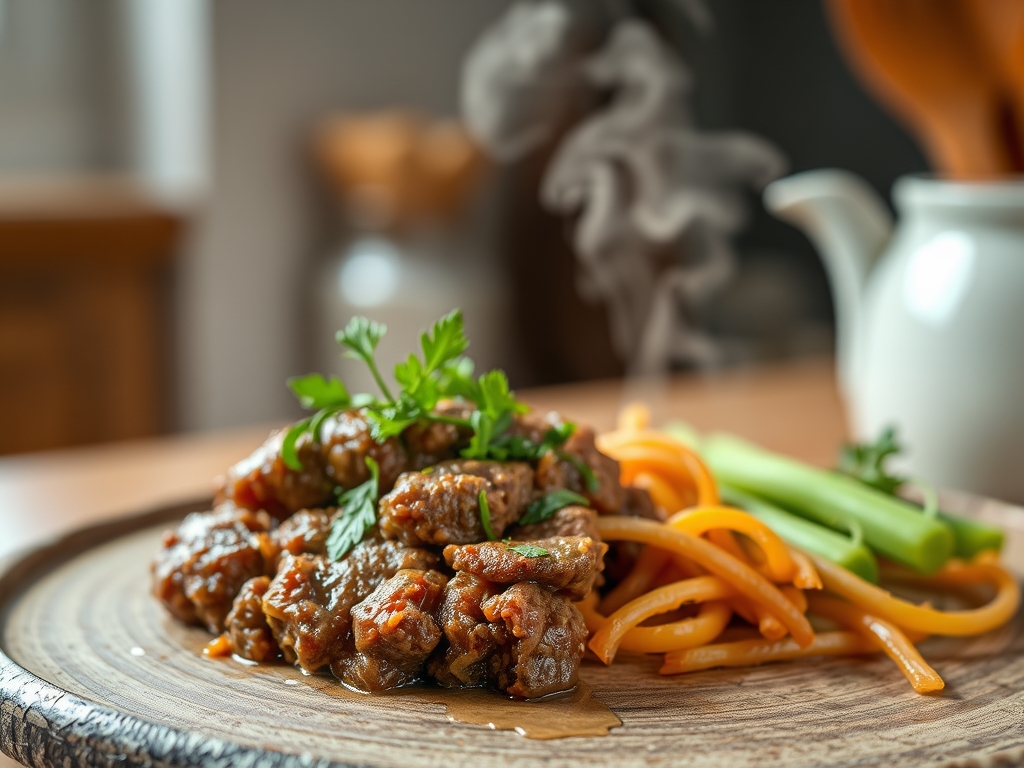
Picture the sizzle of a heavy-bottomed skillet meeting cold fat; that high-pitched hiss is the sound of water evaporating to make room for the glorious Maillard reaction. We have all been there, staring at a pack of supermarket protein and wondering how to transform it into something that does not taste like sad, grey pebbles by Wednesday lunch. Mastering ground beef recipes meal prep is less about following a rigid script and more about understanding the molecular dance of lipids and heat. When you treat ground beef with the respect of a steak, you unlock a depth of flavor that carries through the entire week. We are moving past the basic crumble and into a world where texture, moisture retention, and piquant seasoning profiles reign supreme.
Ground beef is the ultimate culinary chameleon. It is affordable, accessible, and packed with bioavailable iron and B12, making it the gold standard for high-performance meal prepping. However, the secret to success lies in the preparation. If you crowd the pan, you steam the meat; if you under-season, you lose the battle against the refrigerator's flavor-dulling chill. We are going to build nine distinct flavor profiles from one master batch, ensuring your palate never gets bored. From the zip of ginger-infused stir-fries to the rich, viscous comfort of a classic Bolognese, we are turning your kitchen into a high-efficiency flavor lab. Grab your favorite apron and let us get technical.
The Gathers:
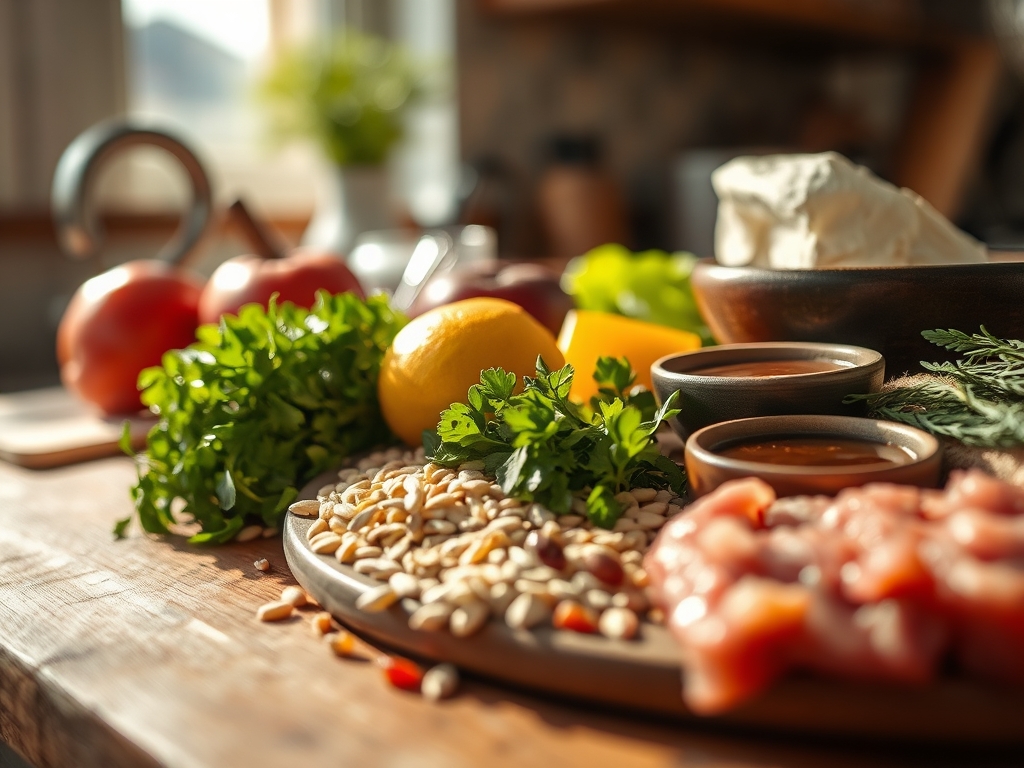
To execute these ground beef recipes meal prep ideas with precision, your mise-en-place must be impeccable. Start with the protein: I recommend an 80/20 or 85/15 lean-to-fat ratio. The fat is where the flavor compounds live, and it provides the necessary lubrication to prevent the meat from becoming desicated during reheating. You will need a digital scale to ensure portion accuracy and a bench scraper to move your aromatics with professional speed.
For the aromatics, gather a mountain of garlic, shallots, and ginger. Use a microplane to zest citrus and grate aromatics into a fine paste; this increases surface area and ensures the flavors infuse the rendering fat instantly. You will also need high-quality fats like avocado oil for high-heat searing and grass-fed butter for finishing. Smart substitutions are your best friend here. If you want to lean out the recipe, swap half the beef for finely minced mushrooms; they mimic the texture and provide a massive hit of umami via glutamic acid. For a keto-friendly binder, swap traditional breadcrumbs for almond flour or crushed pork rinds to maintain structural integrity without the glycemic load.
The Clock
Efficiency in the kitchen is all about "Chef's Flow," which is the art of overlapping tasks to minimize downtime. For this meal prep session, expect a total "active" time of 45 minutes and a "passive" time of 20 minutes for cooling and portioning. While your heavy-bottomed skillet preheats (this takes longer than you think), use that time to dice your mirepoix.
The goal is to cook the beef in two large batches rather than four small ones. This maintains pan temperature and prevents the meat from boiling in its own juices. Once the meat is browned and the fat is rendered, the seasoning phase takes only minutes. By the time the last batch is deglazed, your containers should be lined up like soldiers on the counter. Total time from fridge to finished containers is roughly 65 minutes, giving you nine meals that are nutritionally dense and chef-quality.
The Masterclass
1. The High-Heat Sear
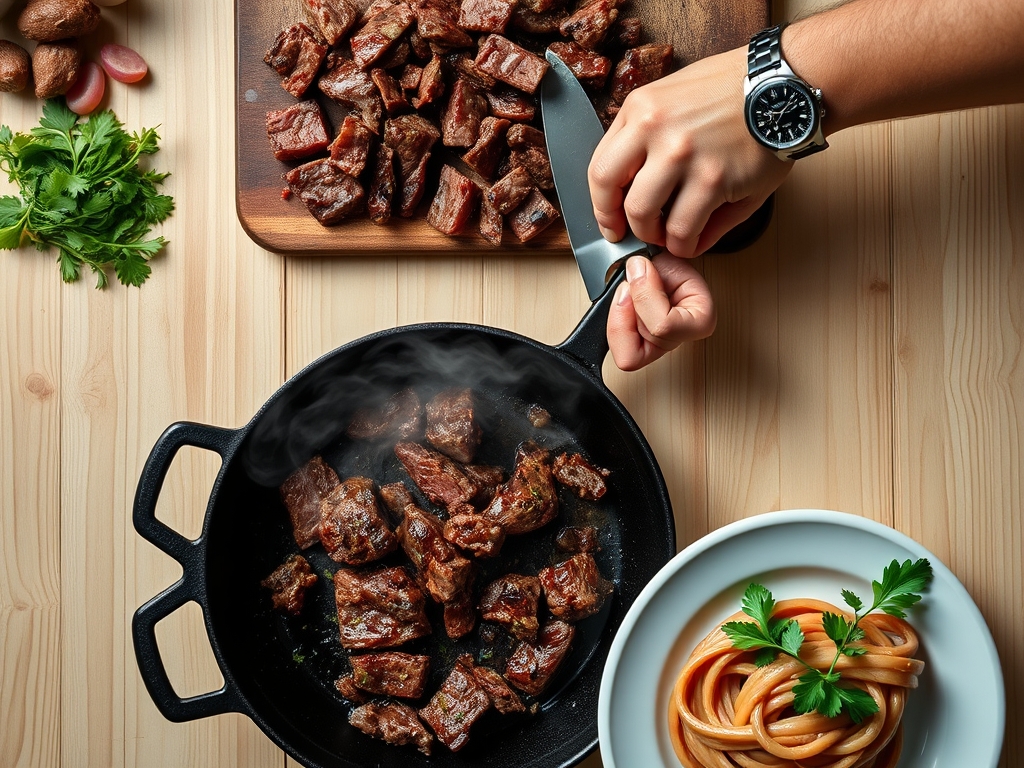
Place your beef in a screaming hot cast-iron or heavy-bottomed skillet. Do not move it for at least three minutes. You want to create a dark, mahogany crust on the bottom. Pro Tip: This is the Maillard reaction in action. By resisting the urge to stir, you allow amino acids and reducing sugars to rearrange into hundreds of flavor compounds that cannot be replicated by boiling or steaming.
2. Rendering the Fat
Once you flip the meat, use a stiff wooden spoon or a meat masher to break the clumps into uniform morsels. As the fat begins to render, it becomes the medium for cooking your aromatics. Pro Tip: Fat is a thermal conductor. If you drain it too early, you lose the ability to evenly distribute heat and flavor throughout the meat, leading to "hot spots" and uneven cooking.
3. Deglazing the Fond
After the meat is browned, remove it but leave the brown bits (the fond) stuck to the bottom. Pour in a splash of beef stock, wine, or even water. Use your spoon to scrape up those bits. Pro Tip: This process captures concentrated flavor molecules that would otherwise be wasted. It creates a built-in sauce that keeps the beef moist during the reheating process later in the week.
4. Infusing the Aromatics
Add your minced garlic, onions, and spices to the deglazed liquid and fat. Sauté until the onions are translucent and the spices are fragrant. Pro Tip: Many spice compounds are fat-soluble, not water-soluble. "Blooming" your spices in the rendered beef fat ensures the flavor is locked into the lipid structure of the meal.
5. The Cooling Phase
Spread the cooked beef on a flat sheet pan in a single layer to cool before portioning. Pro Tip: This prevents "thermal carryover," where the residual heat continues to cook the meat in the center of a deep container. Rapid cooling also prevents condensation, which is the primary cause of soggy, unappealing meal prep.
The Deep Dive
When we look at the macro nutrition of these ground beef recipes meal prep options, we are hitting a powerhouse profile. A standard 4-ounce serving of 85/15 ground beef provides roughly 21 grams of protein and 17 grams of healthy fats. For those following a Keto protocol, this is your holy grail. If you are Gluten-Free, ensure your soy sauce is swapped for tamari or liquid aminos. For a vegan-adjacent swap, lentils cooked in a rich mushroom broth can be folded into the beef to stretch the protein while adding fiber.
The "Fix-It" section is where we save your dinner. If your beef tastes "soapy," you likely used too much dried cilantro or undercooked your onions. Fix it by adding a squeeze of lime juice; the acid cuts through the imbalance. If the meat is too dry, emulsify a teaspoon of cold butter or a tablespoon of bone broth into the portion before reheating. If it is too salty, add a splash of unseasoned rice vinegar or a dollop of Greek yogurt to neutralize the sodium perception on the tongue.
Reheating is a science. Never use high power on your microwave. Instead, use 50 percent power and add a damp paper towel over the container. This creates a micro-steaming environment that prevents the fats from "popping" and the proteins from becoming rubbery.
The Wrap-Up
You are now armed with the technical prowess to turn a humble package of ground beef into a week of culinary triumphs. By focusing on the Maillard reaction, proper deglazing, and the "Chef's Flow" of meal prep, you have elevated your kitchen game from amateur to authoritative. Remember, the best ground beef recipes meal prep is the one that makes you excited to open your lunchbox. Experiment with different aromatics, trust your heavy-bottomed skillet, and never be afraid of a little extra deglazing liquid. You have got the science; now go make it delicious.
The Kitchen Table
How long does meal prepped ground beef last?
When stored in an airtight container at or below 40 degrees Fahrenheit, cooked ground beef remains safe and flavorful for three to four days. Always ensure the meat has cooled completely before sealing the lid to prevent bacterial growth from condensation.
Can I freeze cooked ground beef meals?
Yes, cooked ground beef freezes exceptionally well. Use vacuum-sealed bags or freezer-safe glass containers to prevent freezer burn. For the best texture, consume frozen meals within three months and thaw them in the refrigerator overnight before reheating.
What is the best way to reheat ground beef?
To maintain moisture, reheat ground beef in a skillet over medium heat with a splash of broth. If using a microwave, use the medium power setting and cover the dish with a damp paper towel to create a gentle steam.
Why does my ground beef turn grey when cooking?
Grey meat occurs when the pan is overcrowded, causing the beef to steam in its own moisture rather than sear. To fix this, cook in smaller batches and ensure your skillet is preheated until the oil is shimmering before adding the protein.