
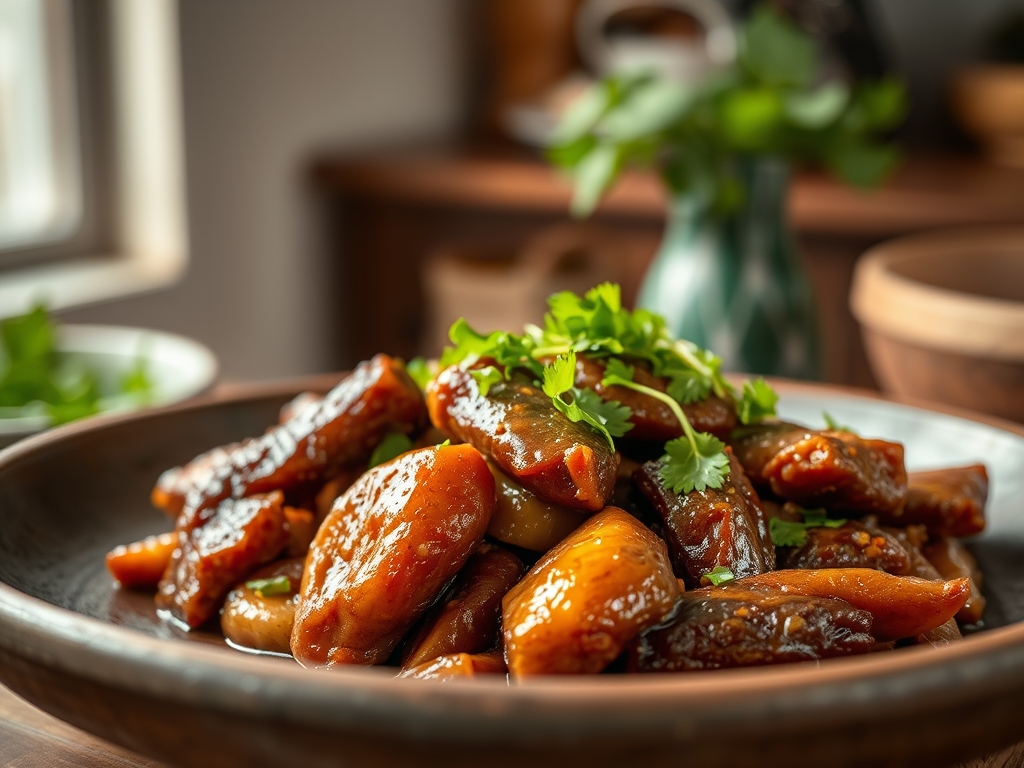
Imagine the scent of star anise and toasted ginger drifting through your hallway at 4:00 PM. That is the magic of slow cooker chinese beef recipes; they transform tough, inexpensive cuts into velvet ribbons of protein while you are busy conquering your day. This isn't just a meal. It is a masterclass in patience and chemistry that results in a bowl of pure comfort.
The beauty of the slow cooker is its ability to maintain a steady, low temperature that breaks down collagen without drying out the muscle fibers. When you lift the lid, the steam carries the aromatic weight of fermented soy and aromatic aromatics. It is the ultimate kitchen hack for anyone who craves the depth of traditional Cantonese braising but lacks the time to stand over a flaming wok. We are going to dive deep into the mechanics of heat and flavor to ensure your next batch is better than any takeout you have ever ordered.
The Gathers:
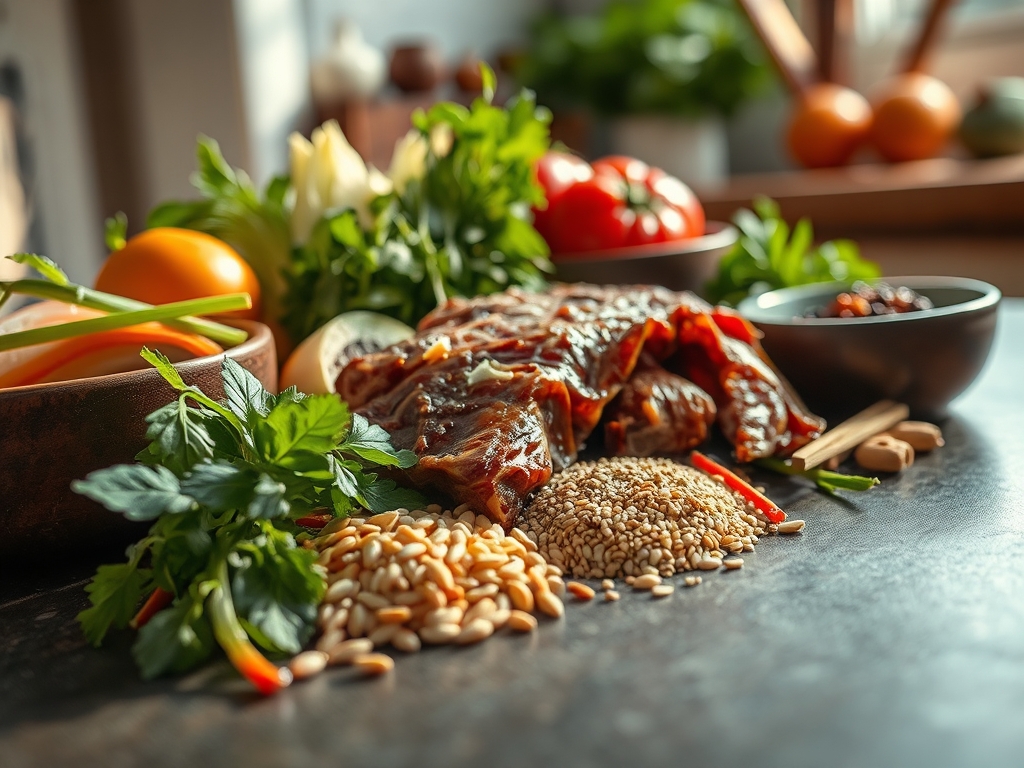
To achieve professional results, your mise-en-place must be precise. Start with a high-quality chuck roast or brisket. These cuts are rich in connective tissue, which is essential for that viscous mouthfeel we love. You will need a microplane for your ginger and garlic to ensure they melt into the sauce rather than leaving gritty chunks. Grab your digital scale to measure out 500 grams of beef, as volume measurements for meat are notoriously inaccurate.
Your pantry staples include dark soy sauce for color, light soy sauce for salinity, and Shaoxing wine for that essential piquant fermented note. If you cannot find Shaoxing wine, a dry sherry is a smart substitution that mimics the oxidative profile. For sweetness, use coconut sugar or brown sugar to encourage Maillard reaction complexity. A splash of toasted sesame oil added at the very end will infuse the dish with a nutty aroma that heat would otherwise destroy. Finally, keep some cornstarch on hand; it is the secret to creating a glossy, restaurant-style glaze that clings to every fiber of the meat.
The Clock: Timing the Tenderness
The "Chef's Flow" for slow cooker chinese beef recipes is all about front-loading the effort. Your active prep time is approximately 20 minutes. This includes the crucial step of searing the meat in a heavy-bottomed skillet to develop a crust. Once the ingredients are in the ceramic croak, the passive phase begins.
For a standard 1.5-pound roast, set your device to "Low" for 7 to 8 hours. While "High" for 4 hours works in a pinch, the lower temperature allows for a more controlled denaturation of proteins, preventing the meat from becoming stringy or "mealy." The final 15 minutes are reserved for the "Thickening Phase," where you whisk in your slurry and allow the sauce to reach its peak viscosity.
The Masterclass:
1. The Sear and Deglaze
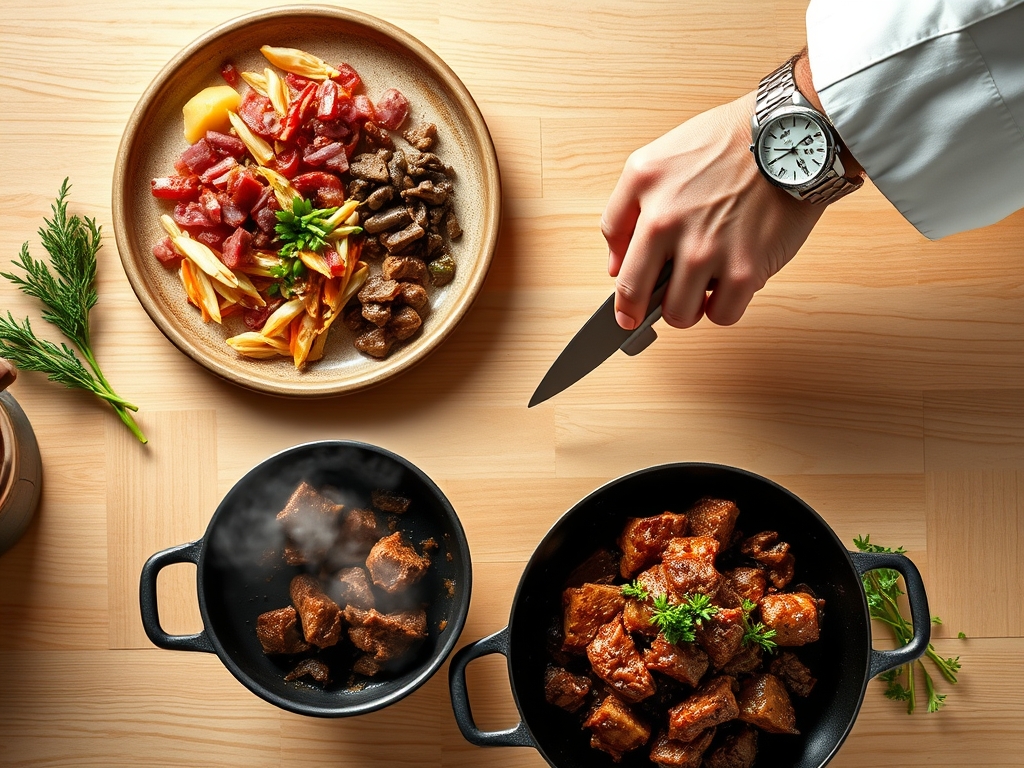
Before the beef ever touches the slow cooker, you must sear it in a smoking hot heavy-bottomed skillet. Use tongs to turn the cubes, ensuring a deep mahogany crust on all sides. Once the meat is removed, use a splash of beef stock to deglaze the pan, scraping up the browned bits known as fond.
Pro Tip: This step utilizes the Maillard reaction, a chemical reaction between amino acids and reducing sugars that creates hundreds of different flavor compounds. Skipping this results in a "boiled" flavor profile that lacks depth.
2. Aromatics and Infusion
Place your seared beef into the slow cooker and top with your microplane-grated ginger, garlic, and star anise. Pour over your liquid mixture of soy sauces and Shaoxing wine. Use a bench scraper to neatly transfer any chopped green onions or chilies into the pot.
Pro Tip: Aromatics are fat-soluble. By placing them in direct contact with the rendering beef fat at the bottom of the pot, you infuse the entire liquid base with a more potent, well-rounded spice profile through molecular diffusion.
3. The Long Braise
Set your slow cooker to the low setting. Cover it tightly and resist the urge to peek. Every time you lift the lid, you lose significant heat and moisture, which can add 20 minutes to your total cook time.
Pro Tip: During this phase, collagen conversion occurs. At temperatures between 160 and 180 degrees Fahrenheit, tough collagen transforms into gelatin. This is what gives the beef its "melt-in-your-mouth" texture and creates a silky sauce.
4. The Glossy Finish
Once the meat is tender, use a saucier or small pot to simmer the leftover liquid with a cornstarch slurry (equal parts starch and cold water). Whisk constantly until the sauce becomes translucent and thick enough to coat the back of a spoon.
Pro Tip: This process is called starch gelatinization. The starch granules swell and burst, trapping water molecules and increasing the liquid's viscosity. It ensures the flavor stays on the beef rather than puddling at the bottom of the bowl.
The Deep Dive: Science and Solutions
From a macro nutrition perspective, this dish is a protein powerhouse. A standard serving contains roughly 35 grams of protein and 12 grams of fat. To keep it Keto-friendly, swap the sugar for monk fruit sweetener and use xanthan gum instead of cornstarch. For a Gluten-Free version, simply replace the soy sauce with tamari or liquid aminos.
If you encounter "The Fix-It" scenarios, do not panic. If your sauce is too salty, add a splash of rice vinegar or lime juice; the acid masks the sodium perception. If the meat is tough after 8 hours, it likely hasn't reached the internal temperature required for collagen breakdown; give it another hour. If the sauce is too thin, temper in more slurry, but never add dry starch directly to hot liquid or it will clump.
For meal prep, reheating is a science. To maintain "day-one" quality, reheat the beef in a pan over medium heat with a tablespoon of water. This creates steam that re-hydrates the gelatin, preventing the meat from becoming rubbery in the microwave.
The Wrap-Up:
Mastering slow cooker chinese beef recipes is about more than just "setting and forgetting." It is about understanding how heat, acid, and time interact to create something far greater than the sum of its parts. By using professional tools like a heavy-bottomed skillet for searing and a microplane for aromatics, you elevate a humble home meal into a culinary event. Now, go grab your slow cooker and start rendering that deliciousness. Your future self will thank you when dinner is served!
The Kitchen Table:
Why is my slow cooker beef still tough?
Beef remains tough if the collagen hasn't fully converted to gelatin. This usually happens if the cook time was too short or the temperature was too low. Continue cooking on low for another 60 minutes until the fibers easily separate.
Can I put frozen beef in the slow cooker?
No, you should never put frozen meat in a slow cooker. It stays in the "danger zone" for bacterial growth too long before reaching a safe temperature. Always thaw your beef completely in the refrigerator before starting the recipe.
How do I make the sauce thicker?
Whisk one tablespoon of cornstarch with one tablespoon of cold water to create a slurry. Stir this into the hot liquid during the last 15 minutes of cooking. The heat will activate the starch, creating a thick, glossy glaze.
What is the best cut of beef for slow cooking?
Chuck roast is the gold standard for slow cooking. It contains the perfect ratio of muscle to connective tissue. As the collagen breaks down over several hours, it bastes the meat from the inside, ensuring a succulent and tender result.