
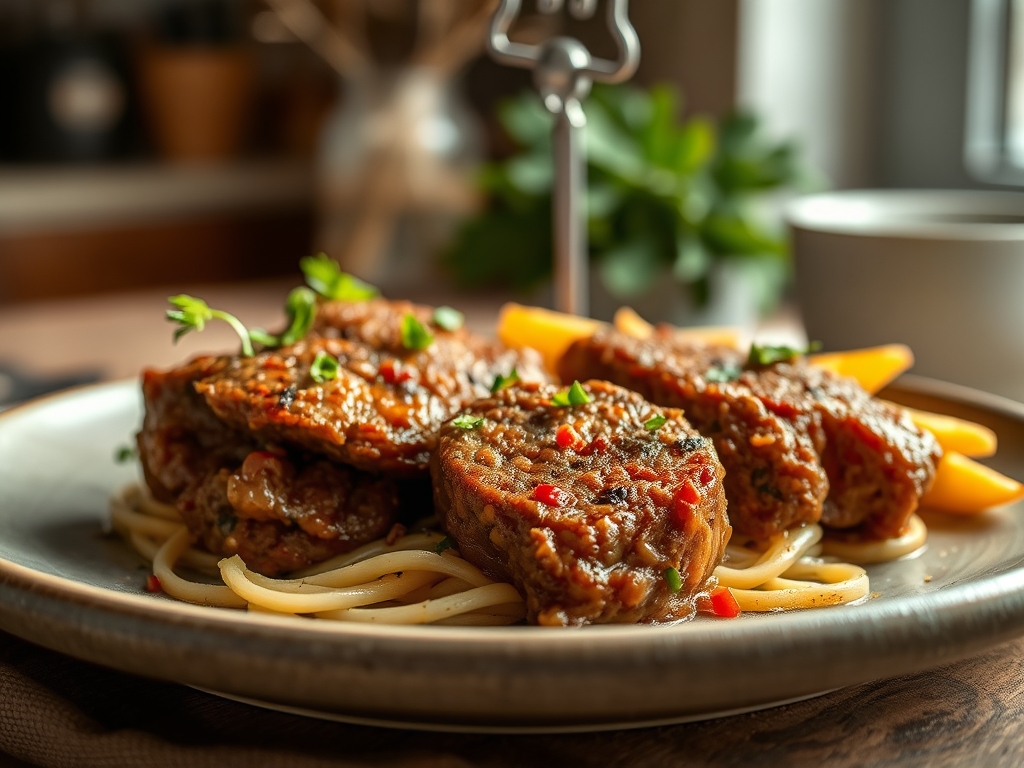
Picture the sound of a heavy-bottomed skillet meeting a flame; it is the rhythmic percussion of a kitchen in motion. There is a specific, primal magic that happens when cold protein hits a searing surface, releasing a cloud of savory aromatics that instantly signals home. Whether you are craving the nostalgic comfort of a glazed meatloaf or the piquant zing of street tacos, mastering the top ground beef recipes is your definitive ticket to culinary sovereignty. We are not just making dinner; we are engineering flavor through the lens of molecular transformation.
The beauty of ground beef lies in its surface area. Unlike a solid steak, ground meat offers millions of tiny crevices ready to undergo the Maillard reaction, that glorious chemical dance between amino acids and reducing sugars that creates a deep, umami crust. To truly elevate these nine dishes, from silky Bolognese to the perfect smash burger, you must understand how to manage moisture and fat. We are going to dive deep into the mechanics of heat, the chemistry of binders, and the art of the sear. Grab your apron; we are about to turn a humble pound of chuck into a five-star masterpiece.
The Gathers:
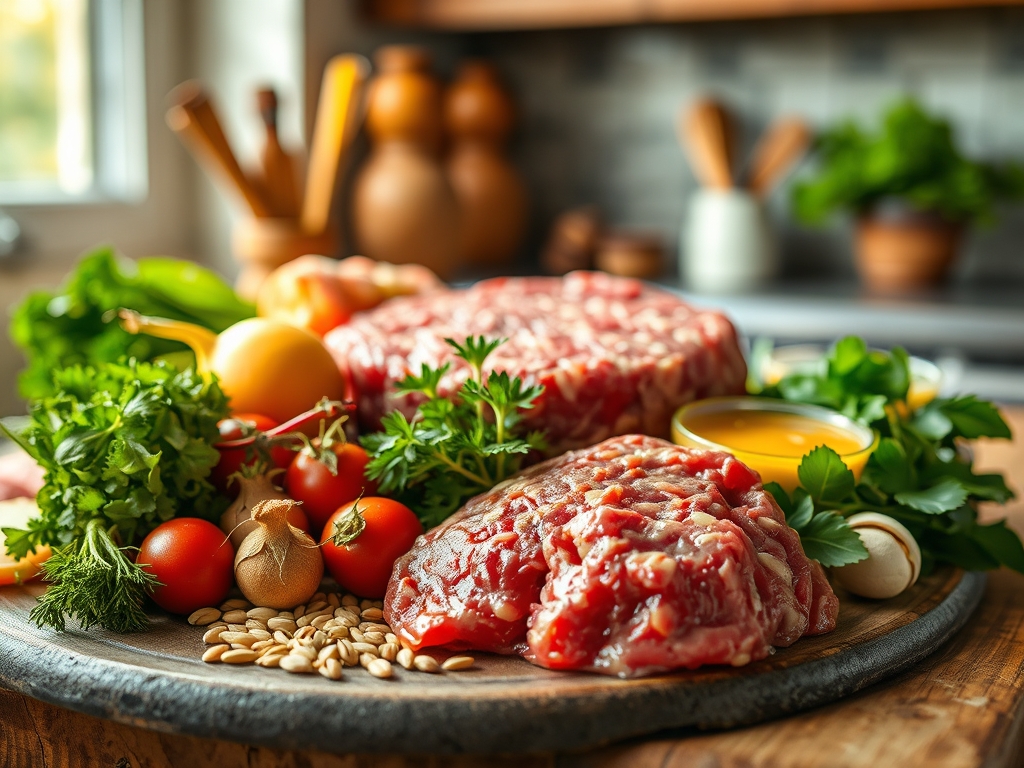
To execute the top ground beef recipes with precision, your mise-en-place must be impeccable. Start with the protein itself; look for an 80/20 lean-to-fat ratio. This specific balance ensures there is enough intramuscular fat to render out and lubricate the muscle fibers, preventing a dry, granular texture. You will need a high-quality kosher salt to denature the proteins, which helps the meat retain moisture during the turbulent evaporation process of high-heat cooking.
Your aromatics are the backbone of these dishes. Gather yellow onions for their high sugar content, which facilitates caramelization, and fresh garlic cloves. Use a microplane to grate your garlic into a fine paste; this increases the surface area and allows the sulfurous compounds to infuse the fat more efficiently than a standard dice. For acids, keep a bottle of aged balsamic or a bright red wine vinegar nearby to deglaze your pan and lift the heavy fats.
Smart Substitutions:
If you are looking to lighten the caloric density, you can swap half of the beef for finely minced cremini mushrooms. This is known as "The Blend" technique. Mushrooms share a similar cellular structure to meat and are rich in guanylate, a compound that amplifies umami. If you lack panko breadcrumbs for your meatballs, toasted sourdough pulsed in a food processor provides a more robust, aerated structure that prevents the meat from becoming overly dense.
The Clock:
Efficiency in the kitchen is about understanding the "Chef's Flow." For most of these top ground beef recipes, you are looking at a 15-minute preparation window followed by a variable cook time. A quick-fire taco meat or stir-fry takes roughly 10 minutes over high heat, while a complex ragu or meatloaf requires a 45-to-60-minute investment to allow collagen to break down and flavors to marry.
The flow begins with the "Cold Prep" (chopping vegetables) and moves into the "Active Sear." Never crowd the pan; doing so drops the surface temperature of your skillet, causing the meat to steam in its own juices rather than brown. If you are making multiple dishes for meal prep, use a digital scale to portion your meat exactly, ensuring consistent cook times across the board.
The Masterclass:
1. The Tempering Phase
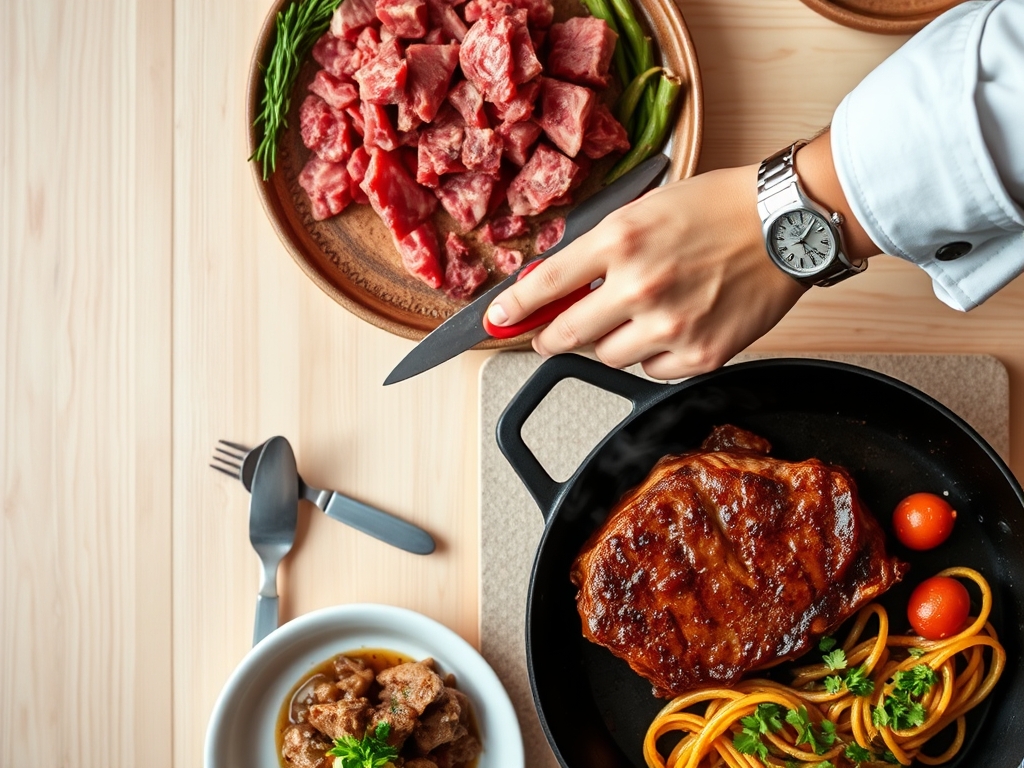
Before the meat ever touches the pan, remove it from the refrigerator for 20 minutes. This reduces the thermal shock when the beef hits the hot metal, allowing for a more even heat distribution throughout the protein.
Pro Tip: This is about thermal equilibrium. If the meat is too cold, the exterior will overcook and become tough before the interior reaches the safe temperature of 160 degrees Fahrenheit.
2. The High-Heat Sear
Heat your heavy-bottomed skillet until a drop of water flicked onto the surface beads up and dances. Add a high-smoke-point oil, then add the beef in a flat layer. Do not touch it for at least three minutes.
Pro Tip: This patience facilitates the Maillard reaction. Moving the meat too early prevents the formation of the "fond," those brown bits stuck to the pan that contain concentrated flavor molecules.
3. The Fat Management
As the beef cooks, use a stiff spatula or a meat masher to break the clumps into uniform crumbles. Once the meat is browned, tilt the pan and use a spoon to remove excess rendered fat, leaving just enough to coat the aromatics.
Pro Tip: Excess fat can prevent sauces from emulsifying. By removing the surplus, you ensure your final sauce is silky and viscous rather than greasy and separated.
4. The Aromatic Infusion
Push the meat to the perimeter of the pan and add your onions and garlic to the center. Sauté until translucent before stirring them into the beef. This allows the vegetables to soften in the residual heat without burning.
Pro Tip: This is "layering." By cooking the aromatics in the rendered beef fat, you are performing a fat-soluble flavor extraction, pulling the essential oils out of the spices and vegetables.
5. The Deglazing Step
Pour in a splash of liquid; wine, stock, or even a bit of pasta water. Use a wooden spoon or a bench scraper to scrub the bottom of the pan, releasing the caramelized proteins into the liquid.
Pro Tip: This process captures the "fond." The liquid acts as a solvent, dissolving the complex sugars and proteins created during the sear and incorporating them back into the dish for maximum depth.
The Deep Dive:
Macro Nutrition:
Ground beef is a nutritional powerhouse, providing high-quality heme iron, which is more easily absorbed by the body than plant-based iron. A standard 4-ounce serving of 80/20 beef contains approximately 20 grams of protein and 250 calories. It is also an excellent source of Vitamin B12 and Zinc, essential for metabolic function and immune health.
Dietary Swaps:
For a Keto-friendly version of these top ground beef recipes, replace traditional pasta with zoodles or spaghetti squash. If you are going Gluten-Free, use crushed pork rinds or almond flour as a binder in meatloaves and meatballs. For a Vegan alternative, high-quality soy-based crumbles or lentil-walnut mixtures can mimic the texture, though you will need to add a teaspoon of liquid smoke to replicate the charred flavor of beef.
The Fix-It:
- The Meat is Gray and Steaming: Your pan was too crowded or not hot enough. Fix: Remove the meat, wipe the pan, reheat until smoking, and sear in smaller batches.
- The Sauce is Too Salty: This often happens when sauces reduce too much. Fix: Add a splash of heavy cream or a peeled potato to the sauce; the potato will absorb excess salt as it simmers.
- The Meatballs are Tough: You likely over-worked the meat, causing the proteins to cross-link too tightly. Fix: Next time, fold the ingredients together gently with your hands and add a "panade" (a paste of bread and milk) to keep them tender.
Meal Prep & Reheating:
To maintain "day-one" quality, reheat ground beef dishes gently. Avoid the microwave if possible; instead, use a saucier over medium-low heat and add a tablespoon of water or broth. This creates steam that re-hydrates the protein fibers without overcooking them.
The Wrap-Up:
Mastering the top ground beef recipes is less about following a rigid script and more about understanding the physics of your kitchen. When you learn to control the sear, manage the fat, and deglaze with intention, you transform a simple grocery staple into a culinary event. These dishes are the backbone of a vibrant, flavor-forward lifestyle. Now, go forth with your tongs and your skillet, and turn that pound of beef into something truly legendary. Your kitchen is your laboratory; make it delicious!
The Kitchen Table:
Why does my ground beef turn gray instead of brown?
This occurs when the pan is overcrowded, causing the meat to steam in its own moisture. To fix this, cook in smaller batches and ensure your skillet is scorching hot before adding the protein to trigger the Maillard reaction.
What is the best fat ratio for burgers versus sauces?
For burgers, an 80/20 ratio is ideal for juiciness. For sauces like Bolognese, a 90/10 ratio is often preferred to prevent the final dish from becoming overly oily, as the sauce will simmer for a longer duration.
Can I freeze cooked ground beef dishes safely?
Yes, cooked ground beef freezes beautifully for up to three months. Ensure the dish is completely cooled before sealing it in an airtight container to prevent ice crystals and freezer burn from compromising the texture of the meat.
How do I make my meatballs stay tender and moist?
Avoid over-mixing the meat, which develops too much collagen and creates a rubbery texture. Use a panade of breadcrumbs soaked in milk to provide a moisture reservoir that keeps the meatballs tender during the high-heat cooking process.