
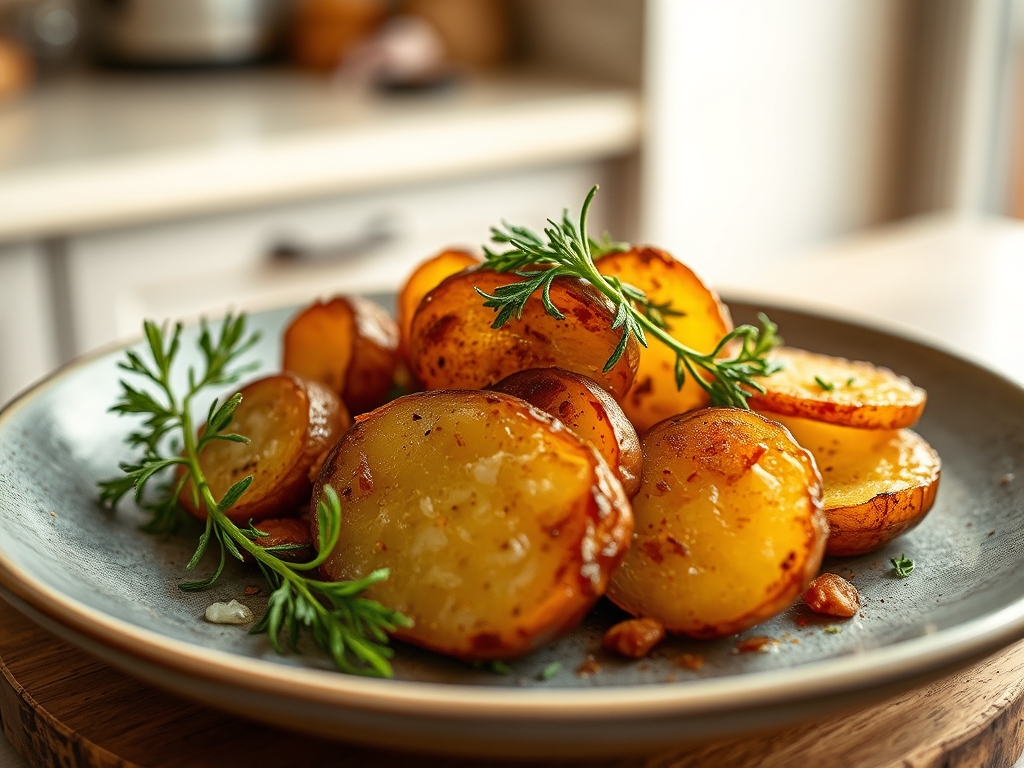
Picture the scent of cold, wet earth and the satisfying weight of a Russet in your palm. Now, imagine the absolute chaos of a Tuesday night when you are staring at a bag of spuds that are about to sprout eyes. We have all been there. The secret to reclaiming your evening lies in mastering freezer potato recipes that actually preserve the integrity of the starch. Most people think freezing a potato turns it into a gritty, watery mess; however, if you understand the cellular structure of these tubers, you can lock in that fluffy, buttery texture indefinitely. We are going to bypass the mush and head straight for culinary gold. By the time we are done, your freezer will be a curated gallery of ready to go side dishes that taste like they were harvested five minutes ago. We are talking about high density prep that respects the science of the Maillard reaction and the delicate nature of amylopectin. Let us dive into the cold storage revolution together.
The Gathers:
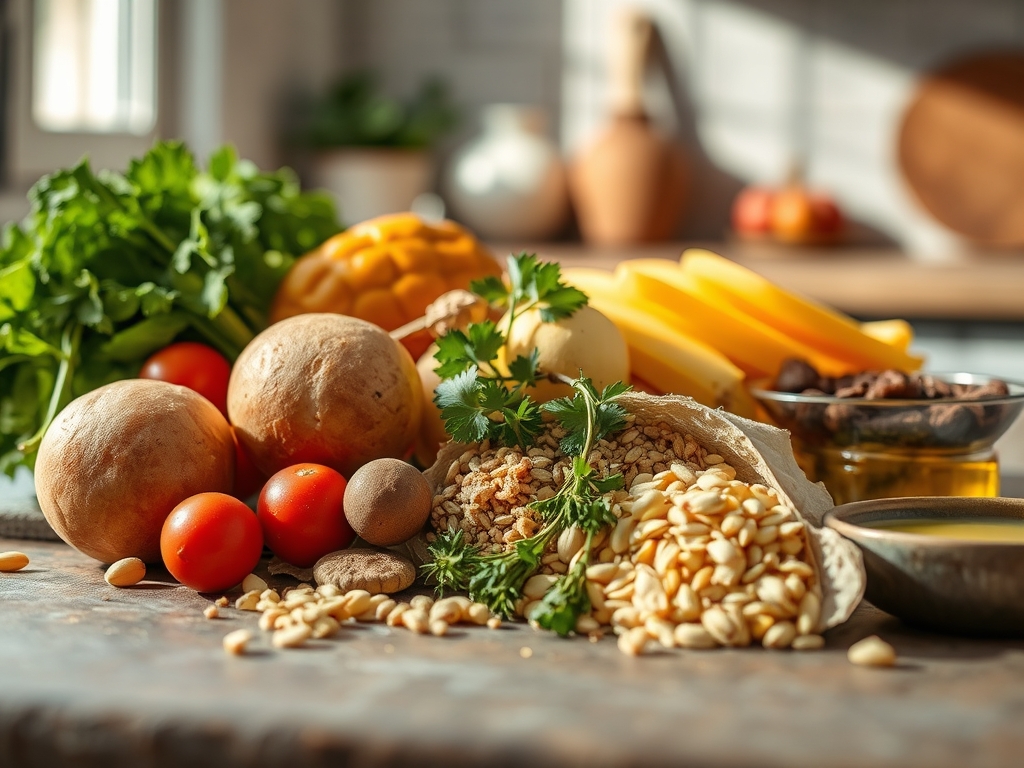
Setting up your station is the difference between a messy kitchen and a streamlined production line. You will need high starch Russets for frying and waxy Yukon Golds for anything involving a creamy mouthfeel. Grab your digital scale to ensure uniformity; consistency is the bedrock of even freezing. You will also need a bench scraper to move your diced treasures without bruising the delicate flesh.
For the liquids, have a high quality olive oil and heavy cream ready to infuse with aromatics like rosemary or roasted garlic. If you are looking for Smart Substitutions, swap the heavy cream for full fat coconut milk to maintain a viscous texture in vegan mashes. Instead of standard table salt, use smoked sea salt to add a piquant depth that survives the freezing process. Ensure your heavy-bottomed skillet is clean and ready for the initial par-cook.
The Clock
Efficiency is about "Chef's Flow," which means grouping tasks to minimize movement. Expect to spend about 45 minutes on active prep for a batch that yields ten different meal starters. The cooking time varies by method, but most par-boiling takes 8 to 12 minutes. The real time saver is the "Flash Freeze" phase. This requires 2 hours of passive time where the potatoes sit on a parchment lined tray. By investing this hour on a Sunday, you shave 30 minutes off every weeknight dinner. You are not just cooking; you are engineering your future free time.
The Masterclass
1. The Precision Peel and Dice
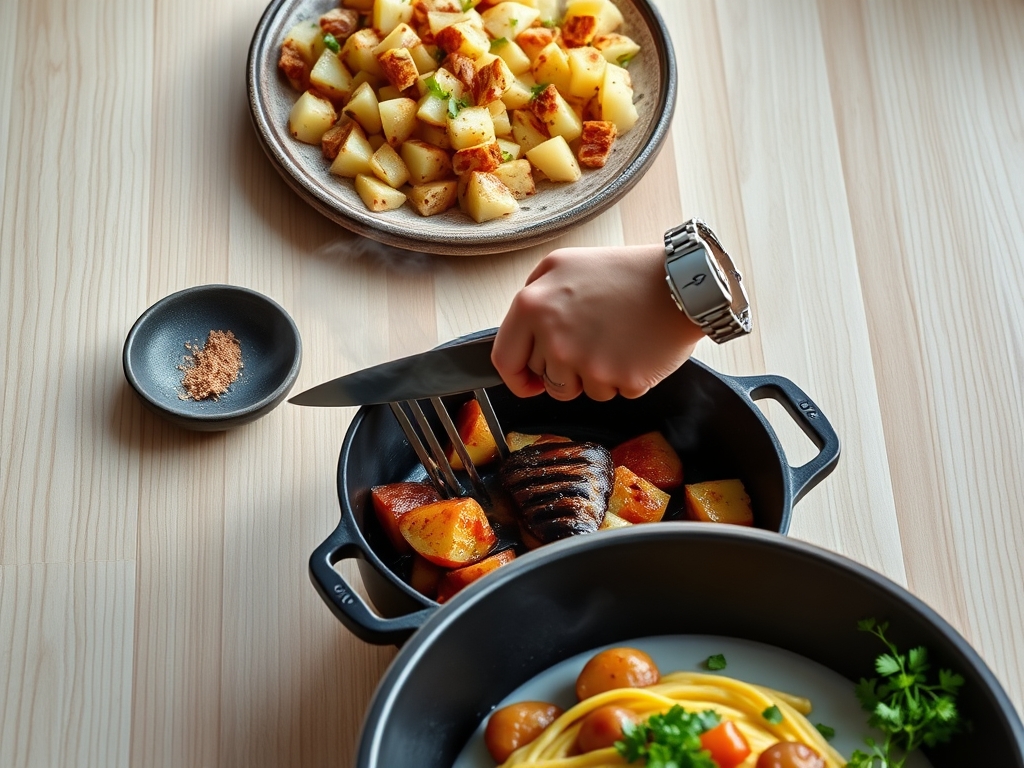
Start by peeling your potatoes and dicing them into uniform cubes using a sharp chef's knife. Uniformity is not just for aesthetics; it ensures that every piece reaches the same internal temperature simultaneously. Use your bench scraper to transfer them into a bowl of cold water immediately.
Pro Tip: This water bath prevents enzymatic browning. When you cut a potato, you rupture the cells and release polyphenol oxidase. Submerging them blocks oxygen and keeps the flesh pristine.
2. The Blanching Ritual
Bring a large saucier of salted water to a rolling boil. Drop the potatoes in for exactly five minutes. You are looking for "fork-tender" on the outside but still firm in the center. This is called par-boiling.
Pro Tip: Blanching deactivates the enzymes that cause flavor and color degradation in the freezer. It also gelatinizes the surface starch, which creates a crispier crust later.
3. The Shock Treatment
Immediately move the potatoes from the boiling water into an ice bath using tongs or a slotted spoon. This stops the cooking process instantly.
Pro Tip: This prevents thermal carryover. If you do not shock them, the residual heat will continue to cook the starch, leading to a mealy texture once thawed.
4. The Surface Dehydration
Spread the cooled potatoes on a clean kitchen towel and pat them completely dry. Any surface moisture will turn into ice crystals, which causes freezer burn and oil splatters during reheating.
Pro Tip: Dry potatoes promote the Maillard reaction. Water is the enemy of browning; removing it allows the sugars and amino acids to react faster when they hit the pan.
5. The Flash Freeze
Place the dry potatoes on a baking sheet in a single layer. Ensure they are not touching. Slide the tray into the freezer for two hours until they are rock hard.
Pro Tip: Flash freezing prevents the pieces from clumping into a giant frozen brick. It allows you to grab exactly what you need for a single serving.
6. The Fat Infusion
For mashed potato pucks, fold in your butter and cream while the potatoes are still warm. Use a microplane to zest in some fresh garlic or nutmeg for an aromatic punch.
Pro Tip: Fat acts as a protective barrier around the starch granules. This emulsification prevents the water from separating when the potatoes are reheated.
7. The Vacuum Seal
Transfer your flash frozen potatoes into airtight bags. Use a straw to suck out the excess air or a vacuum sealer if you have one. Label them with the date and potato type.
Pro Tip: Reducing oxygen exposure prevents oxidation. Even in a frozen state, oxygen can slowly degrade the lipids in the potato, leading to an "off" freezer taste.
8. The Twice Baked Prep
Scoop out the centers of baked potatoes, mix with cheese and herbs, and pipe them back into the skins. Freeze these individually wrapped in foil.
Pro Tip: The skin acts as a natural insulator. This structure helps maintain the aerated fluffiness of the filling during the sublimation process in the freezer.
9. The Shredded Hashbrown Block
Grate raw potatoes, squeeze out every drop of liquid using a cheesecloth, and press them into silicone molds. Freeze until solid.
Pro Tip: Squeezing out the liquid removes excess amylose. This prevents the hashbrowns from becoming a soggy, gray mass and ensures a shatteringly crisp finish.
10. The Saucier Reduction
If you are freezing potato soup bases, ensure the liquid is highly concentrated. You can always add water or broth later, but a concentrated base saves freezer space.
Pro Tip: A dense, viscous base freezes more evenly than a thin, watery one. This prevents the formation of large ice crystals that can break down the soup's texture.
The Deep Dive
From a Macro Nutrition perspective, potatoes are a powerhouse of potassium and complex carbohydrates. By freezing them yourself, you control the sodium and fat content, unlike store bought versions. For Dietary Swaps, use nutritional yeast for a cheesy flavor in vegan recipes, or swap potatoes for cauliflower in a keto-friendly mash.
If you hit a snag, here is The Fix-It: If your potatoes turn gray, you skipped the acid or the blanching; add a teaspoon of lemon juice to the water next time. If they are watery upon reheating, you likely had too much surface moisture; try roasting them directly from frozen to evaporate the excess. If they are gritty, you used the wrong potato; stick to Russets for fluffy textures. For Meal Prep reheating, always use a high heat source like an air fryer or a heavy-bottomed skillet to restore that "day-one" crispness.
The Wrap-Up
Mastering freezer potato recipes is like giving a gift to your future self. You have harnessed the power of starch science to create a kitchen that works for you, not against you. No more wasted produce or lackluster side dishes. Just pure, starchy brilliance ready at the pull of a drawer. Go forth and fill that freezer with confidence!
The Kitchen Table
Can you freeze raw potatoes?
No, raw potatoes have high water content that turns into large ice crystals. This destroys the cellular structure, leaving them black and mushy. Always blanch or fully cook potatoes before freezing to maintain their integrity and flavor.
How long do frozen potato recipes last?
When stored in airtight containers or vacuum sealed bags, frozen potatoes maintain peak quality for about three months. Beyond that, they are safe to eat but may begin to develop freezer burn or lose their vibrant texture and taste.
Do I need to thaw potatoes before cooking?
For the best texture, cook frozen potatoes directly from the freezer. Thawing can make them soggy. High heat methods like roasting, air frying, or sautéing work perfectly to evaporate residual moisture while crisping the exterior beautifully.
Why did my mashed potatoes turn gummy?
Gumminess happens when you overwork the starch. If you use a food processor, the blades rupture the starch granules, releasing a sticky glue. Use a potato ricer or masher for a light, aerated texture that survives the freezing process.