
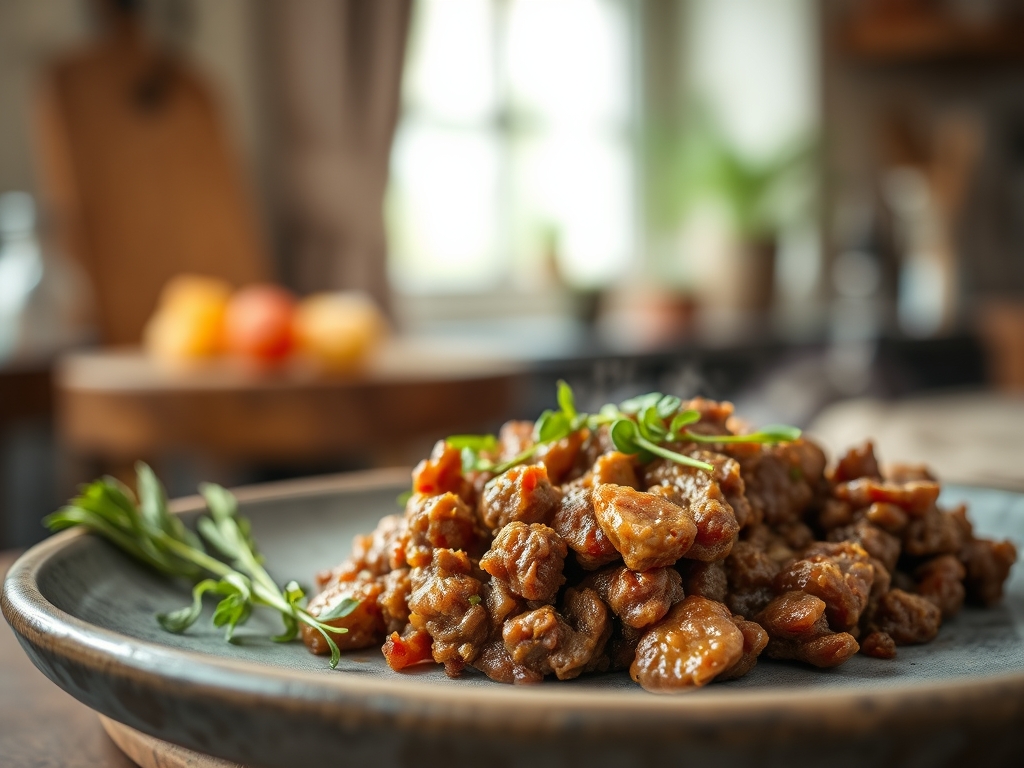
Imagine the scent of searing protein hitting a heavy-bottomed skillet; it is that distinct, nutty aroma of the Maillard reaction that signals something incredible is happening. We are moving far beyond the basic burger or the tired Tuesday taco. When searching for interesting ground beef recipes, you deserve a culinary upgrade that utilizes molecular science to transform humble mince into a five-star masterpiece.
Ground beef is the ultimate chameleon of the kitchen. It is high in bioavailable iron and rich in oleic acid; yet, most home cooks treat it with far too much caution. We are going to explore how to manipulate fat ratios and heat to create textures you never thought possible. Whether we are infusing the meat with piquant spices or using a viscous glaze to create a lacquered crust, these six ideas will redefine your weeknight rotation. Get your digital scale and your sharpest chef knife ready. We are about to turn a simple pound of beef into a technical triumph that tastes like pure luxury.
The Gathers:
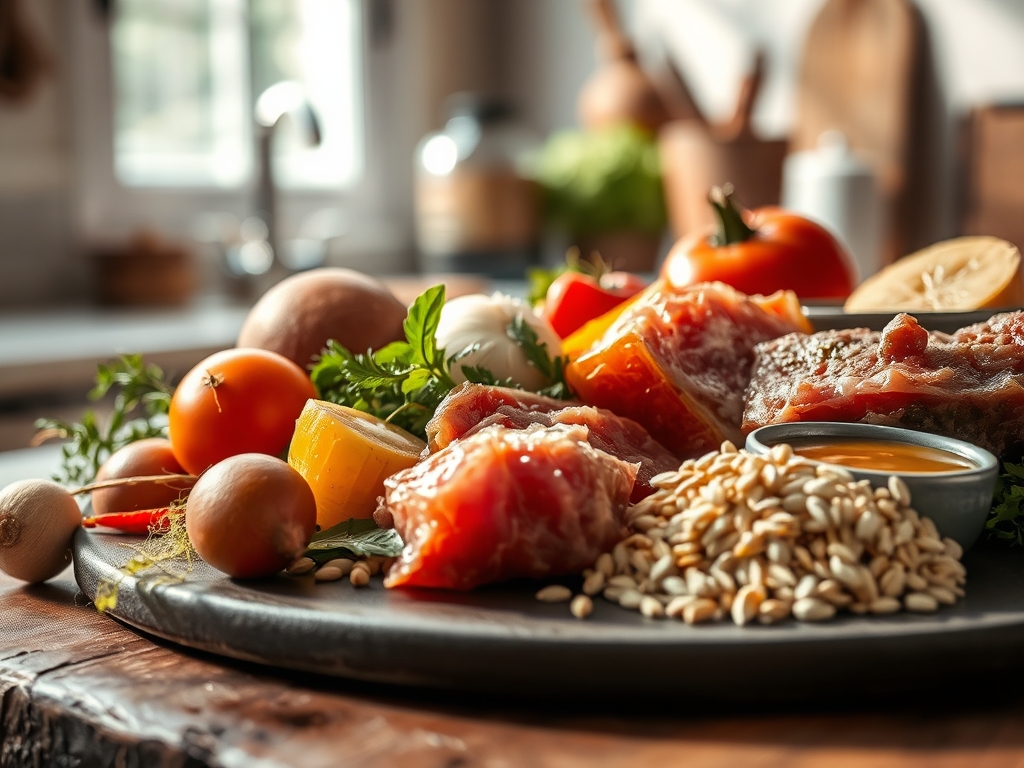
To execute these interesting ground beef recipes, your mise-en-place must be precise. Start with a high-quality 80/20 blend. This specific ratio ensures there is enough intramuscular fat to render down and create a moist mouthfeel without becoming greasy. You will need aromatics like shallots and garlic, which contain sulfur compounds that mellow and sweeten when exposed to thermal energy.
For the liquids, keep a bottle of high-quality fish sauce and balsamic vinegar nearby. These act as umami boosters; the glutamate in the fish sauce amplifies the beefy profile without adding a "fishy" taste. Your tool kit should include a microplane for aerating hard cheeses and citrus zest; a sturdy bench scraper for portioning; and a saucier for reducing glazes to a syrupy consistency.
Smart Substitutions: If you are looking to lighten the caloric load, you can swap 25 percent of the beef for finely minced cremini mushrooms. This is known as "The Blend." Mushrooms share the same savory ribonucleotides as beef, so you maintain the flavor profile while increasing fiber and reducing saturated fat. If you lack a specific spice like cumin, toasted coriander seeds provide a similar earthy vibration with a brighter, citrusy finish.
The Clock
Efficiency in the kitchen is all about "Chef's Flow." This is the practice of overlapping tasks so that no heat is wasted. For these recipes, expect a total active prep time of 20 minutes and a cook time of 15 to 25 minutes depending on the desired crust.
The flow begins with the "Cold Start" prep. Chop your aromatics and measure your spices before the skillet even touches the burner. Once the pan is hot, the process moves quickly. You will spend the first 8 minutes rendering fat and developing a deep brown crust. The final 10 minutes are reserved for "The Infusion," where you add your liquids and allow the flavors to marry. Always factor in a 5-minute rest period; this allows the muscle fibers to relax and reabsorb the juices that were pushed to the center during the cooking process.
The Masterclass
1. The High-Heat Sear and Deglaze
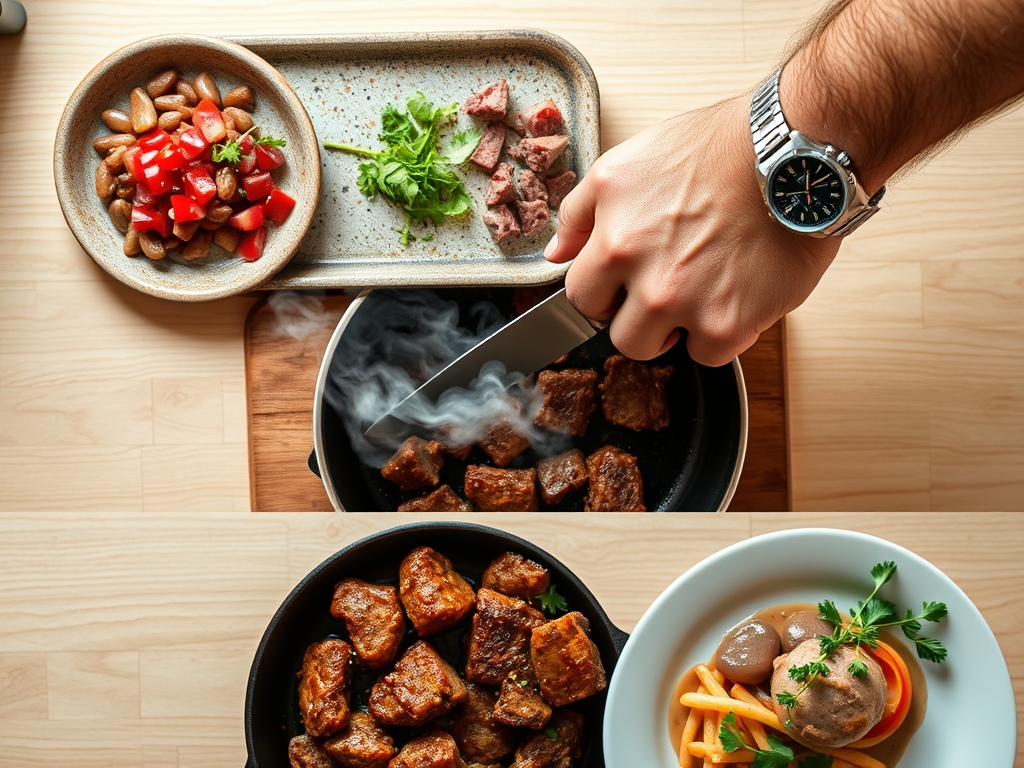
Place your heavy-bottomed skillet over medium-high heat until it just begins to wisp smoke. Add the beef in a flat disc rather than breaking it up immediately. This maximizes surface area contact with the metal. Once a dark crust forms, use a metal spatula to flip and break it into large chunks. Finally, deglaze the pan with a splash of dry red wine or beef stock.
Pro Tip: This relies on Thermal Carryover. By leaving the meat in larger chunks initially, you prevent the interior from overcooking while the exterior undergoes the Maillard reaction. Deglazing captures the "fond," which is the concentrated protein sugars stuck to the pan.
2. The Aerated Emulsification
When making meatballs or koftas, do not overwork the meat with your hands. Use a fork or a stand mixer with a paddle attachment on low speed. Add a splash of ice-cold water or heavy cream as you mix. This helps the fats and proteins form a stable emulsion that stays tender after cooking.
Pro Tip: Cold liquids help maintain the Fat Suspension. If the meat gets too warm from your hands, the fat will melt prematurely and leak out during cooking, resulting in a dry, rubbery texture.
3. The Umami Infusion
Once the meat is browned, create a well in the center of the pan. Add your tomato paste, anchovy paste, or miso. Fry these concentrated pastes for 60 seconds until they darken and become fragrant before stirring them into the rest of the beef.
Pro Tip: This process is called Pincé. It toasts the natural sugars in the pastes, removing the raw, metallic edge and creating a deeply complex, savory base for your interesting ground beef recipes.
4. The Viscous Glaze Reduction
For recipes like Korean-inspired beef bowls or balsamic glazed bites, add your sugars and acids (like honey and rice vinegar) at the very end. Crank the heat and stir constantly until the liquid bubbles and reduces into a thick, shiny coating that clings to every morsel of meat.
Pro Tip: You are looking for Nappé consistency. This happens when the water evaporates and the sugar molecules cross-link with the rendered fats, creating a sauce that is thick enough to coat the back of a spoon.
5. The Fresh Finish
Never serve your beef straight from the pan without a hit of brightness. Use your microplane to shower the dish with fresh lemon zest or a handful of soft herbs like cilantro or parsley. The volatile oils in fresh herbs provide a necessary contrast to the heavy fats of the beef.
Pro Tip: This is about Acid-Fat Balance. The citric acid or herbal phenols break through the richness of the beef, cleansing the palate and making the next bite taste just as vibrant as the first.
6. The Controlled Rest
Transfer the cooked beef to a warm platter and tent it loosely with foil. Let it sit for at least five minutes before serving. This is the difference between a pool of grease on the plate and a perfectly juicy bite of meat.
Pro Tip: During the rest, Capillary Action allows the juices to redistribute through the meat fibers. If you cut or serve too soon, the pressure inside the meat will force all that flavor out onto the cutting board.
The Deep Dive
Macro Nutrition: Ground beef is a nutritional powerhouse. A 4-ounce serving of 80/20 beef provides roughly 20 grams of protein and 22 grams of fat. It is an excellent source of Vitamin B12, which is essential for neurological function. To balance the macros, always pair these recipes with complex carbohydrates like quinoa or a massive heap of fibrous greens.
Dietary Swaps: For a Keto version, serve your beef in butter lettuce cups with an avocado lime crema. For Gluten-Free needs, ensure your soy sauce is replaced with tamari or coconut aminos. If you are cooking for a Vegan friend, use a pea-protein crumble and increase the amount of smoked paprika and liquid smoke to mimic the "charred" flavor profile of real beef.
The Fix-It:
- The Meat is Gray: This happens when the pan is overcrowded. The meat steams in its own moisture instead of searing. The Fix: Cook in smaller batches and ensure the pan is screaming hot before adding the protein.
- Too Much Grease: If the fat hasn't fully emulsified into a sauce. The Fix: Use a rolled-up paper towel held with tongs to carefully dab away excess oil before adding your final seasonings.
- Grainy Texture: Usually caused by over-mixing or using meat that was previously frozen and thawed improperly. The Fix: Add a tablespoon of Greek yogurt or sour cream at the end to provide a creamy "mask" for the texture.
Meal Prep: Ground beef is the king of leftovers. To maintain "day-one" quality, reheat it in a skillet with a tablespoon of water or stock rather than using a microwave. This creates a small amount of steam that re-hydrates the protein without toughening the fibers.
The Wrap-Up
Mastering interesting ground beef recipes is about more than just following a list of ingredients; it is about understanding the physics of the pan. By focusing on the Maillard reaction, maintaining fat emulsions, and balancing richness with acidity, you can turn a budget-friendly staple into the highlight of your culinary week. Don't be afraid to experiment with bold flavors like harissa, miso, or even a hint of cinnamon. Your kitchen is your laboratory, and that heavy skillet is your most powerful tool. Now, go forth and sear with confidence!
The Kitchen Table
How do I get the best sear on ground beef?
Ensure your skillet is preheated until it wisps smoke. Do not crowd the pan; cook in batches if necessary. Pat the meat dry with paper towels to remove surface moisture, which prevents steaming and encourages a deep, crusty Maillard reaction.
Can I use frozen ground beef for these recipes?
Yes, but thaw it completely in the refrigerator first. Frozen meat often releases more moisture during cooking. Drain any excess liquid after the initial browning phase to ensure the meat fries in its own fat rather than boiling in water.
What is the best way to store leftover beef?
Place leftovers in an airtight glass container within two hours of cooking. It will stay fresh in the refrigerator for up to four days. For longer storage, freeze it for up to three months in a vacuum-sealed bag.
Why does my ground beef taste metallic?
This often happens with lower-quality meat or if the beef has been stored too long. To fix this, add a splash of acid like lemon juice or vinegar at the end of cooking to brighten the flavor and mask metallic notes.