

Imagine a bowl so velvety it feels like a warm hug for your soul. We are moving far beyond the watery, bland bowls of the past. Today, we are mastering cream of potato recipes that defy the laws of mediocre home cooking. This is about achieving that perfect, glossy viscosity that clings to the back of a silver spoon.
Picture the steam rising in delicate ribbons, carrying the scent of rendered leeks and cracked black pepper. We are not just boiling vegetables; we are engineering a masterpiece of starch and silk. Whether it is a rainy Tuesday or a high-stakes dinner party, these secrets will transform your kitchen into a high-end bistro. We are talking about deep, layered flavors that make every spoonful an experience. Grab your apron and your favorite heavy-bottomed pot. We are diving into the molecular magic of the ultimate comfort food. This journey is about precision, patience, and a little bit of kitchen swagger. Let us build something legendary.
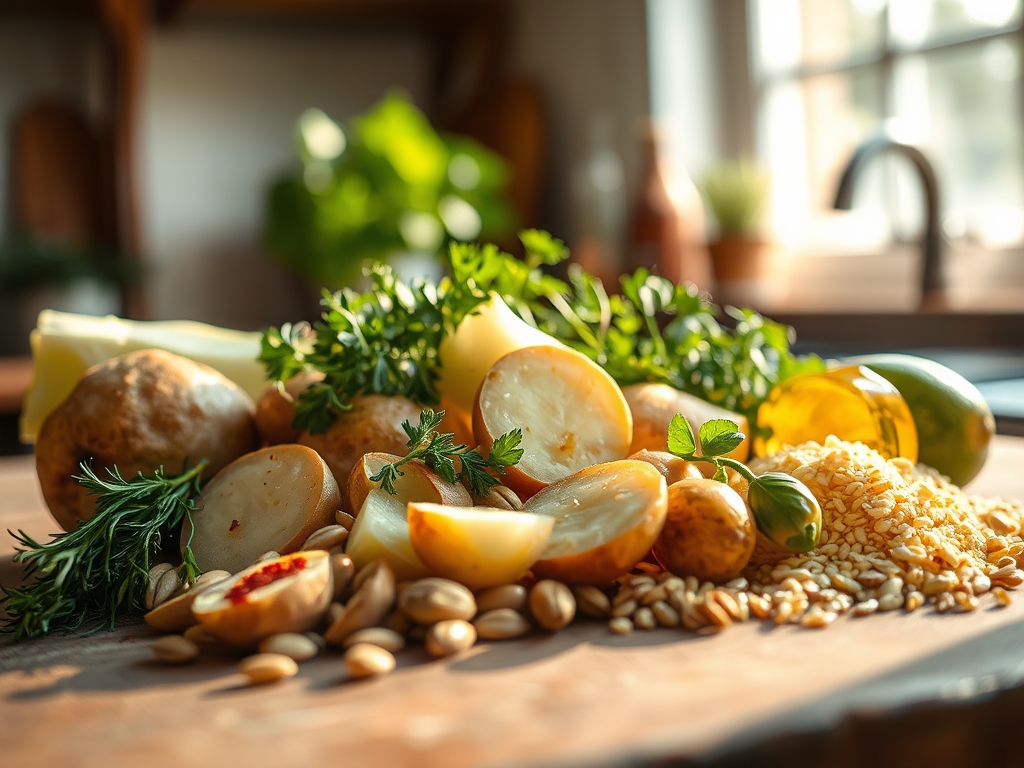
The Gathers:
To begin, we must respect the mise-en-place. High-quality cream of potato recipes live or die by the quality of the starch. You need five pounds of Yukon Gold potatoes; their high sugar content and medium starch levels create a naturally creamy texture without the graininess of Russets. Use a digital scale to ensure accuracy. You will also need a half-pound of thick-cut bacon to render for that smoky base, two large leeks (white and light green parts only), and four cloves of garlic.
For the liquid gold, gather one quart of high-collagen chicken bone broth and a pint of heavy cream with at least 36 percent milk fat. The fat is crucial for emulsification. Do not forget the aromatics: fresh thyme, a bay leaf, and a hint of nutmeg. For smart substitutions, you can swap the bacon for smoked paprika and butter to keep it vegetarian. If you lack leeks, a sweet Vidalia onion works, though it lacks the subtle, grassy complexity of the leek. Always have a microplane ready for that fresh nutmeg; pre-ground spice is a culinary crime in this house.
The Clock
Efficiency in the kitchen is about the Chef's Flow. Expect about 20 minutes of active prep time. This involves the rhythmic dicing of potatoes into uniform half-inch cubes to ensure even cooking. If your cubes are irregular, some will turn to mush while others remain crunchy. The actual cook time is roughly 40 minutes.
The flow begins with rendering the fat, followed by the sweating of aromatics. While the potatoes simmer in the broth for 20 to 25 minutes, you have a window to clean your station with a bench scraper and prepare your garnishes. This is not idle time; it is the "simmer window" where the flavors infuse. Total time from pantry to table is one hour, but the result tastes like a two-day labor of love.

The Masterclass
1. Render the Base Fat
Begin by placing your chopped bacon in a cold saucier or Dutch oven. Heating the pan and protein together allows the fat to liquefy before the meat sears. Cook until the bits are crisp and the bottom of the pan is coated in "fond," those delicious brown bits.
Pro Tip: This utilizes Maillard reaction products. The fond contains concentrated amino acids that provide the savory "umami" backbone of the soup.
2. Sweat the Aromatics
Remove the bacon but leave the fat. Toss in your cleaned, sliced leeks. We are not looking for color here; we want them translucent and soft. Add a pinch of salt to draw out moisture via osmosis.
Pro Tip: Sweating breaks down the tough cellulose in the leeks, releasing organosulfur compounds that become sweet rather than pungent when heated gently.
3. The Deglaze
Pour in a splash of dry white wine or a bit of broth to scrape up the fond. Use a wooden spoon to incorporate those browned bits into the liquid.
Pro Tip: This is deglazing. The alcohol or acid in the liquid acts as a solvent, dissolving the flavor molecules stuck to the pan and distributing them into the base.
4. Simmer the Starches
Add your cubed potatoes and the bone broth. The liquid should just cover the vegetables. Bring to a boil, then immediately drop to a low simmer. Covering the pot prevents excessive evaporation.
Pro Tip: Avoid a rolling boil. High agitation can cause potatoes to shed too much amylopectin too fast, resulting in a gluey, unappealing texture.
5. The Infusion Phase
Drop in your thyme sprigs and bay leaf. Let them steep like tea as the potatoes soften.
Pro Tip: This is thermal infusion. Heat allows the essential oils in the herbs to migrate into the water-based broth, creating a multi-dimensional flavor profile.
6. Achieving the Texture
Once the potatoes are fork-tender, remove the herbs. Use an immersion blender to blend only half of the soup. This creates a thick base while leaving chunky "jewels" of potato for contrast.
Pro Tip: This technique manages the viscosity. Blending the whole pot can release too much starch, making the soup gummy. Partial blending keeps it "rustic-refined."
7. Tempering the Dairy
Slowly whisk in your heavy cream. Do not dump it in cold. Take a ladle of hot soup and mix it with the cream in a separate bowl first, then add the mixture back to the pot.
Pro Tip: This prevents clotting. Tempering stabilizes the milk proteins so they do not curdle when hitting the high-heat environment of the soup.
8. The Final Seasoning
Add your fresh nutmeg, salt, and white pepper. White pepper is preferred here to maintain a pristine, creamy aesthetic without black specks.
Pro Tip: Nutmeg contains myristicin, which acts as a bridge between the earthy potato and the rich dairy, brightening the entire dish.
9. The Rest
Turn off the heat and let the soup sit for five minutes before serving.
Pro Tip: This allows for thermal carryover and let the starches fully hydrate, ensuring the soup reaches its maximum thickness before it hits the bowl.
The Deep Dive
Nutritionally, this soup is a powerhouse of potassium and Vitamin C, though it is admittedly high in fats. For a Vegan swap, use coconut cream and vegetable stock; the fat content remains high enough to mimic the mouthfeel. For Keto enthusiasts, replace half the potatoes with cauliflower florets to drop the carb count while maintaining the bulk. This recipe is naturally Gluten-Free as we rely on potato starch rather than a flour roux for thickening.
The Fix-It:
- Too Thin? Mash a few more potatoes against the side of the pot or add a "slurry" of cornstarch and cold water.
- Too Salty? Add a splash of heavy cream or a squeeze of lemon juice. The acid/fat will mask the sodium perception.
- Gluey Texture? This happens from over-blending. Fix it by folding in un-blended, boiled potato chunks to break up the "stretch."
Meal Prep: When reheating, the starch will have absorbed more liquid overnight. Add a splash of broth or milk before microwaving or heating on the stove to restore the original viscous consistency. Never boil the soup during reheating, or the dairy may separate.
The Wrap-Up
You now hold the keys to the kingdom of cream of potato recipes. By focusing on the science of starch, the art of the render, and the precision of the simmer, you have elevated a humble root vegetable to a gourmet experience. Remember, great cooking is 10 percent recipe and 90 percent technique. Go forth, use your heavy-bottomed pots with pride, and enjoy the most luxurious bowl of soup you have ever tasted. You have earned every creamy, savory bite.
The Kitchen Table
Can I use red potatoes instead of Yukon Gold?
Yes, but the texture will be waxier. Red potatoes hold their shape well, so you may need to blend more of the base to achieve the desired thickness compared to starchier varieties.
Why is my potato soup gummy?
Gumminess is caused by over-working the starches. If you use a high-speed blender or food processor, the starch molecules break and create a glue-like consistency. Use a hand masher or immersion blender sparingly.
How do I store leftovers safely?
Cool the soup quickly by placing the pot in an ice bath before refrigerating. Store in airtight containers for up to four days. Do not freeze, as the dairy and potatoes will separate and become grainy.
What is the best way to clean leeks?
Leeks grow in sandy soil. Slice them lengthwise and soak the pieces in a bowl of cold water. Shake them to let the grit sink to the bottom, then lift the leeks out.