
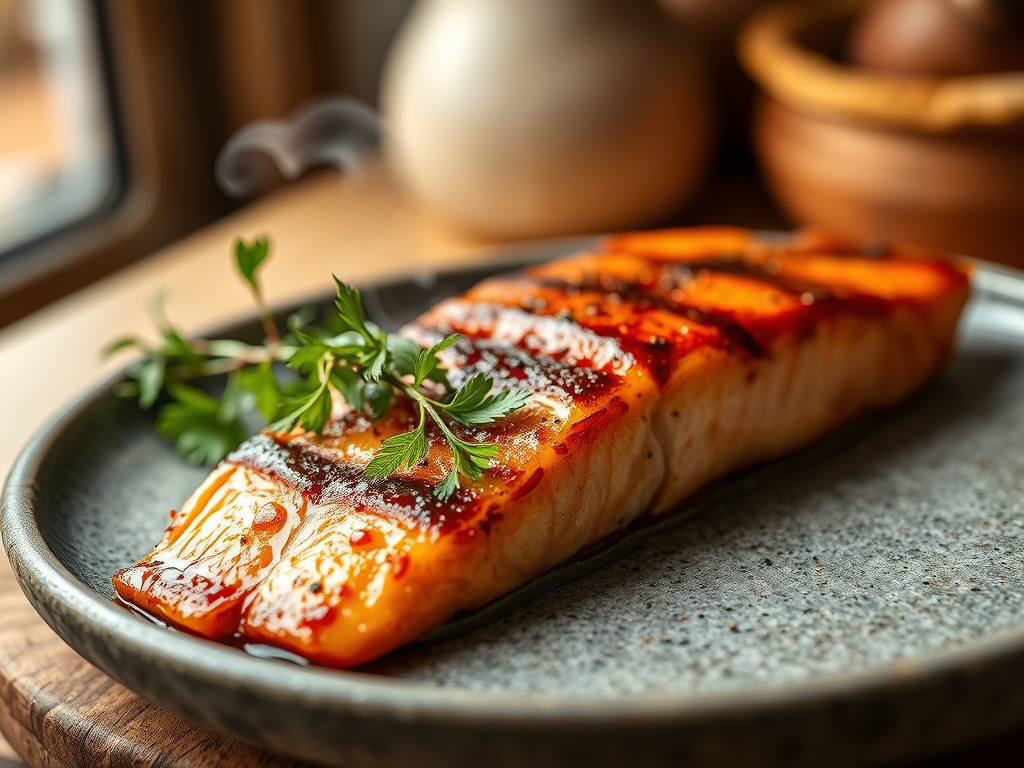
Imagine the sound of a heavy-bottomed skillet meeting a high-flame burner; that sharp, metallic ring is the starting bell for the best meal of your week. You are standing in your kitchen, holding a fillet of cold, marbled Atlantic fish, and within exactly twenty minutes, you will be flaking apart a masterpiece of texture and temperature. Finding fast salmon recipes that actually deliver on the promise of restaurant-quality crust and succulent, medium-rare centers is a culinary art form. We are moving past the days of dry, chalky proteins and into a world where high-heat searing and clever pan-sauces reign supreme. This is about more than just speed; it is about the chemistry of the perfect sear and the efficiency of a well-oiled kitchen routine.
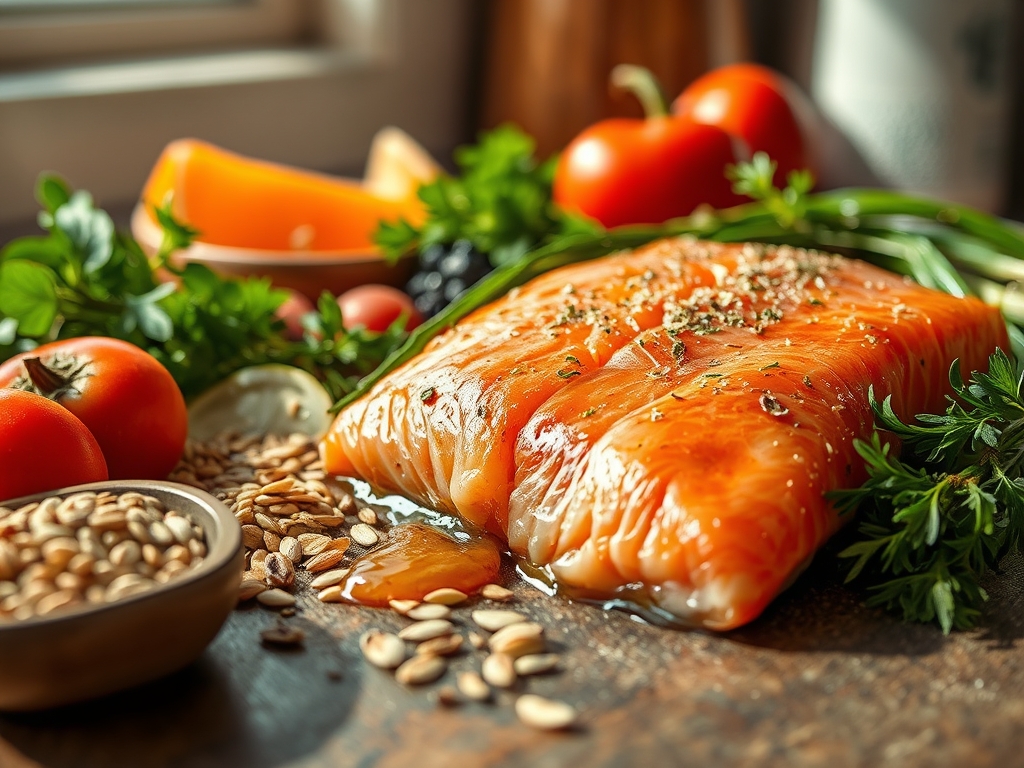
The Gathers:
To execute these fast salmon recipes with precision, your mise-en-place must be flawless. Start with six-ounce fillets, ideally skin-on, to act as a thermal barrier during the rendering process. You will need a high-smoke-point lipid like avocado oil or clarified butter to ensure you do not reach the acrid breakdown point of the fat before the fish is done. Gather your aromatics: fresh dill, a bulb of garlic for crushing, and a bright lemon for zest.
The sensory profile here is a balance of viscous fats and piquant acids. Use a microplane to create a fine dust of citrus zest; this increases the surface area and allows the essential oils to infuse your butter base almost instantly. For smart substitutions, if you lack fresh herbs, a high-quality dried tarragon can provide that signature anise note. If you are avoiding dairy, a full-fat coconut milk can be used to deglaze the pan, creating a silky, Thai-inspired reduction that mimics the mouthfeel of a traditional cream sauce.
The Clock
The "Chef's Flow" is the secret to finishing in under twenty minutes. You spend the first five minutes on prep: patting the fish bone-dry with paper towels to prevent steaming and pre-heating your cast iron. The next ten minutes are dedicated to the active cook. Salmon requires roughly four minutes on the skin side to achieve a glass-like shatter, followed by a quick two-minute flip to finish the interior. The final five minutes are for the "carryover" rest and plating. By the time you have set the table and poured a glass of crisp Sauvignon Blanc, the internal temperature will have stabilized at a perfect 125 degrees Fahrenheit.
The Masterclass
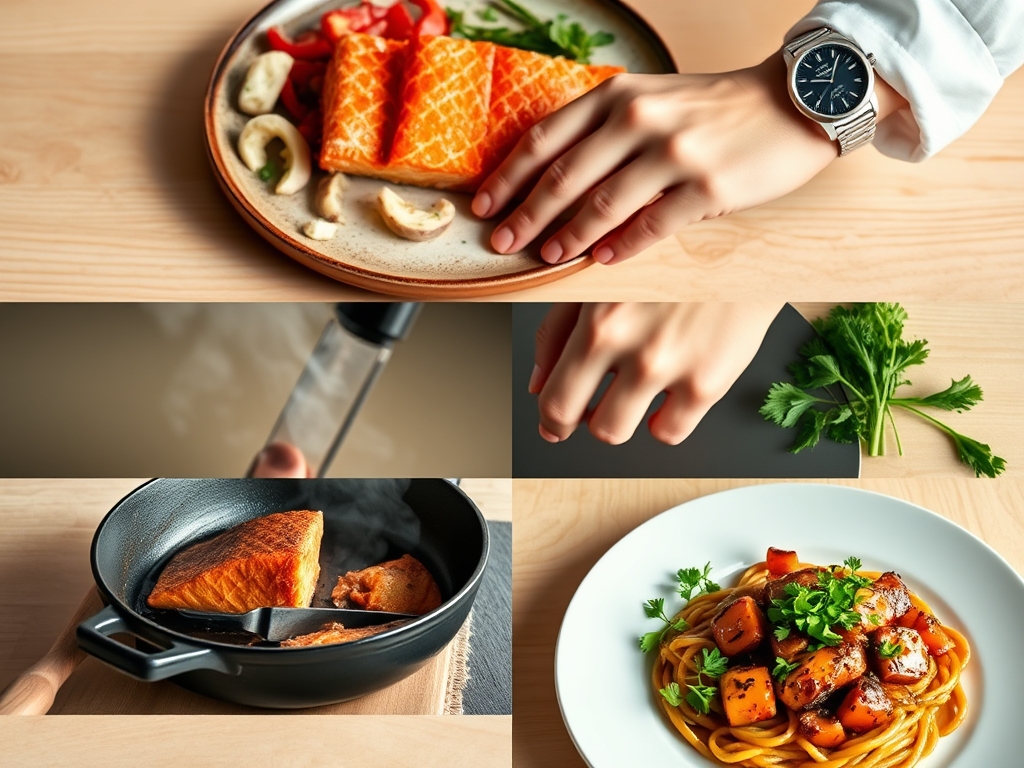
1. The Sear and the Maillard Reaction
Place your seasoned fillets skin-side down into a shimmering, hot skillet. Use your tongs to press down firmly for the first thirty seconds; this prevents the protein fibers from curling and ensures even contact with the heat source.
Pro Tip: This step utilizes the Maillard Reaction, a chemical dance between amino acids and reducing sugars that creates hundreds of flavor compounds. If the fish is damp, the energy goes into evaporating water rather than browning, so keep it dry.
2. Rendering the Subcutaneous Fat
As the heat penetrates the skin, the layer of fat beneath it begins to render, essentially frying the skin in its own oil. You will see the color of the flesh change from translucent pink to an opaque coral starting from the bottom up.
Pro Tip: Do not move the fish. Premature flipping tears the delicate skin. Wait for the proteins to naturally release from the pan surface, a sign that the crust has fully formed.
3. The Butter Baste and Infusion
Drop a knob of cold butter, a crushed garlic clove, and a sprig of thyme into the pan during the final two minutes. Tilt the skillet slightly so the foaming butter pools at the bottom, then use a large spoon to continuously shower the fish.
Pro Tip: This is known as Arrosage. The hot butter speeds up the cooking of the top of the fillet while adding a nutty, toasted dimension through the browning of milk solids.
4. Deglazing for the Pan Sauce
Remove the fish and set it on a warm plate. Immediately add a splash of white wine or vegetable stock to the hot pan. Use a whisk or a wooden spoon to scrape up the "fond," those brown bits stuck to the bottom.
Pro Tip: Deglazing captures concentrated flavor. The liquid causes a rapid temperature drop that lifts the caramelized proteins, turning them into a savory, complex sauce in seconds.
5. Emulsifying the Finish
Turn off the heat and whisk in a teaspoon of cold Dijon mustard or a squeeze of lemon juice. The goal is to create a stable emulsion where the fats and liquids are perfectly suspended.
Pro Tip: Cold fats added to a warm liquid create a more stable emulsion than warm fats. This prevents the sauce from "breaking" or looking greasy on the plate.
6. The Thermal Rest
Let the salmon sit for three minutes before serving. This allows the muscle fibers to relax and reabsorb the internal juices, ensuring every bite is moist.
Pro Tip: Thermal carryover means the internal temperature will rise about five degrees after you remove it from the heat. Pulling the fish at 120 degrees ensures it hits the ideal 125-degree mark by the time you eat.
The Deep Dive
From a macro nutrition perspective, salmon is a powerhouse, offering roughly 25 grams of protein and a dense profile of Omega-3 fatty acids per serving. For keto followers, this meal is a dream; simply double the butter baste. For a vegan alternative, the same searing techniques can be applied to "tofu steaks" marinated in beet juice and liquid smoke to mimic the color and depth of fish.
If you run into trouble, remember "The Fix-It" rules. If your skin is soggy, your pan wasn't hot enough; next time, wait for the oil to wisps of smoke. If the fish is sticking, you likely tried to flip it too early; give it another thirty seconds to self-release. If the white "albumin" protein is leaking out, you are overcooking it; lower the heat immediately.
For meal prep, reheating salmon is a delicate science. Avoid the microwave, which turns the fats rancid and the texture rubbery. Instead, place the fillet in a covered dish with a tablespoon of water and heat in a 300-degree oven for eight minutes. This creates a gentle steam environment that restores "day-one" succulence.
The Wrap-Up
Mastering fast salmon recipes is like having a culinary superpower in your back pocket. You have learned to harness the Maillard reaction, navigate the nuances of thermal carryover, and create a pan-sauce that would make a French saucier proud. Kitchen confidence comes from understanding the "why" behind the "how." Now, take your tongs, fire up that skillet, and turn a simple Tuesday night into a gourmet experience. You have the tools, the science, and the speed to make it happen.
The Kitchen Table
How do I know when salmon is perfectly cooked?
The most reliable method is using a digital thermometer to hit 125 degrees Fahrenheit. Visually, the flakes should just begin to separate when pressed gently with a fork, and the center should remain slightly translucent rather than opaque.
Can I use frozen salmon for fast recipes?
Yes, but you must thaw it completely in cold water first. Pat the fillets extremely dry with paper towels to ensure you still get a crisp sear, as excess moisture is the enemy of the Maillard reaction.
What is the best pan for searing salmon?
A heavy-bottomed stainless steel or cast-iron skillet is best. These materials retain heat efficiently, ensuring the pan temperature doesn't drop when the cold fish hits the surface, which is crucial for achieving a golden-brown crust.
Is it necessary to remove the skin?
Keep the skin on during cooking! It acts as a protective heat shield for the delicate flesh and provides a delicious, crunchy texture. If you dislike eating it, the skin peels off effortlessly once the fish is fully cooked.