
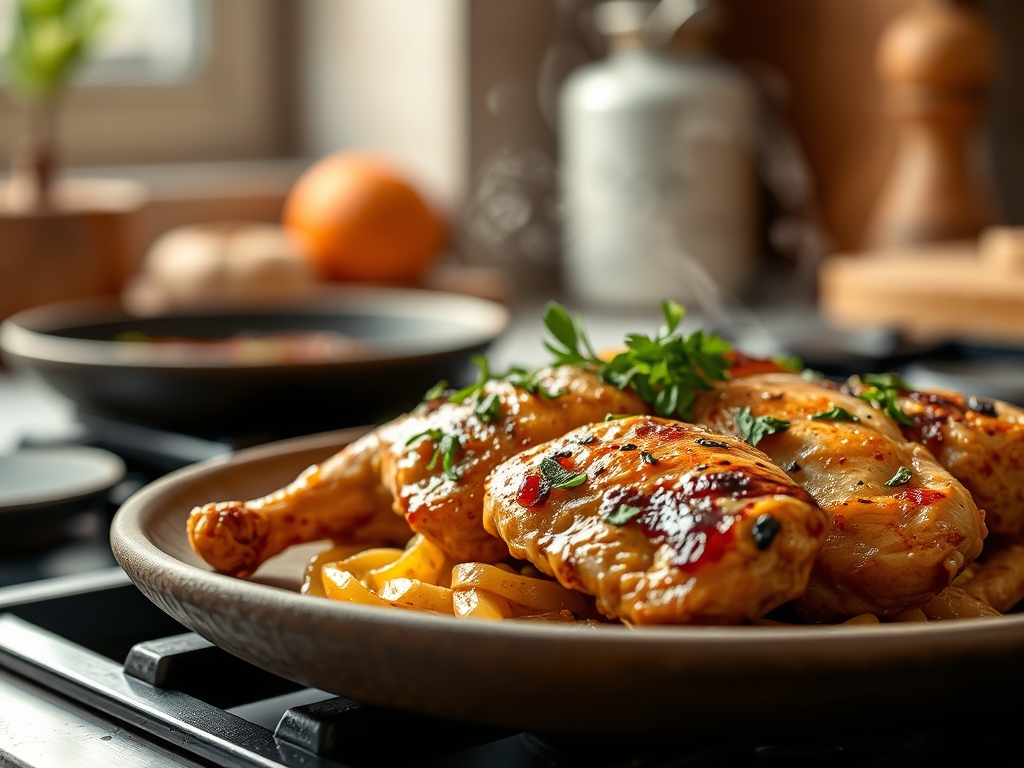
The sizzle of a heavy-bottomed skillet meeting cold protein is the universal siren song of a home cook who knows exactly what she is doing. There is no need to fire up the oven and wait twenty minutes for a preheat when you can achieve culinary excellence right on the burner. Mastering chicken recipes on stove tops is about more than just convenience; it is about the direct application of heat to create that perfect, golden crust known as the Maillard reaction. This chemical transformation occurs when amino acids and reducing sugars rearrange themselves into hundreds of different flavor compounds. When you are hungry and craving something sophisticated yet efficient, the stovetop is your best friend. We are moving beyond the dry, uninspired breasts of the past. We are diving into a world of silky pan sauces, aromatic infusions, and perfectly rendered fats. Grab your favorite apron and a glass of something crisp; we are about to transform your weeknight routine into a high-end bistro experience without ever touching the oven dial.
The Gathers:
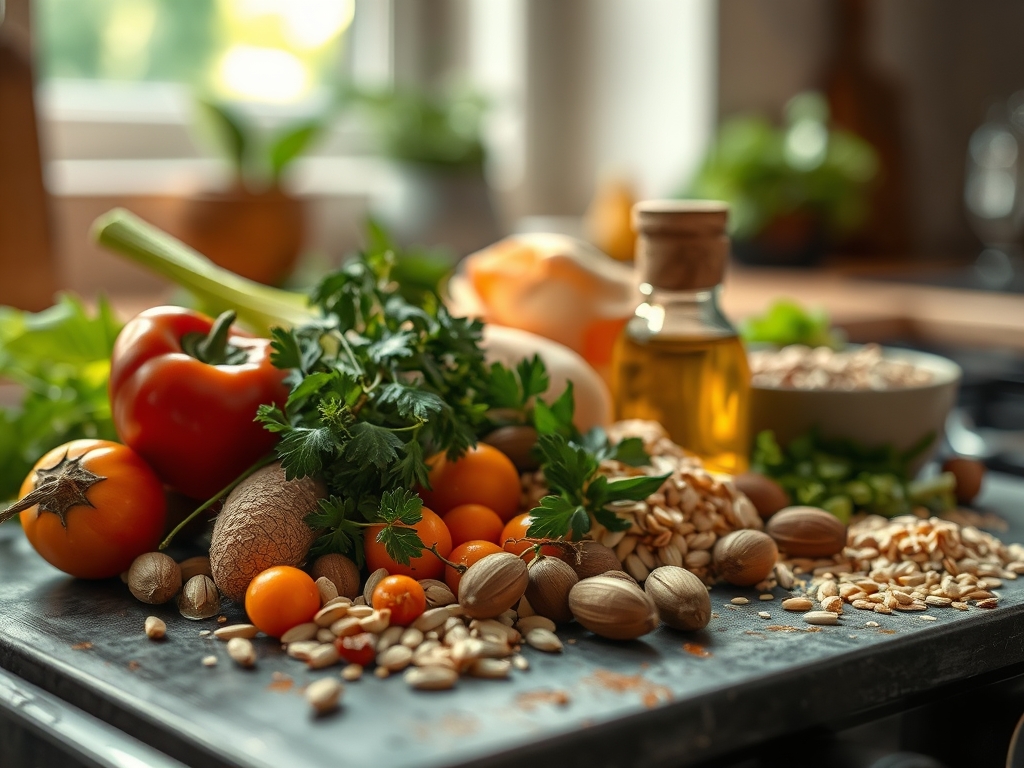
Before we ignite the flame, we must respect the mise-en-place. To execute these nine variations, you need high-quality proteins and a pantry built for flavor density. Start with organic chicken thighs or breasts, ensuring they are patted dry with paper towels to remove surface moisture. Moisture is the enemy of browning; if the surface is wet, the energy of the pan goes into evaporating water rather than searing the meat. You will also need a high-smoke-point fat like avocado oil or clarified butter (ghee) to prevent the oil from breaking down into bitter compounds at high temperatures.
Your aromatics are the soul of these dishes. Gather fresh garlic cloves, shallots for a more delicate sweetness, and woody herbs like rosemary or thyme. For the liquids, keep a bottle of dry white wine for deglazing and a high-quality, gelatin-rich bone broth to ensure your sauces have a viscous mouthfeel. Use a microplane to zest citrus or grate ginger, which maximizes the surface area and releases essential oils for a more piquant profile.
Smart Substitutions:
If you are out of white wine, a splash of verjus or a teaspoon of apple cider vinegar diluted in water provides that necessary acidity. For a dairy-free creaminess, full-fat coconut milk or a cashew cream can be swapped for heavy cream. If you find yourself without fresh herbs, use one-third the amount of dried herbs, but bloom them in the hot oil first to infuse the fat with their flavor.
The Clock
Efficiency in the kitchen is about the "Chef's Flow," which is the art of overlapping tasks to minimize downtime. For these chicken recipes on stove, your total active time is usually under 15 minutes, with a total cook time of 20 to 30 minutes.
The flow begins with the protein prep. While the chicken sits at room temperature for ten minutes to take the chill off (this ensures even cooking), you should be using your bench scraper to organize your chopped aromatics. Once the chicken hits the pan, do not touch it. This "passive cooking" time is when you prepare your side dish or whisk your sauce base. By the time the chicken is resting, your sauce is reducing. This synchronized rhythm ensures everything hits the table at the peak of its thermal and textural quality.
The Masterclass
1. The Sear and Render
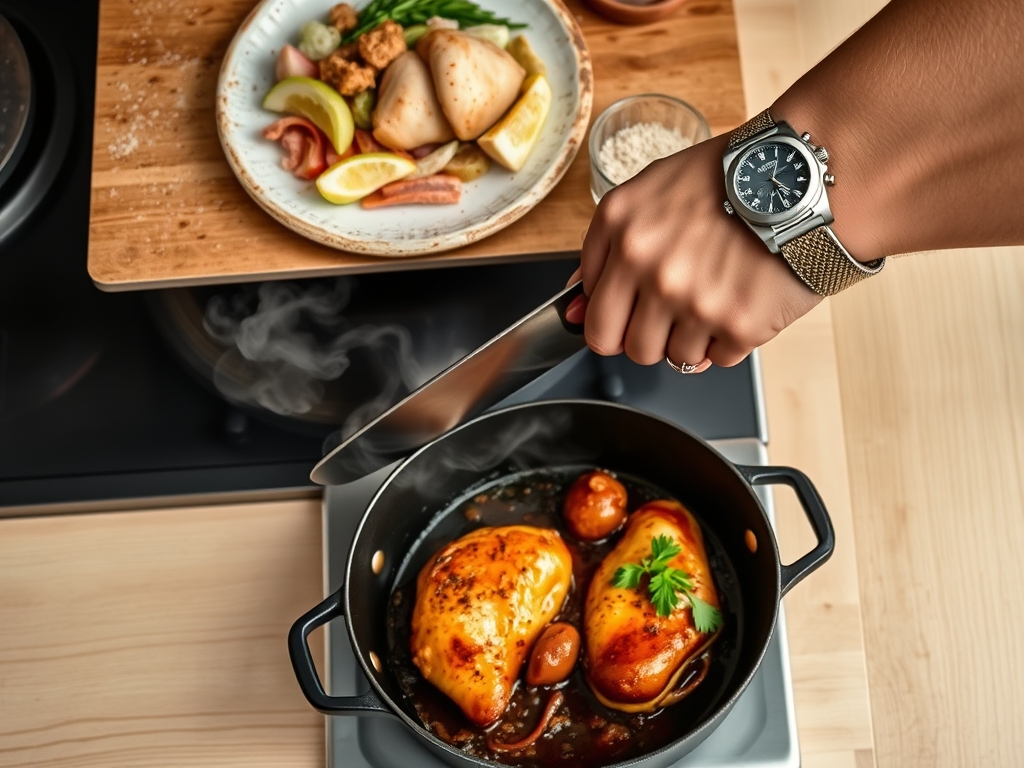
Place your chicken skin-side down in a preheated heavy-bottomed skillet. Use your tongs to press the meat down, ensuring maximum contact with the heat source.
Pro Tip: This step utilizes enzymatic browning. By leaving the chicken undisturbed, you allow the proteins to bond and then release naturally from the pan once the crust has formed.
2. The Deglaze
After removing the chicken, pour a liquid like wine or stock into the hot pan. Use a wooden spoon to scrape up the fond, those delicious brown bits stuck to the bottom.
Pro Tip: This is the process of solubilizing flavor. The fond contains concentrated umami that, when dissolved, forms the complex base of your pan sauce.
3. The Aromatic Infusion
Lower the heat and add your butter, garlic, and herbs. Use a spoon to continuously baste the chicken with the bubbling fat.
Pro Tip: Basting creates thermal carryover, gently finishing the interior of the meat while the fat carries the fat-soluble compounds of the herbs directly into the crust.
4. The Emulsification
Whisk in a cold fat or starch slurry to the simmering liquid until the sauce coats the back of a spoon.
Pro Tip: This creates a stable emulsion. The fat molecules are suspended in the liquid, creating a velvety texture that prevents the sauce from breaking or looking greasy.
The Deep Dive
Macro Nutrition:
Chicken is a lean protein powerhouse. A standard 6-ounce serving provides approximately 52 grams of protein with minimal carbohydrates. By controlling the fats used on the stove, you can keep the caloric density manageable while maximizing satiety.
Dietary Swaps:
- Keto: Replace any flour dredging with almond flour or simply skip it. Use heavy cream and butter liberally for healthy fats.
- Vegan/Vegetarian: These techniques work beautifully with "chicken" seitan or extra-firm tofu. Ensure the tofu is pressed for at least 30 minutes to achieve a similar sear.
- Gluten-Free: Use cornstarch or arrowroot powder as a thickening agent for your sauces instead of a traditional flour roux.
The Fix-It:
- The Problem: The chicken is burnt on the outside but raw inside. The Fix: Your heat was too high. Lower the flame and add a splash of broth, then cover the pan with a lid to create a steam chamber to finish the interior.
- The Problem: The sauce is too thin. The Fix: Continue to reduce the liquid, or whisk in a "beurre manié" (equal parts softened butter and flour) to instantly thicken.
- The Problem: The meat is tough and rubbery. The Fix: You likely overcooked it. Next time, use a digital scale to check weight and a meat thermometer to pull the chicken at 160 degrees Fahrenheit; it will reach 165 via carryover heat.
Meal Prep Science:
To maintain "day-one" quality, store chicken and sauce separately. When reheating, do it gently on the stove with a tablespoon of water. This creates steam that re-hydrates the protein fibers without making them "bouncy" or dry.
The Wrap-Up
Mastering the stove is like learning a new language; once you understand the grammar of heat and fat, you can compose any meal you desire. These chicken recipes on stove are your foundation for culinary independence. They are fast, they are flavorful, and they prove that you do not need a kitchen full of gadgets to produce a five-star meal. Remember to trust your senses. Listen for the sizzle, watch for the golden hue, and smell the aromatics as they bloom. You have the tools, the science, and the skill to turn a simple piece of poultry into a masterpiece. Now, get that skillet hot and show that chicken who is boss!
The Kitchen Table
How do I get crispy skin on the stove?
Start with bone-in, skin-on chicken patted completely dry. Place it skin-side down in a cold heavy-bottomed skillet and turn the heat to medium. This slowly renders the fat, resulting in a glass-like, shatteringly crisp texture.
Why is my chicken sticking to the pan?
Chicken sticks when the protein bonds have not yet finished the Maillard reaction. If the meat resists when you try to flip it, wait another minute. Once a proper crust forms, the chicken will naturally release itself from the surface.
Can I cook frozen chicken on the stove?
It is not recommended. The exterior will overcook and burn before the center reaches a safe temperature. For the best results, thaw chicken overnight in the refrigerator or use a cold-water bath for a quick, safe defrosting method.
What is the best oil for stovetop chicken?
Use oils with a high smoke point such as avocado, grapeseed, or canola oil. These can handle the high heat required for searing without smoking or developing "off" flavors that occur when fats reach their breaking point.