
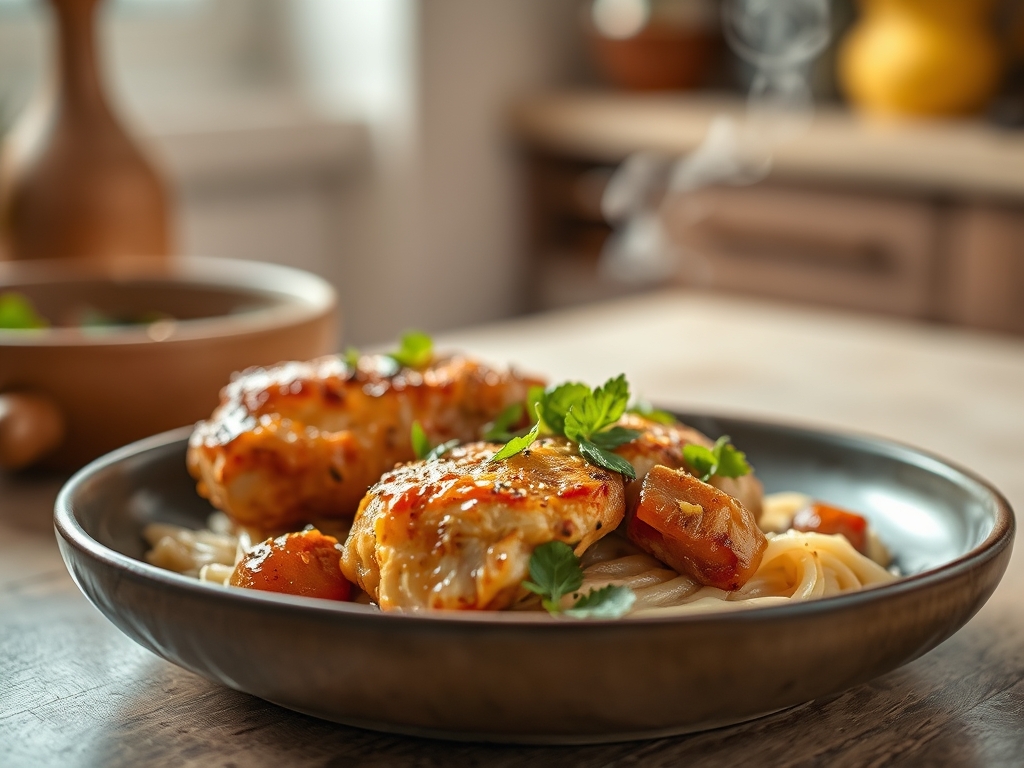
Imagine the scent of caramelized sugars and bright pineapple drifting through your hallway as you kick off your shoes after a long day. This is the magic of slow cooker hawaiian chicken recipes; they transform humble pantry staples into a tropical escape with zero effort on your part. We are talking about tender poultry bathed in a sauce that strikes the perfect balance between savory soy and neon-sweet fruit.
This is not just a set-it-and-forget-it meal. It is a masterclass in flavor balancing. When we talk about slow cooker hawaiian chicken recipes, we are looking for that specific gloss on the sauce and a chicken texture that yields to a fork without turning into mush. It is about the science of the slow simmer. By the time you lift the lid, the acidity of the pineapple has worked its way into the muscle fibers, creating a melt-in-your-mouth experience that rivals any island food truck. Let us dive into the chemistry of the crock.
The Gathers:
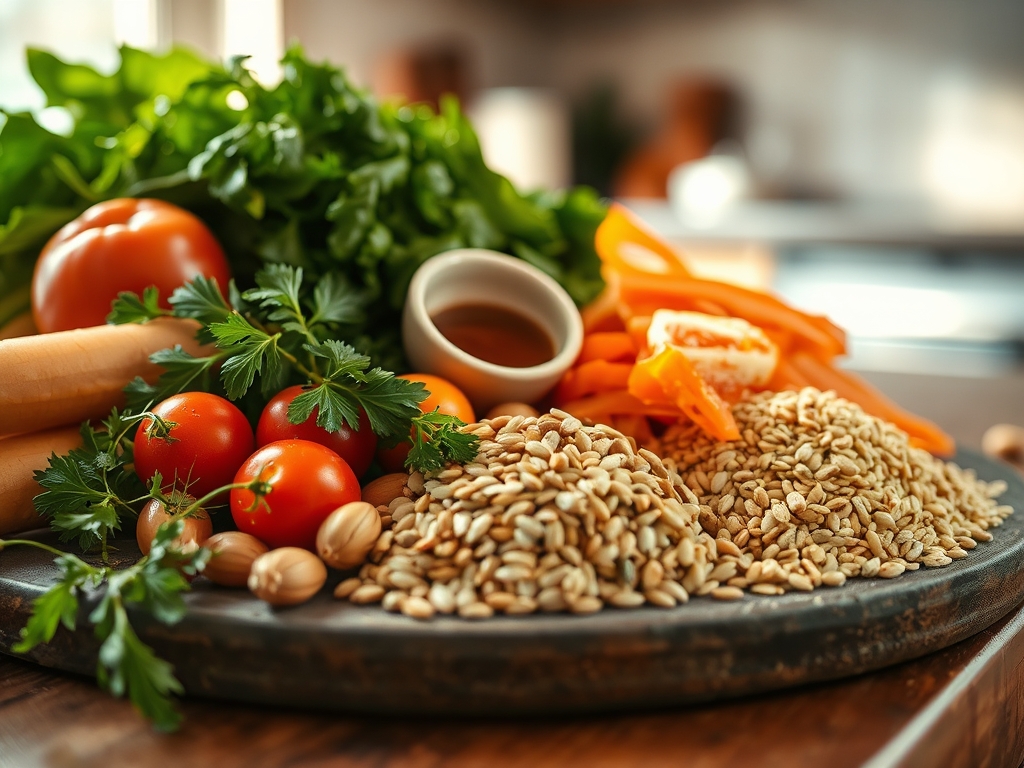
To achieve a professional-grade result, your mise-en-place must be precise. Start with two pounds of boneless, skinless chicken thighs. Thighs contain more connective tissue (collagen) than breasts, which is vital for long braises. You will also need twenty ounces of pineapple chunks in juice; avoid the heavy syrup variety to maintain control over the glycemic profile.
The aromatic base requires freshly grated ginger and garlic. Use a microplane to create a fine paste; this increases the surface area and allows the volatile oils to infuse the sauce more effectively. For the liquid gold, gather low-sodium soy sauce, rice vinegar for a piquant kick, and brown sugar to encourage the Maillard reaction.
Smart Substitutions: If you are watching your sodium, coconut aminos offer a similar umami depth with a lower salt footprint. For a heat spike, swap the standard red pepper flakes for a teaspoon of gochujang or sriracha. If you find yourself out of fresh ginger, a half-teaspoon of ground ginger works, though it lacks the bright, citrusy top notes of the fresh root.
The Clock: Chef's Flow
Efficiency in the kitchen is about the "flow." Your active preparation time is a brisk fifteen minutes. This involves the trimming of the poultry and the whisking of the sauce. Once the components are in the ceramic vessel, the "Chef's Flow" shifts to passive heat.
Set your device to "Low" for six to seven hours or "High" for three to four hours. The low and slow method is superior because it prevents the protein fibers from tightening too quickly, which can squeeze out moisture. While the machine works, you have a six-hour window to handle your life. The final ten minutes are for the "glaze phase," where we thicken the sauce to a viscous consistency that clings to the meat.
The Masterclass:
1. Sear for Success
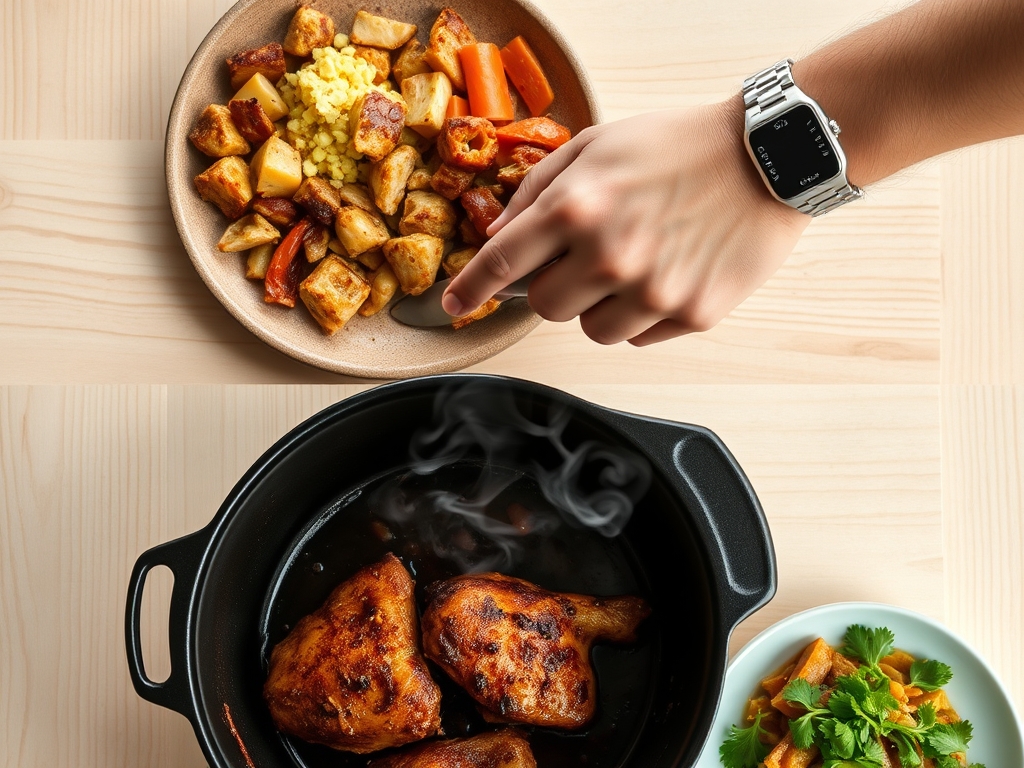
Before the chicken ever touches the slow cooker, pat it dry with paper towels. Heat a heavy-bottomed skillet with a tablespoon of high-smoke-point oil. Sear the thighs for two minutes per side until a golden crust forms.
Pro Tip: This is called the Maillard reaction. By browning the meat first, you create complex flavor compounds that a slow cooker cannot produce on its own due to the presence of moisture and lower temperatures.
2. The Aromatics Layer
Place your seared chicken into the slow cooker. In a small bowl, whisk together the soy sauce, ginger, garlic, and vinegar. Pour this over the chicken, ensuring every piece is coated.
Pro Tip: Using a saucier or a small whisk ensures the ginger paste is evenly distributed. This prevents "flavor pockets" where one bite is overly pungent and another is bland.
3. The Pineapple Integration
Add the pineapple chunks and half of the reserved juice. Do not add all the juice yet; you want to maintain a balance between braising and steaming.
Pro Tip: Pineapple contains an enzyme called bromelain. This enzyme breaks down proteins, acting as a natural tenderizer. Adding it at the start ensures the chicken becomes incredibly supple during the cook cycle.
4. The Low Simmer
Secure the lid and set your timer. Resist the urge to peek. Every time you lift the lid, you lose heat and moisture, extending the cook time by fifteen minutes.
Pro Tip: This is the phase of collagen conversion. The tough connective tissue in the thighs slowly melts into gelatin, which provides a rich, silky mouthfeel to the final dish.
5. The Slurry Shift
Thirty minutes before serving, remove a half-cup of the hot liquid. Whisk in two tablespoons of cornstarch using a fork or mini-whisk until smooth. Stir this back into the pot.
Pro Tip: This is a starch suspension. The heat causes the starch granules to swell and absorb water, thickening the sauce into a professional-grade glaze that coats the back of a spoon.
6. The Final Shred
Use tongs to transfer the chicken to a cutting board. Use a bench scraper or two forks to pull the meat into large, succulent chunks. Return the meat to the thickened sauce.
Pro Tip: Allow the meat to rest in the sauce for five minutes before serving. This allows for reabsorption, where the chicken soaks up the concentrated flavors of the glaze.
The Deep Dive:
Macro Nutrition: A standard serving provides approximately 320 calories, 35 grams of protein, and 12 grams of sugar (mostly from the fruit). It is a high-protein, moderate-carb meal that fuels your evening without a heavy "food coma."
Dietary Swaps: For a Keto version, replace the brown sugar with a monk fruit sweetener and swap the pineapple juice for a splash of apple cider vinegar and pineapple extract. Vegan friends can substitute the chicken with extra-firm pressed tofu or canned young jackfruit; just reduce the cook time to two hours on high to avoid over-softening the plants.
The Fix-It:
- Too Salty: Add a squeeze of lime juice or a teaspoon of honey. The acid or sugar will mask the sodium perception.
- Too Thin: If the slurry did not work, leave the lid off and cook on high for twenty minutes to evaporate excess water.
- Bland Flavor: You likely missed the searing step. Fix this by stirring in a tablespoon of hoisin sauce or a dash of toasted sesame oil at the end.
Meal Prep & Reheating: This dish is actually better on day two. As it cools, the flavors continue to marinate. To reheat, avoid the microwave if possible. Use a small saucepan over medium heat and add a splash of water to loosen the glaze. This prevents the chicken from becoming rubbery and maintains the integrity of the sauce.
The Wrap-Up:
Mastering slow cooker hawaiian chicken recipes is about respecting the balance of sweet, salt, and acid. By using professional techniques like the initial sear and a proper starch slurry, you elevate a simple crockpot meal into a culinary event. Whether you serve it over jasmine rice or inside a toasted brioche bun, you now have the scientific toolkit to make it perfect every single time. Get that slow cooker humming; your future self will thank you.
The Kitchen Table:
Can I use frozen chicken for this recipe?
No. Putting frozen meat in a slow cooker keeps the food in the "danger zone" temperature range for too long. Always thaw chicken completely in the refrigerator before starting to ensure food safety and even cooking.
How do I prevent the chicken from getting dry?
Stick to chicken thighs rather than breasts. Thighs have a higher fat content and more collagen, which prevents them from drying out during long, slow cooking cycles. Always use the "Low" setting for the best texture.
What is the best way to thicken the sauce?
Create a cornstarch slurry by mixing equal parts cornstarch and cold water. Stir this into the bubbling liquid during the last thirty minutes of cooking. This creates a glossy, thick glaze that perfectly coats the poultry.
Can I add vegetables like bell peppers?
Yes, but timing is everything. Add bell peppers or snap peas during the final forty-five minutes of cooking. Adding them too early will cause them to become gray and mushy rather than bright and crisp.