
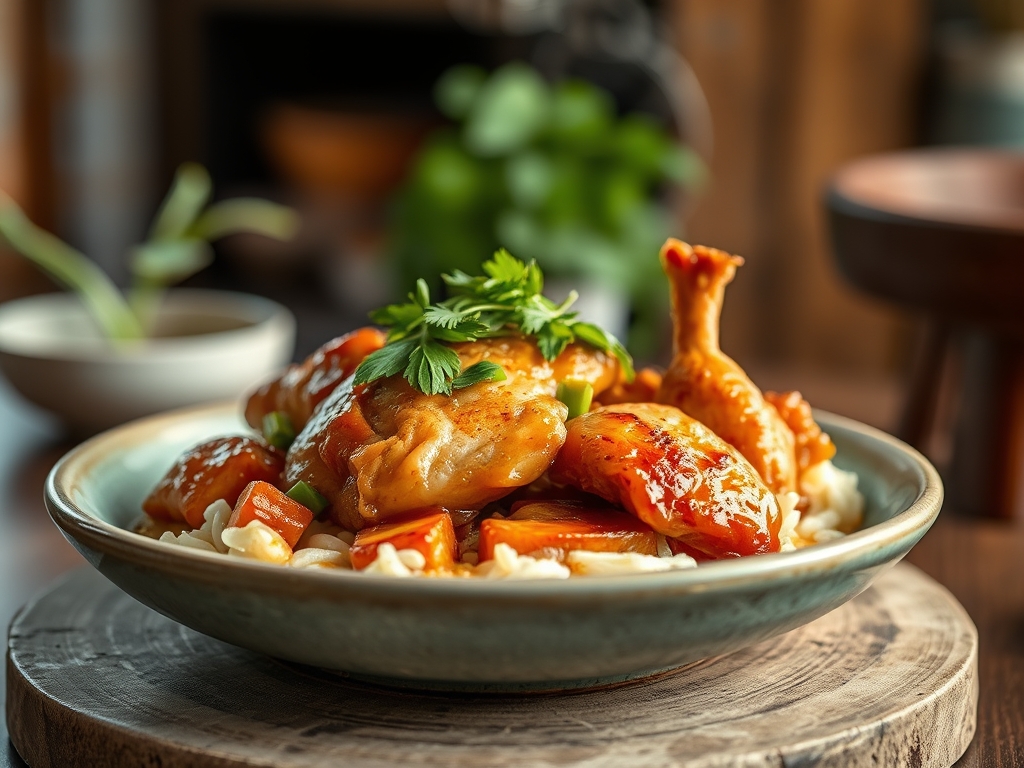
Picture the steam rising from a heavy-bottomed skillet as the sugars in coconut water begin to caramelize; this is the aromatic heartbeat of authentic vietnamese chicken recipes. When you cook this cuisine, you are not just making dinner; you are managing a delicate chemical equilibrium between salty, sweet, sour, and the elusive funk of fermented fish sauce. Most people think of Pho as the beginning and end of the story, but the true soul of the Vietnamese kitchen lies in the "com ga" (chicken rice) culture and the clay-pot braises that transform humble poultry into a masterpiece of texture. We are going to explore eight legendary dishes, from the crispy skin of Ga Xoi Mo to the soul-warming depths of Ga Kho To. By understanding the molecular behavior of aromatics like lemongrass and galangal, you will elevate your home cooking from basic stir-fry to professional-grade cuisine. Grab your apron and your sharpest chef's knife; we are diving into the science of the sear.
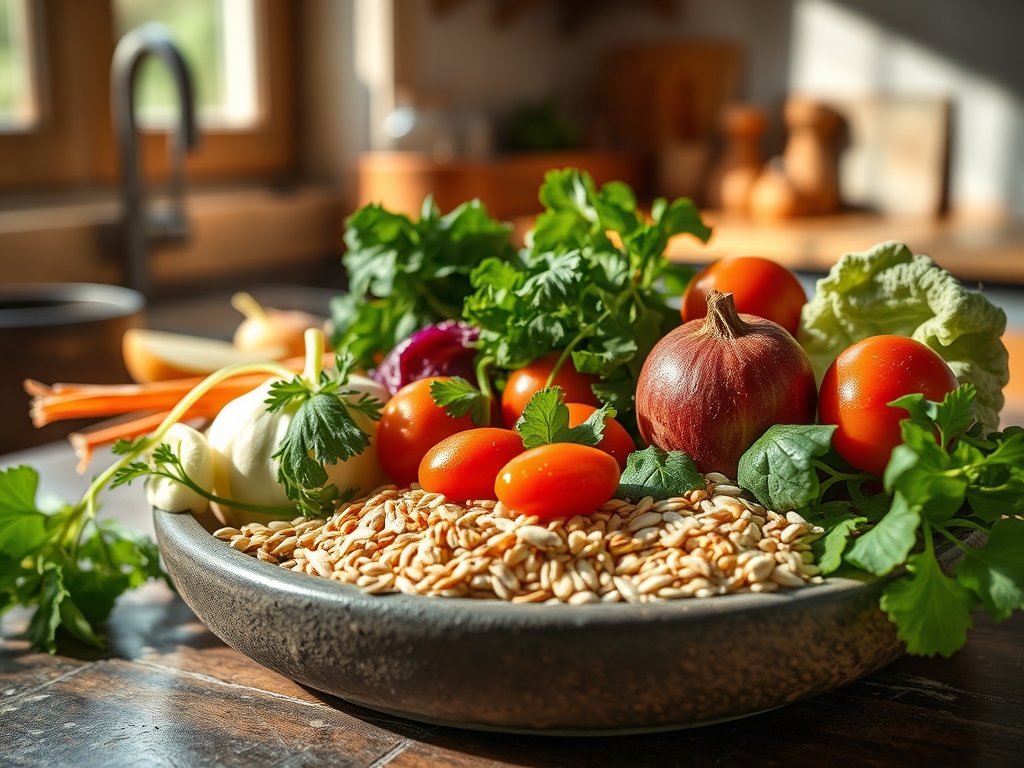
The Gathers:
To master these vietnamese chicken recipes, your mise-en-place must be precise. We start with the aromatic trinity: shallots, garlic, and ginger. Unlike Western cooking where we sweat onions until translucent, Vietnamese techniques often require us to infuse oil with these aromatics until they are crisp and golden, creating a flavored lipid base.
You will need high-quality fish sauce (nuoc mam), which acts as your primary source of glutamates. Look for "First Press" labels to ensure a clean, umami-rich profile without excessive bitterness. For the chicken, bone-in, skin-on thighs are non-negotiable for braises because the collagen converts to gelatin, creating a viscous sauce that coats the tongue.
Smart Substitutions:
If you cannot find fresh lemongrass, do not reach for the dried powder. Instead, use a mix of lemon zest and a tiny pinch of fresh mint to mimic that herbaceous, citrusy lift. If palm sugar is unavailable, use light brown sugar mixed with a teaspoon of maple syrup to replicate the complex, earthy sweetness. For a gluten-free profile, ensure your fish sauce is certified, as some lower-grade brands use wheat-based thickeners.
The Clock
Efficiency in the kitchen is about Chef's Flow, the art of overlapping tasks to maximize flavor development while minimizing downtime. Total active prep for these dishes usually clocks in at 25 minutes, with cooking times ranging from a quick 15-minute high-heat sauté to a 45-minute slow braise.
The secret to the "flow" is marination. While your chicken undergoes osmotic exchange in a marinade of fish sauce and sugar, you should be prepping your garnishes. Vietnamese food relies on "The Crunch," which means julienning cucumbers and picking cilantro leaves while the protein rests. Always allow your chicken to reach room temperature for 20 minutes before it hits the pan; this prevents the muscle fibers from seizing, ensuring a tender result.
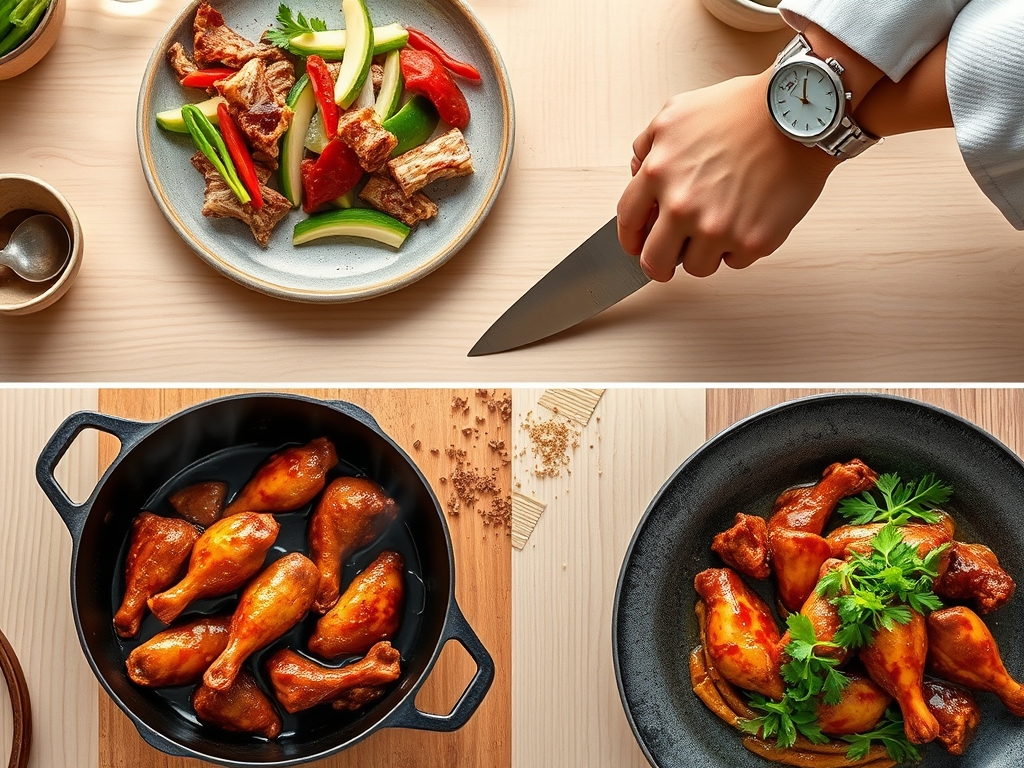
The Masterclass:
1. The Maillard Sear
Pat the chicken skin bone-dry with paper towels. Use a heavy-bottomed skillet to distribute heat evenly. Place the chicken skin-side down in a cold pan and gradually increase the heat to render the subcutaneous fat.
Pro Tip: This cold-start method prevents the skin from shrinking too quickly and ensures a glass-like crunch through slow thermal conduction.
2. Deglazing the Fond
Once the chicken is browned, remove it and look at the brown bits (the fond) at the bottom of the pan. Add your minced shallots and lemongrass. Use a wooden spoon to scrape the bottom as you pour in coconut water or stock to deglaze.
Pro Tip: The liquid dissolves the caramelized proteins, integrating those deep flavors back into your sauce via molecular suspension.
3. The Emulsification
Add your fish sauce and sugar. Bring the liquid to a vigorous boil to reduce it. This is where the sauce transforms from watery to a syrupy glaze.
Pro Tip: As the water evaporates, the concentration of sugars and fats increases, allowing them to emulsify into a glossy coating that clings to the meat.
4. The Aromatic Infusion
In the final five minutes of cooking, add fresh chilies and ginger matchsticks. We add these late to preserve the volatile oils that provide the "high notes" of the dish.
Pro Tip: High heat destroys the delicate aromatic compounds in ginger; adding it at the end ensures a piquant finish that cuts through the fat.
5. The Rest and Carryover
Remove the chicken from the heat when the internal temperature hits 160 degrees Fahrenheit. Use a digital scale or meat thermometer for accuracy.
Pro Tip: Thermal carryover will bring the chicken to the safe 165 degree mark while it rests, preventing the protein from becoming stringy or dry.
The Deep Dive
Macro Nutrition:
Vietnamese chicken recipes are naturally high in protein and relatively low in carbohydrates, especially if served with cauliflower rice or over a bed of fresh greens. A standard serving of Ga Kho (Braised Chicken) contains approximately 350 calories, 35g of protein, and 12g of healthy fats.
Dietary Swaps:
- Vegan: Replace chicken with extra-firm tofu or king oyster mushrooms. Use "No-Fish Sauce" made from fermented pineapple or seaweed to maintain the umami profile.
- Keto: Swap palm sugar for a monk fruit sweetener. The fat content in the chicken thighs makes this a perfect ketogenic meal.
- GF: Always verify your fish sauce and soy sauce (use Tamari) to avoid hidden gluten.
The Fix-It:
- Too Salty? Do not add water. Instead, add a squeeze of lime juice or a teaspoon of vinegar. The acid masks the perception of salt on the palate.
- Skin is Soggy? Your pan wasn't hot enough, or you overcrowded it. Next time, cook in batches to maintain high surface tension.
- Bitter Sauce? You likely burnt the sugar during the caramelization phase. Balance it with a splash of coconut milk to mellow out the acrid notes.
Meal Prep:
When reheating, use a saucier over low heat and add a tablespoon of water to re-hydrate the gelatinous sauce. Avoid the microwave, which can cause the chicken fats to go "warmed-over flavor" (WOF) due to rapid lipid oxidation.
The Wrap-Up
Mastering vietnamese chicken recipes is about finding the harmony between the fire of the stove and the freshness of the garden. You now have the technical blueprint to create dishes that are vibrant, textured, and scientifically sound. Remember that cooking is a sensory dialogue; listen for the sizzle, smell the caramelization of the fish sauce, and always taste as you go. Your kitchen is now a bridge to the bustling streets of Hanoi. Go forth and sear with confidence!
The Kitchen Table
Why is my Vietnamese chicken often dry?
You are likely overcooking the breast meat. Switch to bone-in thighs and use a digital thermometer to pull the meat at 160F. The bone acts as an insulator, retaining moisture during the high-heat braising process.
Can I use chicken breast for braising?
It is not recommended. Breasts lack the collagen and fat necessary for long simmers. If you must use them, slice thinly and "velvet" them with a touch of cornstarch before a very quick, high-heat stir-fry to retain juices.
What is the best fish sauce for beginners?
Look for Red Boat 40N. It is a premium, single-ingredient sauce that offers a pure umami flavor without the harsh "stinky" aroma found in lower-quality brands. It makes your vietnamese chicken recipes taste professional instantly.
How do I get the "burnt orange" color in the sauce?
This comes from "Nuoc Mau," or caramel water. You must carefully melt sugar until it reaches a dark amber, almost mahogany color, before adding liquid. This provides the signature bittersweet depth and iconic visual hue.