
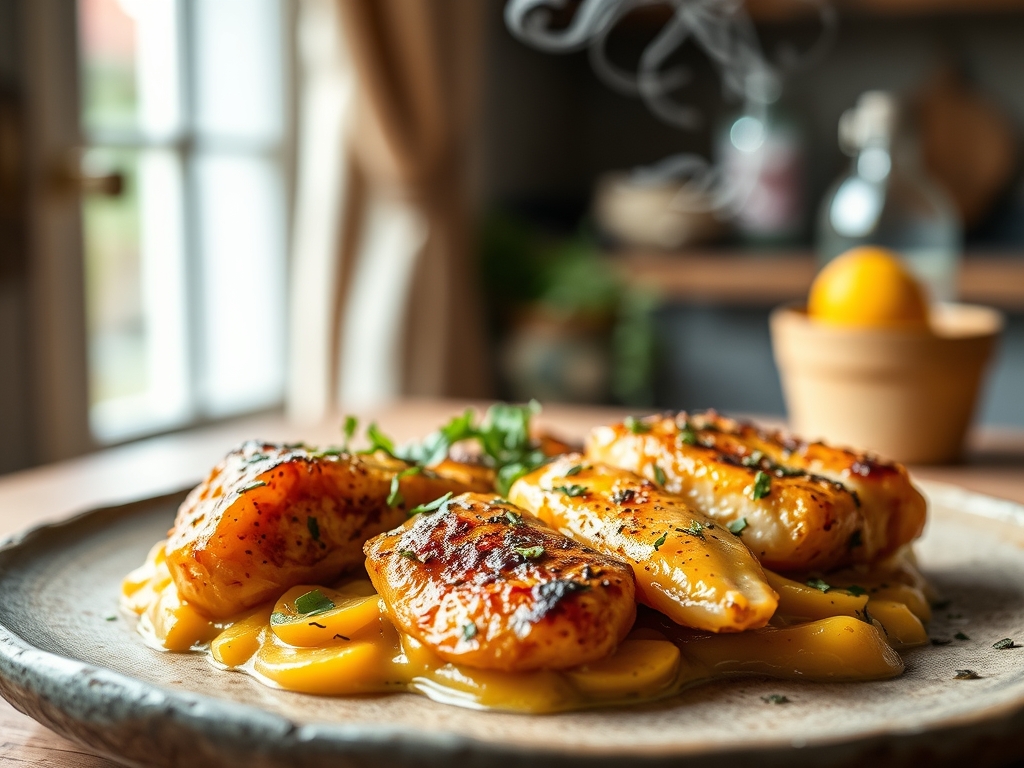
The smell of roasting squash is a chemical siren song. When those sugars begin to caramelize, they release a nutty, maltol-heavy aroma that pairs perfectly with the savory, lipid-rich profile of seared poultry. Mastering butternut and chicken recipes is less about following a list and more about managing moisture and heat to achieve the ultimate textural contrast.
Imagine a heavy-bottomed skillet where the chicken skin is shattering like glass while the squash cubes melt into a velvet puree. We are moving beyond the basic tray bake. We are diving into the molecular magic of Maillard reactions and the way starch molecules gelatinize to create a sauce that clings to every fiber of meat. Whether you are craving a piquant Thai-inspired curry or a classic French fricassee, these dishes rely on the same fundamental laws of thermodynamics.
Butternut squash is a powerhouse of complex carbohydrates that, when treated with high heat, undergoes a transformation that mimics the depth of a slow-cooked demi-glace. When you introduce the lean protein of chicken, you create a balanced nutritional profile that feels indulgent without being heavy. Today, we are stripping back the mystery and looking at the physics of the pan. Grab your apron; we are about to turn your kitchen into a laboratory of flavor.
The Gathers:
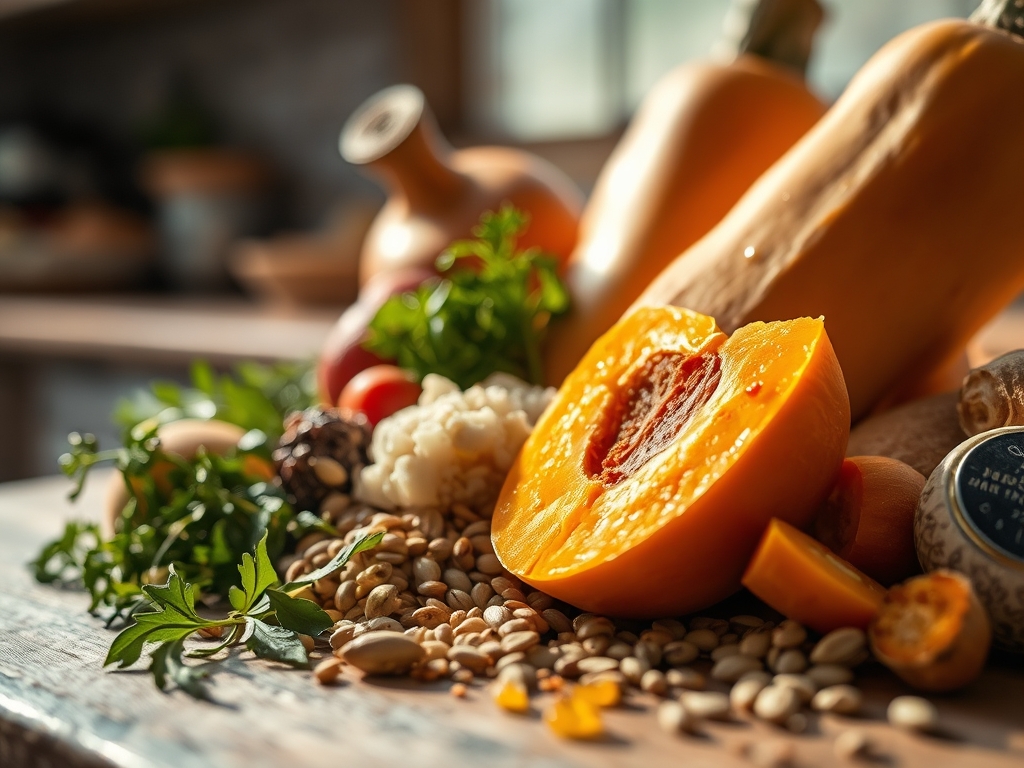
To execute high-level butternut and chicken recipes, your mise-en-place must be precise. Start with a firm, heavy butternut squash. You are looking for a matte skin; a glossy sheen often indicates a higher water content and less developed sugars. Use a sharp Y-peeler to remove the tough outer skin until you reach the vibrant orange flesh. For the chicken, air-dried thighs are the gold standard for home cooks. The lack of injected saline ensures the skin renders properly rather than steaming in its own juices.
Your aromatics should include fresh sage, rosemary, and shallots. Sage contains essential oils like thujone that become volatile and fragrant when fried in fat. You will also need a high-smoke-point oil, such as avocado or grapeseed oil, to handle the searing process without breaking down into bitter compounds.
Smart Substitutions:
If you cannot find butternut, Red Kuri or Honeynut squash are excellent alternatives due to their dense, non-fibrous texture. For a plant-based twist on the protein, firm pressed tofu can mimic the chicken's structural integrity, though you will lose the collagen-rich mouthfeel of the poultry. If you are avoiding nightshades, swap black pepper for a pinch of ground white pepper to maintain a sharp, piquant bite without the heat.
The Clock
Efficiency in the kitchen is about managing the Chef's Flow. This is the art of overlapping tasks so that no burner is cold and no hand is idle. For most butternut and chicken recipes, you are looking at a 20-minute prep window and a 35-minute cook time.
The secret to a 55-minute masterpiece is the "Staggered Start." While your oven preheats to a blistering 425 degrees Fahrenheit, you should be using your bench scraper to organize your diced squash. The squash requires a longer lead time to reach cellular breakdown, so it hits the heat first. While the squash begins its enzymatic browning, you can focus on searing the chicken. By the time the chicken reaches its safe internal temperature of 165 degrees Fahrenheit, the squash has softened into a state of peak sweetness. This synchronization ensures that neither component is overcooked or mushy.
The Masterclass
1. The Critical Sear
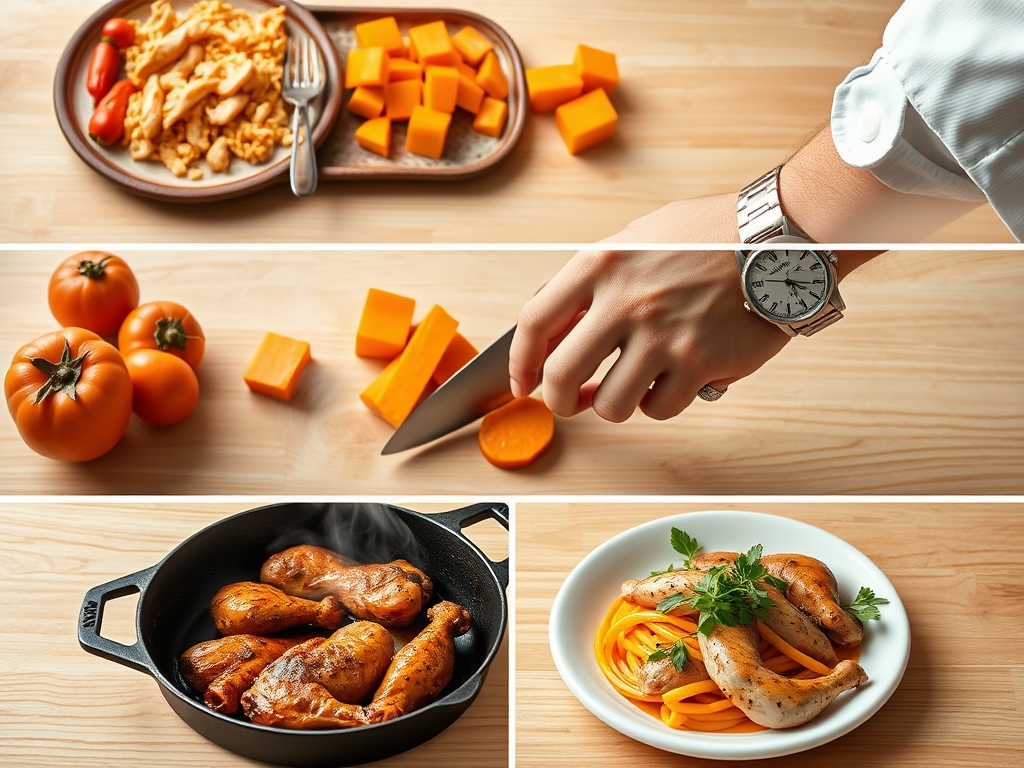
Place your chicken thighs skin-side down in a cold, heavy-bottomed skillet before turning the heat to medium-high. This allows the fat to render slowly, resulting in a thinner, crispier skin. Use your tongs to press the meat down for maximum surface contact.
Pro Tip: This technique utilizes thermal conduction to melt the subcutaneous fat before the proteins on the surface tighten, preventing the skin from becoming rubbery.
2. Cubing for Surface Area
Using a chef's knife, cut the squash into uniform 1-inch cubes. Uniformity is not just for aesthetics; it ensures that every piece reaches the same stage of starch gelatinization at the exact same moment.
Pro Tip: Smaller cubes increase the surface-area-to-volume ratio, which maximizes the area available for the Maillard reaction, the chemical reaction between amino acids and reducing sugars that creates savory depth.
3. Deglazing the Fond
Once the chicken is browned, remove it and add a splash of dry white wine or chicken stock to the pan. Use a wooden spoon to scrape up the brown bits (the fond) stuck to the bottom.
Pro Tip: This process is called deglazing. The liquid acts as a solvent, dissolving the concentrated proteins and sugars to create a highly flavorful base for your sauce.
4. Infusing Aromatics
Add your shallots and sage to the rendered chicken fat. Use a microplane to zest a bit of lemon over the pan. The heat will aerate the citrus oils, sending a bright, acidic aroma through the kitchen.
Pro Tip: Fat is a flavor carrier. By sautéing herbs in the chicken fat, you are performing a lipid infusion, trapping the volatile flavor compounds in the oil so they coat the entire dish.
5. The Final Roast
Combine the squash and chicken in a roasting pan and finish in the oven. The dry heat of the oven will dehydrate the surface of the squash, concentrating its natural sugars while the chicken reaches its final temperature.
Pro Tip: Watch for thermal carryover. Remove the chicken when it hits 160 degrees Fahrenheit; the internal energy will continue to cook the meat to the safe 165-degree mark while it rests.
The Deep Dive
Nutritionally, butternut and chicken recipes are a powerhouse. A single serving provides over 200 percent of your daily Vitamin A requirements and a significant dose of Vitamin C. The chicken offers high-quality lean protein and essential B vitamins.
Dietary Swaps:
- Vegan: Replace chicken with roasted chickpeas or cauliflower steaks. Use coconut aminos instead of chicken stock for a deep umami hit.
- Keto: Squash is higher in carbs, so reduce the portion size and increase the fat content with a heavy cream reduction or extra grass-fed butter.
- Gluten-Free: This dish is naturally gluten-free, but ensure your chicken stock is certified to avoid hidden thickeners.
The Fix-It:
- Soggy Squash: This happens when the pan is overcrowded. The moisture escaping the squash turns to steam. Fix: Use two sheet pans to allow for proper air circulation.
- Dry Chicken: You likely skipped the resting phase. Fix: Let the meat rest for at least 8 minutes to allow the juices to redistribute through the muscle fibers.
- Bland Sauce: It needs acid. Fix: A teaspoon of apple cider vinegar or a squeeze of fresh lemon will brighten the flavors and cut through the richness of the squash.
Meal Prep:
When reheating, avoid the microwave as it turns the squash to mush. Instead, use a toaster oven or a skillet with a lid. Adding a tablespoon of water creates a small amount of steam that rehydrates the chicken without ruining the texture of the squash.
The Wrap-Up
Mastering butternut and chicken recipes is a rite of passage for any home cook looking to bridge the gap between simple weeknight meals and gourmet execution. By understanding the science of the sear and the chemistry of the squash, you have transformed basic ingredients into a sophisticated culinary experience. Remember, the kitchen is your lab; do not be afraid to experiment with different herbs or acids to find your perfect balance. Now, go serve that masterpiece and enjoy the crisp, caramelized rewards of your labor!
The Kitchen Table
Why is my butternut squash taking so long to soften?
Squash contains tough cellulose and starch. If it stays hard, your oven temperature might be too low or the cubes are too large. Ensure you use a consistent 1-inch dice and a preheated oven at 400-425 degrees Fahrenheit.
Can I use chicken breasts instead of thighs?
Yes, but breasts are leaner and dry out quickly. To prevent this, sear them briefly and add them to the oven during the last 10 to 12 minutes of the squash's roasting time to avoid overcooking the delicate white meat.
How do I get the chicken skin extra crispy?
Pat the chicken completely dry with paper towels before seasoning. Moisture is the enemy of crispiness. Searing in a preheated cast-iron skillet allows the fat to render effectively, creating that coveted golden-brown, shatteringly crisp texture.
Is butternut squash skin edible?
Technically yes, but it is often tough and waxy. For the best texture in chicken dishes, it is highly recommended to peel the squash. If you prefer to keep the skin, choose a younger, smaller squash with thinner skin.
What is the best way to store leftovers?
Store in an airtight glass container for up to four days. To maintain texture, reheat in an air fryer or oven at 350 degrees Fahrenheit. This prevents the squash from becoming watery and keeps the chicken skin from getting rubbery.