
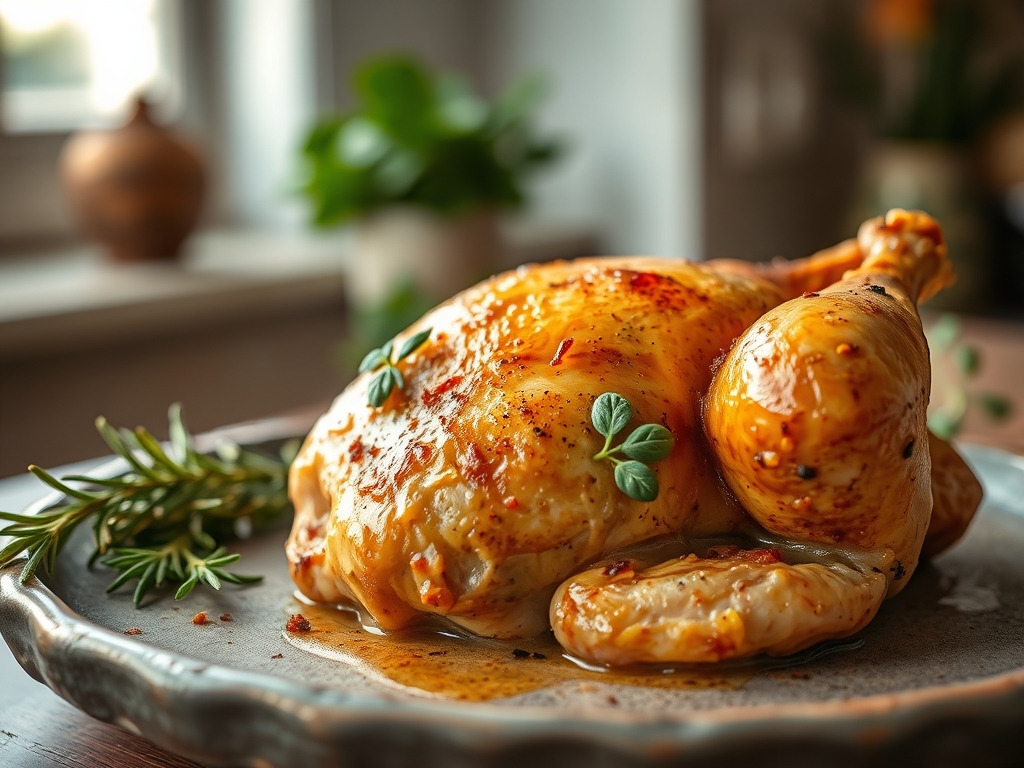
Picture the sound first: that distinct, glass-like crackle as a knife tip pierces a golden, parchment-thin skin. The kitchen is heavy with the scent of rendered schmaltz and toasted rosemary, a fragrance that signals the absolute peak of home cooking comfort. When you search for the best whole roast chicken recipes, you are not just looking for a meal; you are looking for the holy grail of culinary chemistry. It is the ultimate test of a cook, yet it relies on surprisingly simple physics. We are chasing that elusive combination of flesh that pulls away from the bone like silk and skin that shatters with a salty, savory crunch.
To master this, we have to move past the idea of just "baking a bird." We are managing moisture migration and heat transfer. We are engineers in aprons. Whether you are prepping for a Sunday centerpiece or looking for a reliable weeknight win, understanding the molecular shift from raw protein to a mahogany masterpiece is the secret. Grab your favorite heavy-bottomed skillet and a glass of wine; we are about to turn your kitchen into a high-end rotisserie.
The Gathers:
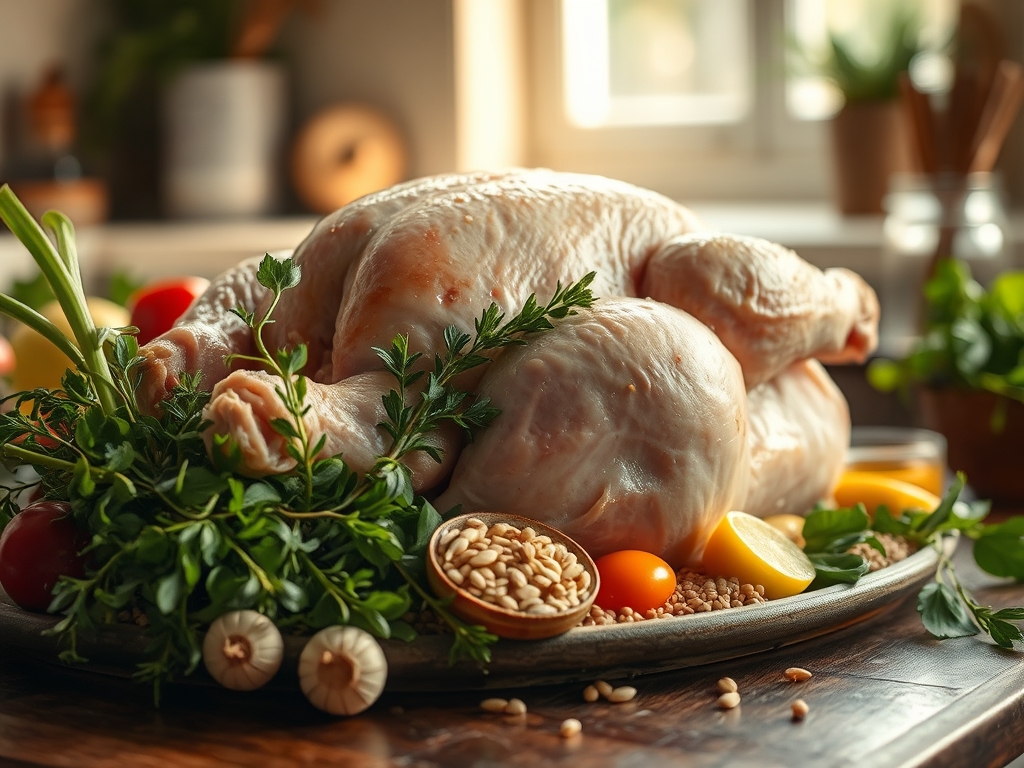
The mise-en-place for a world-class roast is about quality over quantity. You need a four to five-pound bird, ideally air-chilled. Standard water-chilled poultry carries excess moisture that turns into steam, which is the mortal enemy of crispy skin. You will also need high-quality fats. I prefer a combination of unsalted European-style butter for its high butterfat content and a neutral oil with a high smoke point like avocado oil.
For aromatics, gather a head of garlic sliced crosswise to expose the cloves; a handful of woody herbs like thyme, rosemary, and sage; and a lemon for its bright, piquant acidity. You will also need a generous amount of Kosher salt. The large grains are essential for even distribution and moisture extraction.
Smart Substitutions: If you are out of fresh herbs, do not reach for the dusty dried jars. Instead, use a tablespoon of white miso paste rubbed under the skin to provide a massive hit of umami. If lemons are missing, a splash of dry sherry or verjuice in the roasting pan provides that necessary acid to cut through the viscous rendered fats. Always use a digital scale to weigh your salt if you want perfect consistency; aim for 1.5 percent of the bird's total weight.
The Clock
The "Chef's Flow" is about timing your movements so the bird hits the table at its peak. Your active prep time is roughly 20 minutes, but the "invisible" prep should start 24 hours in advance with a dry brine. Once the bird hits the oven at 425 degrees Fahrenheit, you are looking at approximately 12 to 15 minutes per pound.
The most critical part of the clock is the rest. You must factor in a minimum of 20 minutes of resting time post-roast. This is not just a suggestion; it is the time required for the muscle fibers to relax and reabsorb the juices. If you carve too early, the moisture floods the cutting board, leaving you with dry meat. Total time from fridge to fork is about 90 minutes of active and passive cooking.
The Masterclass
1. The Desiccation Ritual
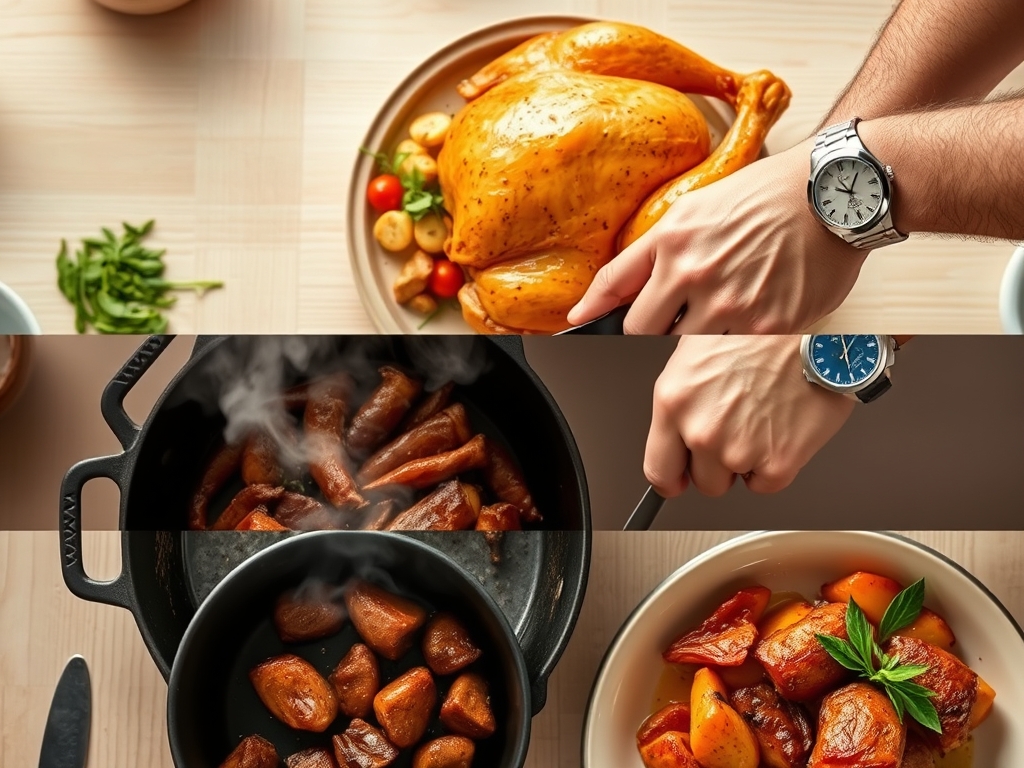
Pat the chicken bone-dry with paper towels inside and out. If time permits, leave it uncovered in the refrigerator for 24 hours. This process, known as surface desiccation, ensures that the oven's energy goes immediately into browning the skin rather than evaporating surface water.
Pro Tip: This is the science of the Maillard Reaction. By removing surface moisture, you allow the proteins and sugars on the skin to react at lower temperatures, creating hundreds of different flavor compounds and that deep mahogany color.
2. The Structural Truss
Using butcher's twine, pull the legs together and tuck the wing tips behind the back. This creates a uniform shape, which is vital for even heat distribution. A loose bird has too many "edges" that will overcook before the thickest part of the breast reaches safety.
Pro Tip: Trusssing minimizes the surface area of the cavity, which slows down the hot air flow. This prevents the breast meat from drying out while the dark meat of the legs, which requires a higher internal temperature to break down collagen, catches up.
3. The Fat Infusion
Slide your fingers under the skin to create a pocket, being careful not to tear it. Massage a compound butter made with garlic and herbs directly onto the breast meat. Then, coat the exterior skin with a thin layer of oil. Use a microplane to zest lemon over the top for a fragrant, volatile oil boost.
Pro Tip: This creates an emulsification environment. The butter under the skin bastes the meat from the inside, while the oil on the outside conducts heat more efficiently than air, leading to a more even, rapid crisping of the skin.
4. The High-Heat Launch
Start the chicken in a preheated 425 degree Fahrenheit oven. Use a heavy-bottomed skillet or a roasting pan with a rack. The rack allows for 360-degree air circulation, preventing a soggy bottom. Position the legs toward the back of the oven, which is usually the hottest zone.
Pro Tip: This initial blast of heat triggers thermal expansion. The rapid rise in temperature causes the moisture in the skin to turn to steam and escape quickly, which is what creates that puffed, crackly texture.
5. The Internal Audit
Use a digital probe thermometer to check the temperature in the thickest part of the thigh. You are looking for 160 degrees Fahrenheit. Remove the bird from the oven at this point. Do not wait for 165 degrees, or you will overcook it.
Pro Tip: This accounts for thermal carryover. Even after the chicken is removed from the heat, the internal temperature will continue to rise by 5 to 7 degrees as the residual heat from the exterior migrates toward the center.
6. The Rest and Deglaze
Transfer the chicken to a warm platter. While it rests, place your roasting pan on the stovetop. Add a splash of wine or stock to the pan and use a whisk to scrape up the browned bits, or fond. This is liquid gold.
Pro Tip: Deglazing captures the concentrated proteins and sugars that caramelized on the bottom of the pan. This creates a pan sauce that is chemically balanced with salt, fat, and acidity to complement the savory meat.
The Deep Dive
From a macro perspective, a whole roast chicken is a nutritional powerhouse. It is high in bioavailable protein and essential minerals like selenium and phosphorus. For those on a Keto diet, the rendered skin provides the perfect healthy fat ratio. If you are cooking for a Vegan guest, you can use this same "high-heat, dry-rub" technique on a large head of cauliflower or a celery root to mimic the textural experience.
The Fix-It:
- Soggy Skin: If the bird is done but the skin is pale, turn on the broiler for the last 2 minutes. Watch it like a hawk to avoid burning.
- Dry Breast: This usually means you skipped the trussing or the rest. Next time, try roasting the bird breast-side down for the first 20 minutes to let the juices pool in the white meat.
- Pink Joints: If the meat is cooked but the joints look bloody, it is often a sign of a young bird where the marrow has leached through the porous bone. It is safe to eat as long as the thermometer reads 165 degrees.
Meal Prep: To reheat leftovers without that "reheated chicken" smell (which is caused by lipid oxidation), avoid the microwave. Instead, wrap the chicken in foil with a tablespoon of water or stock and heat in a 300 degree oven. This gently re-hydrates the protein without denaturing it further.
The Wrap-Up
Mastering the best whole roast chicken recipes is about more than just a meal; it is about reclaiming the heart of the home. By focusing on the science of moisture control and the magic of the Maillard reaction, you transform a simple grocery staple into a gourmet event. Remember: dry the skin, truss for evenness, and always, always let it rest. Your kitchen is now a sanctuary of scent and flavor. Go ahead, take that first crunchy bite; you have earned it.
The Kitchen Table
How do I get the crispiest skin on a roast chicken?
The secret is surface desiccation. Pat the bird dry with paper towels and salt it 24 hours in advance. Leave it uncovered in the fridge. This removes moisture, allowing the skin to crisp immediately in the high heat of the oven.
What temperature is a whole chicken actually done?
Pull the chicken from the oven when the thickest part of the thigh hits 160 degrees Fahrenheit. Residual heat will carry the internal temperature up to the food-safe 165 degrees during the resting period, ensuring the meat stays moist and tender.
Do I really need to truss the chicken?
Yes. Trussing ensures a compact, uniform shape. This prevents the wings and legs from overcooking before the breast is done. It also slows air circulation in the cavity, which helps keep the white meat from drying out during the roasting process.
Why does my roast chicken smoke up the kitchen?
Smoking usually happens when rendered fat hits a dry, hot roasting pan. To fix this, add a few sliced onions or a splash of water to the bottom of the pan. This keeps the fat from reaching its smoke point and burning.
Can I roast a chicken from frozen?
It is not recommended. A frozen bird will cook unevenly; the outside will be dangerously overcooked by the time the center reaches a safe temperature. Always thaw your chicken completely in the refrigerator for 24 to 48 hours before roasting.