
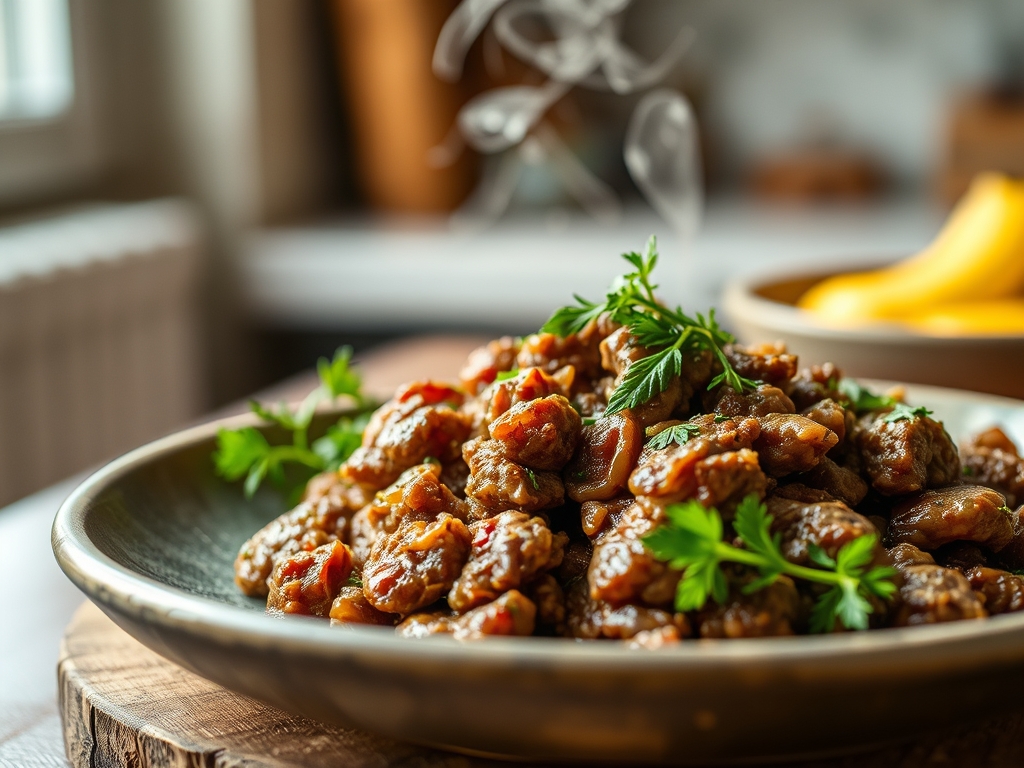
Imagine the sound of cold fat hitting a preheated cast iron surface. It is a sharp, aggressive hiss that signals the start of the Maillard reaction. That aroma of browning amino acids is the universal language of comfort. When you are hunting for delish ground beef recipes, you are not just looking for a meal; you are looking for a transformation of the humble into the extraordinary. Ground beef is the ultimate culinary chameleon. It is a high-surface-area protein that allows for maximum caramelization and flavor absorption. Whether you are aiming for a silky ragu or a crusty smash burger, the secret lies in managing moisture and heat. We are moving past the basic taco night and diving into a world where texture is king and fat is a flavor delivery vehicle. Get ready to master eight indulgent ways to elevate this freezer staple into a gourmet centerpiece that will make your kitchen smell like a high-end bistro.
The Gathers:
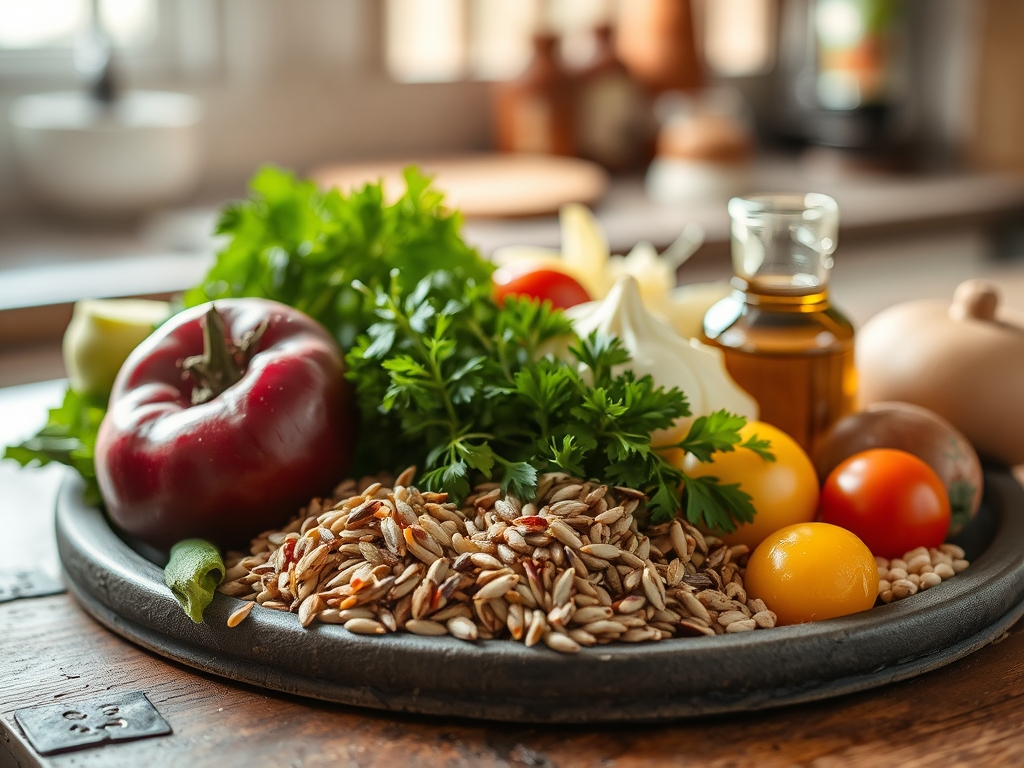
To execute these delish ground beef recipes with precision, your mise-en-place must be impeccable. Start with the protein itself. I recommend an 80/20 blend for most indulgent applications. This ratio ensures enough intramuscular fat to render and create a self-basting environment during the sear. You will need a heavy-bottomed skillet, preferably seasoned cast iron or stainless steel, to maintain thermal mass. Grab your microplane for aromatics like garlic and ginger; this tool breaks down the cell walls to release volatile oils more effectively than a knife.
For the liquids, keep a high-quality beef bone broth and a dry red wine on standby for deglazing. The acidity in the wine is essential to cut through the richness of the beef tallow. For the "Smart Substitutions," if you find yourself without high-fat beef, you can whisk a tablespoon of cold, grated butter into leaner 90/10 beef to mimic the mouthfeel of a higher fat content. If you are avoiding nightshades, swap tomato paste for an umami-rich mushroom puree or a splash of Worcestershire sauce to maintain that deep, savory profile.
The Clock:
Efficiency in the kitchen is about understanding the "Chef's Flow." For these recipes, the total active time averages 20 minutes, with a passive simmer or rest time of 15 to 30 minutes. The flow begins with the tempering of the meat; never drop ice-cold beef into a hot pan, or the temperature will plummet, causing the meat to steam in its own juices rather than sear.
While the meat tempers, use your bench scraper to organize your chopped aromatics. The "Golden Window" occurs during the first six minutes of cooking, where you achieve the crust. If you are making a sauce-based dish, the flow shifts to a slow reduction. This is where the saucier pan becomes your best friend, as its curved bottom prevents the proteins from scorching in the corners. Total time from fridge to table is roughly 45 minutes, but the flavor profile will suggest you spent hours over the stove.
The Masterclass:
1. The High-Heat Sear
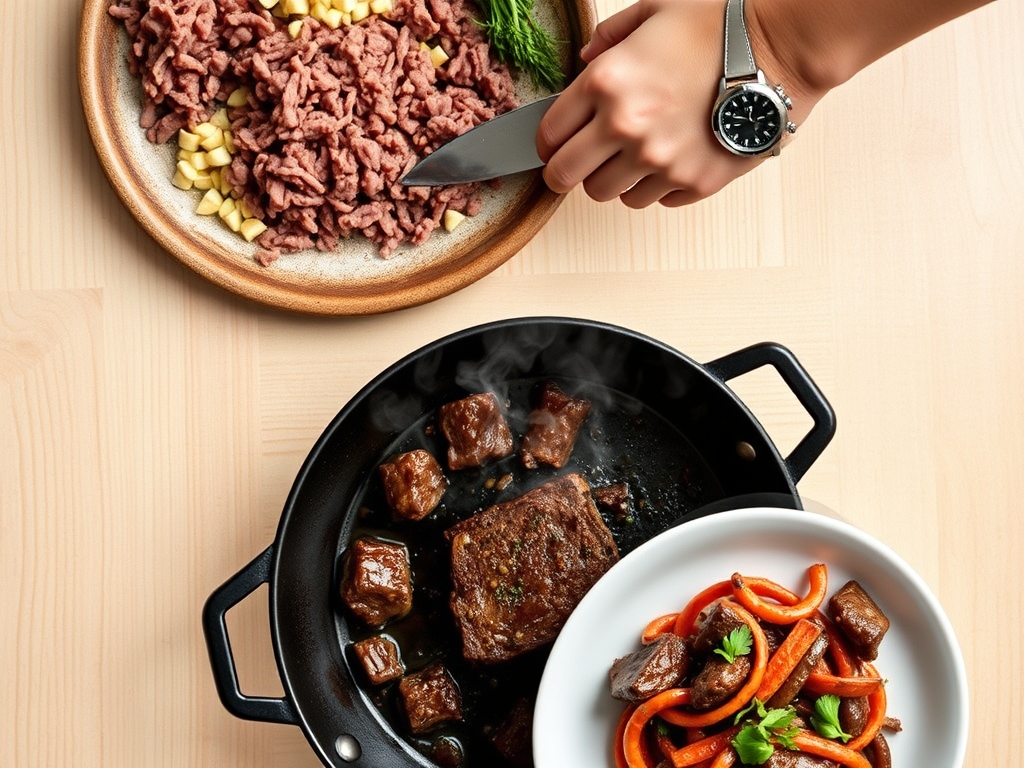
Place your beef in a single layer in the skillet. Do not crowd the pan, as this leads to moisture buildup and gray, boiled meat. Use a stiff spatula to press the meat down, maximizing contact with the heat source.
Pro Tip: This stage relies on thermal conductivity. By leaving the meat undisturbed for three minutes, you allow the Maillard reaction to create a complex crust of rearranged sugars and proteins.
2. Deglazing the Fond
Once the meat is browned and removed, you will see brown bits stuck to the pan. This is "fond," the concentrated essence of flavor. Pour in your liquid and scrape the bottom of the pan vigorously with a wooden spoon.
Pro Tip: Deglazing is a chemical process where the liquid acts as a solvent, dissolving the caramelized proteins and incorporating them back into your sauce for a deeper umami profile.
3. Emulsifying the Sauce
If your recipe calls for a sauce, add your fats (like butter or heavy cream) at the very end over low heat. Whisk constantly to incorporate the fat into the water-based liquids.
Pro Tip: This creates a stable emulsion. The proteins in the beef act as a bridge between the fat and water molecules, resulting in a glossy, viscous coating rather than a greasy mess.
4. The Gentle Simmer
Lower the heat to a whisper. If the liquid boils too hard, the protein fibers in the beef will tighten and become rubbery. A gentle bubble ensures the collagen breaks down without toughening the meat.
Pro Tip: This is known as enzymatic tenderization. Maintaining a temperature just below boiling allows the connective tissues to soften while preserving the moisture within the muscle cells.
5. Aerating the Aromatics
Add fresh herbs like parsley or chives only in the final thirty seconds. This preserves their bright, piquant notes which would otherwise be lost to volatile evaporation during a long cook.
Pro Tip: Fresh herbs contain essential oils that are highly heat-sensitive. Adding them late ensures the "top notes" of the dish remain vibrant and balance the heavy fats.
6. Balancing with Acidity
Finish the dish with a squeeze of lemon or a teaspoon of sherry vinegar. This does not make the dish taste sour; it brightens the entire flavor spectrum.
Pro Tip: Acidity acts as a palate cleanser, breaking through the coating of fat on your tongue so you can taste the nuances of the beef in every single bite.
7. The Resting Period
Even ground beef benefits from a five-minute rest before serving, especially in burger or loaf form. This allows the internal juices to redistribute through the meat.
Pro Tip: This prevents moisture loss. During cooking, muscle fibers contract and push juice out; resting allows those fibers to relax and reabsorb the liquid via capillary action.
8. Final Texture Check
Use a digital scale to ensure your portions are even, then check the final consistency. If the sauce is too thin, a quick "monter au beurre" (whisking in cold butter) will fix it.
Pro Tip: Cold butter contains intact milk solids that provide a superior thickening power and a professional, velvety finish compared to warm butter.
The Deep Dive:
From a macro perspective, ground beef is a nutritional powerhouse, offering high concentrations of Vitamin B12, Zinc, and Selenium. An average 4-ounce serving of 80/20 beef contains roughly 20 grams of protein and 22 grams of fat. For those on a Keto path, this is a perfect ratio. If you are looking for a Vegan swap, lentils or minced walnuts mixed with mushrooms provide a similar textural "crumb" and earthiness. For Gluten-Free needs, ensure your thickeners are cornstarch or arrowroot rather than flour.
The "Fix-It" Guide:
- The Greasy Sauce: If your sauce separates, add a tablespoon of boiling water and whisk vigorously. The heat and moisture help re-emulsify the fat.
- The Tough Texture: This usually means the beef was over-handled. Next time, mix your seasonings in gently with a fork to avoid protein cross-linking, which turns beef into a "rubbery" puck.
- The Lack of Color: If your meat is gray, your pan wasn't hot enough or was too crowded. Drain the liquid, turn up the heat, and add a small amount of oil to jumpstart the browning.
For meal prep, ground beef is a champion. To maintain "day-one" quality, reheat your beef in a skillet with a splash of broth rather than the microwave. Microwaves cause dielectric heating, which can vibrate water molecules so fast they steam the meat from the inside out, leading to a "warmed-over flavor" caused by lipid oxidation.
The Wrap-Up:
Mastering delish ground beef recipes is about more than just following a list of steps; it is about understanding the physics of the pan and the chemistry of the ingredients. By focusing on the Maillard reaction, proper deglazing, and the final balance of acidity, you can turn a basic pound of meat into a culinary masterpiece. Don't be afraid to experiment with different fat ratios or exotic aromatics. Your kitchen is your laboratory, and the rewards are absolutely delicious. Now, grab your heavy-bottomed skillet and go create something indulgent!
The Kitchen Table:
How do I prevent ground beef from getting dry?
Avoid over-mixing the raw meat, as this develops too much collagen. Cook to an internal temperature of 160 degrees Fahrenheit and always allow the meat to rest for five minutes to ensure the juices redistribute throughout the fibers.
Why is my ground beef gray instead of brown?
Gray meat is caused by steaming rather than searing. This happens if the pan is not hot enough or is overcrowded. Ensure your skillet is shimmering hot and cook in batches to allow moisture to evaporate quickly.
Can I freeze cooked ground beef dishes?
Yes, ground beef dishes freeze beautifully. Ensure the food reaches room temperature before sealing in an airtight container. This prevents ice crystals from forming, which can damage the texture of the meat upon reheating.
What is the best way to drain excess fat?
Carefully tilt the skillet and use a spoon to remove liquid fat, or use tongs to hold a crumpled paper towel and soak up the grease. Never pour fat down the drain, as it solidifies and causes clogs.
How do I add more umami to beef?
Incorporate ingredients like tomato paste, soy sauce, or Worcestershire sauce. These contain high levels of glutamates which enhance the savory profile of the beef, creating a more complex and satisfying flavor without needing excessive salt.