
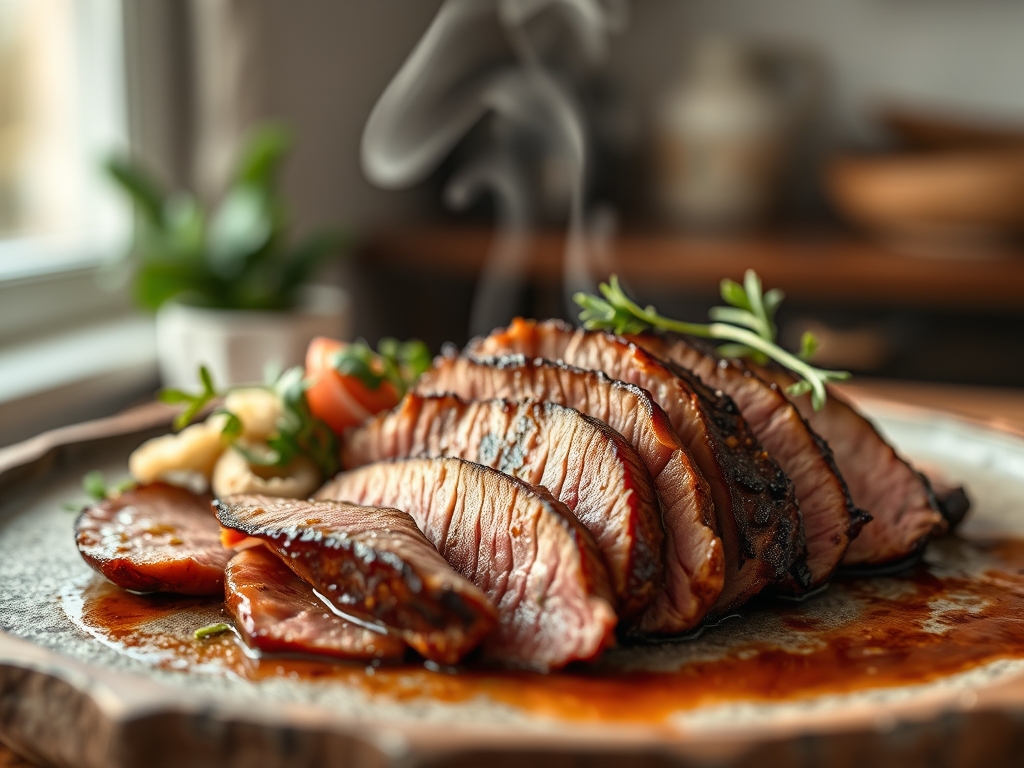
Imagine the heavy scent of rosemary and garlic still clinging to the kitchen air while a cold, slightly grey hunk of beef sits dejectedly in your refrigerator. We have all been there. You spent hours perfecting that Sunday roast; yet, the Monday morning reality of cold leftovers feels less like a gourmet win and more like a culinary chore. Mastering leftover sliced roast beef recipes is not just about clearing out the fridge; it is about reclaiming the integrity of the protein through heat management and flavor layering. We are going to take that chilled muscle fiber and transform it into six distinct, vibrant meals that feel intentional rather than accidental. From piquant French dips to silky stroganoffs, we are diving deep into the molecular magic that turns "day-old" into "five-star."
The Gathers:
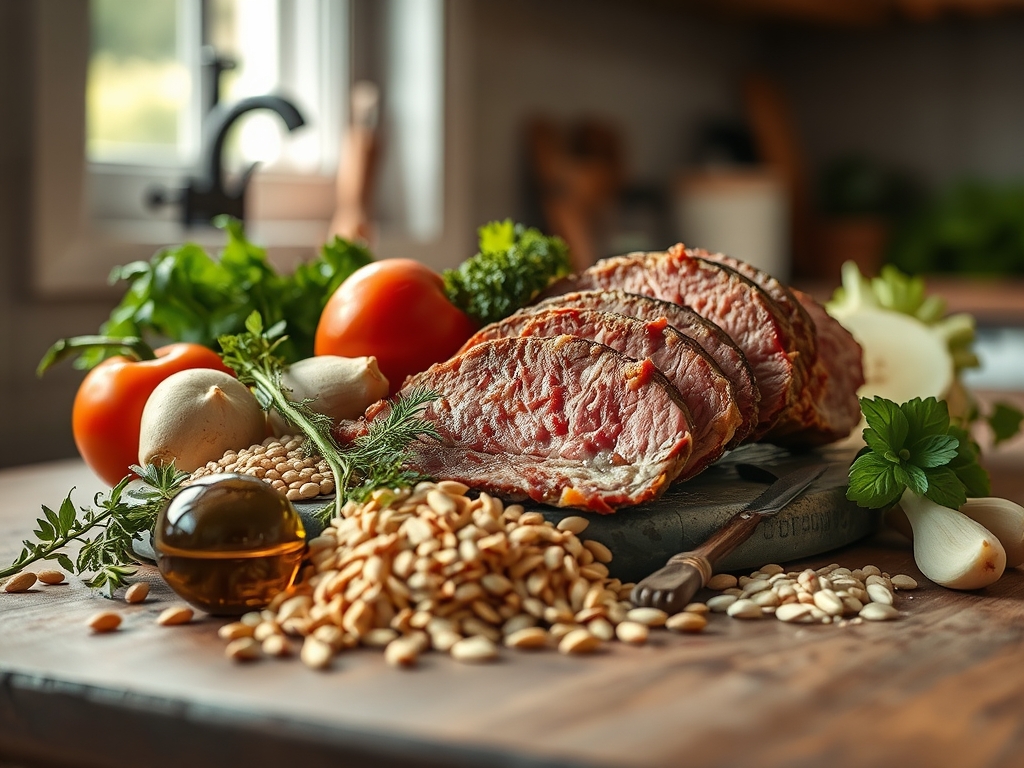
To execute these transformations, your mise-en-place must be precise. Start with your cold roast beef. Cold meat is easier to slice thinly because the fats are solid and the proteins are firm. You will also need a viscous beef stock or bone broth to provide the necessary moisture for rehydration. Gather high-smoke-point oils like avocado or grapeseed oil; these allow you to render any remaining fat without scorching the delicate surface of the pre-cooked meat.
Essential aromatics include shallots, garlic, and fresh herbs like thyme or flat-leaf parsley. For acidity, keep a bottle of dry red wine or balsamic vinegar nearby to deglaze your heavy-bottomed skillet. If you are looking for smart substitutions, swap heavy cream for full-fat coconut milk in savory sauces, or use a gluten-free tamari instead of soy sauce to achieve that essential umami depth. Always have a microplane ready for zest and a digital scale to ensure your ratios of meat to sauce remain perfectly balanced.
The Clock:
Efficiency in the kitchen is about "Chef's Flow," the art of overlapping tasks to minimize downtime. For these recipes, prep time is usually a brisk 15 minutes because the primary protein is already cooked. The cooking phase generally lasts between 10 and 20 minutes.
The goal is to avoid overcooking. Since the beef has already reached its target internal temperature once, your time on the stove is purely for "re-thermalization" and flavor infusion. By the time your pasta water boils or your sandwich rolls are toasted, your beef should be ready to meet the heat. This rapid turnaround makes leftover sliced roast beef recipes the ultimate weeknight weapon.
The Masterclass:
1. The Ultimate French Dip Au Jus
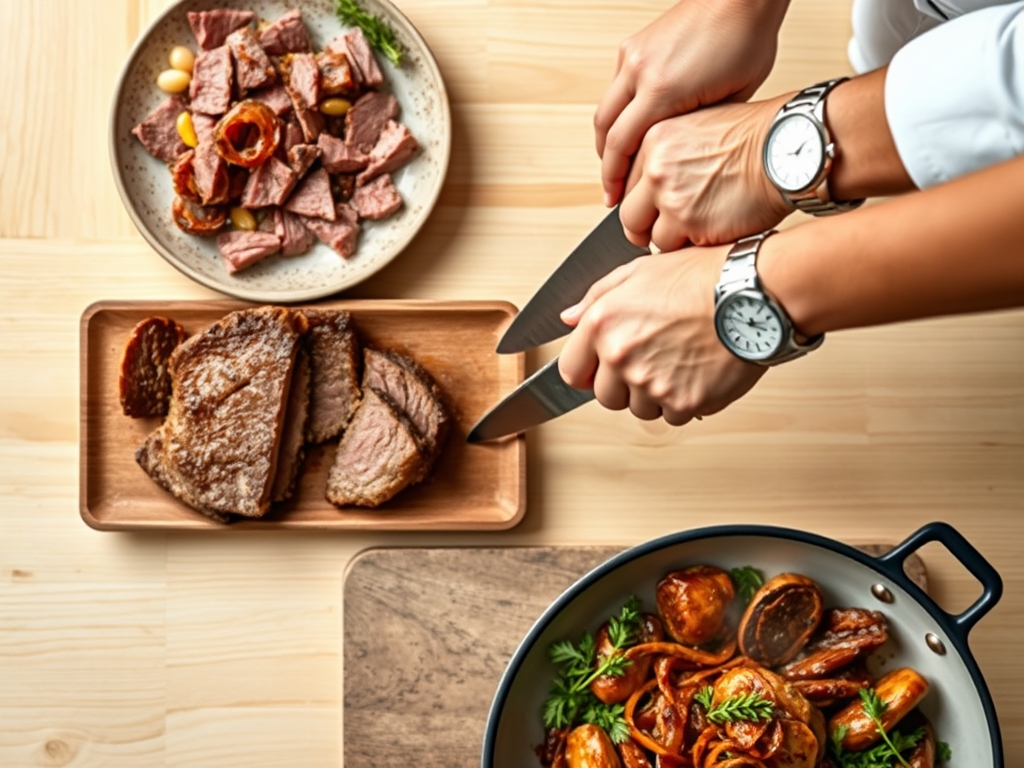
Start by slicing your beef against the grain into paper-thin ribbons. In a saucier, simmer beef stock with a splash of Worcestershire sauce and a crushed garlic clove. Gently submerge the beef slices for only 60 seconds to warm them through without toughening the fibers. Serve on a toasted baguette with a side of the infused broth.
Pro Tip: This method utilizes gentle poaching, which prevents the proteins from tightening and squeezing out moisture. Keeping the liquid below a simmer ensures the beef remains tender.
2. Beef and Blue Cheese Flatbreads
Spread a thin layer of caramelized onions over a pre-baked flatbread. Top with bite-sized pieces of roast beef and crumbles of pungent blue cheese. Place under the broiler for 3 minutes until the cheese is bubbling and the edges of the beef begin to crisp.
Pro Tip: This relies on the Maillard reaction. The high heat of the broiler creates new flavor compounds on the surface of the meat, adding a smoky complexity that was absent in the original roast.
3. Quick Beef Stroganoff
Sauté sliced mushrooms in butter until they release their liquid and brown. Stir in a tablespoon of flour to create a roux, then slowly whisk in beef broth until viscous. Fold in your sliced beef and a dollop of sour cream at the very end. Serve over wide egg noodles.
Pro Tip: This is an exercise in emulsification. Adding the sour cream off the heat prevents the proteins in the dairy from denaturing and curdling, ensuring a silky texture.
4. Spicy Beef Stir-Fry
Whisk together soy sauce, ginger, and toasted sesame oil. Heat a heavy-bottomed skillet until it smokes slightly. Flash-fry snap peas and bell peppers, then toss in the beef and sauce for a final 30-second aerate and glaze.
Pro Tip: High-heat stir-frying is about thermal mass. Using a heavy pan ensures the temperature doesn't drop when the cold meat hits the surface, allowing the sauce to reduce into a thick glaze instantly.
5. Roast Beef Breakfast Hash
Dice your beef into small cubes. In a skillet, crisp up par-boiled potatoes in beef tallow or butter. Once the potatoes are golden, fold in the beef and chopped scallions. Top with a poached egg for a rich, runny yolk "sauce."
Pro Tip: This process uses conductive heat to crisp the exterior of the beef cubes. The fat acts as a heat transfer medium, creating a crunch that contrasts with the soft interior.
6. Balsamic Beef Salad with Arugula
Whisk a piquant balsamic vinaigrette. Toss peppery arugula, shaved parmesan, and toasted walnuts in a large bowl. Lay room-temperature slices of roast beef over the top and drizzle with extra dressing.
Pro Tip: Serving the beef at ambient temperature allows the fat to soften without the need for additional cooking. This preserves the original "medium-rare" texture of a high-quality roast.
The Deep Dive:
From a nutritional perspective, roast beef is a powerhouse of heme iron and Vitamin B12. A standard 4-ounce serving provides roughly 30 grams of protein with varying fat content depending on the cut. For those following a Keto lifestyle, these recipes are naturally low-carb if you skip the bread and pasta. For a vegan-friendly swap in the household, seitan or portobello mushrooms can be treated with the same searing techniques to mimic the beef's texture.
The Fix-It:
- The Meat is Dry: If your beef feels like leather, it has been over-reheated. Fix this by finely chopping it and folding it into a high-fat sauce like gravy or aioli to provide "artificial" moisture.
- The Sauce is Broken: If your stroganoff sauce separates, whisk in a teaspoon of warm water or a bit more cream to re-emulsify the fats and liquids.
- The Flavor is Dull: Leftovers often lose their "pop." Brighten the dish with a "finish" of fresh lemon juice or a splash of vinegar to wake up the palate.
Meal Prep Science:
When reheating for "day-one" quality, avoid the microwave. The waves agitate water molecules so violently they can tear the protein structures, resulting in a rubbery texture. Instead, use a steamer basket or a low-temperature oven (250 degrees Fahrenheit) covered with foil to gently coax the meat back to life.
The Wrap-Up:
Transforming your kitchen from a storage unit for leftovers into a high-end bistro is all about confidence and technique. By understanding how heat interacts with pre-cooked proteins, you can ensure every bite of your leftover sliced roast beef recipes is just as succulent as the first. Don't be afraid to experiment with bold acids and high-quality fats. Grab your tongs, fire up that skillet, and turn those "boring" leftovers into the highlight of your week. You have the tools, the science, and the flavor; now go make something incredible!
The Kitchen Table:
How do I prevent leftover roast beef from getting tough?
Avoid high-heat reheating for long periods. Instead, thinly slice the beef and gently warm it in a flavorful liquid like broth or gravy. This rehydrates the muscle fibers and maintains a tender, succulent mouthfeel without overcooking the protein.
How long does cooked roast beef stay fresh in the fridge?
Stored in an airtight container, cooked roast beef remains safe and flavorful for three to four days. For the best quality, ensure it is cooled quickly after the initial meal and kept at a constant temperature below 40 degrees Fahrenheit.
Can I freeze leftover sliced roast beef?
Yes, you can freeze it for up to three months. To maintain texture, wrap the slices tightly in plastic wrap and then place them in a heavy-duty freezer bag. Thaw slowly in the refrigerator before using in your favorite recipes.
What are the best cuts of roast beef for leftovers?
Cuts with moderate marbling, such as ribeye or top sirloin, make the best leftovers. The internal fat helps the meat remain moist during the second round of heating, whereas leaner cuts like eye of round may require more sauce.