
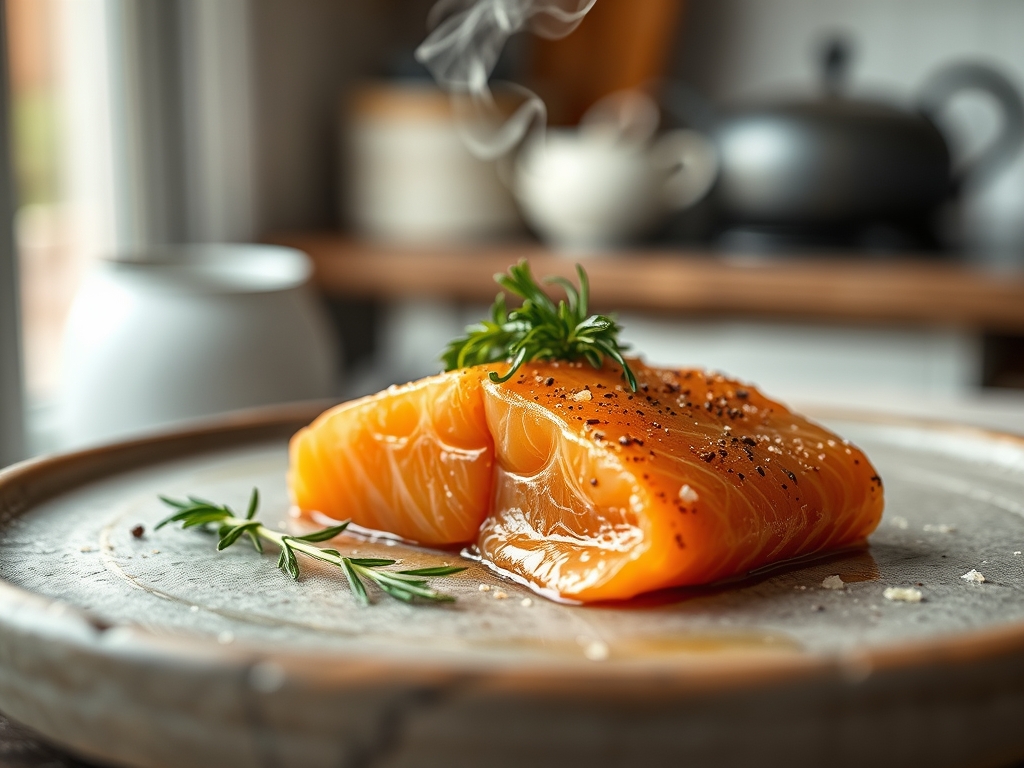
Imagine the air in your backyard thick with the scent of smoldering alder wood and caramelized maple sugar. There is a specific, primal joy in watching a vibrant fillet of Atlantic salmon transform into a buttery, flake-apart masterpiece. When searching for smoked salmon recipes masterbuilt enthusiasts swear by, the secret is never just the heat; it is the marriage of precision airflow and the delicate chemistry of the cure. We are not just cooking fish today. We are orchestrating a transformation of proteins and fats that will make your kitchen feel like a high-end Pacific Northwest smokehouse. Grab your digital scale and your favorite apron because we are about to dive deep into the technical artistry of the perfect smoke. This process requires patience and a bit of scientific curiosity, but the reward is a fillet so tender it practically dissolves on the tongue.
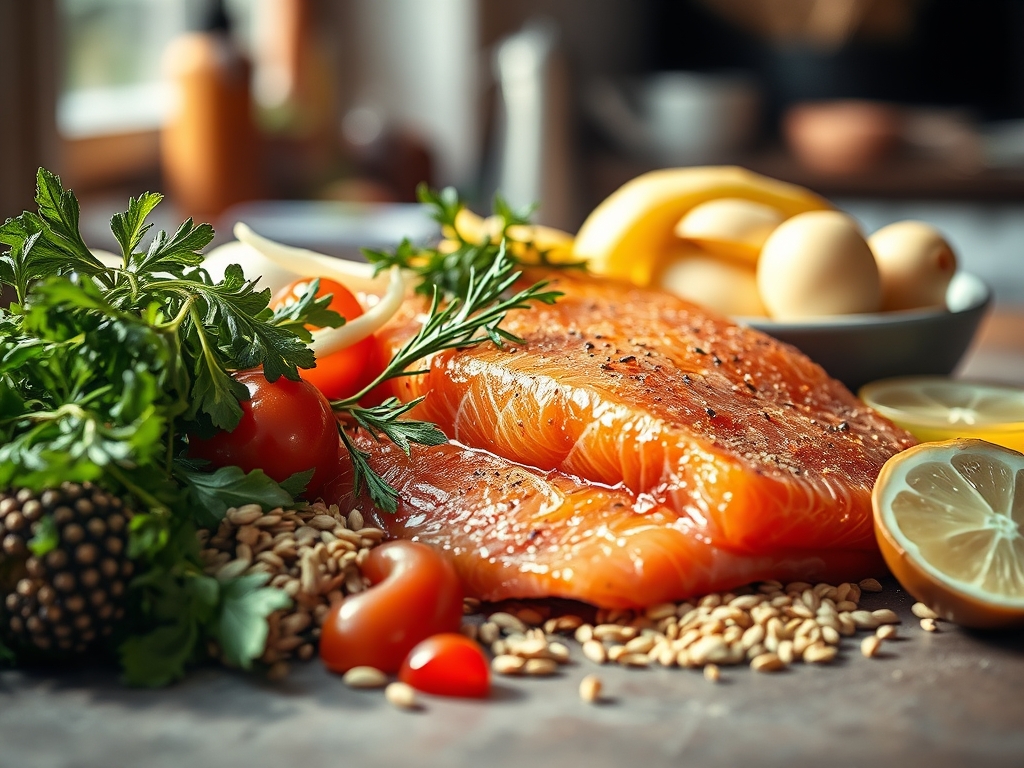
The Gathers:
To achieve professional results, your mise-en-place must be exact. Start with a side of high-quality salmon, preferably center-cut for uniform thickness. You will need a digital scale to measure 100 grams of coarse kosher salt and 200 grams of dark brown sugar. The salt acts as a denaturant, while the sugar provides the viscous base for the pellicle to form. Add one tablespoon of cracked black peppercorns and a teaspoon of toasted coriander seeds for a piquant aromatic profile.
For the equipment, ensure your Masterbuilt water pan is clean and your wood chip loader is primed with apple or alder wood. Smart substitutions are your best friend here. If you are out of brown sugar, a combination of granulated sugar and a tablespoon of molasses creates that same deep, earthy sweetness. No coriander? Use a microplane to zest a single lemon into the cure for a bright, citrusy lift that cuts through the fatty acids of the fish.
The Clock
The "Chef's Flow" is all about managing the transition from the dry cure to the heat. Expect a total active prep time of 20 minutes, but the passive time is where the magic happens. Your salmon needs a minimum of 4 hours in the cure to properly draw out moisture. Following that, a 2-hour air-dry period is non-negotiable to develop the pellicle. The actual smoking time typically ranges from 2 to 3 hours depending on the thickness of the fillet and your desired internal temperature. Plan for a total window of about 8 to 10 hours from fridge to table.
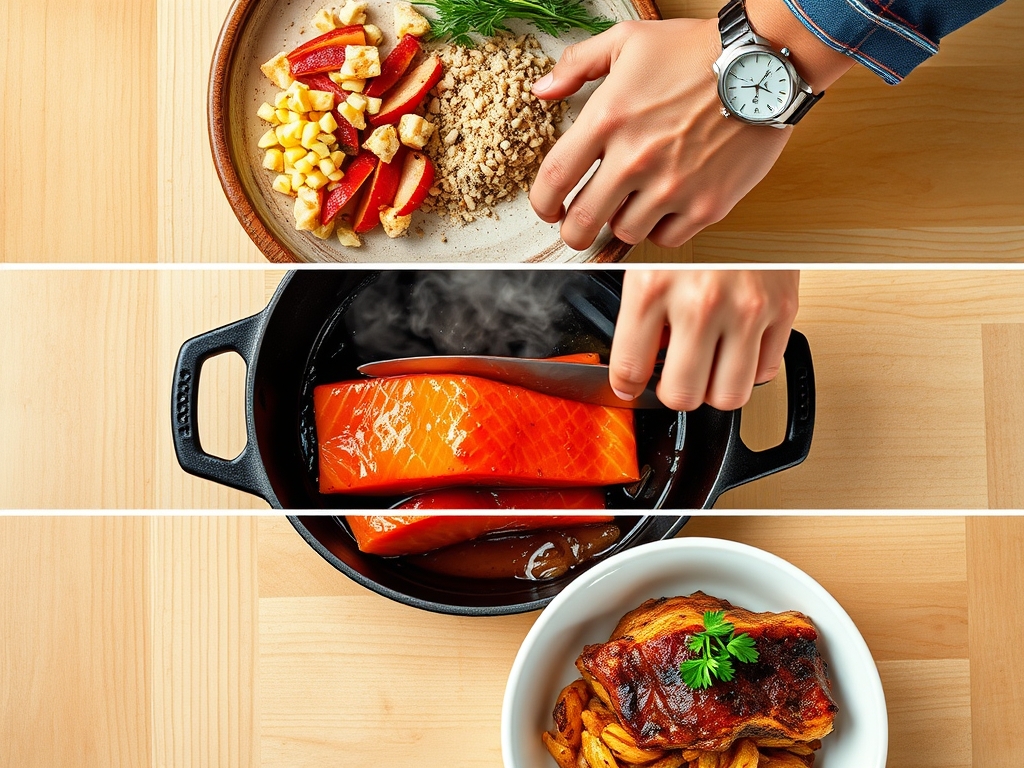
The Masterclass
1. The Osmotic Cure
Lay your salmon on a parchment-lined sheet pan. Mix your salt and sugar thoroughly and pack it onto the flesh side of the fish. Use a bench scraper to ensure the edges are evenly coated. Cover with plastic wrap and refrigerate.
Pro Tip: This step utilizes osmosis to draw water out of the muscle fibers. By reducing the water activity, you concentrate the flavor and create a firmer texture that holds up during the long smoke.
2. The Pellicle Formation
Rinse the cure off with cold water and pat the fish bone-dry with paper towels. Place the salmon on a wire cooling rack set over a sheet pan. Position a small fan to blow cool air over the fish for 2 hours until the surface feels tacky.
Pro Tip: The tacky surface is called a pellicle. This protein film is essential because it provides a "sticky" surface for smoke molecules to adhere to; without it, your salmon will look gray rather than golden.
3. Preheating the Chamber
Set your Masterbuilt smoker to 225 degrees Fahrenheit. Fill the water pan with hot water to help regulate the internal temperature and maintain a humid environment.
Pro Tip: Humidity prevents the exterior of the fish from drying out too quickly. This allows for thermal equilibrium, ensuring the center reaches the safe zone without the edges becoming "jerky."
4. Infusing the Smoke
Place the salmon on the middle rack. Add your wood chips every 45 to 60 minutes. Use a saucier to warm a glaze of maple syrup and bourbon if you want a glossy finish.
Pro Tip: Wood smoke contains phenols and carbonyls that act as natural preservatives. Adding chips in intervals ensures a "clean" blue smoke rather than a bitter, white creosote-heavy smoke.
5. Monitoring the Internal Temp
Use a digital probe thermometer to monitor the thickest part of the fillet. You are aiming for an internal temperature of 140 degrees Fahrenheit for a moist, flaky result.
Pro Tip: This is the stage of protein denaturation. At 140 degrees, the connective tissues begin to soften, but the albumin (that white stuff) hasn't yet aggressively leaked out of the muscle.
6. The Glaze Application
During the last 30 minutes of cooking, brush your maple-bourbon glaze over the top using a silicone pastry brush.
Pro Tip: The sugars in the glaze undergo the Maillard reaction, creating complex new flavor compounds through the interaction of amino acids and reducing sugars under heat.
7. The Resting Period
Remove the salmon using wide tongs or a large spatula to prevent breaking. Let it rest on a cutting board for at least 15 minutes before serving.
Pro Tip: Resting allows for thermal carryover, where the internal temperature rises slightly while the juices redistribute. This prevents the moisture from rushing out the moment you take your first bite.
The Deep Dive
From a nutritional standpoint, smoked salmon is a powerhouse of Omega-3 fatty acids and high-quality protein. A 4-ounce serving typically contains about 200 calories, 25 grams of protein, and 10 grams of healthy fats. For a Keto version, simply swap the brown sugar for a monk fruit erythritol blend. If you are looking for a vegan alternative, large "steaks" of marinated watermelon or carrots can be smoked using the same wood chip techniques, though the cook time will be significantly shorter.
If you hit a snag, don't panic. If your salmon looks "wet" after smoking, your pellicle didn't dry long enough; simply pat it dry and let it sit at room temperature for ten minutes. If you see white "blobs" (albumin) on the surface, you cooked it too fast or too hot. You can gently scrape these off with a knife. If the skin is stuck to the rack, use a thin offset spatula to slide underneath the flesh. For meal prep, reheat smoked salmon gently in a low oven at 250 degrees with a splash of water to maintain that "day-one" moisture.
The Wrap-Up
Mastering smoked salmon recipes masterbuilt style is a rite of passage for any backyard chef. It is a process that rewards precision and punishes haste, but the result is a centerpiece that commands respect. Whether you are serving it on a brunch bagel with capers and red onion or flaking it into a creamy pasta, the depth of flavor you have created is incomparable to anything store-bought. Now, get out there, fire up that smoker, and show those fillets who is boss!
The Kitchen Table
How long does smoked salmon last in the fridge?
When stored in an airtight container or vacuum-sealed bag, smoked salmon remains fresh for up to seven days. For longer storage, you can freeze it for up to three months without significant texture loss.
What is the best wood for smoking salmon?
Alder is the traditional choice for its light, sweet profile. Fruitwoods like apple or cherry are also excellent. Avoid heavy woods like hickory or mesquite, as they can easily overwhelm the delicate flavor of the fish.
Why is my smoked salmon salty?
Excessive saltiness usually stems from over-curing or failing to rinse the fish thoroughly. Ensure you follow the 4-hour limit for the dry cure and use a cold-water rinse to remove all surface salt before drying.
Can I smoke frozen salmon?
Yes, but you must thaw it completely in the refrigerator first. Pat it extremely dry before starting the curing process to ensure the salt can effectively penetrate the muscle fibers and draw out excess moisture.
What temperature should I pull the salmon at?
For the best texture, pull the salmon at an internal temperature of 140 degrees Fahrenheit. The temperature will carry over to 145 degrees while resting, which is the USDA recommended safe temperature for cooked fish.