
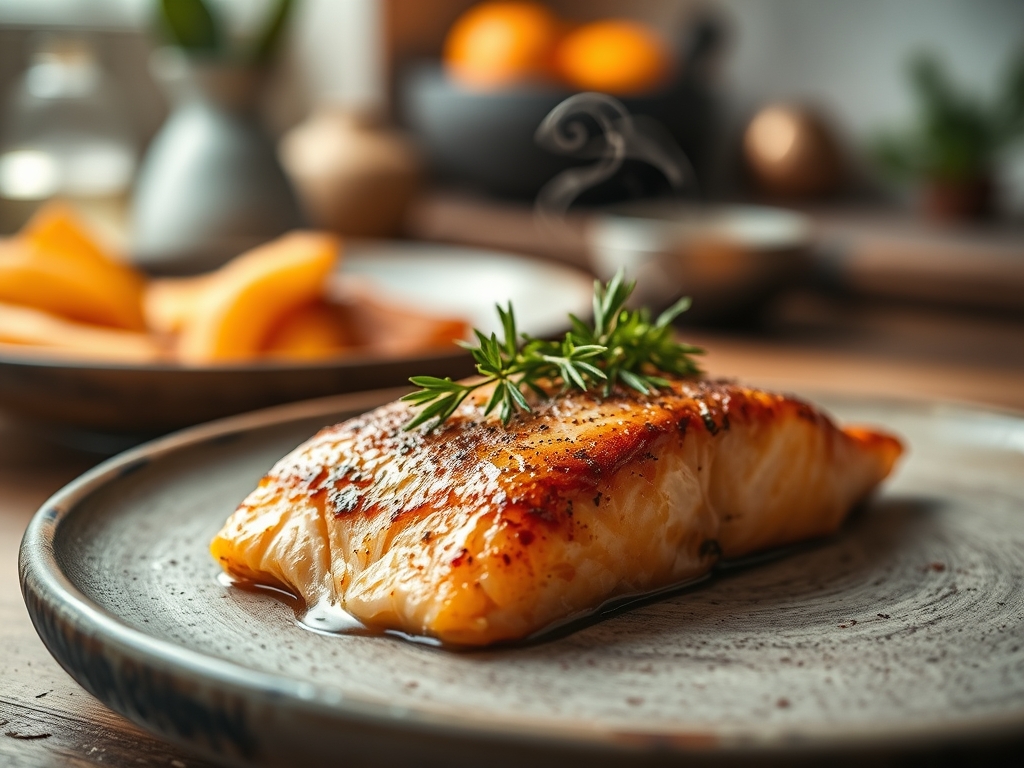
Picture a kitchen filled with the scent of bubbling maple syrup and toasted sesame. The salmon rests on the counter; its flesh is a vibrant, fatty coral that promises a buttery melt. When you master sweet salmon recipes baked to perfection, you are not just cooking; you are orchestrating a chemical masterpiece of sugar caramelization and protein denaturation.
The magic happens when a viscous glaze meets high heat. This creates a lacquered crust that protects the delicate omega-3 fatty acids inside. Whether you are aiming for a sticky honey garlic finish or a sophisticated apricot miso crust, the goal is a balance of salt, acid, and sugar. We are moving beyond the basic lemon slice. We are diving into the molecular level of how heat transforms a simple fillet into a restaurant quality centerpiece. Grab your apron and your favorite saucier; we are about to turn your kitchen into a high end bistro.
The Gathers:
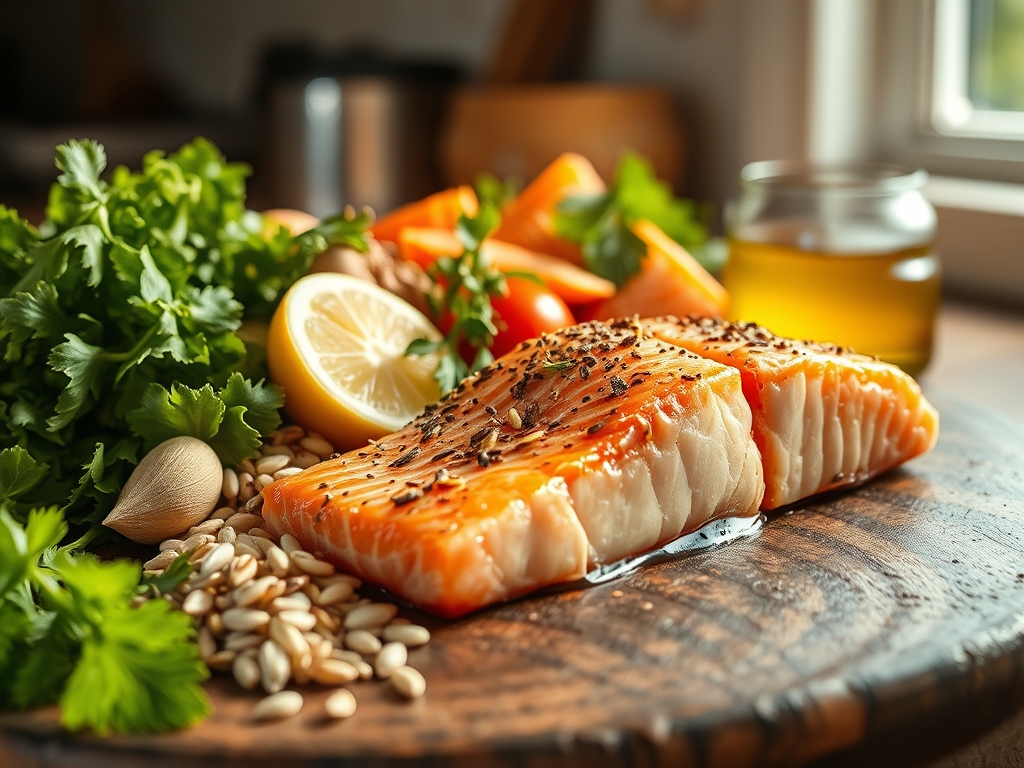
To achieve the ultimate glaze, your mise-en-place must be precise. Start with high quality Atlantic or King salmon fillets. You will need a viscous sweetener like Manuka honey or Grade A maple syrup. These sugars have the right molecular weight to cling to the fish without immediately running off into the pan. For the savory counterpoint, use a fermented soy sauce or tamari; these provide the essential amino acids for the Maillard reaction.
Essential tools include a microplane for zesting citrus and grating fresh ginger to release aromatic oils. You will also need a digital scale for precise measurements of your glaze components. If you find yourself missing an ingredient, use these smart substitutions: swap honey for agave nectar if you need a lower glycemic index, or use coconut aminos for a soy free alternative. Always include a pinch of smoked paprika or chipotle powder to provide a piquant depth that cuts through the sugar.
The Clock:
Efficiency in the kitchen is all about the "Chef's Flow." Total active prep time should take no more than 15 minutes. This includes whisking your glaze in a small saucier and patting the fish bone dry. The baking process itself is a tight window of 12 to 15 minutes depending on the thickness of the fillet.
The flow works like this: preheat your oven to 400 degrees Fahrenheit while you prepare the glaze. While the salmon undergoes its first 8 minutes of roasting, you should be reducing any leftover glaze on the stovetop to create a thick syrup. This staggered timing ensures that the final application of glaze happens exactly when the fish proteins begin to set, preventing the sugar from burning before the center is cooked.
The Masterclass:
1. The Surface Preparation
Use a paper towel to remove every trace of moisture from the skin and flesh. A dry surface is the only way to ensure the glaze adheres rather than steaming off.
Pro Tip: This prevents the formation of steam pockets. If the surface is wet, the heat energy is wasted evaporating water instead of triggering enzymatic browning.
2. The Sear Foundation
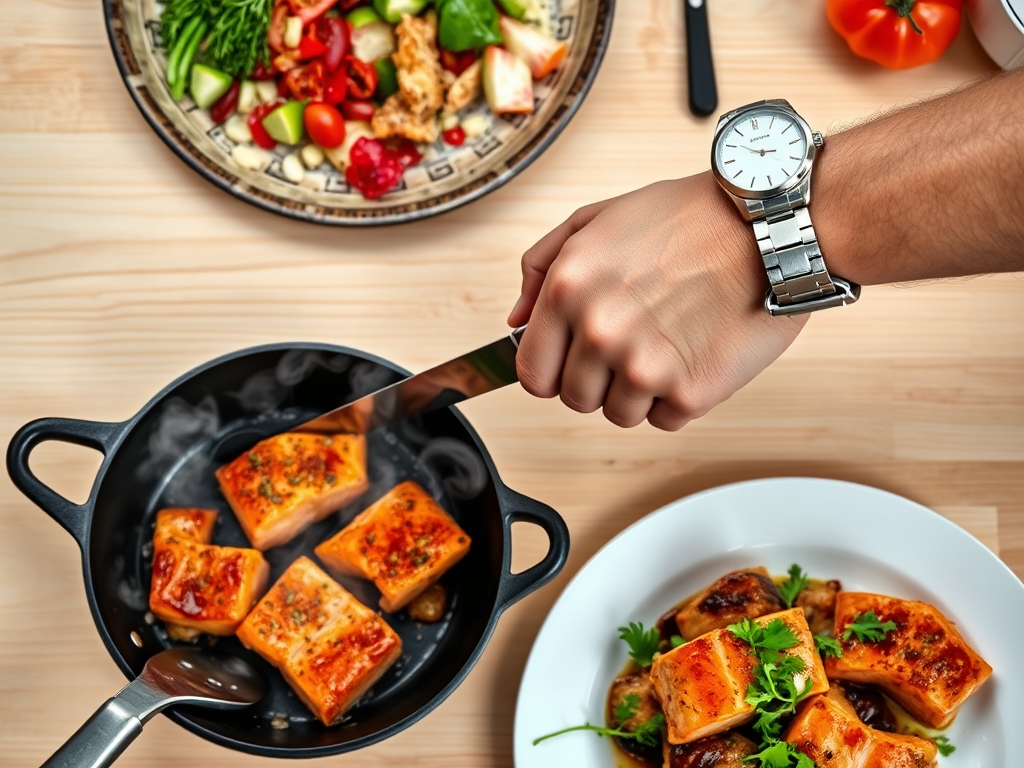
Place the salmon skin side down in a heavy-bottomed skillet or on a preheated baking sheet. This immediate contact with heat begins to render the subcutaneous fat.
Pro Tip: Starting with a hot surface initiates thermal conduction faster. This ensures the skin becomes crisp while the delicate top remains tender.
3. The First Glaze Application
Brush a thin layer of your sweet mixture over the top. Do not drench it yet; you want a base layer to bond with the muscle fibers.
Pro Tip: Sugars act as a humectant. This initial thin layer traps internal moisture, preventing the protein fibers from tightening too quickly and becoming "chalky."
4. The Mid-Point Baste
Halfway through the bake, use tongs to gently check the firmness. Apply a second, thicker layer of glaze. This builds the "lacquer" effect seen in professional food photography.
Pro Tip: This is known as layering. By adding glaze in stages, you create a complex texture of caramelized sugars and fresh, bright flavors.
5. The Broil Finish
Switch your oven to the broil setting for the final 90 seconds. Watch it like a hawk. You want the sugar to bubble and darken slightly at the edges.
Pro Tip: This rapid increase in radiant heat triggers the Maillard reaction. It creates hundreds of new flavor compounds that give the salmon its "sweet and savory" punch.
6. The Carryover Rest
Remove the salmon when the internal temperature hits 130 degrees Fahrenheit. Transfer it to a warm plate using a wide bench scraper to keep the fillet intact.
Pro Tip: Thermal carryover will continue to cook the fish for several minutes. Resting allows the juices to redistribute so they do not leak out when you flake it.
The Deep Dive:
From a nutritional standpoint, salmon is a powerhouse. A standard 6 ounce portion provides roughly 34 grams of protein and is rich in Vitamin B12. While the glaze adds carbohydrates, using natural sweeteners like maple syrup provides trace minerals like manganese and zinc.
If you are following a Keto lifestyle, replace the sugar with a monk fruit or erythritol based syrup; these mimic the viscosity of honey without the insulin spike. For a vegan "salmon" alternative, this same glazing technique works beautifully on thick slabs of roasted watermelon or firm tofu.
The Fix-It:
- The Glaze is Running Off: Your glaze is too thin. Reduce it further in a saucier until it coats the back of a spoon.
- The White Gunk (Albumin): You are cooking the fish too fast or too high. This protein pushes out when the muscle fibers contract too hard. Lower the heat slightly.
- Burnt Skin, Raw Middle: Your rack is too high in the oven. Move it to the center position to balance convection and radiation.
For meal prep, never microwave your salmon on high power. The intense waves will cause the fats to explode and the protein to toughen. Instead, reheat it in a 300 degree oven with a splash of water and a foil cover to maintain "day-one" moisture.
The Wrap-Up:
You are now officially a master of the sweet and glazed arts! By understanding the science of sugar and the physics of heat, you have elevated a simple weeknight meal into a gourmet experience. Remember that cooking is as much about the tools as it is the ingredients; keep that microplane sharp and your digital scale calibrated. Go forth, glaze with confidence, and enjoy the most succulent salmon of your life!
The Kitchen Table:
Why does my salmon have white stuff on it?
That white substance is albumin, a protein that extrudes when salmon is cooked too quickly. To minimize it, cook the fish at a lower temperature or brine it in salt water for ten minutes before baking.
Can I use frozen salmon for glazing?
Yes, but you must thaw it completely and pat it extremely dry. Frozen salmon often retains extra moisture, which can dilute your glaze and prevent the sugars from properly caramelizing during the baking process.
How do I know when the salmon is done?
The most reliable method is using a digital thermometer to reach 135 degrees Fahrenheit. Alternatively, press the top of the fillet; if the flakes separate easily along the white fat lines, it is perfectly cooked.
What is the best sweetener for a thick glaze?
Honey and maple syrup are superior because they contain natural invert sugars that create a sticky, viscous coating. Granulated sugar requires more liquid and heat to reach the same consistency without burning.