
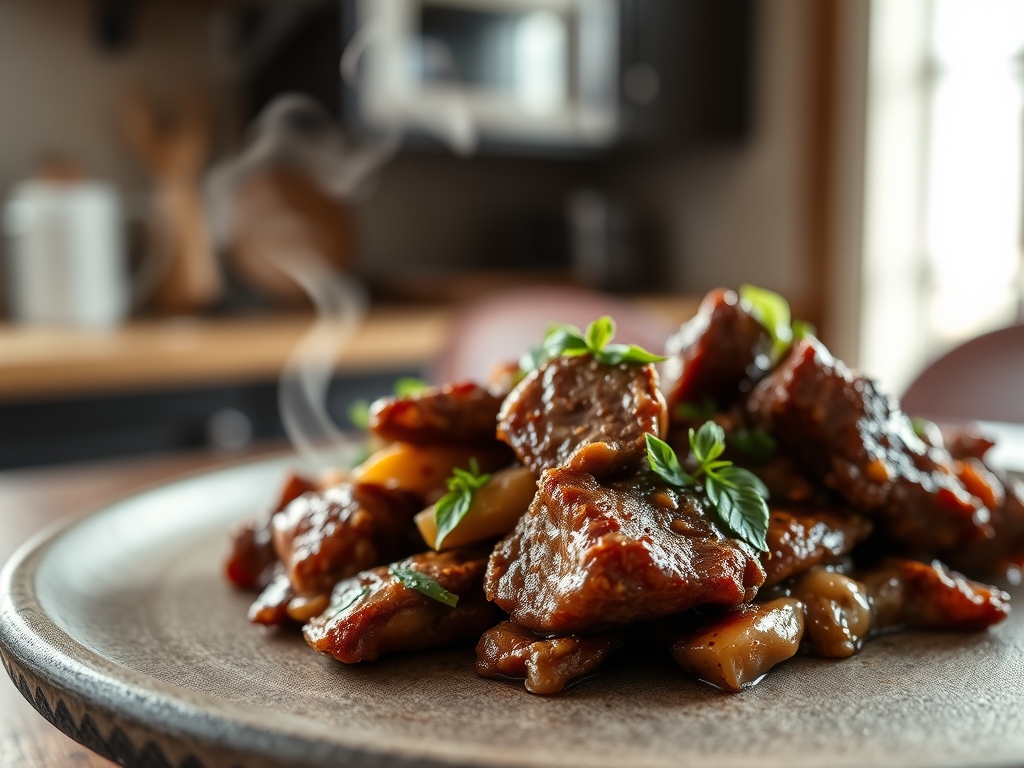
Picture the scent of slow-simmered brisket and chuck roast drifting through your home on a rainy Tuesday. It is the ultimate olfactory hug. When we talk about kettle beef recipes, we are diving into the soul of comfort food; where tough connective tissues transform into silk. This is not just cooking; it is a delicious chemistry experiment.
There is a specific magic that happens when you marry a heavy pot with the right cut of meat. You are looking for that perfect balance of salt, fat, and time. Whether you are a seasoned pro or a kitchen novice, mastering kettle beef recipes is your ticket to becoming the hero of Sunday dinner. We are going to explore seven variations that range from classic savory gravies to zesty, modern twists. Get ready to turn your kitchen into a high-end bistro where the beef is always tender and the flavors are perpetually deep.
The Gathers:
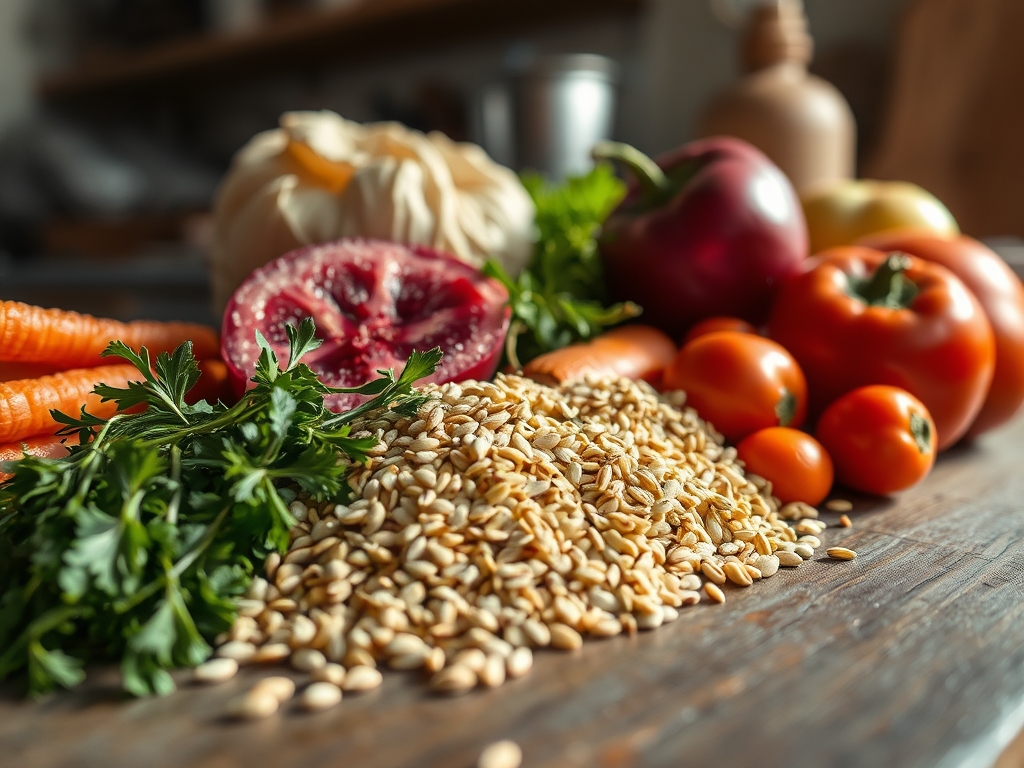
To execute these kettle beef recipes with precision, your mise-en-place must be impeccable. Start with your protein. You want high-collagen cuts like chuck roast, bottom round, or brisket. Use a digital scale to ensure you have exactly five pounds of beef, cubed into uniform two-inch pieces. This uniformity ensures that the thermal conductivity remains consistent across every morsel.
For the aromatic base, you will need the holy trinity: onions, carrots, and celery. Use a sharp chef knife to create a fine brunoise. This increases the surface area, allowing the sugars to caramelize faster. You will also need high-quality beef stock (look for "low sodium" so you can control the salinity), dry red wine like a Cabernet Sauvignon for acidity, and a bouquet garni of fresh thyme, rosemary, and bay leaves.
Smart Substitutions:
If you are out of red wine, use two tablespoons of balsamic vinegar mixed with a cup of beef broth to provide that necessary piquant punch. No celery? Fennel bulb offers a sophisticated, slightly sweet licorice note that elevates the savory profile. If you find yourself without a heavy kettle, a thick-walled saucier or a Dutch oven will distribute heat more evenly than a thin aluminum pot.
The Clock: Timing Your Masterpiece
Efficiency in the kitchen is all about "Chef's Flow." For these kettle beef recipes, expect a total time commitment of about four hours.
- Prep Phase (30 Minutes): This is your active time. Trimming fat, dicing aromatics, and searing the meat.
- The Sear (15 Minutes): Do not rush this. You need high heat to trigger the Maillard reaction.
- The Braise (3 Hours): This is passive time. The beef needs to reach an internal temperature of 195 degrees Fahrenheit to allow the collagen to melt into gelatin.
- The Rest (15 Minutes): Crucial for juice redistribution.
By staggering your tasks, you can clean your station while the beef simmers, leaving you with nothing but a clean kitchen and a steaming bowl of perfection.
The Masterclass:
1. The Sear and Fond Formation
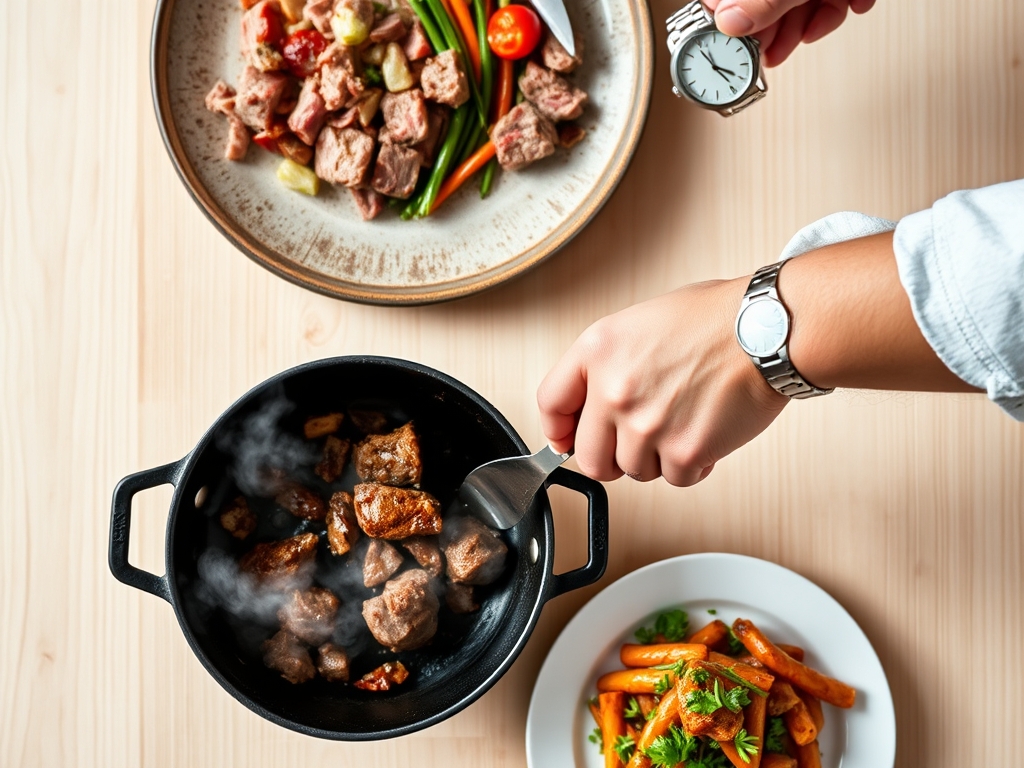
Pat your beef bone-dry with paper towels before hitting the pan. Use tongs to place the meat in a heavy-bottomed skillet with shimmering oil. Do not crowd the pan.
Pro Tip: Moisture is the enemy of the sear. If the meat is wet, it will steam rather than brown. Achieving a deep mahogany crust creates "fond," the concentrated protein bits stuck to the pan that provide the foundation for a viscous sauce.
2. Deglazing the Vessel
Once the meat is removed, toss in your aromatics. Once they soften, pour in your liquid (wine or stock). Use a bench scraper or wooden spoon to scrape up every bit of that fond.
Pro Tip: This process is called deglazing. The liquid acts as a solvent, dissolving the caramelized proteins and incorporating them into the base liquid, which creates a complex, layered flavor profile.
3. The Low and Slow Simmer
Return the beef to the pot and add enough liquid to cover it halfway. Cover with a tight-fitting lid and drop the heat to the lowest setting.
Pro Tip: Maintaining a gentle simmer (around 190 degrees Fahrenheit) is vital. If the liquid boils, the muscle fibers will contract and become "bullet-hard." Low heat allows for enzymatic tenderization where the connective tissue slowly dissolves.
4. Emulsifying the Sauce
Once the meat is tender, remove it. If the sauce is too thin, whisk in a knob of cold butter or a cornstarch slurry.
Pro Tip: This is emulsification. By whisking in fat or starch, you are suspending droplets of oil within the water-based stock, creating a silky texture that coats the back of a spoon perfectly.
The Deep Dive: Science and Solutions
Macro Nutrition:
Kettle beef is a protein powerhouse. A standard six-ounce serving provides approximately 45 grams of protein and 25 grams of fat. To keep it lean, render the fat cap off the beef before braising and skim the surface of the stew with a wide spoon before serving.
Dietary Swaps:
- Keto: Replace flour thickeners with xanthan gum or simply reduce the liquid by half to concentrate the body.
- Vegan: Swap beef for "Lion's Mane" mushrooms or extra-firm seitan. Use a mushroom-based "umami" broth to mimic the depth of beef.
- GF: Ensure your beef stock is certified gluten-free and use arrowroot powder instead of flour for the roux.
The Fix-It: Troubleshooting Common Pitfalls
- Tough Meat: If it is still chewy, it simply hasn't cooked long enough. Put the lid back on and give it another 30 minutes.
- Too Salty: Drop in a peeled, halved potato. The starch will absorb excess salt. Alternatively, add a splash of heavy cream to mellow the intensity.
- Bland Flavor: You likely missed the sear or didn't use enough acid. Use a microplane to zest a bit of lemon over the top or add a teaspoon of Worcestershire sauce to boost the savory notes.
Meal Prep and Reheating:
Kettle beef actually tastes better on day two. As the dish cools, the flavors continue to infuse and the gelatin sets. To reheat, avoid the microwave. Use a small saucepan over medium-low heat and add a splash of water to loosen the sauce. This prevents the proteins from becoming rubbery due to uneven microwave radiation.
The Wrap-Up:
You are now officially a kettle beef connoisseur! We have covered everything from the chemistry of the Maillard reaction to the physics of emulsification. Remember; the secret ingredient isn't just the beef; it is the patience you show while that pot bubbles away on the stove. Whether you are serving this over creamy polenta or thick-cut sourdough, you have the technical skills to make every bite count. Now, grab your tongs, fire up the range, and let the aroma of success fill your home. Happy cooking!
The Kitchen Table:
What is the best cut of meat for kettle beef?
The best cuts are high-collagen options like chuck roast, brisket, or beef shanks. These tough cuts contain connective tissues that break down into silky gelatin during long, slow cooking, resulting in incredibly tender, flavorful meat.
Can I make kettle beef in a slow cooker?
Yes, you can. Sear the meat in a skillet first to develop flavor through the Maillard reaction. Transfer everything to the slow cooker and cook on "Low" for 8 hours to ensure the collagen fully melts and tenderizes the beef.
How do I thicken the gravy without flour?
To thicken without flour, use a cornstarch or arrowroot slurry. Alternatively, you can blend a portion of the cooked vegetables back into the sauce or simmer the liquid uncovered at the end to reduce and concentrate its consistency.
Why is my kettle beef still tough after hours of cooking?
If the meat is tough, it likely hasn't reached the temperature where collagen breaks down. Continue simmering on low heat. Ensure the liquid is not boiling, as high heat can cause muscle fibers to tighten and become dry.
How long does kettle beef stay fresh in the fridge?
Kettle beef stays fresh for 3 to 4 days when stored in an airtight container. In fact, the flavor often improves overnight as the aromatics and proteins continue to meld and develop deeper complexity.