
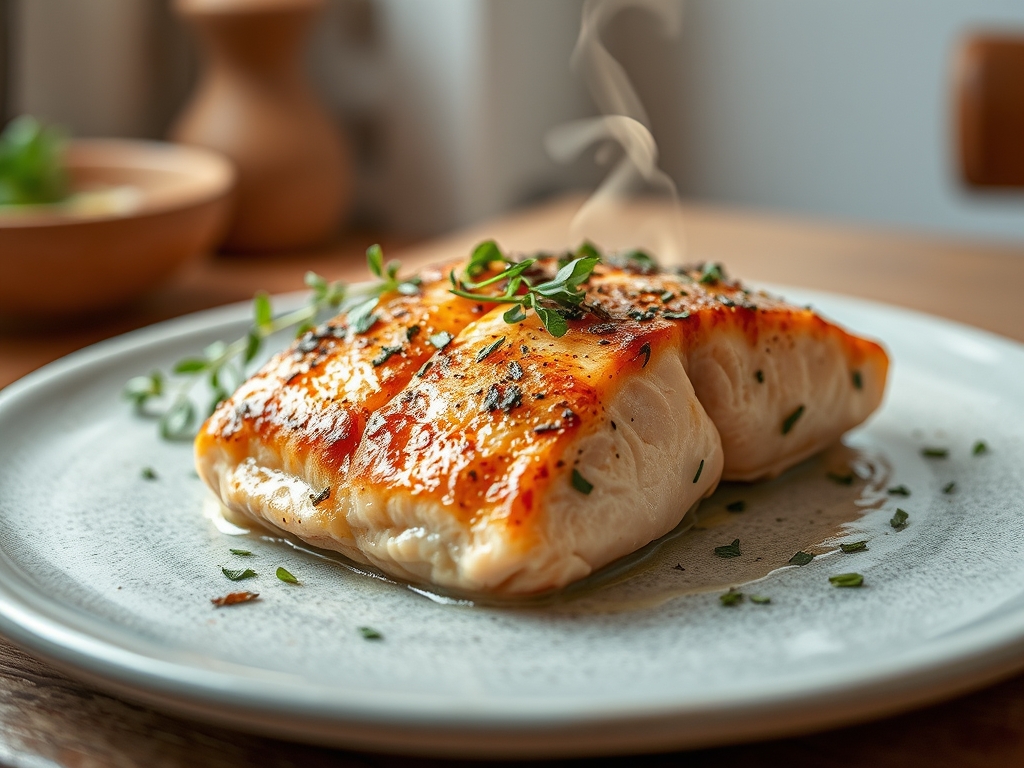
Picture a kitchen bathed in golden afternoon light where the air smells of charred lemon zest and blooming oregano. You are standing over a heavy-bottomed skillet as a cold fillet of King salmon hits the shimmering oil; the sound is a crisp, rhythmic sizzle that signals the start of something spectacular. Mastering easy mediterranean salmon recipes is not just about following a list of ingredients; it is about understanding the delicate dance between high-heat searing and the gentle infusion of coastal aromatics. We are moving beyond the dry, overcooked fish of the past and stepping into a world where every bite is a buttery, piquant revelation. This is where high-end culinary science meets the effortless charm of a seaside dinner. Whether you are hosting a frantic Tuesday night dinner or a slow Saturday gathering, these eight secrets will transform your approach to seafood. We are going to treat these ingredients with the respect they deserve; using heat to unlock deep umami flavors while keeping the interior of the fish as soft as a cloud.
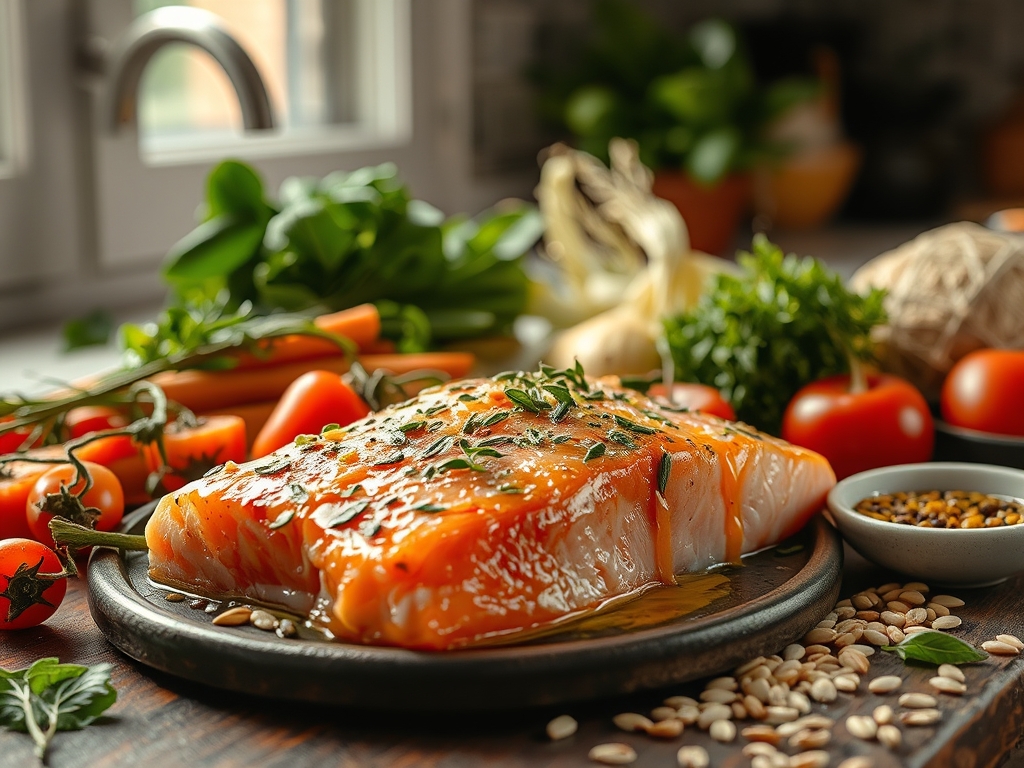
The Gathers:
To achieve a restaurant-grade result, your mise-en-place must be precise. Start with a high-quality center-cut fillet; look for vibrant color and a firm, non-viscous surface. You will need a high-smoke-point fat like avocado oil or refined olive oil for the initial sear, as extra virgin olive oil can break down and become bitter at high temperatures. Gather your aromatics: fresh sprigs of rosemary, thyme, and flat-leaf parsley. Use a microplane to zest two lemons, ensuring you only catch the yellow flavedo and avoid the bitter white pith. For the piquant elements, measure out brined capers and sliced Kalamata olives.
Smart Substitutions: If you cannot find fresh salmon, high-quality frozen sockeye works beautifully if thawed slowly in the refrigerator to maintain cellular integrity. Instead of capers, try finely diced salt-cured lemons for a more intense citrus punch. If you are avoiding nightshades, swap the traditional paprika for a dusting of ground sumac to provide that signature Mediterranean tartness without the heat.
The Clock
Efficiency in the kitchen is all about the "Chef's Flow." Total preparation time should take no more than 10 minutes; this includes patting the fish dry and mincing your garlic. The actual cooking time is a swift 8 to 12 minutes depending on the thickness of the fillet. You must factor in a 5-minute resting period. During this time, the internal temperature will continue to rise by about 5 degrees due to thermal carryover. If you eat it straight from the pan, you miss the opportunity for the juices to redistribute, which is the difference between a dry flake and a succulent morsel.
The Masterclass
1. The Moisture Barrier
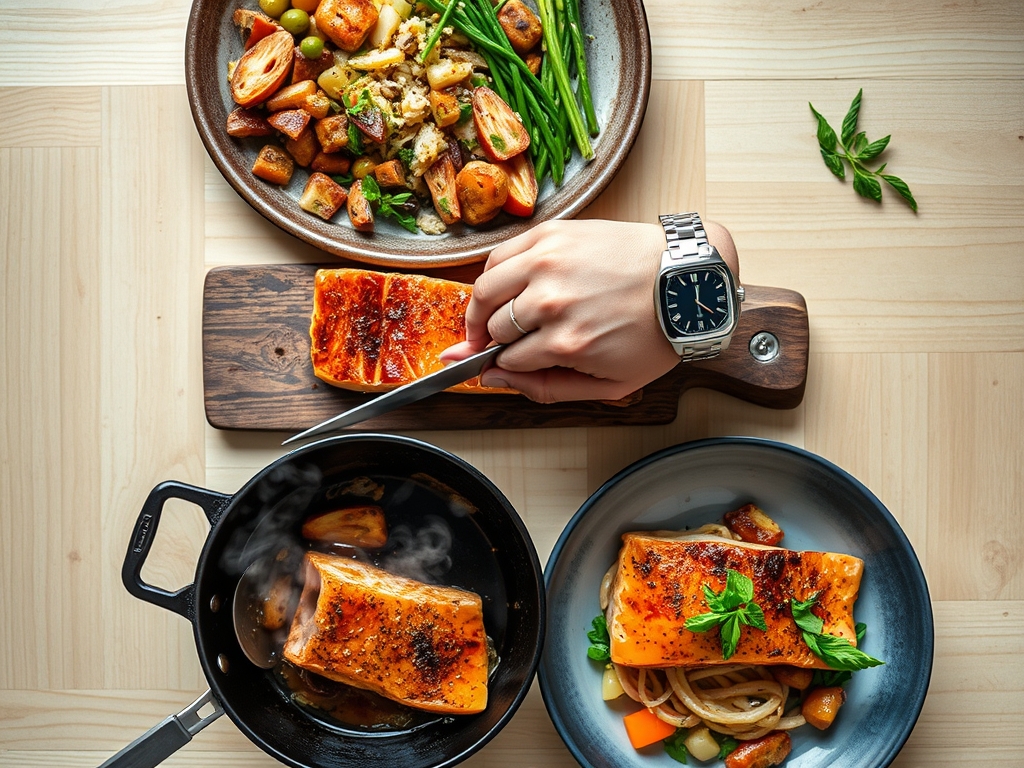
Use a lint-free paper towel to aggressively pat the salmon skin dry. Moisture is the enemy of the Maillard reaction; if the surface is damp, the fish will steam rather than sear. Use a bench scraper to move the fillets onto a dry parchment-lined tray.
Pro Tip: This process is called surface dehydration. By removing water molecules from the exterior, you allow the proteins and sugars to react immediately with the heat, creating a crisp, golden crust.
2. Seasoning at the Molecular Level
Generously coat the fish with kosher salt and cracked black pepper from a height of six inches to ensure even distribution. Do not season too early; salt draws out moisture through osmosis, which can ruin your sear if left for more than a few minutes before hitting the pan.
Pro Tip: Salt acts as a denaturant. It begins to break down the tightly wound protein strands, allowing them to retain more moisture during the cooking process, provided the timing is right.
3. The Cold-Pan Start vs. High Heat
Place your heavy-bottomed skillet over medium-high heat until the oil ripples. Carefully lay the salmon skin-side down, pressing firmly with a flexible fish spatula for 30 seconds to prevent the skin from curling as the collagen fibers contract.
Pro Tip: This initial pressure ensures maximum contact between the skin and the heat source, facilitating a uniform render of the subcutaneous fat layer.
4. The Aromatics Infusion
Once the skin is crispy, toss in crushed garlic cloves and fresh herbs. Use a spoon to baste the hot, herb-infused oil over the raw top of the fish. This gently cooks the upper layers without toughening the delicate proteins.
Pro Tip: Fat is a flavor carrier. By infusing the oil with volatile oils from the herbs, you are coating the fish in a microscopic layer of aromatic compounds.
5. The Deglaze and Emulsify
Add a splash of dry white wine or vegetable stock to the pan. Use your spatula to scrape up the browned bits (the fond) from the bottom. Add a knob of cold butter and swirl the pan vigorously to create a glossy, emulsified sauce.
Pro Tip: Emulsification occurs when the proteins in the butter bind the water-based wine and the fats together, creating a smooth, viscous coating rather than a greasy puddle.
6. The Precision Finish
Monitor the internal temperature with a digital thermometer. For a perfect medium-rare, pull the fish at 125 degrees Fahrenheit. The temperature will climb to 130 degrees as it rests.
Pro Tip: Thermal carryover is a result of kinetic energy. Even after the heat source is removed, the energized molecules in the outer layers continue to transfer heat to the cooler center.
The Deep Dive
Macro Nutrition: Salmon is a powerhouse of Omega-3 fatty acids, specifically EPA and DHA, which are essential for cognitive function. A standard 6-ounce serving provides roughly 34 grams of high-quality protein and zero carbohydrates, making it a staple for metabolic health.
Dietary Swaps: For a Keto version, ensure your deglazing liquid is a bone broth rather than wine to keep sugars at zero. Vegan diners can replicate this flavor profile using thick "steaks" of cauliflower or King Oyster mushrooms basted in the same Mediterranean aromatics. For Gluten-Free needs, this recipe is naturally compliant, provided your chicken stock is certified.
The Fix-It:
- White Stuff Appearing: This is albumin, a protein that pushes out when fish is cooked too fast or too hot. Fix it by lowering the heat and pulling the fish sooner next time.
- Skin Sticking: You likely tried to flip the fish before the proteins "released" from the pan. Wait for the crust to fully form.
- Soggy Skin: This happens if you cover the pan with a lid. Never trap the steam if you want a crunch.
Meal Prep: To reheat without losing quality, avoid the microwave. Place the salmon in a 275-degree oven with a teaspoon of water and cover tightly with foil. This creates a gentle steam chamber that rehydrates the fish without overcooking the core.
The Wrap-Up
There you have it; the science of the sea brought right to your countertop. By focusing on moisture control, thermal precision, and the art of the emulsion, you have elevated easy mediterranean salmon recipes from a basic meal to a culinary event. Remember that the best cooking comes from a place of curiosity and confidence. Don't be afraid to let that pan get hot or to experiment with different herb combinations. You have the tools, the techniques, and the "why" behind every step. Now, pour yourself a glass of something crisp, plate your masterpiece, and enjoy the fruits of your kitchen chemistry.
The Kitchen Table
How do I stop salmon from smelling "fishy"?
Always buy dry-chilled fish and rinse it with cold water, then pat completely dry. The odor comes from Trimethylamine (TMA) which forms as fish ages. Freshness and acidity from lemon juice neutralize these compounds instantly.
Can I cook salmon from frozen?
Yes, but for the best texture, use the "low and slow" method in the oven. Cooking frozen fillets in a pan often leads to a charred exterior and a raw, icy middle, ruining the protein structure.
What is the best oil for searing salmon?
Use avocado oil or grapeseed oil. These have high smoke points (above 400 degrees), which prevents the oil from smoking and developing carcinogenic compounds or bitter flavors during the high-heat searing process required for crispy skin.
How do I know salmon is done without a thermometer?
Gently press the side of the fillet with a fork. If the flakes begin to separate easily along the white fat lines (the connective tissue), it is ready. The center should still look slightly translucent and moist.