
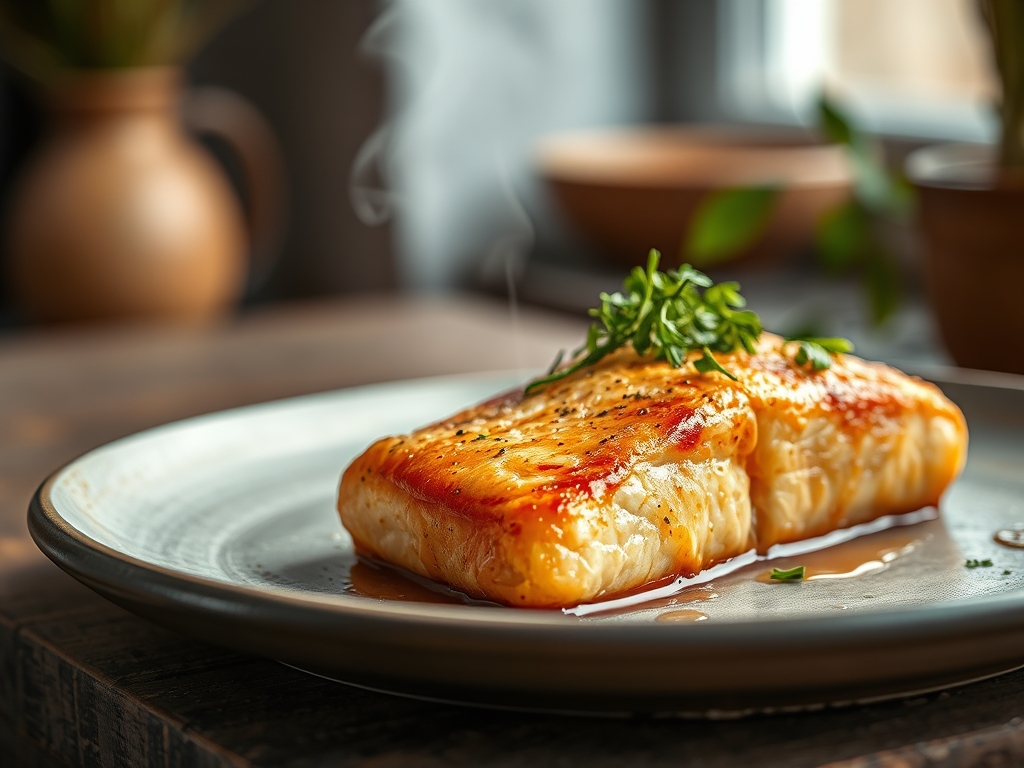
Close your eyes and listen for that specific sound. It is a sharp, rhythmic crackle that signals the exact moment cold protein meets shimmering oil. When you are hunting for easy salmon recipes fried to perfection, you are not just looking for dinner; you are chasing the ultimate textural contrast between succulent, fatty flakes and a glass-like crust. Most home cooks settle for soggy skin or overcooked, chalky flesh, but we are going to use molecular physics to ensure your kitchen smells like a high-end bistro rather than a fish market. Achieving that shatter-crisp exterior requires more than just high heat; it requires an understanding of moisture evaporation and protein coagulation. By the time we are finished, you will be able to produce a restaurant-quality sear with your eyes closed. We are going to transform a simple fillet into a masterclass of Maillard reactions and thermal precision. Grab your favorite apron and clear your counter. It is time to treat this fish with the scientific respect it deserves.
The Gathers:
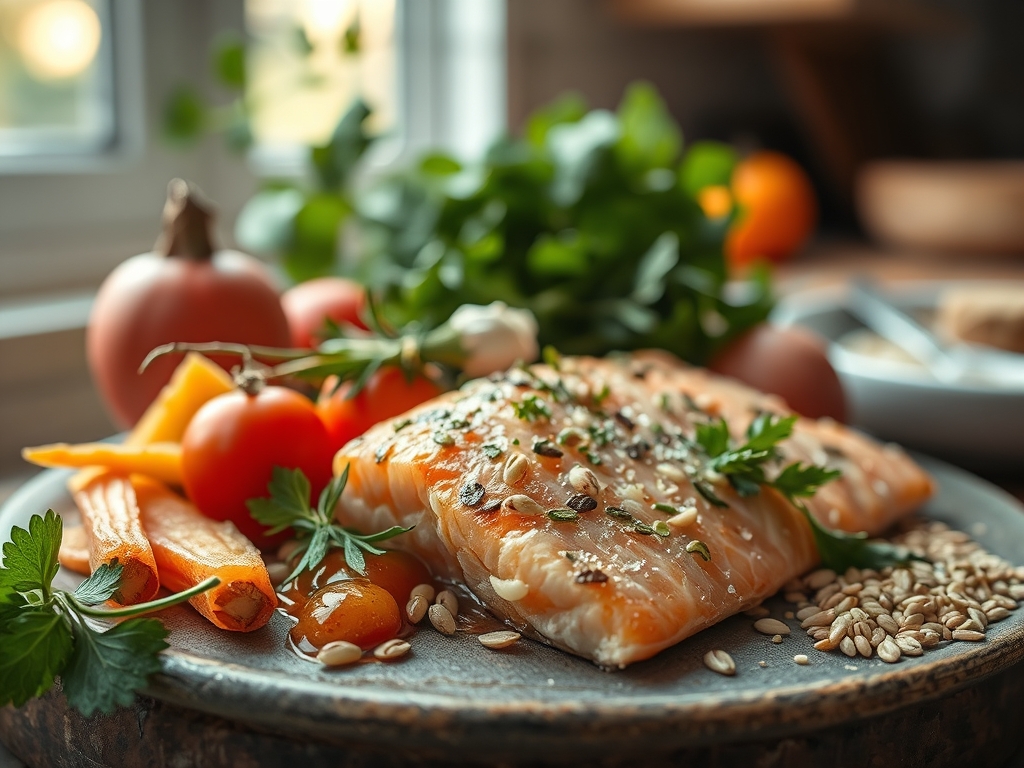
To begin, we must assemble our mise-en-place with the precision of a laboratory technician. Start with center-cut Atlantic or King salmon fillets; these offer a uniform thickness that ensures even heat distribution. You will need a high-smoke-point lipid like avocado oil or clarified butter. Avoid extra virgin olive oil here, as its low smoke point will result in acrid, burnt flavors before the skin can properly crisp. For seasoning, use coarse kosher salt for its jagged surface area and a microplane to zest fresh lemon for a piquant finish.
Smart Substitutions: If you are avoiding dairy, skip the butter finish and use a splash of toasted sesame oil for a nutty, viscous depth. For those lacking fresh citrus, a pinch of sumac provides that same bright acidity without adding extra moisture to the pan. Always ensure your fish is at room temperature before it touches the heat to prevent the muscle fibers from seizing.
The Clock
Efficiency in the kitchen is all about the Chef's Flow. This entire process takes exactly 20 minutes from fridge to table. Spend the first 10 minutes on prep: patting the fish dry, seasoning, and heating your vessel. The actual cooking phase is a swift 8 to 10 minutes.
The flow is simple: Prep while the pan preheats, sear while you whisk a quick side sauce, and rest the fish while you plate your greens. This synchronization ensures that the salmon hits the plate while the internal temperature is still rising through carryover cooking, preventing the dreaded "white albumin" leak that occurs when the fish is shocked by aggressive temperature swings.
The Masterclass
1. The Desiccation Ritual
The enemy of the crunch is moisture. Use a heavy-duty paper towel to press firmly onto the skin and flesh of the salmon. You want the surface to feel tacky, not wet. If the skin is damp, the energy of the pan will be wasted evaporating water rather than browning the proteins.
Pro Tip: This is known as surface desiccation. By removing surface water, you allow the Maillard reaction to begin immediately at 285 degrees Fahrenheit, rather than waiting for the water to boil off at 212 degrees.
2. The Heavy-Bottomed Vessel
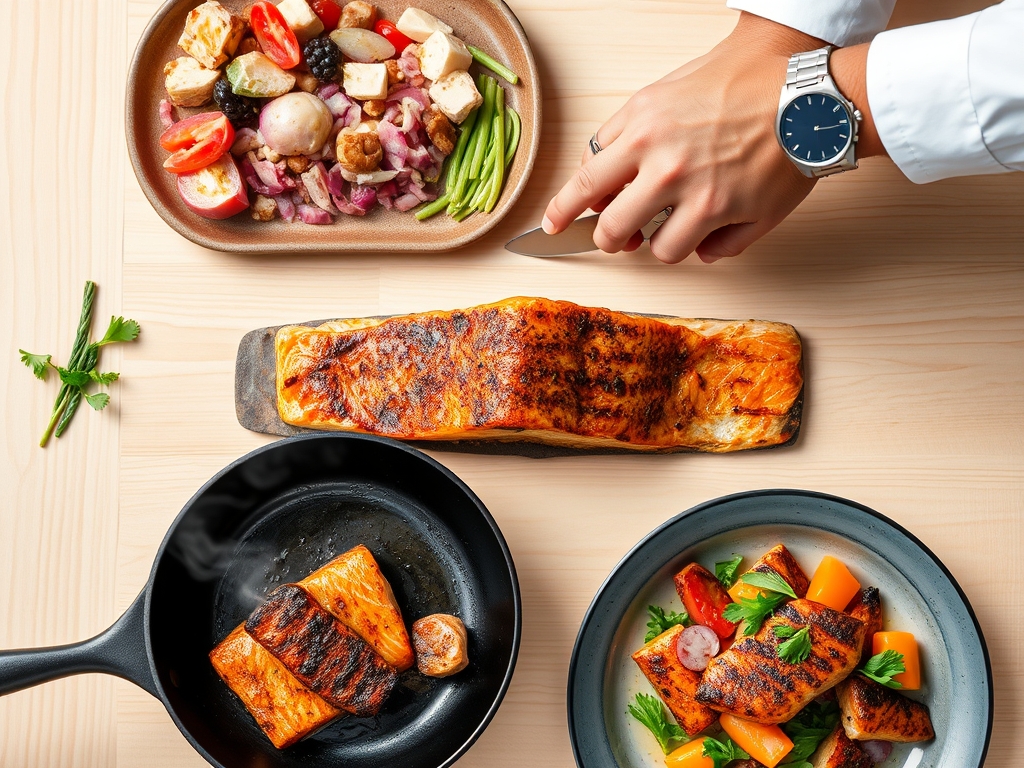
Reach for a heavy-bottomed skillet, preferably cast iron or stainless steel. These materials have high thermal mass, meaning they won't drop in temperature when the cold fish is added. Heat the pan until the oil shimmers and just begins to wisps a tiny bit of smoke.
Pro Tip: Thermal conductivity is key. A thick pan prevents "hot spots" that cause uneven browning, ensuring the entire surface of the skin renders its fat at the same rate.
3. The Weighted Press
Place the salmon skin-side down and immediately press it with a fish spatula or a weighted press for the first 30 seconds. Salmon skin tends to curl when it hits heat, which creates an air gap and prevents a uniform crust.
Pro Tip: This technique ensures maximum surface-to-pan contact. By preventing the skin from curling, you facilitate even conduction, turning the natural fats in the skin into a self-basting medium.
4. The Gentle Render
Resist the urge to crank the heat to the maximum. A medium-high flame allows the subcutaneous fat to render out slowly. This fat then fries the skin from the bottom up, creating a texture similar to a potato chip.
Pro Tip: This is the science of fat rendering. If the heat is too high, the exterior burns before the fat can liquefy, leaving you with a greasy, flabby layer under a charred surface.
5. The Flip and Butter Baste
Once the skin is golden and releases easily from the pan, flip the fillet using tongs. Drop a knob of butter and a smashed garlic clove into the pan. Use a large spoon to infuse the hot butter over the crispy skin.
Pro Tip: This is called Arrosage. The milk solids in the butter undergo enzymatic browning, adding a toasted, nutty flavor profile while the fat helps distribute heat into the crevices of the crust.
6. The Internal Target
Use a digital thermometer to pull the fish at 125 degrees Fahrenheit for medium-rare. The temperature will continue to climb as it sits. If you wait until it looks "done" in the pan, it will be overcooked by the time it reaches your fork.
Pro Tip: This is thermal carryover. Residual heat trapped in the outer layers of the fish continues to move toward the center even after the heat source is removed.
7. The Rest Period
Transfer the salmon to a wire rack rather than a flat plate. This allows air to circulate around the skin, keeping it from steaming itself into softness. Let it rest for three minutes before serving.
Pro Tip: Resting allows the muscle fibers to relax and reabsorb juices. If you cut into it immediately, the viscous internal juices will run out, leaving the flakes dry.
The Deep Dive
Macro Nutrition: A standard 6-ounce salmon fillet provides roughly 34 grams of high-quality protein and 20 grams of heart-healthy fats, specifically Omega-3 fatty acids. It is naturally low in carbohydrates, making it a staple for metabolic health.
Dietary Swaps: For a Keto version, serve with a lemon-butter caper sauce. For Vegan guests, this technique works surprisingly well with extra-firm tofu pressed under a heavy weight. For Gluten-Free needs, simply ensure your seasoning blends are pure spices without anti-caking fillers.
The Fix-It:
- Skin sticking? You flipped too early. The protein will naturally release once the crust is formed.
- White goo (albumin) appearing? The heat is too high; the muscle fibers are contracting too fast and squeezing out the protein.
- Burnt exterior, raw interior? Your pan was too hot. Finish the fish in a 300-degree oven to even out the cook.
Meal Prep: To reheat and maintain the crunch, avoid the microwave. Use an air fryer at 350 degrees for 3 minutes or a dry pan over medium heat. This re-activates the fats and restores the crispness without drying out the center.
The Wrap-Up
Mastering easy salmon recipes fried with this level of technicality turns a basic Tuesday night dinner into a culinary event. Remember that the secret lies in the preparation: dry the skin, control the heat, and trust the science of the render. When you hear that first crunch against your fork, you will know the effort was worth it. Cooking is just delicious chemistry; now go show that skillet who is boss!
The Kitchen Table
How do I stop salmon from sticking to the pan?
Ensure the pan and oil are fully preheated before adding the fish. Pat the skin completely dry with paper towels. Once in the pan, do not try to move the fillet until the crust has naturally formed and released itself.
Why does my salmon have white stuff on it?
That white substance is albumin, a harmless protein. It appears when salmon is cooked too quickly or at too high a temperature, causing the muscle fibers to contract and push the liquid protein to the surface where it coagulates.
Can I fry salmon with the skin off?
Yes, but you lose the protective barrier that keeps the flesh moist. If frying skinless, use a lower heat and a light dusting of starch or flour to create a synthetic crust and prevent the delicate flesh from tearing.
What is the best oil for frying salmon?
Use oils with a high smoke point such as avocado oil, grapeseed oil, or clarified butter (ghee). These can withstand the high temperatures required for a crispy sear without breaking down or producing bitter, burnt flavors.
How do I know when the salmon is done?
The most accurate method is using a digital thermometer to hit 125-130 degrees Fahrenheit. Visually, the flakes should just begin to separate when pressed gently with a fork, and the center should remain slightly translucent.