
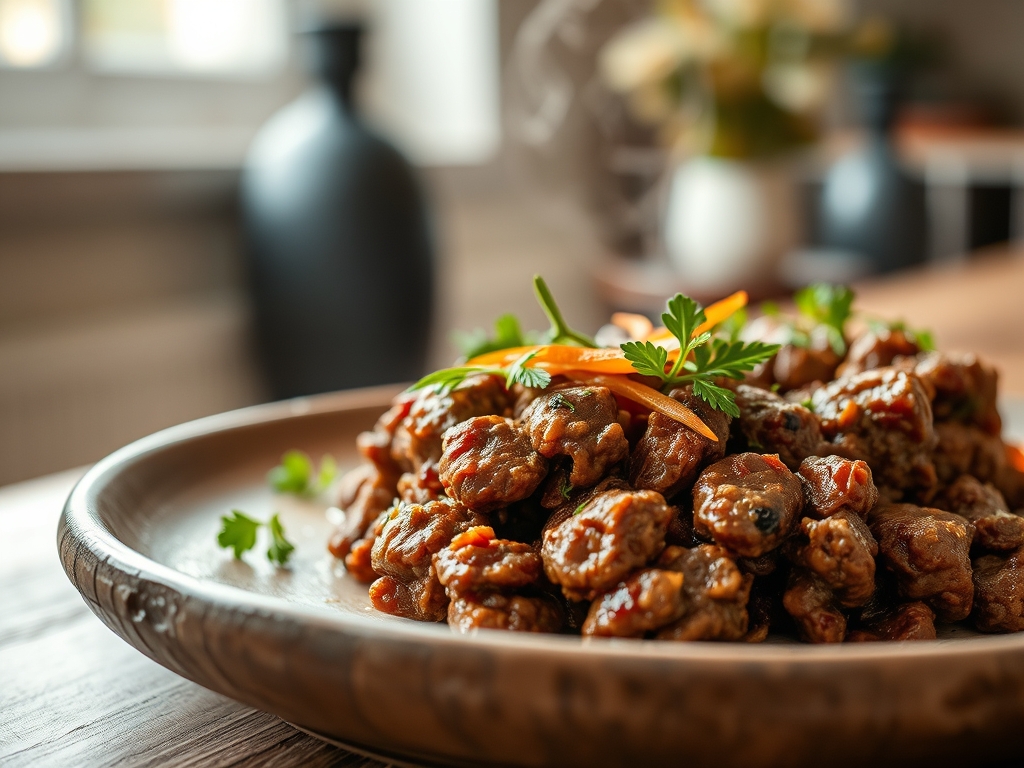
Picture the heavy-bottomed skillet resting on the burner; the blue flame licking the cast iron until it radiates a shimmering heat. You drop a portion of cold, ruby-red protein into the pan, and the kitchen erupts into a violent, rhythmic sizzle. This is the sound of moisture evaporating and proteins rearranging themselves into something transcendent. We are moving beyond the basic burger tonight. If you are hunting for new ground beef recipes that actually challenge your palate while remaining approachable for a Tuesday night, you have arrived at the right workstation. We are going to harness the power of high-heat searing and complex aromatic layering to transform a humble staple into six distinct, world-class meals.
The Gathers:
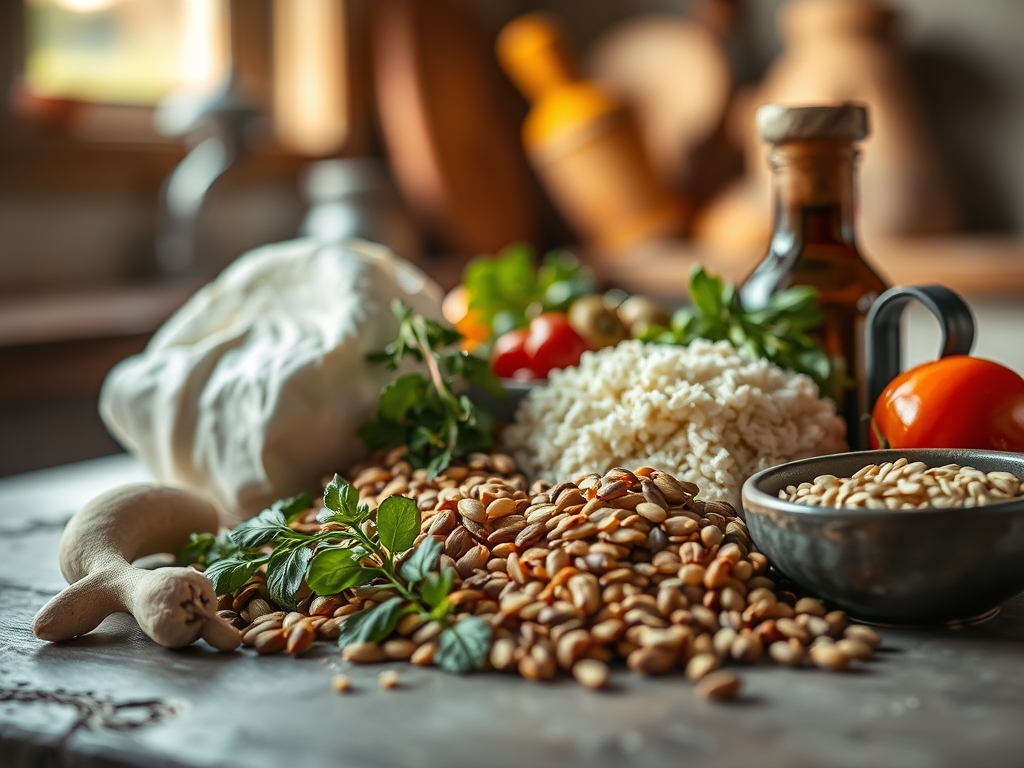
To execute these new ground beef recipes with precision, your mise-en-place must be impeccable. Start with the beef itself; aim for an 80/20 lean-to-fat ratio. This specific ratio ensures enough lipid content to render out, providing the conductive medium necessary for the Maillard reaction. You will need a variety of aromatics: pungent garlic bulbs, piquant shallots, and fresh ginger roots that feel heavy for their size.
For the liquids, gather a high-quality bone broth for deep umami, a bottle of dry sherry for deglazing, and a viscous toasted sesame oil to provide a nutty finish. Do not forget the bright acidic components; fresh lime wedges and rice wine vinegar are essential to cut through the richness of the animal fats.
Smart Substitutions: If you are looking to lighten the caloric load, you can swap 25 percent of the beef for finely minced cremini mushrooms. This is known as the "blenditarian" method. The mushrooms mimic the texture of the beef while adding a boost of ergothioneine antioxidants. If you lack fresh aromatics, use high-quality dried powders, but remember that the flavor profile will shift from bright and sharp to deep and earthy.
The Clock:
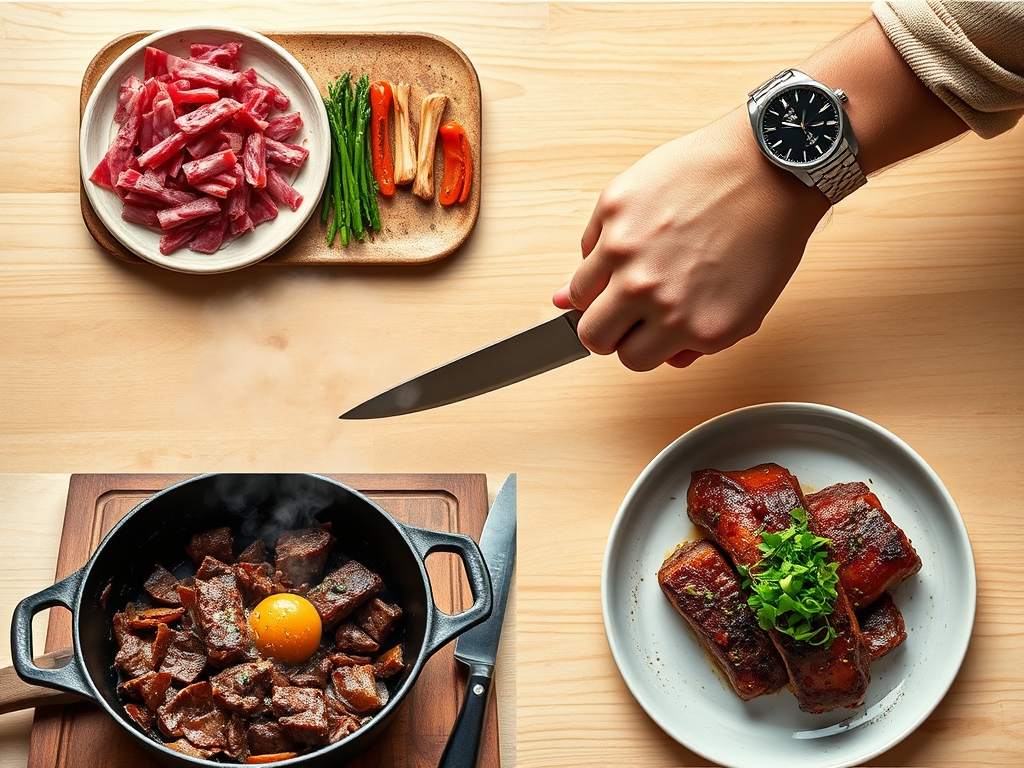
Efficiency in the kitchen is about mastering the "Chef's Flow." For these new ground beef recipes, expect a total commitment of 45 minutes from start to finish. The first 15 minutes are dedicated to the "Gathers" phase; this is where you use your bench scraper to organize chopped vegetables and your digital scale to ensure consistent portioning.
The cooking phase typically spans 20 to 25 minutes. We utilize a staggered entry system. The beef always hits the pan first to develop a crust, followed by the "hard" vegetables like carrots or onions, and finishing with "soft" aromatics like garlic or herbs that would otherwise burn under prolonged heat. The final 5 minutes are reserved for the "Rest and Emulsify" stage, where sauces are tightened and the meat fibers relax.
The Masterclass:
1. The High-Heat Sear
Place your heavy-bottomed skillet over medium-high heat until a drop of water dances and evaporates instantly. Add the beef in a single layer, but do not stir it. Let it sit undisturbed for three minutes.
Pro Tip: This patience allows for enzymatic browning. If you move the meat too early, you break the heat contact and steam the beef in its own juices rather than searing it.
2. Deglazing the Fond
Once the meat is browned and removed, you will see brown bits stuck to the pan. Pour in a splash of wine or stock and use a wooden spoon to scrape them up.
Pro Tip: These bits are called "fond," and they are concentrated flavor bombs. The liquid creates a deglazing reaction that incorporates these caramelized proteins back into your sauce.
3. Aerating the Aromatics
Add your minced garlic and ginger to the residual fat in the pan. Toss them constantly for only 30 to 45 seconds.
Pro Tip: Aromatics contain volatile oils that are released by heat. If you overcook them, the compounds turn bitter; you want to aerate them just until they become fragrant.
4. Emulsifying the Sauce
Lower the heat and whisk in your cold butter or starch slurry. Move the whisk in a circular motion until the liquid becomes glossy and coats the back of a spoon.
Pro Tip: This is the science of emulsification. You are binding fat and water molecules together to create a smooth, viscous texture that clings to the beef.
5. The Thermal Rest
Remove the skillet from the heat when the internal temperature is 5 degrees below your target. Cover it loosely with foil for three minutes.
Pro Tip: This accounts for thermal carryover. The residual heat continues to cook the meat, ensuring it reaches the perfect temperature without becoming dry or rubbery.
6. The Acidic Finish
Just before serving, zest a fresh lemon over the dish using a microplane and add a squeeze of juice.
Pro Tip: Acid acts as a flavor "brightener." It interacts with your taste buds to make the savory notes of the beef pop, balancing the heavy lipids.
The Deep Dive:
When analyzing the macro nutrition of these new ground beef recipes, a standard 4-ounce serving provides approximately 25 grams of high-quality protein and 15 grams of fat. It is a powerhouse of B12 and zinc. For those following a Keto lifestyle, these recipes are naturally low-carb; simply skip the starch slurries. For Vegan guests, high-quality soy crumbles or lentils can be substituted using the exact same seasoning techniques. If you are Gluten-Free, ensure your soy sauce is replaced with tamari or coconut aminos.
The Fix-It:
- Greasy Sauce: If the fat separates, add a tablespoon of hot water and whisk vigorously to re-emulsify.
- Tough Meat: This usually means the heat was too low and the meat simmered too long. Next time, ensure the pan is "whispering hot" before entry.
- Bland Flavor: You likely missed the deglazing step. Add a pinch of salt and a splash of vinegar at the end to wake up the profile.
Meal Prep: To maintain "day-one" quality when reheating, avoid the microwave. Instead, use a small saucier over low heat and add a tablespoon of broth. This reintroduces moisture and prevents the fats from turning grainy.
The Wrap-Up:
Mastering new ground beef recipes is about more than just following a list of ingredients; it is about understanding the chemical dance happening inside your skillet. By focusing on the Maillard reaction, proper deglazing, and the final acidic balance, you turn a budget-friendly protein into a gourmet experience. Put your tongs away with confidence knowing you have just leveled up your culinary game. Now, go pour a glass of something crisp and enjoy the fruits of your scientific labor.
The Kitchen Table:
How do I prevent ground beef from getting mushy?
Avoid overcrowding the pan. When you put too much meat in at once, the temperature drops and the beef steams in its own moisture. Cook in batches to ensure a hard, crispy sear on the exterior.
What is the best way to drain excess fat?
Push the cooked beef to one side of the tilted skillet. Use a spoon to remove the liquid fat, or soak it up with a folded paper towel held by tongs. Always leave a teaspoon for flavor.
Can I freeze these ground beef meals?
Yes. Allow the dish to cool completely to prevent ice crystal formation. Store in an airtight container for up to three months. Reheat slowly on the stovetop to maintain the structural integrity of the sauce and proteins.
Why does my ground beef turn grey?
Grey meat is the result of steaming rather than searing. This happens if the pan isn't hot enough or if the meat was salted too early, drawing out moisture before the crust could form. Always pat meat dry first.