
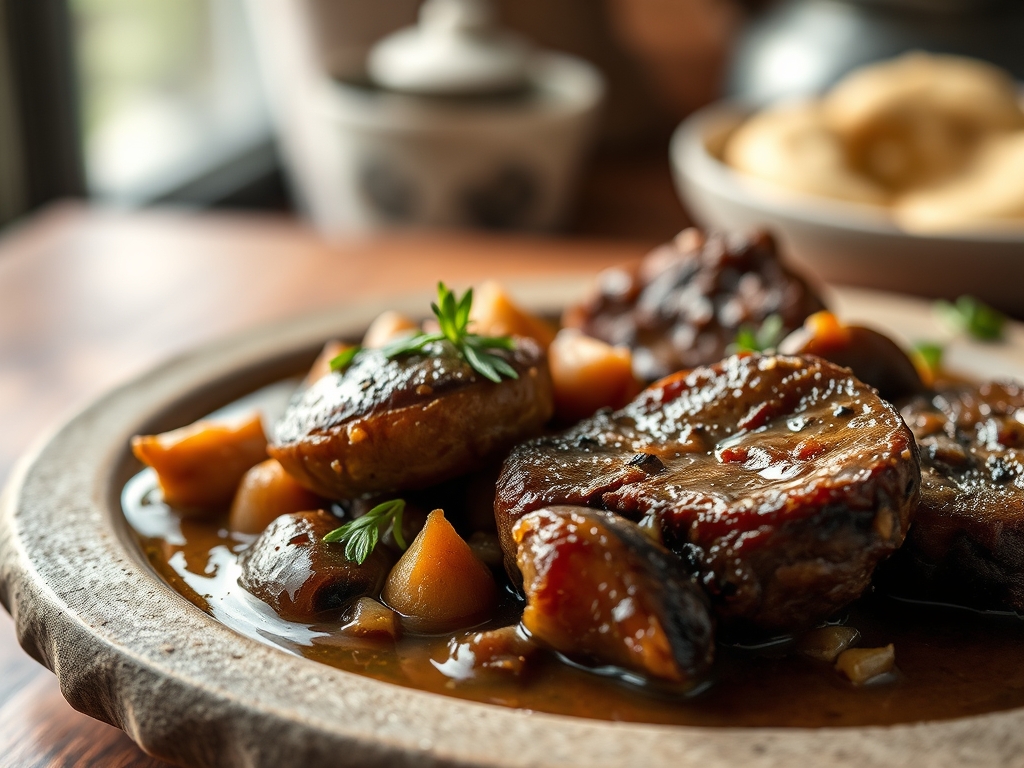
Imagine the scent of searing protein hitting a heavy-bottomed skillet; it is the olfactory equivalent of a warm hug. When you master mushroom soup and beef recipes, you are not just making dinner; you are orchestrating a chemical symphony where earthy fungi meets the deep, savory intensity of Maillard-browned beef.
This pairing is a culinary powerhouse because it relies on the synergy of umami compounds. Mushrooms are packed with glutamate, while beef provides the nucleotides that amplify that savory flavor tenfold. Whether you are craving a velvety stroganoff or a slow-cooked pot roast bathed in cream, the combination is timeless. Today, we are diving into the molecular magic of these ingredients to ensure your kitchen smells like a five-star bistro. We will explore how to transform humble cans or scratch-made veloutes into sophisticated sauces that cling to every fiber of a perfectly seared ribeye or chuck roast.
The Gathers:
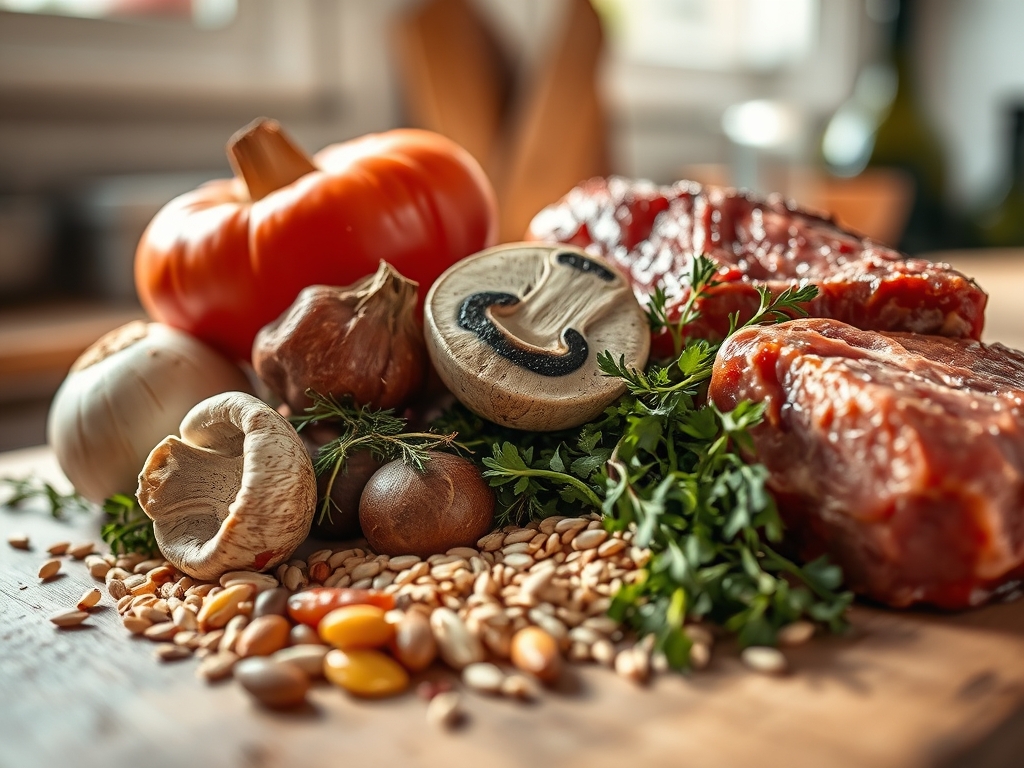
Setting up your station, or mise-en-place, is the difference between a chaotic kitchen and a professional flow. For these mushroom soup and beef recipes, you need high-quality proteins and specific aromatics to balance the richness. Start with your beef: look for marbling. Intramuscular fat will render during the cooking process, providing a self-basting mechanism that keeps the meat succulent.
Your mushroom soup base should be viscous and concentrated. If you are using a store-bought version, look for one with visible pieces of porcini or cremini for textural contrast. You will also need "The Holy Trinity" of aromatics: minced shallots, crushed garlic, and fresh thyme. Use a microplane to grate your garlic into a fine paste; this ensures the flavor distributes evenly without the risk of biting into a bitter, scorched chunk.
Smart Substitutions:
If you are out of traditional cream of mushroom, a blend of heavy cream and a teaspoon of mushroom powder (dried porcini blitzed in a spice grinder) works wonders. For the beef, if prime cuts are too pricey, opt for chuck eye or flat iron. These "butcher's cuts" offer incredible flavor at a lower price point, provided you slice them against the grain to break up the muscle fibers.
The Clock
Efficiency in the kitchen is all about "Chef's Flow." You should never be standing still. Total active prep time for most mushroom soup and beef recipes is approximately 20 minutes, with a cook time ranging from 15 minutes for a sear to 4 hours for a braise.
Start by tempering your meat; let it sit at room temperature for 30 minutes. Cold beef hits a hot pan and causes the temperature to plummet, resulting in gray, steamed meat rather than a crusty sear. While the beef tempers, use a bench scraper to clear your chopping board of aromatics. If you are making a slow-cooked version, get the sear done first, then let the oven do the heavy lifting while you enjoy a glass of piquant red wine.
The Masterclass
1. The High-Heat Sear
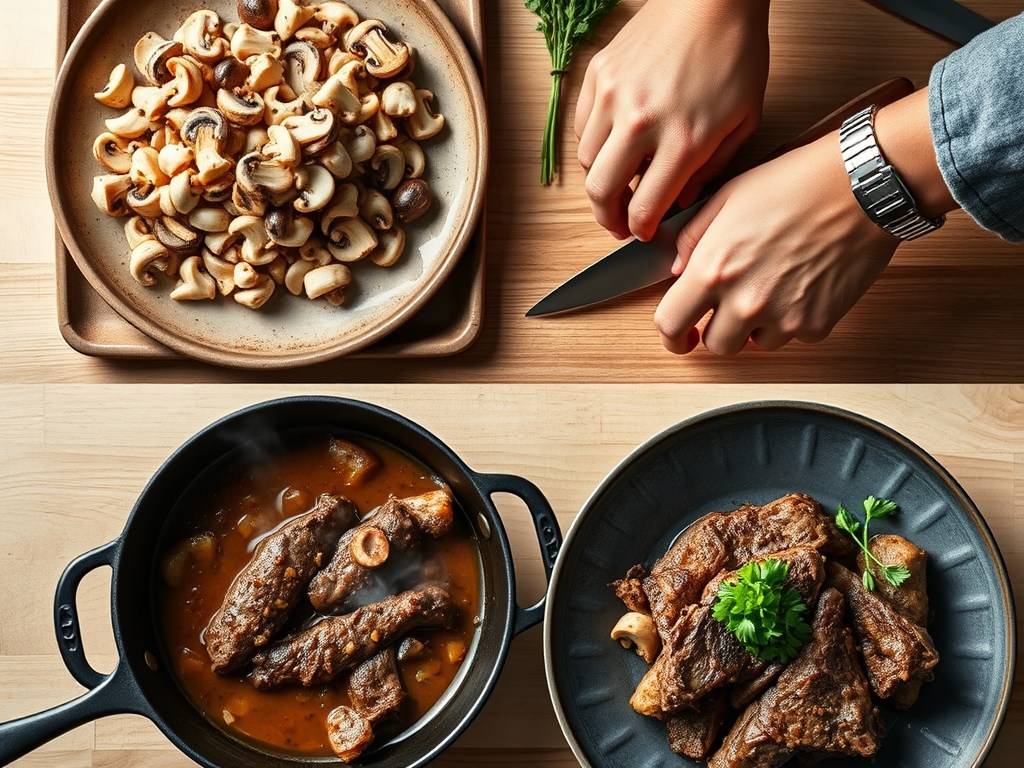
Pat your beef bone-dry with paper towels. Moisture is the enemy of the Maillard reaction. Heat your heavy-bottomed skillet until the oil just begins to shimmer and reach its smoke point. Lay the beef away from you to avoid oil splatter.
Pro Tip: This step relies on thermal conductivity. A heavy pan (like cast iron) retains heat better than thin aluminum, ensuring the surface temperature stays high enough to dehydrate the meat's surface and create that golden-brown crust.
2. Deglazing the Fond
Once the beef is browned and removed, you will see brown bits stuck to the bottom of the pan. This is "fond," and it is concentrated flavor gold. Pour in a splash of dry sherry or beef stock and use a wooden spoon to scrape it up.
Pro Tip: Deglazing is a chemical process where the liquid dissolves the caramelized proteins. This infuses your mushroom soup base with a complex, roasted profile that a stand-alone soup simply cannot achieve.
3. Emulsifying the Sauce
Lower the heat and add your mushroom soup base to the pan. Use a saucier or a whisk to combine the fats from the beef with the creaminess of the soup. You are looking for a glossy, homogenous texture.
Pro Tip: This is the science of emulsification. The proteins in the cream act as stabilizers, binding the water-based stock and the rendered beef fats together so the sauce doesn't "break" or become oily.
4. The Gentle Simmer
Return the beef to the pan. If you are making a quick stir-fry style dish, just toss to coat. If it is a braise, submerge the meat halfway. Cover and let the flavors marry over low heat.
Pro Tip: Maintaining a low temperature prevents the muscle fibers from tightening too quickly. This preserves the connective tissue (collagen) and allows it to slowly transform into gelatin, giving the sauce a silky mouthfeel.
The Deep Dive
When we look at the macro nutrition of these mushroom soup and beef recipes, we are looking at a high-protein, moderate-fat profile. A standard serving provides roughly 35g of protein and 12g of carbohydrates, depending on your choice of side.
Dietary Swaps:
For my Keto friends, ensure your mushroom soup is flour-free; use heavy cream and xanthan gum as a thickener instead. Gluten-Free cooks should swap traditional canned soups for a homemade version using cornstarch or arrowroot. For a Vegan twist (using "beef" seitan), use coconut milk and nutritional yeast to replicate the savory, creamy notes of the mushroom base.
The Fix-It:
- Sauce is too thin? Create a "slurry" with one teaspoon of cornstarch and cold water. Whisk it in and boil for one minute to activate the starches.
- Sauce is too salty? Add a splash of acid, like lemon juice or apple cider vinegar. The acid masks the perception of salt on the tongue.
- Beef is tough? You likely skipped the resting phase. Let the meat sit for 5 to 10 minutes after cooking to allow the juices to redistribute.
Meal Prep Science:
To reheat, avoid the microwave if possible. The uneven radiation can turn beef into rubber. Instead, use a small saucepan over low heat. Add a tablespoon of milk or broth to aerate the sauce and restore its original viscosity.
The Wrap-Up
There you have it; the definitive guide to making mushroom soup and beef recipes that actually taste like they came from a professional kitchen. By focusing on the science of the sear and the chemistry of the sauce, you have elevated a simple comfort food into a culinary masterpiece. Grab your tongs, fire up that skillet, and go create something delicious. Your kitchen is your laboratory, and tonight, the results are going to be spectacular!
The Kitchen Table
Can I use frozen beef for these recipes?
Yes, but you must thaw it completely in the refrigerator first. Excess moisture from frozen meat prevents the Maillard reaction, leading to gray, boiled-looking beef. Always pat the meat dry with a paper towel before searing in a hot skillet.
How do I stop the mushroom soup from curdling?
Curdling happens when the heat is too high or the soup is too acidic. Add the soup over low heat and stir constantly. Avoid adding harsh acids like vinegar until the very end of the cooking process to maintain a smooth emulsion.
What is the best cut of beef for a 30-minute meal?
Sirloin or ribeye are ideal for quick mushroom soup and beef recipes. These cuts are naturally tender and do not require long braising times to break down connective tissue. Slice them thinly against the grain for maximum tenderness and faster cooking.
Can I make this recipe in a slow cooker?
Absolutely. Sear the beef first to develop flavor, then add it to the slow cooker with the mushroom soup. Cook on low for 6 to 8 hours. The gentle heat slowly transforms collagen into gelatin, resulting in a rich, velvety sauce.