
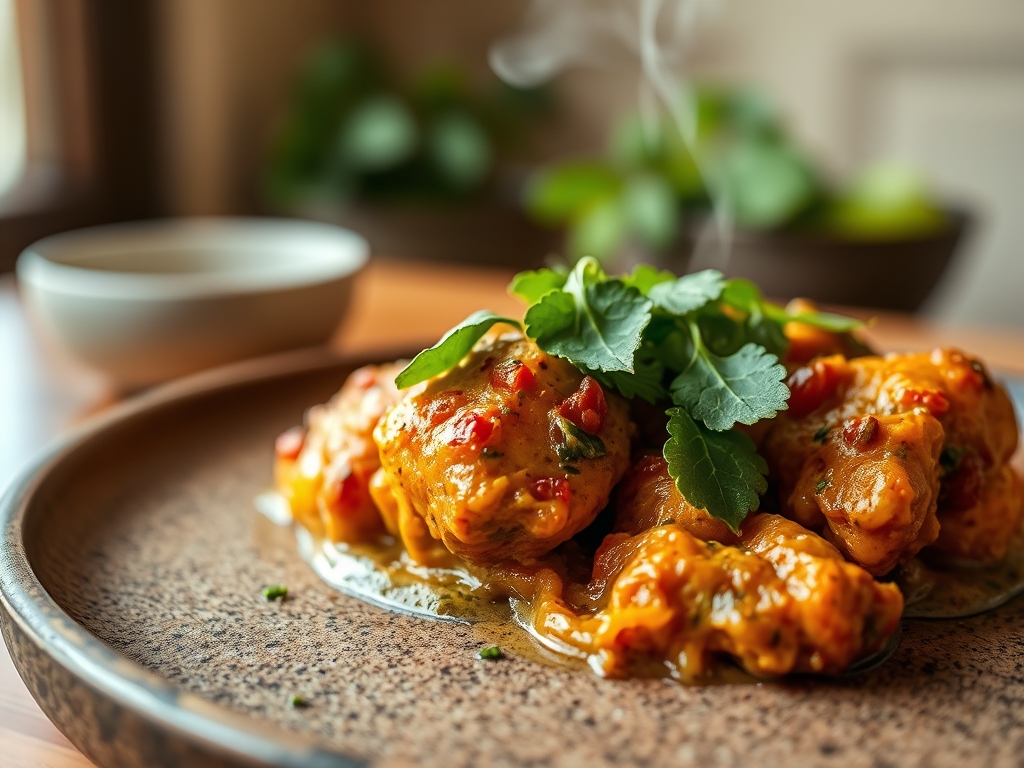
Imagine the scent of charred tomatillos and roasted poblano peppers swirling through your kitchen; it is a bright, acidic, and deeply savory aroma that commands attention. When you master chili verde chicken recipes, you are not just making dinner. You are orchestrating a symphony of capsaicin and citrus. It is the ultimate comfort food for the modern palate.
This dish is a masterclass in balance. You have the heat of the peppers, the tang of the fruit, and the richness of the poultry. It is vibrant and unapologetically bold. Whether you are simmering a pot for a Sunday crowd or prepping a quick weeknight version, the goal remains the same: a sauce so viscous and flavorful that it coats the back of a spoon perfectly. We are diving deep into the chemistry of the green sauce, ensuring every bite is a revelation of texture and piquant intensity. Grab your favorite heavy-bottomed skillet and let us get started.
The Gathers:
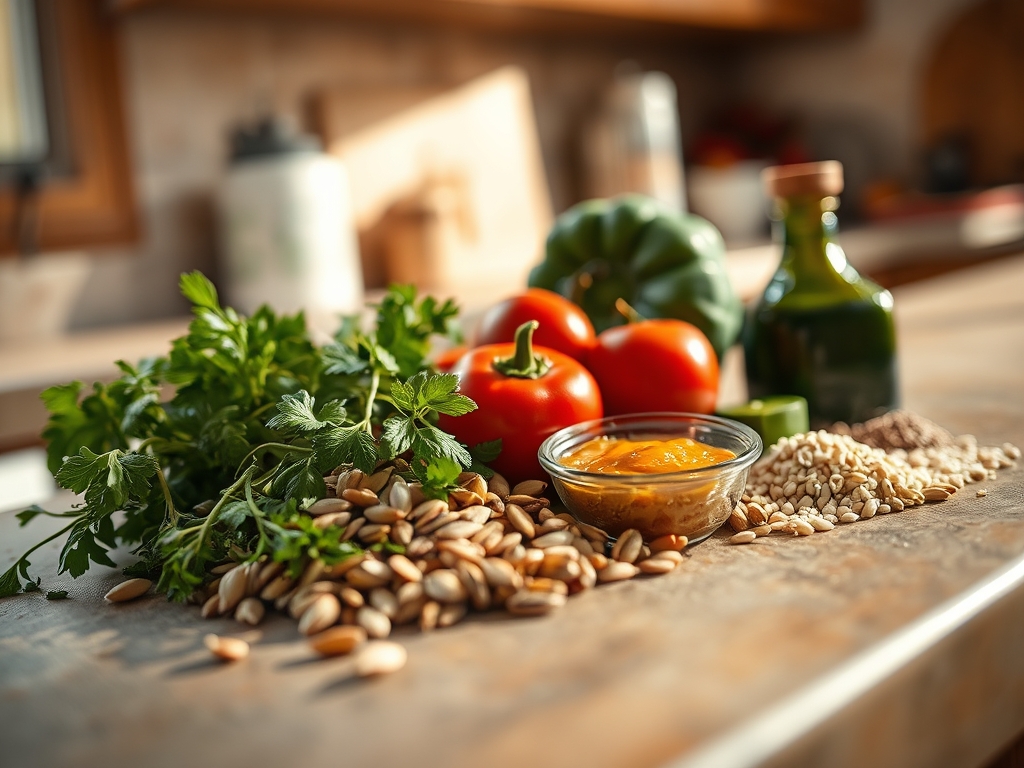
To execute the best chili verde chicken recipes, your mise-en-place must be precise. Start with five pounds of fresh tomatillos. These are not green tomatoes; they are husked fruits containing high levels of pectin, which provides the natural thickening power for your sauce. You will also need a variety of peppers: poblanos for earthy depth, anaheims for mild sweetness, and serranos for a sharp, clean heat.
For the protein, reach for boneless, skinless chicken thighs. Thighs contain more connective tissue and fat than breasts, which means they stay succulent even after a long simmer. You will also need a bunch of fresh cilantro, several cloves of garlic, white onions, and high-quality chicken bone broth. For the dry pantry, gather ground cumin, dried Mexican oregano (which has citrus notes compared to the savory Mediterranean variety), and kosher salt.
Smart Substitutions: If you cannot find fresh tomatillos, high-quality canned versions work in a pinch, though you should drain them well to avoid excess water. If you want a leaner profile, you can use chicken breast, but you must reduce the simmer time to prevent the meat from becoming stringy and dry. For a smoky twist, swap one of the poblanos for a canned chipotle in adobo; it will change the color slightly but add a massive depth of flavor.
The Clock: Chef's Flow
Timing is everything in a professional kitchen. For these chili verde chicken recipes, expect a total commitment of 90 minutes. The prep phase takes 20 minutes; this involves husking, rinsing the sticky residue off the tomatillos, and dicing your aromatics. The "active" cooking phase, which includes roasting the peppers and searing the meat, takes another 20 minutes.
The final 50 minutes is the "passive" simmer. This is the Chef's Flow: while the sauce reduces and the flavors infuse, you have time to clean your station with a bench scraper and prepare your garnishes. This period allows the collagen in the chicken to break down into gelatin, creating a luxurious mouthfeel that a quick-cook method simply cannot replicate.
The Masterclass:
1. Blister and Char the Aromatics
Place your tomatillos, onions, and peppers on a baking sheet. Broil them until the skins are blackened and the flesh is soft. Use metal tongs to flip them halfway through to ensure an even char across all surfaces.
Pro Tip: This is called enzymatic browning and caramelization. Charring the skins creates complex carbon compounds that add a smoky "umami" base to the sauce, cutting through the natural acidity of the tomatillos.
2. The Puree Pulse
Transfer the roasted vegetables (minus the tough stems) into a high-speed blender. Add your cilantro and garlic. Pulse until you reach your desired consistency; some prefer a silky emulsion, while others like a chunky, rustic texture.
Pro Tip: Do not over-blend. If you aerate the sauce too much, you incorporate tiny air bubbles that can dull the vibrant green color. Use short pulses to maintain a vivid, deep emerald hue.
3. Searing for the Maillard Reaction
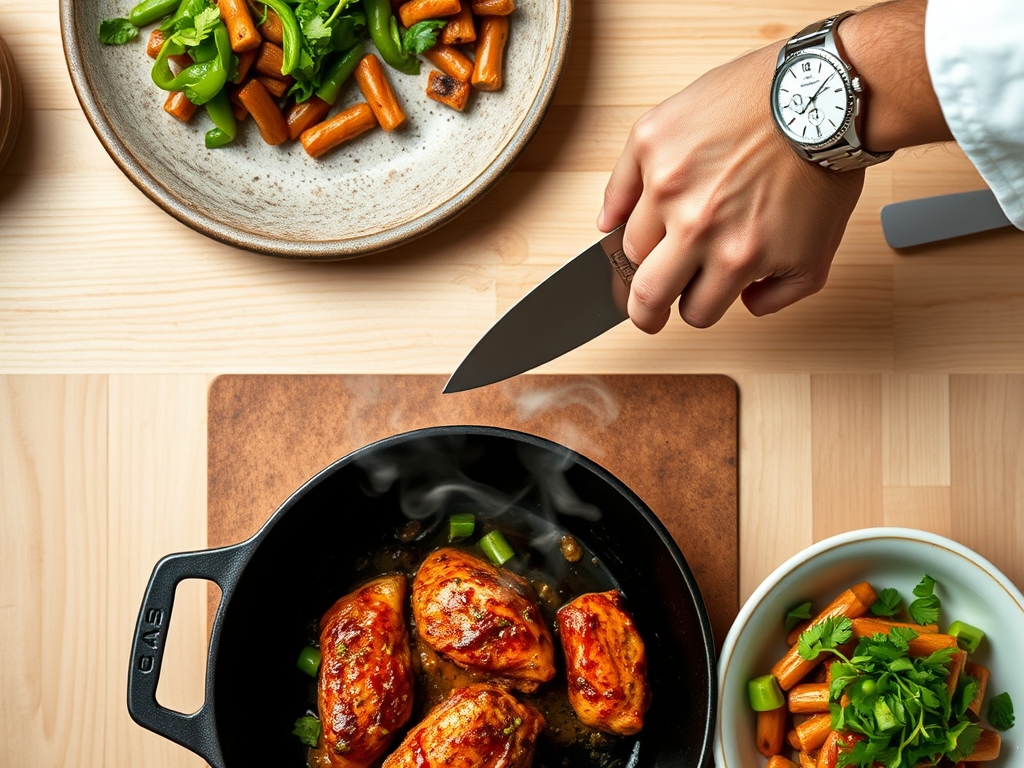
Pat your chicken thighs dry with a paper towel. Season them heavily with salt and cumin. In a heavy-bottomed skillet or Dutch oven, sear the chicken in small batches until a golden-brown crust forms on both sides.
Pro Tip: This is the Maillard reaction. By browning the meat before simmering, you create hundreds of new flavor compounds that will eventually leach into the sauce, providing a savory backbone that raw chicken cannot provide.
4. Deglaze and Combine
Remove the chicken and set it aside. Pour a splash of bone broth into the hot skillet and use a wooden spoon to scrape up the "fond" (the brown bits stuck to the bottom). Pour in your green sauce and return the chicken to the pot.
Pro Tip: Deglazing is a chemical extraction process. The liquid dissolves the caramelized sugars and proteins from the pan, ensuring that no flavor is wasted and the sauce gains a darker, richer profile.
5. The Low and Slow Simmer
Reduce the heat to a bare whisper. Cover the pot and let it simmer until the chicken is tender enough to pull apart with two forks. Monitor the liquid level; if it becomes too thick, add a tablespoon of broth to maintain a viscous consistency.
Pro Tip: This stage relies on thermal carryover and slow protein denaturation. Keeping the temperature low prevents the muscle fibers from tightening and squeezing out moisture, resulting in "melt-in-your-mouth" chicken.
The Deep Dive:
When we look at the macro nutrition of chili verde chicken recipes, we see a powerhouse of health. A standard serving is high in lean protein and loaded with Vitamin C from the peppers and tomatillos. It is naturally low in carbohydrates, making it a favorite for many modern diets.
Dietary Swaps: To make this vegan, replace the chicken with roasted cauliflower florets or jackfruit and use vegetable stock. For Keto followers, this recipe is already nearly perfect; just ensure you do not add any honey or sugar to the sauce. If you are Gluten-Free, you are in the clear, as the thickness comes from the tomatillo pectin rather than a flour-based roux.
The Fix-It:
- Too Acidic: If the sauce is too tart, stir in a pinch of baking soda. It neutralizes the pH levels instantly.
- Too Thin: Simmer the sauce uncovered for ten minutes to allow evaporation to concentrate the pectin.
- Too Bitter: This often happens if the peppers are over-charred. Add a small dollop of sour cream or Greek yogurt to the finished bowl to mellow the harsh notes.
Meal Prep Science: This dish actually tastes better on day two. As it sits in the refrigerator, the spices continue to infuse the meat through osmosis. When reheating, do so gently on the stovetop. Avoid the microwave if possible, as it can cause the fats to separate and the chicken to become rubbery. Adding a splash of water before reheating will help re-emulsify the sauce.
The Wrap-Up:
You have just mastered one of the most vibrant chili verde chicken recipes in the culinary playbook. By understanding the science of charring, the importance of the Maillard reaction, and the chemistry of pectin, you have elevated a simple stew into a gourmet experience. This dish is meant to be shared; serve it with warm tortillas, a squeeze of lime, and a sprinkle of cotija cheese. Your kitchen is now a sanctuary of bold flavors and smart techniques. Go ahead and take a bow; you have earned it.
The Kitchen Table:
Why is my chili verde bitter?
Bitterness usually stems from over-roasting the tomatillos or leaving too many charred pepper skins in the mix. To fix it, add a tiny pinch of sugar or a dollop of cream to balance the pH levels and mellow the flavor.
Can I use chicken breast instead of thighs?
Yes, but be careful. Chicken breasts lack the fat and connective tissue of thighs, so they can dry out. Reduce the simmering time by 15 minutes and ensure the meat is fully submerged in the sauce to retain moisture.
How do I thicken the sauce without flour?
The best way is to simmer the sauce uncovered. This allows water to evaporate, concentrating the natural pectin found in tomatillos. You can also blend a small portion of the cooked chicken into the sauce to add body.
Is chili verde chicken spicy?
It depends on your pepper choice. Using only poblanos and anaheims results in a mild, earthy flavor. To increase the heat, leave the seeds in your serranos or add a habanero. Always taste your peppers before adding them to the pot.