
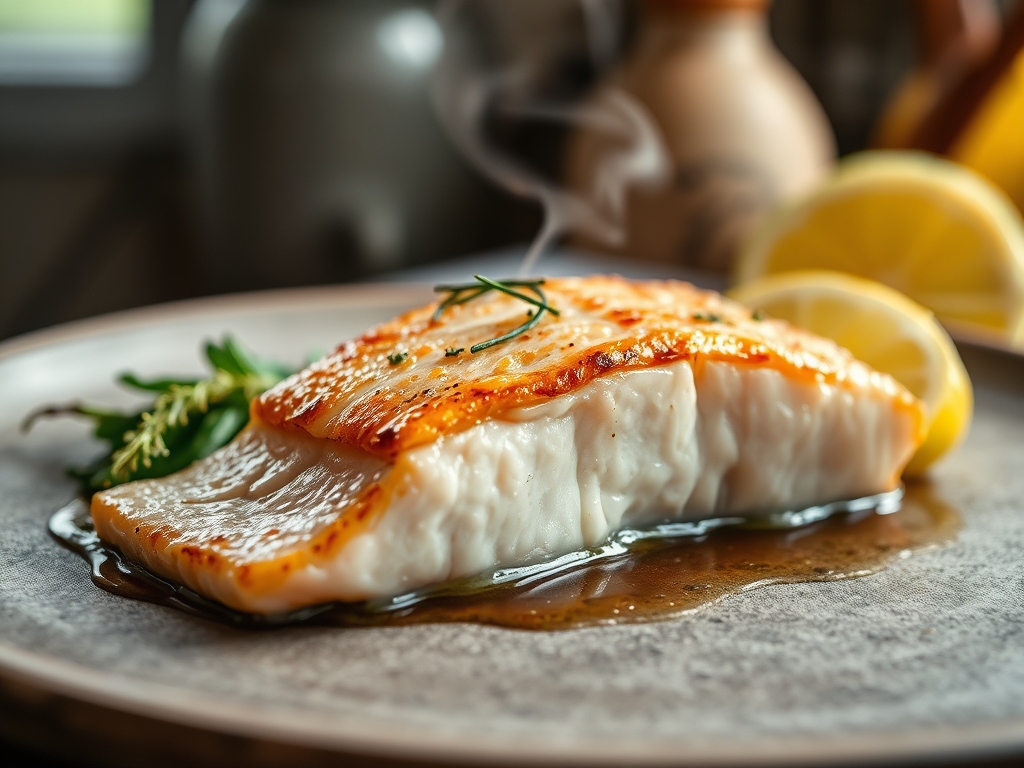
Imagine a fillet so pale it mimics ivory, yet so rich it rivals A5 Wagyu. This is the "Ivory" salmon, a genetic marvel making up less than five percent of the population. When you hunt for white king salmon recipes, you are looking for more than a meal; you are seeking a masterclass in lipid management. The texture is buttery, the flavor is mild, and the culinary potential is infinite.
We are moving past the basic pan-sear into a world where molecular precision meets home-kitchen soul. This fish lacks the carotenoid pigments of its red cousins, meaning it does not just look different; it behaves differently under heat. Its higher fat content requires a delicate hand to prevent the proteins from tightening too quickly. We are going to treat this protein like the royalty it is, using science to unlock a silkiness you previously thought was reserved for Michelin-starred dining rooms. Grab your favorite apron and a glass of crisp Chenin Blanc. We are about to transform your kitchen into a high-end seafood atelier.
The Gathers:
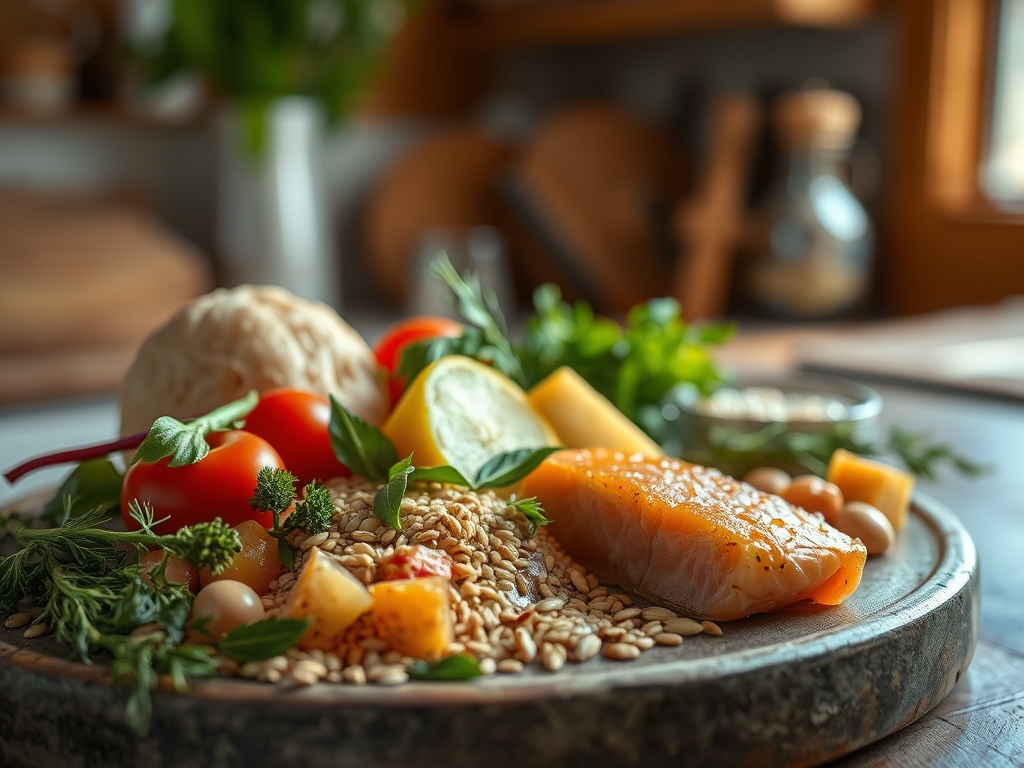
To execute these white king salmon recipes, your mise-en-place must be flawless. Start with a center-cut fillet, ideally skin-on to provide a structural heat shield. You will need a heavy-bottomed skillet (cast iron or carbon steel) to ensure even thermal distribution. Gather high-smoke-point fats like clarified butter or avocado oil; the goal is to render the subcutaneous fat without scorching the delicate flesh.
For the aromatics, reach for fresh dill, Meyer lemon zest, and shallots. Use a microplane to achieve a fine zest that releases essential oils without the bitter pith. You will also need fleur de sel for its crystalline crunch and a saucier for a quick emulsion sauce.
Smart Substitutions: If you cannot source Ivory King, a high-fat Steelhead or a Copper River King can stand in, though the flavor profile will shift toward the earthy. If you are avoiding dairy, swap the butter for a viscous cashew cream or a high-quality extra virgin olive oil to maintain that luxurious mouthfeel.
The Clock
Efficiency in the kitchen is about the Chef's Flow. Total active time for these hacks is roughly 20 minutes, with a 10-minute prep window and a 10-minute cook time. However, the secret is the "tempering" phase. Allow your fish to sit at room temperature for 15 minutes before it hits the pan. This prevents "thermal shock," where the exterior overcooks before the center reaches the target temperature. Use a digital scale to portion your fillets precisely; 6-ounce cuts are the gold standard for consistent heat penetration.
1. The Cold-Start Sear
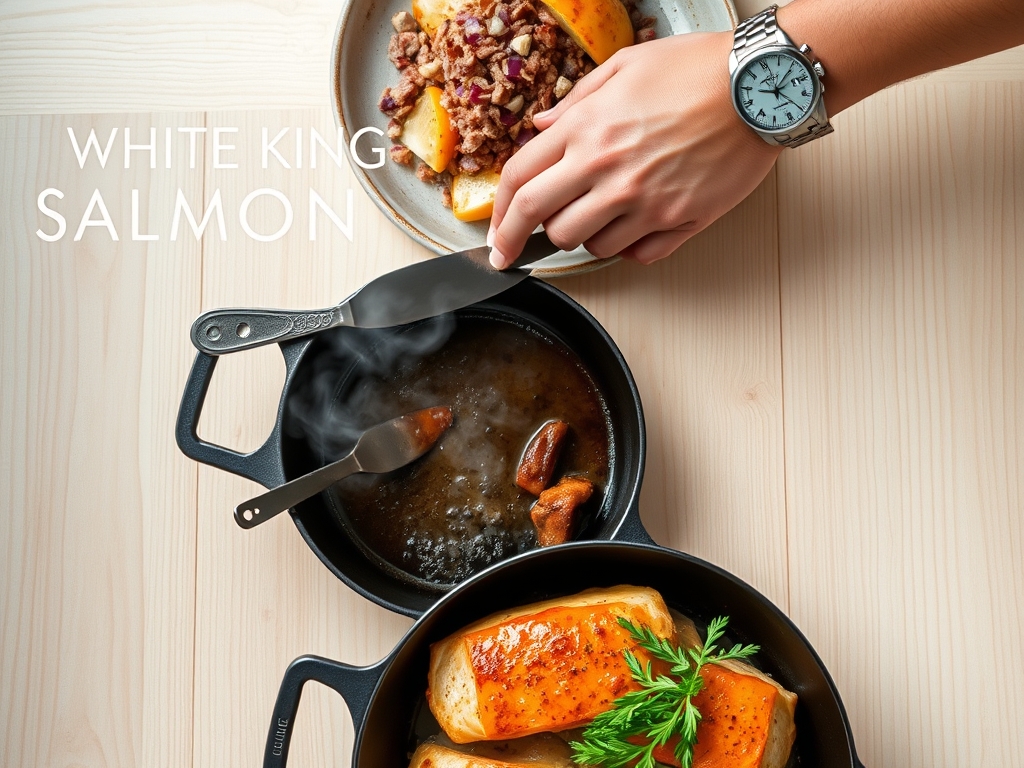
Place the skin-side down in a cold heavy-bottomed skillet before turning on the flame. This allows the fat to render slowly, resulting in glass-like skin.
Pro Tip: This method utilizes conductive heating to melt the fat layers before the protein fibers contract, ensuring the skin remains flat and ultra-crispy.
2. The Dry-Brine Buffer
Dust the flesh with a mix of salt and a touch of sugar 30 minutes before cooking. Wipe away the moisture with a paper towel before searing.
Pro Tip: This triggers denaturation of the surface proteins, creating a tacky layer called a pellicle that traps juices inside during the cook.
3. The Butter Baste (Arrosage)
Once the fish is flipped, add cold butter and thyme to the pan. Use a large spoon to continuously bathe the fillet in the foaming fat.
Pro Tip: This is a form of convection cooking within the pan. The hot fat carries aromatics into every crevice while keeping the interior moist.
4. The Acid Flash
Deglaze the pan with a splash of dry vermouth or white wine vinegar just as the fish finishes.
Pro Tip: The acid provides a piquant contrast to the high lipid content of the white king, cutting through the richness and balancing the palate.
5. The Gentle Rest
Transfer the fish to a warm plate and tent loosely with foil for three minutes.
Pro Tip: This accounts for thermal carryover. The internal temperature will rise by 5 degrees, allowing the muscle fibers to relax and reabsorb their internal juices.
6. The Citrus Infusion
Apply citrus zest only after the heat is off.
Pro Tip: Heat can turn delicate citrus oils bitter. Adding them at the end preserves the volatile aromatics that give the dish its bright, fresh lift.
7. The Parchment Shield (En Papillote)
For a no-mess hack, wrap the fillet in parchment with a splash of dashi.
Pro Tip: This uses steam pressure to cook the fish. It is the gentlest way to preserve the "ivory" color without any browning.
8. The Microplane Finish
Grate a frozen clove of garlic or a knob of ginger over the hot fillet right before serving.
Pro Tip: The residual heat is enough to aerate the pungent compounds without the harshness of raw garlic.
9. The Texture Contrast
Top the finished fillet with toasted panko or crushed Marcona almonds.
Pro Tip: Culinary satisfaction relies on sensory contrast. The crunch of the topping highlights the velvety, almost custard-like texture of the salmon.
The Deep Dive
Macro Nutrition: White king salmon is a powerhouse of Omega-3 fatty acids, specifically EPA and DHA. A 6-ounce serving provides roughly 34 grams of high-quality protein and a significant dose of Vitamin D. Because it is higher in fat than pink salmon, it is exceptionally satiating.
Dietary Swaps: For a Keto version, double down on the butter baste and serve over wilted spinach. For Vegan guests, this technique works surprisingly well with thick slabs of "King Trumpet" mushrooms, which mimic the meaty texture. Gluten-Free diners should swap the deglazing flour for a cornstarch slurry or simply rely on the natural reduction of the pan juices.
The Fix-It:
- The Albumin Bleed: If you see white "goo" seeping out, your heat is too high. Fix it by lowering the flame immediately and shortening the cook time next time.
- Stuck Skin: If the skin won't release, do not force it with tongs. Wait another 30 seconds; the skin will naturally release once the Maillard reaction is complete.
- Overcooked Interior: If the fish feels firm like a bouncy ball, it is overdone. Save it by flaking it into a pasta sauce with plenty of olive oil to add moisture.
Meal Prep: To reheat, avoid the microwave. Use a low oven (275F) with a tablespoon of water in the dish. This creates a mini-steam chamber that prevents the fats from turning rancid or the protein from becoming rubbery.
The Wrap-Up
Mastering white king salmon recipes is about respecting the ingredient. This fish is a rare treasure, and by using these scientific hacks, you are elevating a simple dinner into a sensory event. Remember to focus on the fat; render it, baste with it, and balance it with acid. You have the tools, the tech, and the talent to make this the best meal of the year. Now, get that skillet hot and show that salmon who is boss!
The Kitchen Table
How do I know if white king salmon is cooked?
Use a cake tester or a thin knife. Insert it into the thickest part for five seconds, then touch it to your bottom lip. If it feels warm but not hot, the salmon is a perfect medium-rare.
Why is white king salmon so expensive?
It is a rare genetic variant found in only a small percentage of Chinook salmon. Its limited availability and exceptionally high oil content make it a prized "boutique" fish for chefs and seafood connoisseurs globally.
Can I use frozen white king salmon?
Yes, but thaw it slowly in the refrigerator for 24 hours. Pat it extremely dry before cooking to ensure the skin crisps. Avoid "quick-thawing" in warm water, as this destroys the delicate cellular structure of the fish.
What is the best side dish for white salmon?
Look for something with high acidity or bitterness to balance the fat. Blanched asparagus with lemon, a shaved fennel salad, or garlicky broccolini are all excellent choices that won't overwhelm the mild flavor of the ivory fillet.