
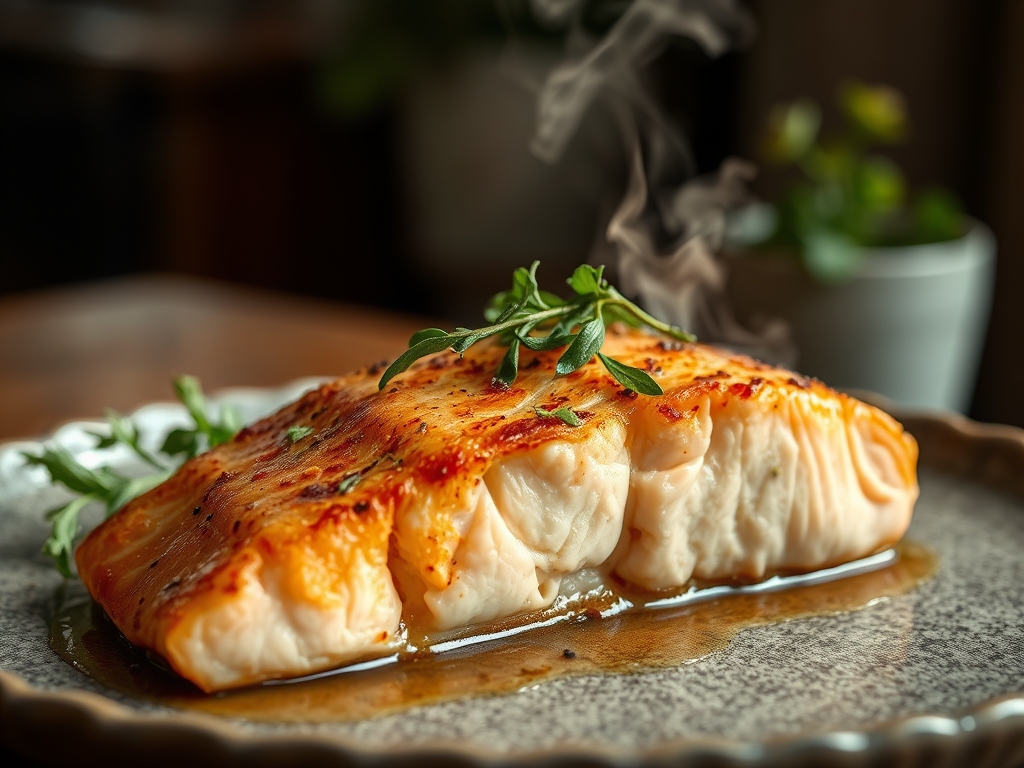
Picture the scene: a quiet Tuesday evening transformed by the sizzle of a sheet pan and the intoxicating aroma of lemon zest meeting hot fat. When you dive into the world of baked pink salmon recipes, you are not just making dinner; you are conducting a delicate symphony of proteins and lipids. Pink salmon, or Oncorhynchus gorbuscha, is the leanest of the Pacific species, which makes it a high-stakes protein for the home cook. Its lower fat content means it can pivot from succulent to sawdust in a matter of seconds. We are aiming for that iridescent, translucent center and a flake that yields to the slightest pressure of a fork. This is about mastering the thermal curve to ensure every bite is a buttery revelation. Forget the dry, grayish fillets of your past. We are utilizing molecular precision to lock in moisture, leveraging the power of salt to denature proteins just enough to trap juices, and using high-heat finishes to trigger the Maillard reaction without overcooking the core. Grab your apron; we are about to turn a humble fish into a five-star masterpiece.
The Gathers:
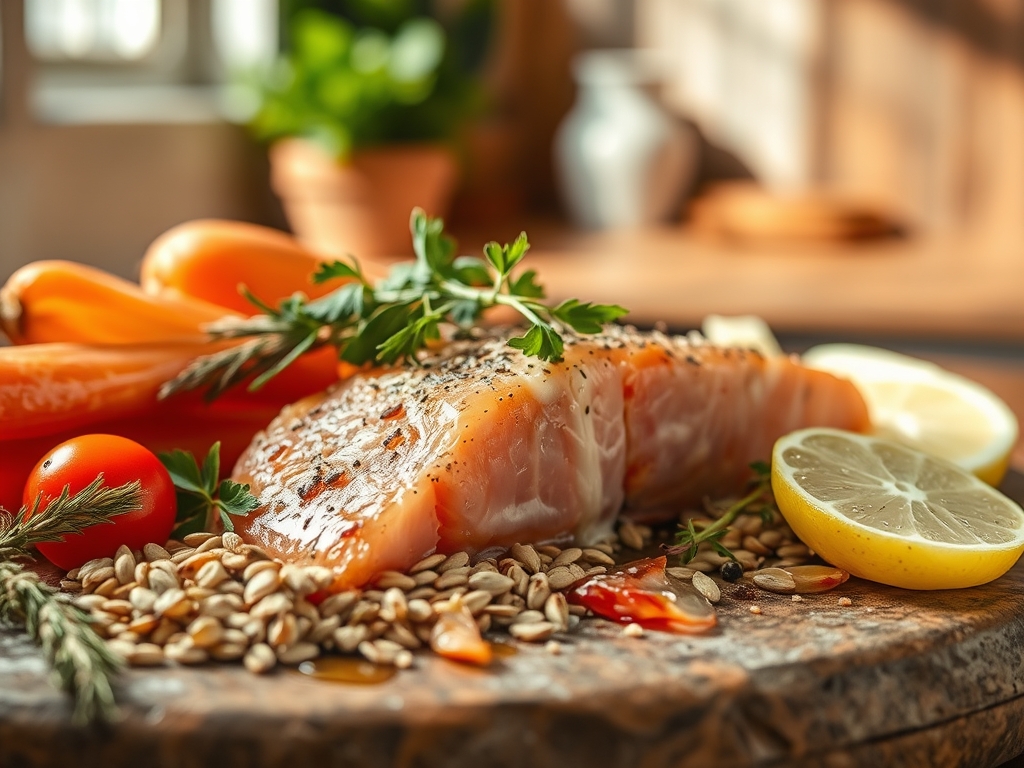
To achieve perfection, your mise-en-place must be meticulous. Start with high-quality pink salmon fillets, ideally skin-on to provide a thermal buffer. You will need a digital scale to ensure uniform portioning, which is the secret to even cooking. For the flavor profile, gather cold unsalted butter (to control sodium levels), fresh sprigs of dill, and a head of garlic. You will also need a microplane for grating lemon zest without hitting the bitter white pith.
Scientific sensory language dictates that we balance the viscous nature of fats with the piquant bite of acids. We will use coarse kosher salt for its jagged crystal structure, which adheres better to the flesh than table salt. For the smart substitutions, if you are avoiding dairy, a high-quality avocado oil provides a similar smoke point and mouthfeel. If fresh dill is unavailable, fennel fronds offer a similar aromatic complexity. Note the vibrant color and tight grain of the fillets in the ingredient photo above; this indicates freshness and high protein integrity.
The Clock
Efficiency in the kitchen is about "Chef's Flow," the art of overlapping tasks to minimize downtime. Your total active prep time is exactly 12 minutes, with a cook time ranging from 10 to 15 minutes depending on the thickness of your fillets.
- The Chill-Off (5 minutes): Tempering the fish. Never throw an ice-cold fillet into a hot oven, as the thermal shock causes the muscle fibers to contract violently, squeezing out moisture.
- The Infusion (7 minutes): While the oven preheats to 375 degrees Fahrenheit, you will prepare your aromatics and coat the fish.
- The Roast (10-15 minutes): This is the active window where heat transfer occurs via convection.
- The Rest (5 minutes): Essential for moisture redistribution.
Total time from fridge to fork is under 30 minutes, making this the ultimate high-performance meal.
The Masterclass
1. The Surface Preparation
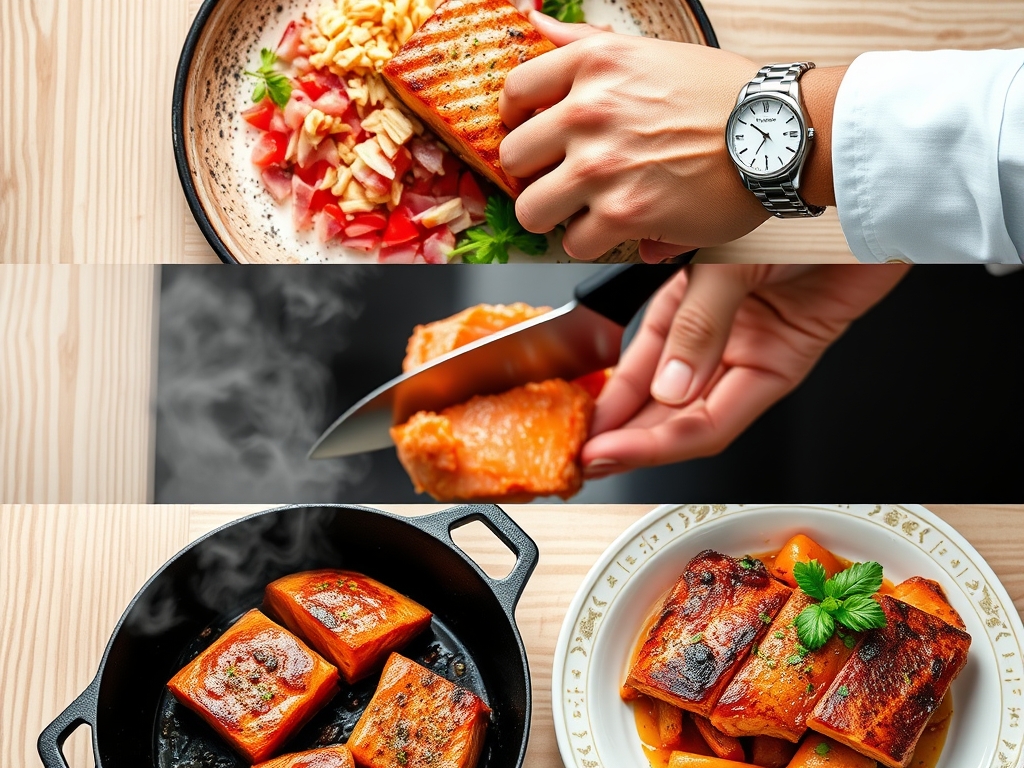
Dry the fillets thoroughly using lint-free paper towels. Moisture is the enemy of the Maillard reaction. If the surface is wet, the oven's energy is wasted evaporating water rather than browning the protein. Use a bench scraper to move the fillets onto a parchment-lined baking sheet.
Pro Tip: This process prevents "steaming" the fish. By removing surface moisture, you allow the heat to immediately begin the process of enzymatic browning, creating a savory crust that seals in the internal juices.
2. The Salt Brine Technique
Season the salmon generously with kosher salt from a height of twelve inches to ensure even distribution. Let it sit for five minutes before adding any oil or butter.
Pro Tip: Salt acts as a denaturant. It dissolves a portion of the myosin filament in the muscle, which creates a gel-like structure that holds onto water during the roasting process. This results in a significantly more tender texture.
3. The Lipid Barrier
Melt your butter in a small saucier and whisk in your minced garlic and lemon zest. Brush this mixture over the salmon using a silicone pastry brush. The fat acts as a heat conductor and provides a barrier against the dry air of the oven.
Pro Tip: Fats are excellent at infusing fat-soluble flavor compounds from the garlic and herbs directly into the top layers of the fish. This creates a depth of flavor that topical seasoning alone cannot achieve.
4. Precision Thermal Application
Slide the tray into the center rack of the oven. Use a digital probe thermometer to monitor the internal temperature. You are aiming for an internal pull temp of 125 degrees Fahrenheit for medium-rare or 130 degrees Fahrenheit for medium.
Pro Tip: Understanding thermal carryover is vital. The internal temperature will continue to rise by 5 to 7 degrees after you remove the fish from the oven. Pulling it early ensures you do not hit the "dry zone" of 145 degrees.
5. The Aeration Rest
Transfer the fillets to a warm plate using tongs or a fish spatula. Tent loosely with foil, but do not seal it tightly, as you do not want to steam the skin you just worked so hard to crisp.
Pro Tip: Resting allows the muscle fibers, which tightened during cooking, to relax. This enables the internal juices to redistribute from the center back to the edges, ensuring every bite is equally moist.
The Deep Dive
Pink salmon is a nutritional powerhouse. A 6-ounce serving provides roughly 34 grams of high-quality protein and is rich in Omega-3 fatty acids, which support cognitive function and heart health. It is naturally low in calories compared to King or Sockeye salmon, making it a favorite for those tracking macros.
For dietary swaps, this recipe is naturally Gluten-Free. To make it Keto, simply double the butter or use a heavy cream reduction. For a vegan alternative, the same seasoning and roasting techniques can be applied to "steaks" of cauliflower or extra-firm tofu, though cooking times will vary.
The Fix-It: Common Pitfalls
- The White Gunk (Albumin): If you see white streaks on your salmon, you cooked it too fast or too hot. Fix: Lower the oven temp and ensure you used the salt-brine step to keep the protein structure intact.
- Soggy Skin: This happens when the pan isn't preheated or there is too much moisture. Fix: Start the salmon skin-side down on a preheated heavy-bottomed skillet for 2 minutes before moving to the oven.
- Metallic Aftertaste: This is often a sign of oxidation in older fish. Fix: Always buy wild-caught and use a squeeze of fresh lemon juice immediately after cooking to neutralize trimethylamine.
Meal Prep and Reheating:
To maintain "day-one" quality, never microwave salmon. The localized high heat will turn the fats rancid. Instead, reheat in a 275-degree oven with a splash of water and a tight foil cover for 8 minutes. This gently re-hydrates the proteins without overcooking them.
The Wrap-Up
Mastering baked pink salmon recipes is a rite of passage for any serious home cook. By combining the physics of heat transfer with the chemistry of brine and fats, you transform a lean, delicate fish into a decadent feast. Remember: dry the surface, salt early, and pull the fish before it hits the target temperature. You have the tools, the science, and the technique to make every dinner feel like a celebration. Now, get into that kitchen and show that salmon who is boss!
The Kitchen Table
How do I know when pink salmon is done without a thermometer?
Press the top of the fillet gently with your finger or a fork. If the flesh separates easily along the natural white lines (the fat deposits), it is perfectly flaky and ready to serve.
Can I bake pink salmon from frozen?
It is possible, but not recommended for the best texture. Frozen fish releases more moisture, leading to steaming. For best results, thaw overnight in the refrigerator and pat completely dry before seasoning.
Why is my salmon always dry?
Pink salmon is leaner than other varieties, meaning it has less internal fat to buffer against heat. You are likely overcooking it. Always aim for an internal temperature of 130 degrees Fahrenheit maximum.
Is the skin on pink salmon edible?
Absolutely! When baked correctly, the skin contains high concentrations of Omega-3s. For the best experience, ensure it is descaled and patted dry so it becomes crispy rather than rubbery during the baking process.