
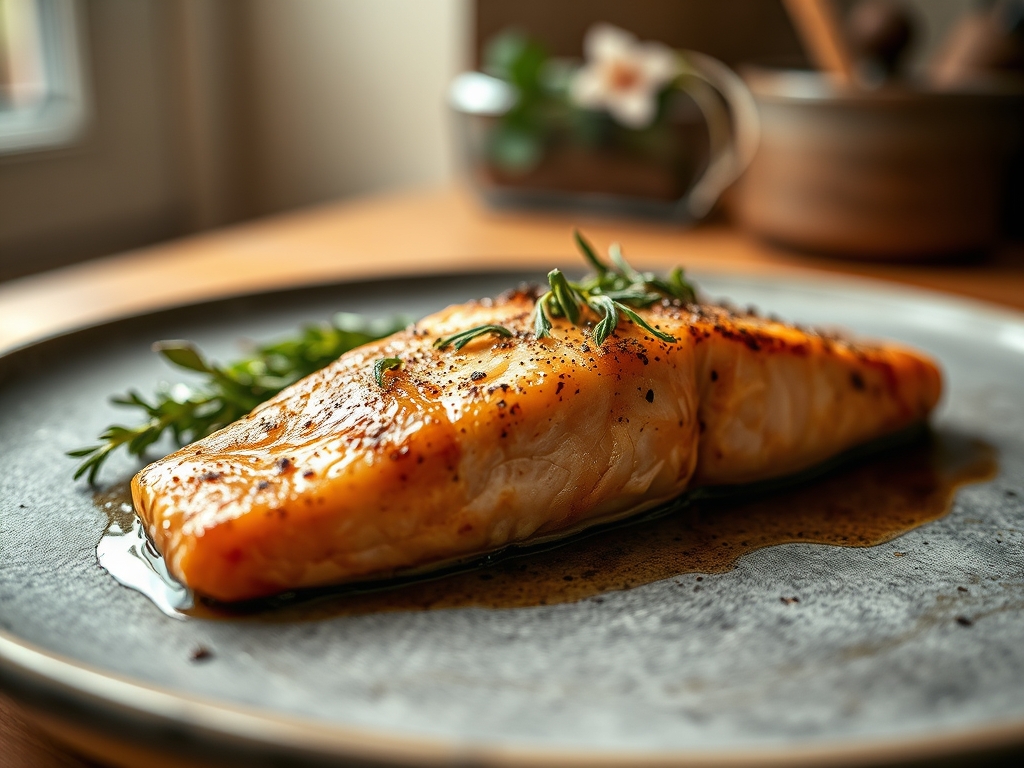
Picture the scene: the lights are dimmed; the wine is breathing; and a platter of glistening, coral-hued fillets rests at the center of the table. Finding the perfect salmon recipes for dinner party success is about more than just a meal. It is about mastering the delicate balance between high-end culinary art and the relaxed joy of hosting your favorite people. Salmon is the ultimate chameleon of the sea. It is elegant enough for a black-tie affair yet forgiving enough for a kitchen-island chat.
When you serve salmon, you are working with a protein that is naturally rich in omega-3 fatty acids and astaxanthin, the pigment that gives it that iconic sunset glow. The goal tonight is to move beyond the basic bake and into the realm of the extraordinary. We are talking about textures that shatter under a fork and sauces that possess a silky, viscous mouthfeel. Whether you are aiming for a classic French butter poach or a bold, piquant glaze, these eight masterpieces will transform your dining room into the hottest bistro in town. Let us get your apron on and your mindset ready for some serious kitchen chemistry.
The Gathers:
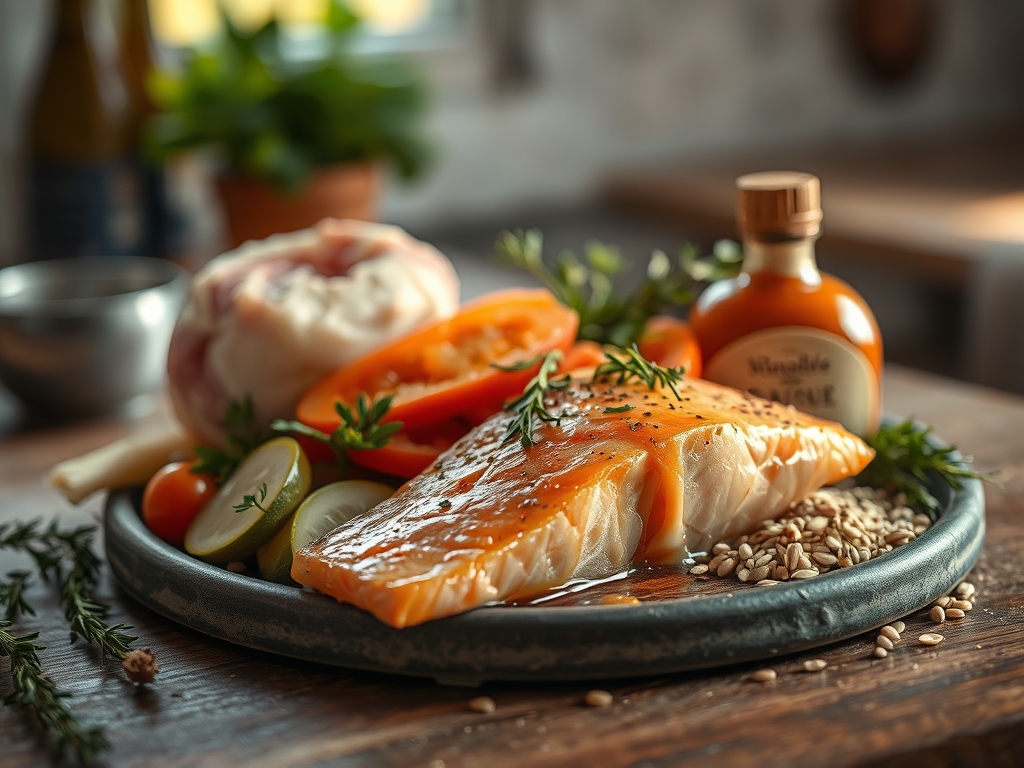
Before we ignite the burners, we must assemble our mise-en-place with the precision of a laboratory technician. For these salmon recipes for dinner party excellence, start with center-cut Atlantic or King salmon fillets. Look for flesh that is firm to the touch; it should spring back immediately when pressed, indicating high cellular integrity.
You will need a high-quality fat source to facilitate heat transfer. Reach for unsalted European-style butter, which has a lower water content and higher butterfat percentage than standard sticks. For the aromatics, gather fresh dill, flat-leaf parsley, and chives. We want the volatile oils in these herbs to infuse the fish without being muted by dried alternatives. Grab your microplane for citrus zest; we need those tiny, aromatic particles to aerate the heavy fats in the fish.
Smart Substitutions:
If a guest has a dairy allergy, swap the butter for a cold-pressed avocado oil. It has a high smoke point of 520 degrees Fahrenheit, ensuring you can still achieve a hard sear without the oil breaking down into acrid compounds. For a citrus twist, try Meyer lemons instead of standard Lisbons. They offer a floral, less acidic profile that complements the fatty acids in the salmon without curdling any cream-based sauces.
The Clock: Timing the Chef's Flow
Efficiency in the kitchen is all about managing the "Chef's Flow." For a party of six, expect a total active prep time of 25 minutes and a cooking window of 12 to 15 minutes. The secret is in the temperature. You must pull your salmon from the refrigerator 20 minutes before it hits the pan. This allows the internal temperature to rise, ensuring the heat can penetrate the center of the fillet without overcooking the exterior.
While the salmon tempers, use your bench scraper to organize your chopped aromatics. This prevents "flavor bleeding" on your cutting board. If you are serving eight different masterpieces, the flow relies on staggered starts. Cold-cured preparations like Gravlax can be done 48 hours in advance, while the seared fillets are the "hero" moment, requiring your undivided attention at the stove for those final ten minutes.
The Masterclass:
1. The Perfect Sear
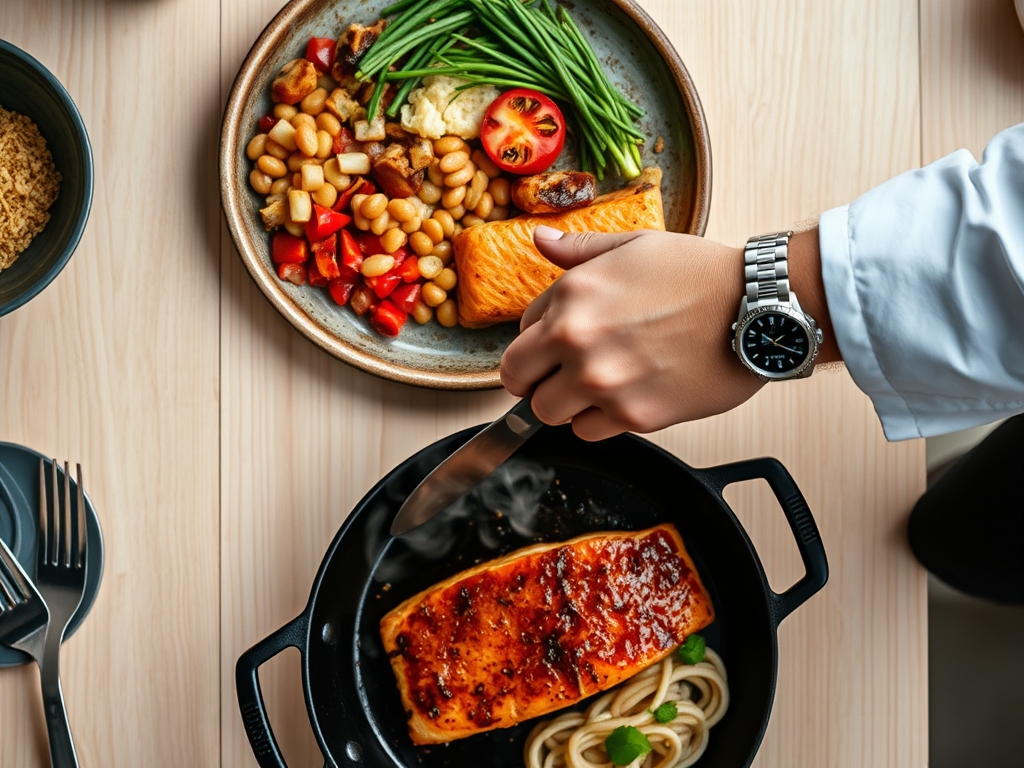
Start by patting the skin bone-dry with paper towels. Moisture is the enemy of the Maillard reaction. Place the fish skin-side down in a preheated heavy-bottomed skillet with a thin film of oil. Use tongs to press the fillet down for the first 30 seconds to prevent the skin from curling.
Pro Tip: This initial pressure ensures maximum surface contact, allowing the proteins to undergo enzymatic browning. This creates that crispy, savory crust that acts as a structural base for the tender meat above.
2. The Butter Baste
Once the skin is crisp, flip the fillet and drop a knob of butter, smashed garlic, and thyme into the pan. Tilt the skillet so the melting butter pools at the bottom. Use a large spoon to continuously drench the fish in the hot, foaming fat.
Pro Tip: This technique, known as arroser, uses the butter as a thermal conductor. It gently cooks the interior while the milk solids in the butter brown, adding a nutty, toasted flavor profile to the dish.
3. The Deglaze
Remove the salmon when it is 5 degrees below your target temperature. Immediately pour a splash of dry white wine or verjuice into the hot pan. Use a whisk to scrape up the brown bits, or fond, stuck to the bottom.
Pro Tip: Deglazing captures the concentrated flavors left behind after searing. The acidity in the wine balances the heavy fats, creating a complex, piquant pan sauce in seconds.
4. The Emulsified Finish
Reduce the heat and whisk in cold cubes of butter or a spoonful of creme fraiche into your pan sauce until it becomes thick and viscous. This is the moment to add your fresh herbs and citrus zest.
Pro Tip: Emulsification is the process of forcing oil and water-based liquids to bond. By using cold butter and constant agitation, you create a stable, velvety sauce that coats the back of a spoon perfectly.
The Deep Dive: Science and Solutions
From a macro perspective, salmon is a nutritional powerhouse. A 6-ounce portion provides roughly 34 grams of high-quality protein and is one of the best sources of Vitamin B12 and Selenium. For guests with specific needs, these recipes are naturally Gluten-Free. To make them Keto-friendly, simply ensure your glazes are free of honey or maple syrup. For a vegan guest, use the same aromatic techniques on a "fillet" of roasted cauliflower or firm tofu to maintain the aesthetic of the dinner party.
The Fix-It: Troubleshooting Common Pitfalls
- The White Gunk: If you see white spots (albumin) pushing out of the fish, your heat is too high. This protein coagulates and squeezes out when the muscle fibers contract too quickly. Fix: Lower the flame and pull the fish off the heat sooner.
- Sticking Skin: If the skin won't release from the pan, do not force it. The fish will naturally "release" once the proteins have fully seared and dehydrated. Fix: Wait another 30 seconds; it will pop loose on its own.
- Soggy Texture: This happens when the fish steams rather than sears. Fix: Never crowd the pan. Cook in batches if necessary to maintain a high ambient temperature.
Meal Prep and Reheating:
To maintain "day-one" quality when reheating, avoid the microwave. The high-frequency waves vibrate water molecules too violently, toughening the protein. Instead, place the salmon in a 275-degree oven with a tablespoon of water and cover it tightly with foil. This creates a gentle steam chamber that restores moisture without overcooking the core.
The Wrap-Up:
Mastering salmon recipes for dinner party hosting is a badge of honor for any home chef. You have learned to respect the thermal carryover, the beauty of a proper emulsion, and the importance of dry skin for that perfect crunch. Cooking is just chemistry you can eat; and tonight, your laboratory is the kitchen. Trust your senses, watch for the flake, and remember that the best ingredient you can bring to the table is your own confidence. Now, pour yourself a glass of Sancerre and get ready to impress.
The Kitchen Table:
How do I know when the salmon is perfectly cooked?
Use a digital thermometer to check for an internal temperature of 125 degrees Fahrenheit for medium-rare. The flesh should be opaque on the outside but still slightly translucent and "flaky" in the very center when pressed with a fork.
Can I prepare the salmon ahead of time?
You can sear the skin several hours early and keep the fillets chilled. When guests arrive, finish them in a 400-degree oven for 4 to 5 minutes. This ensures the skin stays crisp while the center remains succulent and warm.
Why does my salmon always smell "fishy"?
True freshness has no odor. Trim the grey "blood line" from the skin side of the fillet, as this contains the highest concentration of strong-tasting oils. Also, rinsing the fish in cold water and patting it dry removes surface bacteria.
What is the best way to store leftover salmon?
Place leftovers in an airtight glass container immediately after they cool. Consume within two days. For the best texture, flake the cold salmon into a salad or fold it into a creamy pasta sauce rather than eating it as a standalone fillet.