
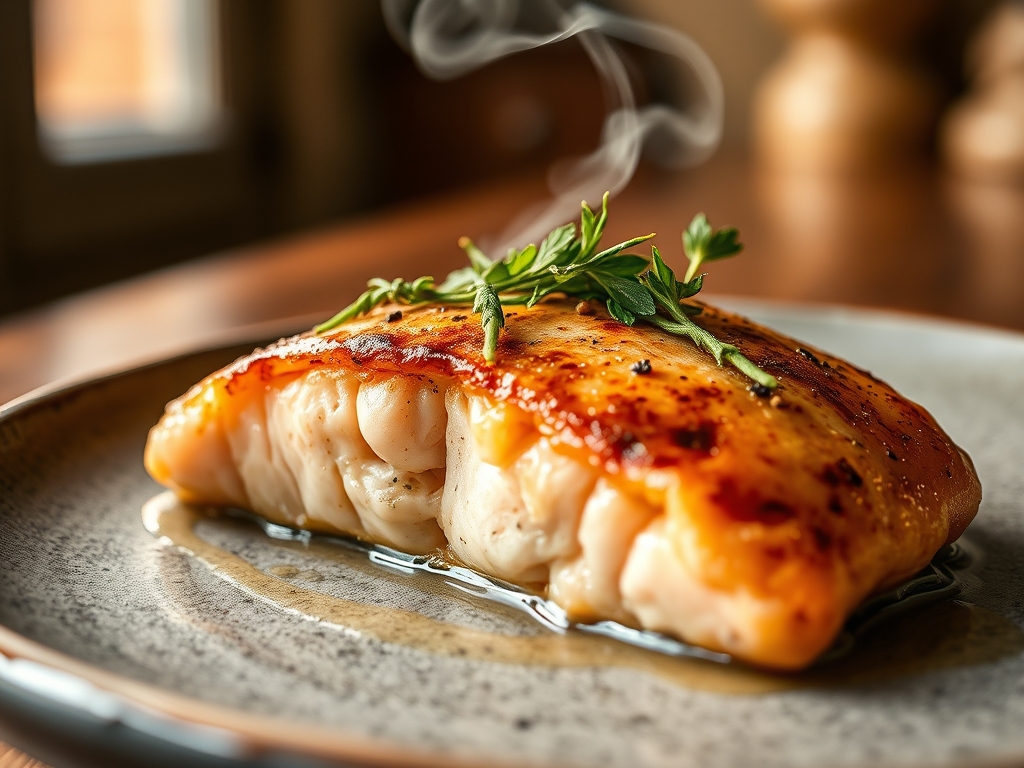
Imagine the sound of a heavy-bottomed cast iron skillet meeting a gas flame; that rhythmic clink is the heartbeat of a Dixie kitchen. We are moving beyond the delicate, poached fillets of the Pacific Northwest and diving headfirst into the soul-satisfying world of southern salmon recipes. This is where high-fat Atlantic salmon meets the crunch of cornmeal, the zing of remoulade, and the smoky depth of hickory. We are talking about crusts so golden they shatter and flakes so succulent they practically melt into a pool of lemon butter. Whether you are craving the nostalgic snap of a salmon patty or a blackened fillet that screams Bayou luxury, these six classics redefine comfort food through a sophisticated, scientific lens.
The Gathers:
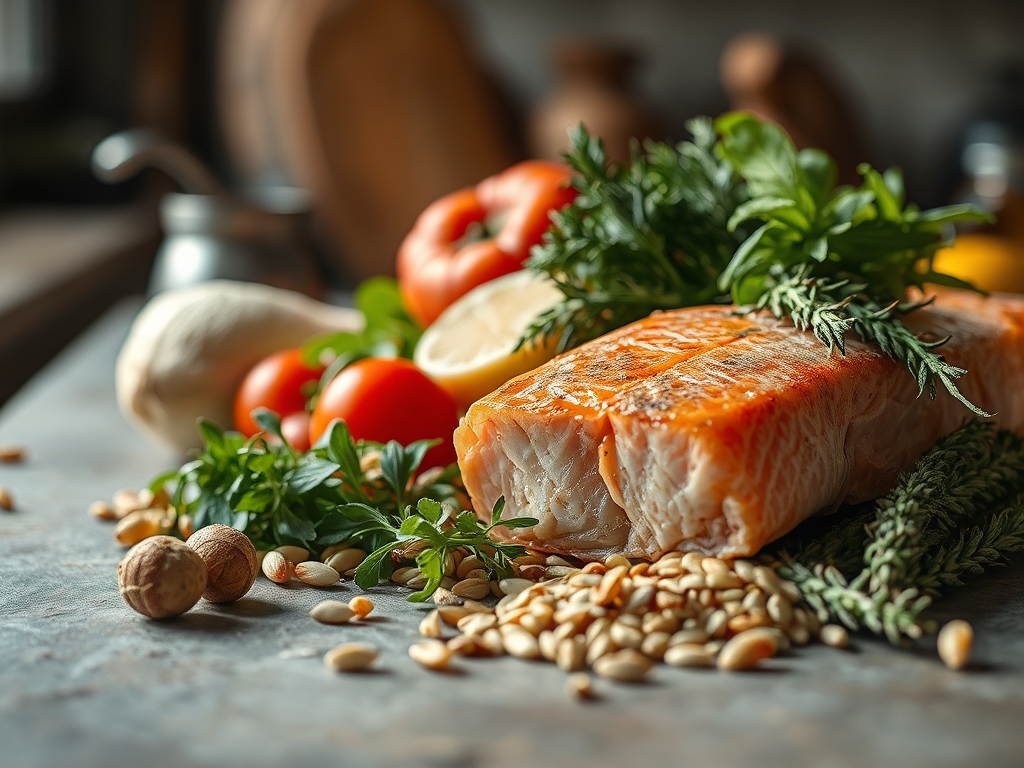
To execute these southern salmon recipes with precision, your mise-en-place must be impeccable. Start with high-quality salmon fillets, ideally center-cut for uniform thickness. You will need fine-ground yellow cornmeal for that signature grit; panko breadcrumbs for structural integrity; and high-smoke-point fats like avocado oil or clarified butter. Our aromatic base relies on the "Holy Trinity" of Southern cooking: finely diced bell pepper, celery, and onion. Use a sharp chef knife to ensure your dice is uniform; this ensures even sautéing and prevents raw vegetable pockets in your salmon cakes.
For the flavor profile, gather smoked paprika, cayenne pepper, dried thyme, and garlic powder. Do not forget the binders: heavy cream and farm-fresh eggs. The cream provides a viscous coating that helps the dry ingredients adhere, while the eggs provide the protein structure needed for the "The Gathers" to hold their shape during the flip.
Smart Substitutions:
If you are watching your sodium, swap traditional Creole seasoning for a custom blend of toasted cumin and onion powder. For a dairy-free approach, full-fat coconut milk offers the same emulsification properties as heavy cream without the lactose. If you lack a traditional skillet, a heavy-bottomed stainless steel pan works, provided you use enough fat to prevent sticking.
The Clock: Timing Your Chef's Flow
Efficiency in the kitchen is about managing thermal energy.
- Prep Time: 25 minutes. This includes your knife work and allowing the salmon to come to room temperature. Cold fish in a hot pan causes the muscle fibers to contract violently, squeezing out moisture.
- Cook Time: 15 to 20 minutes depending on the specific recipe.
- Resting Time: 5 minutes. This is non-negotiable for juice redistribution.
The "Chef's Flow" dictates that you prepare your cold sauces (like a piquant remoulade) first. This allows the flavors to infuse and the acids to soften the bite of the raw garlic while you focus on the high-heat application of the fish.
The Masterclass:
1. The Initial Sear and Render
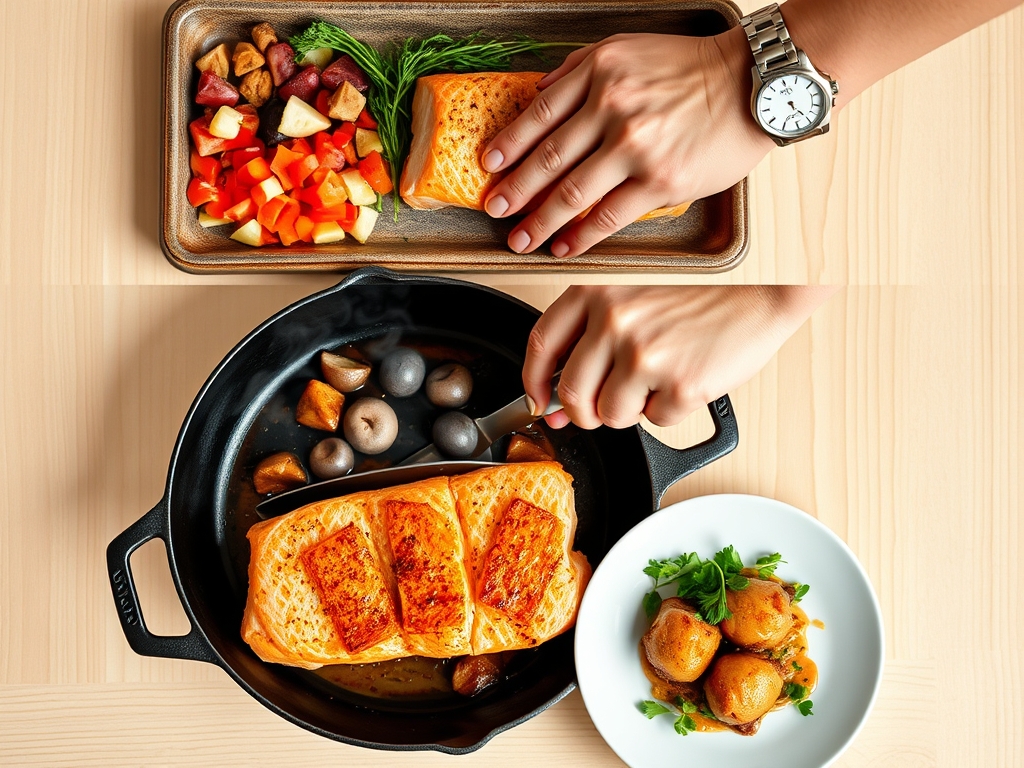
Place your salmon skin-side down in a preheated skillet with a thin layer of oil. Use your tongs to press the fillet down for the first thirty seconds. This prevents the skin from curling as the collagen proteins shrink.
Pro Tip: This step utilizes conduction to render the subcutaneous fat. By melting this fat layer, you create a natural non-stick barrier and a crisp texture that acts as an insulator for the delicate flesh above.
2. The Maillard Development
Flip the salmon once a golden crust has formed. If the fish resists the flip, the Maillard reaction is not yet complete. The sugars and amino acids need that specific temperature (around 285 to 330 degrees Fahrenheit) to create the complex flavor compounds we crave.
Pro Tip: Use a digital scale to ensure your salmon patties are exactly the same weight. Uniform mass ensures that every piece reaches the target internal temperature at the exact same moment, preventing a mix of overcooked and undercooked portions.
3. Deglazing for Depth
Once the fish is removed, the pan will be covered in "fond"—those brown bits of concentrated flavor. Use a splash of white wine or chicken stock to deglaze the pan. Scrape the bottom with a wooden spoon to incorporate those toasted proteins into a pan sauce.
Pro Tip: This is a lesson in solubility. The alcohol in the wine dissolves flavor compounds that water alone cannot reach, creating a more complex, multi-dimensional sauce for your southern salmon recipes.
4. The Butter Baste (Arrosage)
Lower the heat and add a knob of cold butter and a sprig of thyme. Use a large spoon to continuously pour the foaming butter over the salmon. This technique, known as arrosage, adds a nutty richness and ensures the top of the fish stays moist.
Pro Tip: The milk solids in the butter undergo a secondary browning process. This adds a toasted, "brown butter" aroma that perfectly complements the earthy notes of Southern cornmeal.
5. Aerating the Remoulade
While the fish rests, whisk your sauce vigorously. You want to aerate the mixture, folding in tiny bubbles of air to lighten the texture of the mayonnaise-based sauce. Use a microplane to zest fresh lemon directly into the bowl for a burst of essential oils.
Pro Tip: Acid (lemon juice or vinegar) acts as a chemical "brightener." It breaks through the heavy lipids of the salmon and butter, balancing the palate and preventing "palate fatigue."
6. The Final Rest and Carryover
Transfer the salmon to a warm plate. Do not tent it tightly with foil, as the trapped steam will soften your hard-earned crust. Let it sit for five minutes before serving.
Pro Tip: Thermal carryover will increase the internal temperature by about 5 degrees after the fish leaves the heat. Pulling the salmon at 125 degrees Fahrenheit ensures a perfect, medium-rare finish of 130 degrees by the time it hits the table.
The Deep Dive: Nutrition and Technical Fixes
Macro Nutrition:
Salmon is a powerhouse of Omega-3 fatty acids and high-quality protein. A standard Southern-style serving (approx. 6oz) contains roughly 350-400 calories, 25g of fat, and 38g of protein. By using a light hand with the breading, you keep the glycemic load low.
Dietary Swaps:
- Keto: Replace cornmeal with crushed pork rinds or almond flour.
- Vegan: While these are salmon recipes, the "Southern Style" can be applied to heart of palm or chickpeas using the same spice blends.
- Gluten-Free: Use certified GF oats or cornstarch as your dredging agent.
The Fix-It: Troubleshooting Common Pitfalls
- The Patty Falls Apart: Your binder ratio is off. Add an extra tablespoon of flour or an egg yolk to increase the "glue" factor.
- The Crust is Burnt but Inside is Raw: Your skillet was too hot. Use a digital thermometer to check the oil; it should be between 350 and 375 degrees Fahrenheit.
- The Salmon is Dry: You missed the carryover window. Next time, use a saucier to prepare a quick lemon-butter emulsion to rehydrate the flakes.
Meal Prep and Reheating:
To maintain "day-one" quality, do not use a microwave. The microwave agitates water molecules, causing the fish to become rubbery. Instead, reheat in a toaster oven at 300 degrees Fahrenheit with a teaspoon of water nearby to create a gentle steam environment.
The Wrap-Up
Mastering southern salmon recipes is about more than just following a list of ingredients; it is about understanding the chemistry of the crunch and the soul of the seasoning. When you combine the precision of a professional kitchen with the warmth of a Southern home, you create magic. So, grab your skillet, trust your senses, and get ready to serve up a masterpiece that would make any grandmother proud.
The Kitchen Table: FAQs
How do I stop my salmon patties from being soggy?
Ensure your vegetables are finely diced and sautéed first to remove excess moisture. Chill the formed patties in the refrigerator for 30 minutes before frying; this helps the starches set and ensures a crisp, structural exterior.
Can I use canned salmon for these recipes?
Yes, canned salmon is a Southern staple. Ensure you drain it thoroughly and remove any large bones or skin fragments. The higher moisture content may require an extra tablespoon of cornmeal to maintain the proper frying consistency.
What is the best oil for frying Southern salmon?
Use an oil with a high smoke point like peanut or avocado oil. These fats can handle the 375-degree heat required for a crisp crust without breaking down or releasing bitter, acrid flavors into your delicate fish.
How do I know when the salmon is perfectly cooked?
The most reliable method is using an instant-read thermometer. Aim for an internal temperature of 125 degrees Fahrenheit for a moist, flaky texture. Alternatively, the flesh should just begin to flake when pressed gently with a fork.