
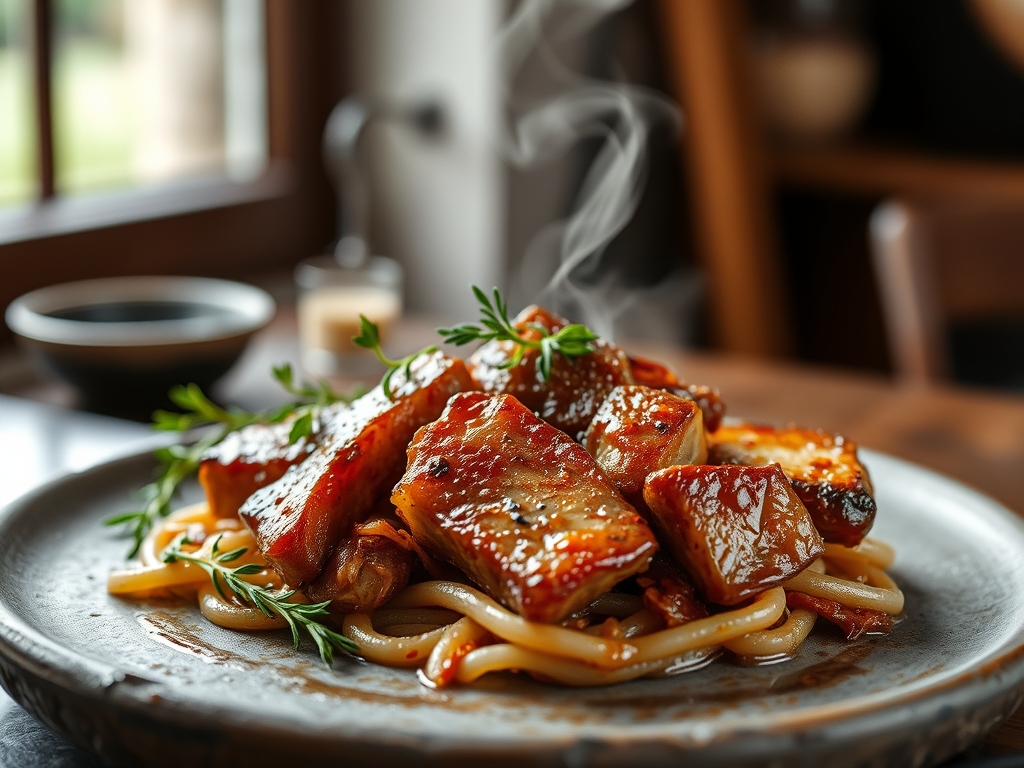
Picture the scent of rendered fat meeting a searing hot surface; it is that heavy, intoxicating perfume that fills a kitchen when proteins begin to transform. When we talk about pork beef recipes, we are not just talking about dinner; we are discussing the ultimate culinary marriage of texture and depth. Beef provides the structural iron and robust bass notes, while pork offers the delicate sweetness and necessary fat to keep everything succulent.
The secret to why these blends work so well lies in the differing melting points of their lipids. Beef tallow provides a firm, satisfying mouthfeel, but pork lard melts at a lower temperature, effectively lubricating the muscle fibers of the beef. This prevents that dreaded dry, crumbly texture often found in lean beef patties. Whether you are crafting a traditional Bolognese or a batch of Swedish meatballs, this 50/50 or 70/30 ratio is the professional standard for a reason. It creates a complex flavor profile that a single protein simply cannot achieve. By the time the Maillard reaction kicks in, you have a crust that is savory, salty, and slightly sweet. Let us dive into the chemistry of how to master these hearty blends at home.
The Gathers:
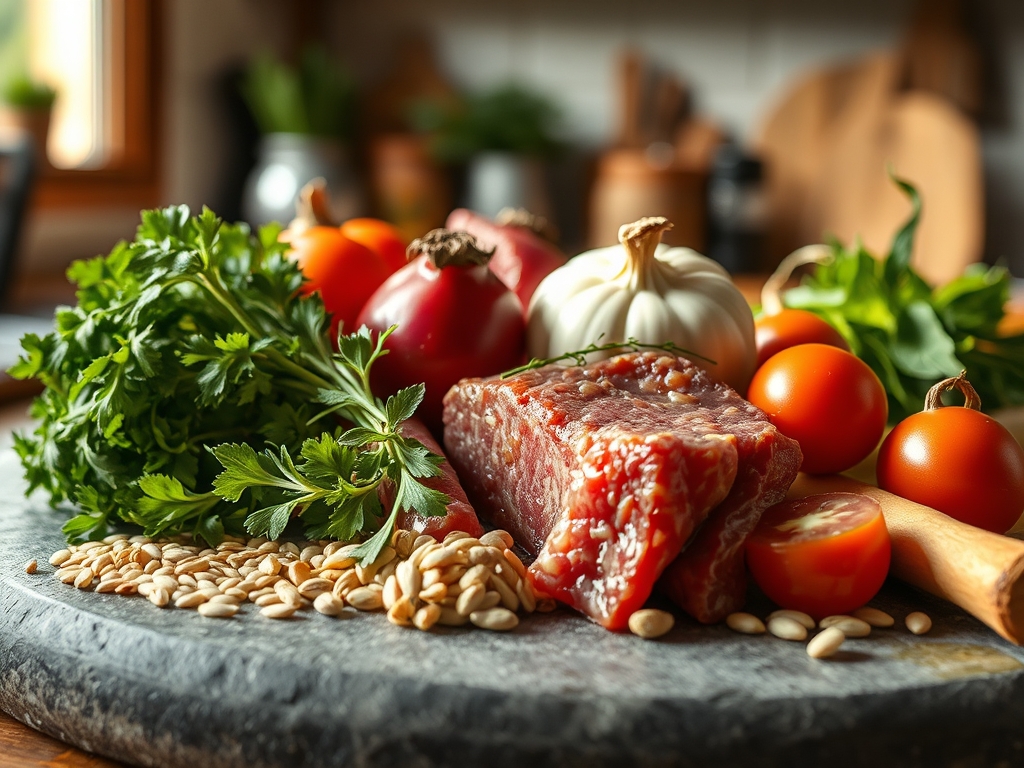
To begin your journey into pork beef recipes, your mise-en-place must be precise. Start with high-quality ground chuck, which usually sits at an 80/20 lean-to-fat ratio. Pair this with ground pork shoulder or "picnic" cut for maximum flavor. You will need a heavy-bottomed skillet or a cast iron pan to ensure even heat distribution. Grab your digital scale to measure your ratios; guessing leads to inconsistent results.
Beyond the meat, gather your aromatics. Finely minced shallots and garlic are essential for building a piquant base. You will also need a high-smoke point oil like avocado or grapeseed oil to prevent acrid flavors during the initial sear. For binding, use panko breadcrumbs soaked in whole milk; this creates a panade that keeps the proteins tender by physically interfering with the cross-linking of meat proteins.
Smart Substitutions:
If you want to lighten the profile without losing the "porkiness," try using ground turkey mixed with a small amount of finely diced pancetta. The pancetta provides the necessary nitrates and fats to mimic the pork beef recipes experience. For a deeper umami hit, swap regular salt for a splash of fish sauce or Worcestershire sauce. These liquids contain glutamates that amplify the savory notes of the beef. If you are out of panko, crushed saltine crackers offer a surprisingly professional texture due to their high starch stability.
The Clock
The "Chef's Flow" is all about managing thermal momentum. For most pork beef recipes, you are looking at a 20-minute prep window followed by a 30 to 45-minute cook time. The first ten minutes are dedicated to the "chill phase." Always keep your meat in the refrigerator until the exact moment it hits the pan. Warm fat becomes viscous and smears, which ruins the aeration of your meatballs or meatloaf.
The searing phase takes roughly 8 to 10 minutes. This is where you develop the crust. The simmering or roasting phase follows, which is passive time. Use this window to clean your bench scraper and prep your sides. Total time from fridge to table is usually under an hour, but the flavor profile suggests you spent all day hovering over a saucier.
The Masterclass
1. The Cold Blend Technique
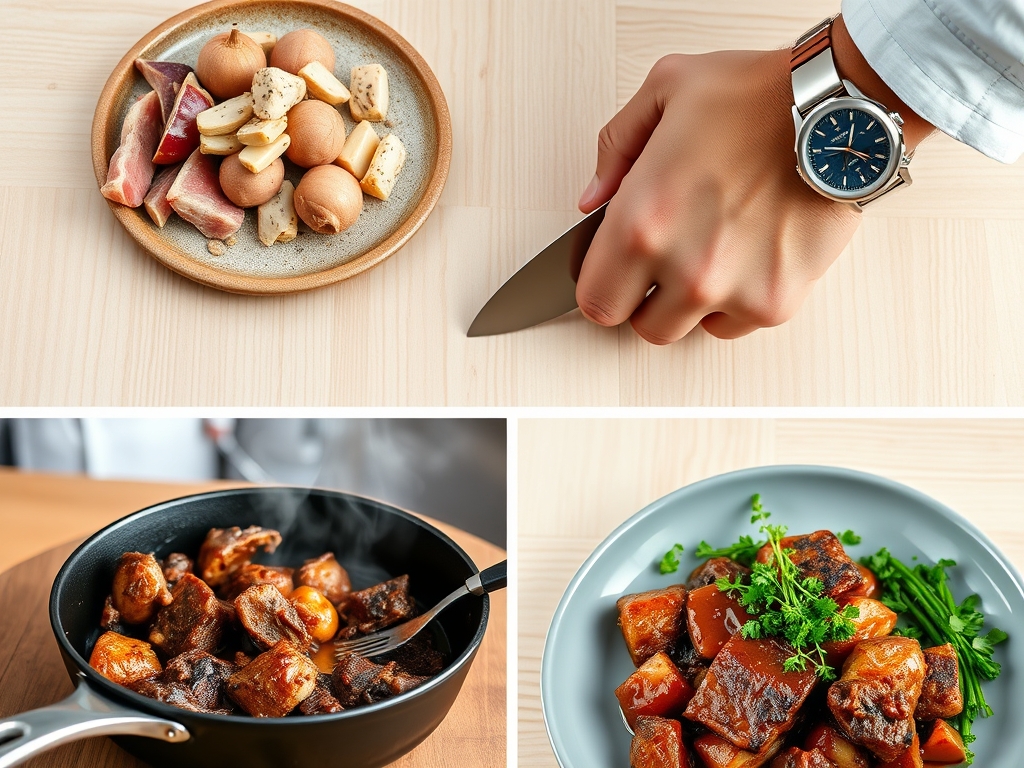
Combine your chilled beef and pork in a stainless steel bowl. Use your hands or a sturdy spatula to fold them together until just incorporated. Do not overwork the meat. Over-mixing causes the proteins to emulsify into a rubbery, sausage-like texture rather than a tender crumble.
Pro Tip: This is called preventing protein extraction. When you over-mix, you release myosin, a protein that acts like glue. Keeping the meat cold and the mixing brief ensures a light, airy bite.
2. The Panade Integration
Slowly fold in your milk-soaked breadcrumbs. This mixture acts as a moisture reservoir. As the meat cooks and the fibers contract, they squeeze out juices. The starches in the panade trap those juices, keeping the interior of your dish moist.
Pro Tip: Use a microplane to zest a bit of lemon or grate garlic directly into the panade. The fat in the meat will infuse with these aromatics much more effectively when they are suspended in a starch matrix.
3. Achieving the Maillard Crust
Heat your heavy-bottomed skillet until the oil shimmers. Place your meat in the pan and leave it alone. Resisting the urge to move the meat allows for enzymatic browning, also known as the Maillard reaction. This is where hundreds of different flavor compounds are created.
Pro Tip: Avoid overcrowding the pan. If you put too much meat in at once, the temperature drops and the meat begins to steam in its own juices rather than sear. Work in batches to maintain high thermal energy.
4. Deglazing the Fond
Once the meat is browned and removed, you will see brown bits stuck to the bottom of the pan. This is called "fond." Pour in a splash of dry wine or stock and use a wooden spoon to scrape those bits up. This liquid becomes the base of a highly concentrated, savory sauce.
Pro Tip: Deglazing is a form of solvent extraction. The alcohol in wine dissolves flavor compounds that water cannot reach, resulting in a more complex finished sauce.
5. The Low and Slow Finish
Return the meat to the pan or transfer it to the oven. Lower the heat to allow the internal temperature to rise slowly. This prevents the outer layers from overcooking while the center reaches the safe zone of 160 degrees Fahrenheit.
Pro Tip: Use a digital probe thermometer to check for doneness. Carryover cooking will raise the temperature by another 5 degrees after you remove it from the heat, so pull it slightly early.
The Deep Dive
Macro Nutrition:
A standard 4-ounce serving of a pork-beef blend provides approximately 25 grams of protein and 18 grams of fat. It is a powerhouse of B12, zinc, and selenium. While higher in calories than pure poultry, the satiety levels are significantly higher, meaning you will feel full longer.
Dietary Swaps:
For a Keto version, replace the breadcrumbs with crushed pork rinds or almond flour. For a Gluten-Free option, use certified GF oats or cooked quinoa as your binder. To make a "Vegan-ish" blend for guests, use a mix of mushrooms and walnuts, though the cooking chemistry will shift from fat rendering to moisture evaporation.
The Fix-It:
- The Meat is Falling Apart: You likely skipped the panade or didn't use enough binder. Fix it by adding an egg yolk to the mixture to act as a secondary emulsifier.
- The Meat is Greasy: This happens if the pan wasn't hot enough. Fix it by resting the cooked meat on a wire rack over a paper towel to allow excess lipids to drain away.
- The Flavor is Flat: You probably forgot to deglaze. Fix it by stirring in a teaspoon of balsamic vinegar or tomato paste at the end to add acidity and depth.
Meal Prep:
Pork beef recipes actually improve on day two. As the dish cools, the fats and aromatics continue to infuse. When reheating, use a splash of water and cover the dish to create steam. This prevents the proteins from becoming "leathery" in the microwave.
The Wrap-Up
Mastering the balance of pork and beef is a milestone for any home cook. It is about understanding how different fats interact and how to use heat to your advantage. Once you have the science down, you can pivot from meatballs to meatloaf to taco fillings with total confidence. So, grab your tongs, fire up that skillet, and let the Maillard magic happen. Your kitchen is about to smell incredible.
The Kitchen Table
Why mix pork and beef together?
Mixing the two creates a superior texture and flavor. Beef provides a hearty, iron-rich base, while pork adds essential fat and sweetness. This combination ensures the meat remains moist and tender throughout the cooking process.
What is the best ratio for pork beef recipes?
A 70/30 or 50/50 ratio is generally best. The 70/30 ratio (beef to pork) offers a more traditional "meaty" flavor, while a 50/50 split results in a softer, more succulent texture ideal for meatballs and sauces.
How do I stop my meat blend from being dry?
Always use a panade, which is breadcrumbs soaked in milk. This starch-and-liquid mixture traps moisture inside the meat fibers. Additionally, avoid overworking the meat, as this squeezes out the natural juices before they can set.
Can I freeze pork beef recipes?
Yes, these blends freeze beautifully. For best results, freeze the meat raw in airtight bags or cooked in a sauce. Thaw in the refrigerator overnight to maintain the structural integrity of the proteins and prevent a grainy texture.