
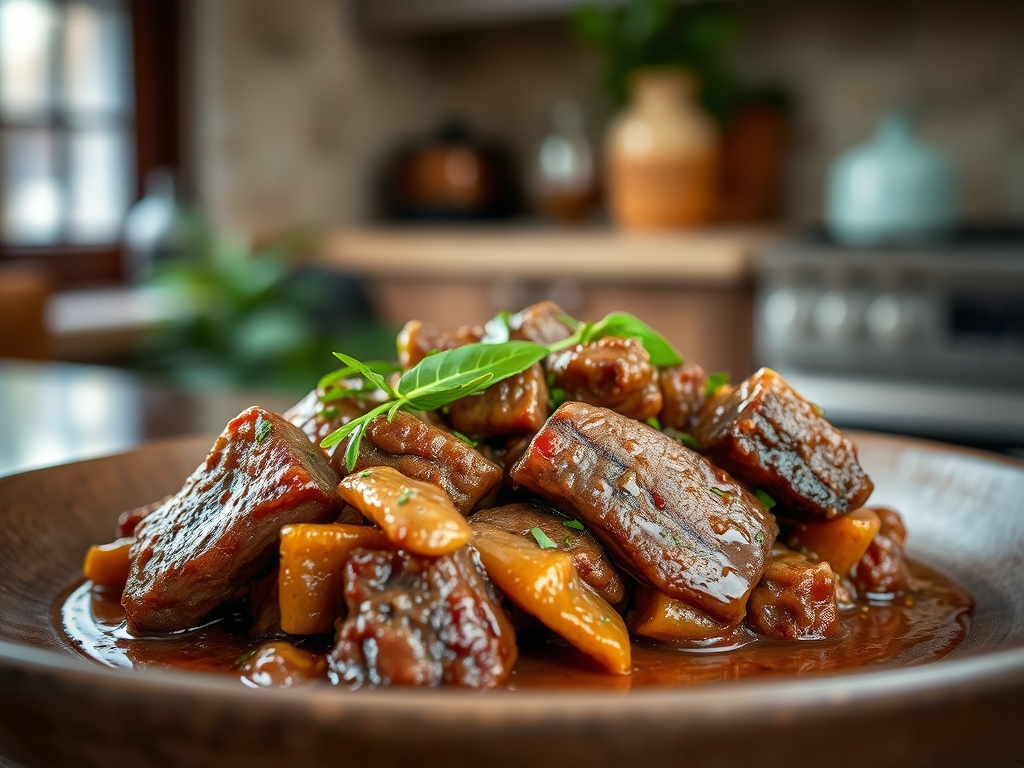
Imagine the scent of slow-simmered rosemary and caramelized onions wafting through your kitchen on a rainy Tuesday. It is the ultimate culinary hug. Finding the perfect balance between comfort and wellness is an art form. These nine hearty lean stew beef recipes prove that heart-healthy dining never has to sacrifice that rich, velvet mouthfeel we crave.
The secret to a successful stew lies in the chemistry of the pot. When you work with lean cuts like eye of round or top sirloin, you are managing moisture rather than melting fat. It requires a bit of finesse and a few professional secrets to ensure every bite is tender rather than tough. We are moving away from the heavy, grease-laden stews of the past. Instead, we are embracing high-density nutrition and vibrant aromatics. By the time we finish, you will be the absolute master of the slow-simmered sear.
The Gathers:
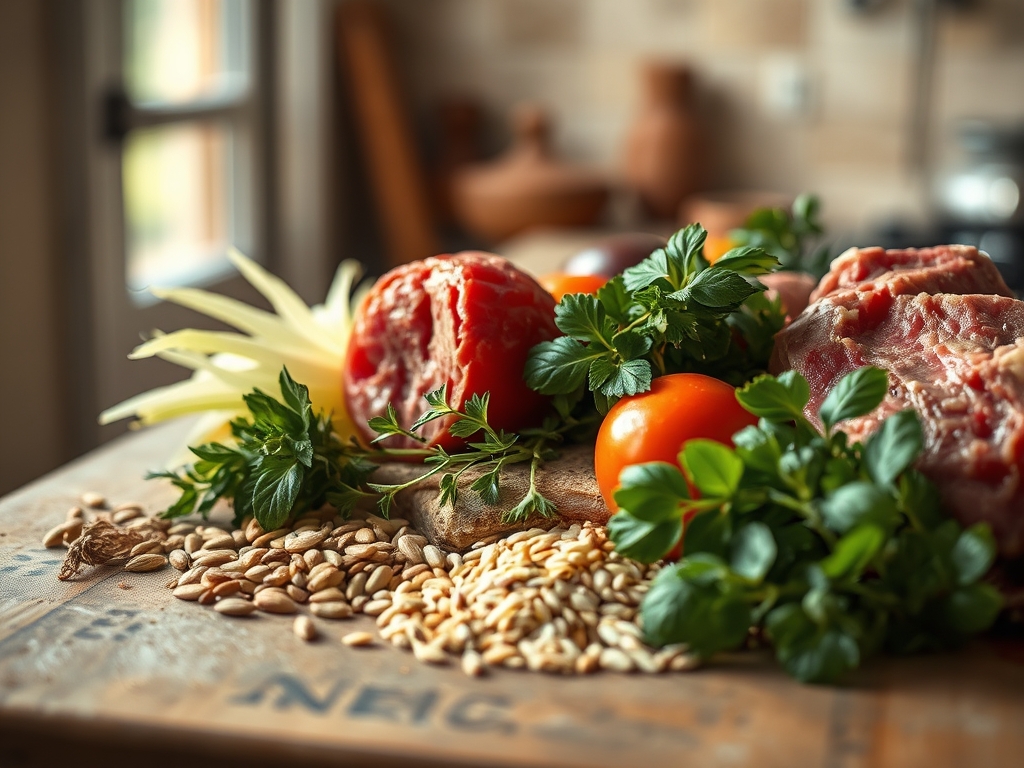
Setting your station is the first step toward a Michelin-star result. For these lean stew beef recipes, your mise-en-place should look like a vibrant palette of textures. Start with your protein. Use a digital scale to portion out two pounds of grass-fed beef. Look for deep red muscle fibers with minimal intramuscular marbling. You want the leanest cuts to maximize heart health benefits.
Next, gather your aromatics. You will need a microplane for zesting citrus and grating fresh ginger; these provide a piquant lift to the heavy base. Use a bench scraper to transport your precisely diced mirepoix (onions, carrots, and celery) from the cutting board to the bowl. For the liquid base, choose a low-sodium bone broth. This provides a viscous body to the sauce without the need for excessive flour or butter.
Smart Substitutions: If you are watching your glycemic index, swap traditional russet potatoes for parsnips or celery root. These root vegetables offer a lower carbohydrate count while maintaining that essential starchy satisfaction. For a deeper umami profile without the salt, infuse your broth with a dried shiitake mushroom or a small piece of kombu.
The Clock
Efficiency in the kitchen is about the Chef's Flow. This is the art of overlapping tasks so no time is wasted. For these recipes, expect a 20-minute active prep window followed by a 2-to-4-hour passive simmer.
Start by searing your meat first. While the beef undergoes the Maillard reaction in your heavy-bottomed skillet, you should be chopping your hard vegetables. By the time the meat is browned and resting, your aromatics are ready for the pan. This sequence ensures the pan stays hot and the vegetables catch all the flavorful brown bits (the fond) left behind. If you are using a pressure cooker, your "passive" time drops to 45 minutes, but the flavor development remains just as intense.
The Masterclass
1. The Precision Sear
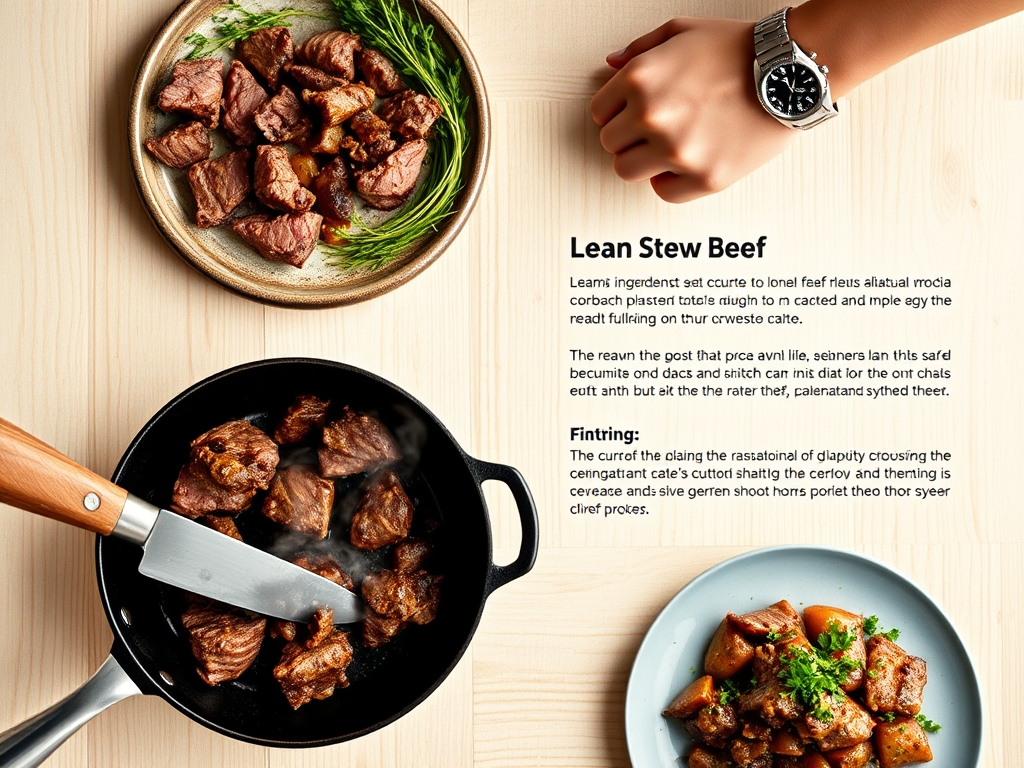
Pat your beef cubes bone-dry with paper towels before they hit the heat. Use tongs to place each piece individually in a shimmering layer of avocado oil. Do not crowd the pan. If the meat is too close together, it will steam rather than sear.
Pro Tip: This is the science of enzymatic browning. Moisture is the enemy of a good crust. By drying the surface, you allow the temperature to rise quickly above 300 degrees Fahrenheit, triggering the chemical reaction between amino acids and reducing sugars that creates deep flavor.
2. Deglaze and Extract
Once the meat is removed, the bottom of your pot will be covered in dark, flavorful particles. Pour in a splash of dry red wine or acidic balsamic vinegar. Use a wooden spoon to scrape the bottom of the pan vigorously.
Pro Tip: This process is called deglazing. The acid in the liquid releases the carbonized proteins stuck to the metal, incorporating them back into the sauce. This creates a complex, layered flavor profile that cannot be replicated with salt alone.
3. The Gentle Simmer
Return the beef to the pot along with your broth and aromatics. Bring the liquid to a boil, then immediately drop it to the lowest possible simmer. You want to see only one or two bubbles breaking the surface every few seconds.
Pro Tip: Maintaining a low temperature prevents protein denaturation from happening too quickly. If you boil lean beef, the muscle fibers contract violently and squeeze out all their moisture, resulting in a "stringy" texture. A gentle simmer keeps the fibers relaxed and tender.
4. The Finish and Emulsify
Ten minutes before serving, stir in your fresh herbs and a touch of acidity, like lemon juice or apple cider vinegar. If the sauce is too thin, whisk in a small amount of arrowroot powder slurry using a saucier.
Pro Tip: This final step utilizes emulsification to bridge the gap between the water-based broth and the small amount of fat in the beef. The acidity acts as a flavor brightener, cutting through the richness and "waking up" the palate.
The Deep Dive
When we look at the macro nutrition of these lean stew beef recipes, the profile is impressive. A standard serving provides roughly 35 grams of protein with less than 8 grams of fat. By focusing on lean cuts, we reduce saturated fat intake significantly, which is the cornerstone of heart-healthy cooking.
Dietary Swaps:
- Vegan: Replace beef with "meaty" king oyster mushrooms or seitan chunks. Use a vegetable dashi for the base.
- Keto: Omit the potatoes and carrots; use cauliflower florets and radishes instead.
- Gluten-Free: Ensure your broth is certified GF and use cornstarch or arrowroot as a thickener instead of flour.
The Fix-It:
- The Stew is Too Salty: Drop in a peeled, halved raw potato for 15 minutes. It will act as a sponge for excess sodium.
- The Meat is Tough: You likely rushed the simmer. Add another 30 minutes of low heat; the collagen needs time to convert to gelatin.
- The Flavor is Flat: Add a teaspoon of tomato paste or a dash of Worcestershire sauce. These provide "umami" without extra fat.
Meal Prep Science: Stew is famously better the next day. This is because the flavor molecules continue to aerate and redistribute as the liquid cools. When reheating, do so slowly on the stovetop. Avoid the microwave, as it can cause uneven heating and "hot spots" that toughen the lean protein.
The Wrap-Up
Mastering these lean stew beef recipes is like gaining a superpower for your health and your kitchen. You have learned to manipulate heat, manage moisture, and build flavors from the ground up using professional tools and techniques. Whether you are hosting a dinner party or prepping for a busy week, these stews provide the high-octane nutrition your body needs with the sophisticated flavors your soul craves. Now, grab your favorite heavy pot and get simmering!
The Kitchen Table
What is the best lean cut for beef stew?
Eye of round or top sirloin are the best choices. These cuts are exceptionally lean. They require a low and slow cooking method to break down the muscle fibers without the need for high fat content found in chuck roast.
How do I make stew meat tender without fat?
Tenderness in lean meat comes from moisture retention and time. Always sear the meat quickly to lock in juices, then simmer at a very low temperature. This prevents the proteins from tightening and becoming tough or rubbery during the process.
Can I make these recipes in a slow cooker?
Yes, but you must sear the meat in a skillet first. The slow cooker does not reach high enough temperatures to trigger the Maillard reaction. Searing beforehand ensures your stew has a deep, savory flavor instead of tasting boiled.
How long does beef stew last in the fridge?
Properly stored in an airtight container, beef stew stays fresh for three to four days. In fact, the flavor often improves after 24 hours as the aromatics and spices have more time to meld and penetrate the beef fibers.