
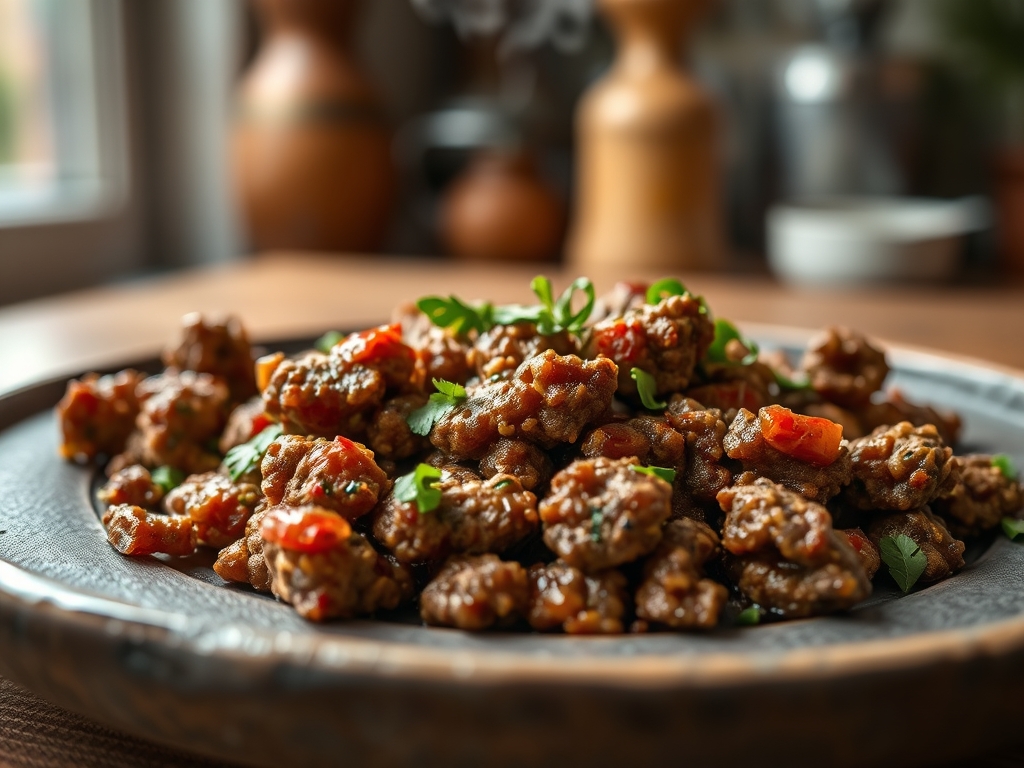
Imagine the scent of cayenne and smoked paprika hitting a searing hot cast iron surface. That sharp, piquant aroma is the signal that dinner is about to get interesting. When you master cajun ground beef recipes, you are not just browning meat; you are layering complex southern profiles into a versatile protein that anchors your weekly rotation with heat and soul.
The beauty of working with ground beef in a Cajun context is the surface area. Every tiny grain of meat acts as a vessel for the "Holy Trinity" of onions, celery, and bell peppers. We are moving beyond basic tacos and into a world where the Maillard reaction meets the swampy, deep flavors of the bayou. Whether you are stuffing peppers or simmering a quick dirty rice, these cajun ground beef recipes rely on the science of fat rendering and spice blooming to create a meal that feels like a celebration. Grab your heavy-bottomed skillet and let us get to work.
The Gathers:
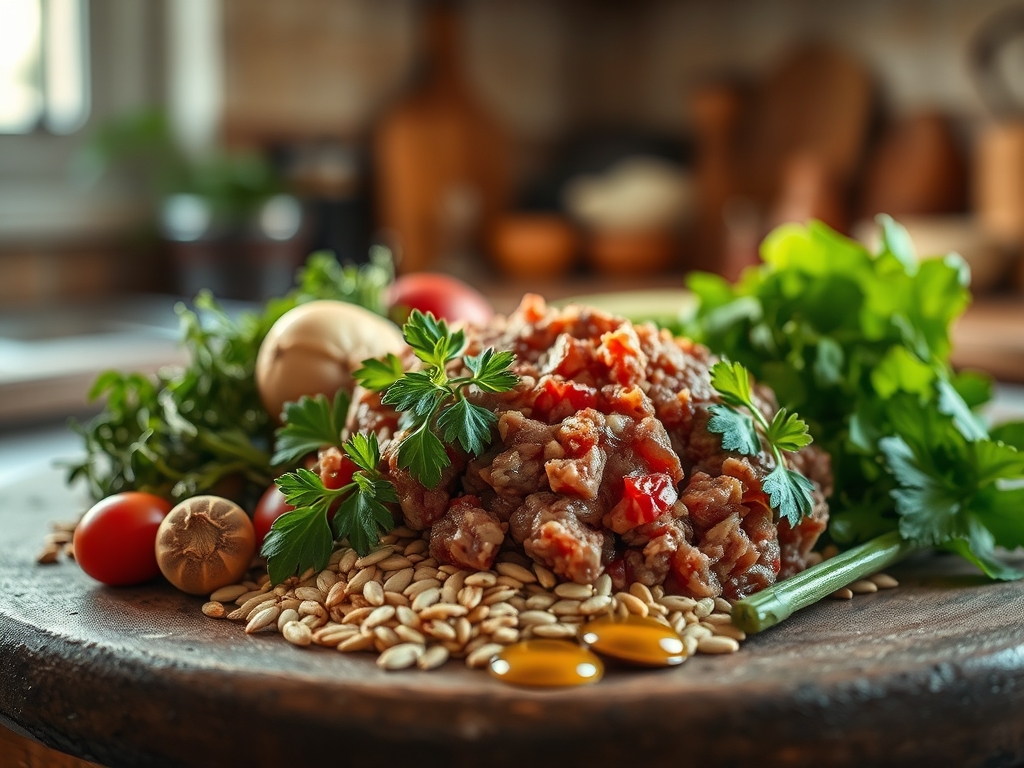
To execute these recipes with precision, your mise-en-place must be impeccable. Start with high-quality ground beef, ideally an 80/20 blend. The 20 percent fat content is non-negotiable for flavor; it provides the lipids necessary to infuse the dry spices without burning them. You will need the "Holy Trinity" in a 2:1:1 ratio: two parts onion, one part celery, and one part green bell pepper. Use a sharp chef knife to achieve a fine brunoise, ensuring the vegetables soften at the same rate the meat browns.
Your spice cabinet is the engine room. You need smoked paprika for color, cayenne for the heat, and dried oregano and thyme for that earthy, floral undertone. Do not forget the garlic. Use a microplane to grate your garlic into a paste; this increases the surface area and allows the garlic oils to distribute evenly throughout the fat. For acidity, keep a bottle of Worcestershire sauce and a splash of hot sauce nearby to brighten the heavy proteins.
Smart Substitutions: If you are watching your saturated fat intake, ground turkey or bison works beautifully. However, because these meats are leaner, you must add a tablespoon of avocado oil to the pan to prevent the spices from scorching. For a plant-based twist, pulsed walnuts and mushrooms provide a similar umami profile and texture when treated with the same aggressive seasoning.
The Clock:
Efficiency in the kitchen is about "Chef's Flow." For most cajun ground beef recipes, you are looking at a 15-minute prep window and a 20-minute cook time. The secret to speed is the heavy-bottomed skillet. A thick pan retains thermal mass, meaning the temperature won't drop when you add the cold meat.
Total time: 35 minutes. Spend the first 10 minutes dicing your aromatics. While the meat renders, use a bench scraper to clear your board and prep any garnishes like scallions or parsley. This overlap ensures that by the time the beef is perfectly caramelized, your kitchen is clean and your sides are ready.
The Masterclass:
1. The High-Heat Sear
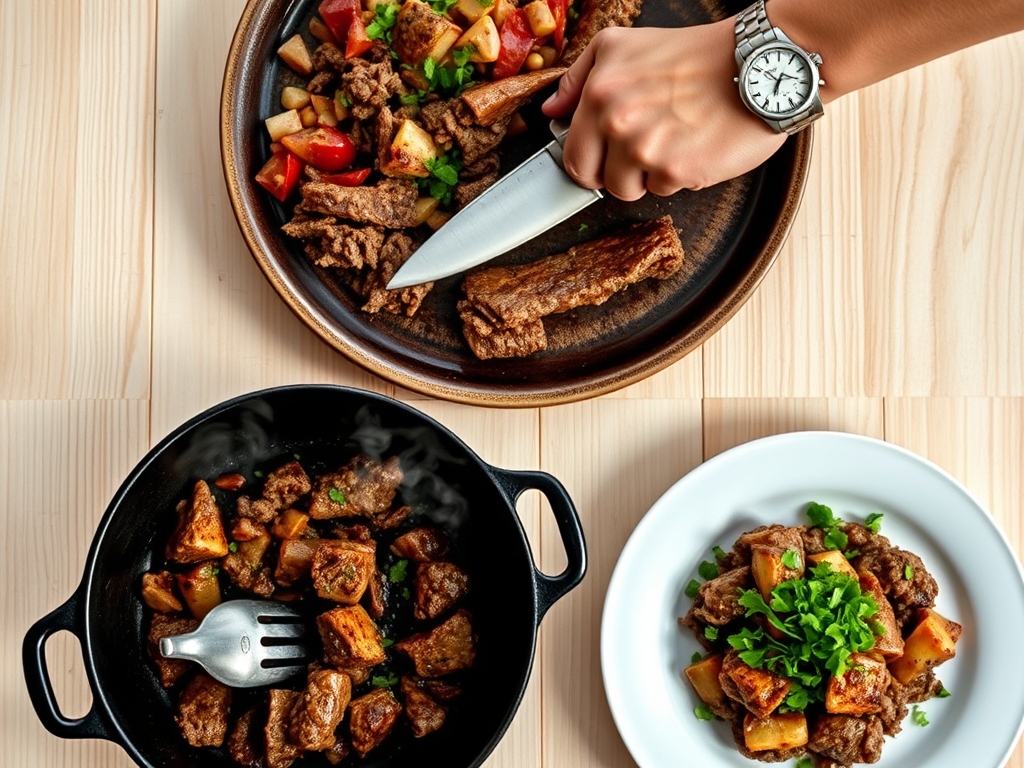
Place your skillet over medium-high heat until it wisps with smoke. Add the beef in a single layer. Do not stir it immediately. Let the meat sit for three minutes to develop a deep brown crust.
Pro Tip: This is the Maillard reaction. By resisting the urge to stir, you allow amino acids and reducing sugars to rearrange, creating hundreds of new flavor compounds that "gray" meat simply lacks.
2. Rendering and Removal
Once the bottom is browned, use a wooden spoon or a meat masher to break the beef into small crumbles. Cook until no pink remains, then use a slotted spoon to remove the beef, leaving the rendered fat in the pan.
Pro Tip: Fat is a flavor conductor. By keeping the rendered tallow in the pan to sauté your vegetables, you are layering the beef's savory essence into the cell walls of the onions and peppers.
3. Sweating the Trinity
Add your onions, celery, and peppers to the hot fat. Season with a pinch of salt to draw out moisture. Sauté until the onions are translucent and the peppers have softened.
Pro Tip: Salt triggers osmosis, pulling water out of the vegetable cells. This allows the vegetables to soften and brown rather than just steaming in their own juices.
4. Blooming the Spices
Push the vegetables to the perimeter and add your Cajun spice blend to the center of the pan. Stir for 60 seconds until the aroma fills the room.
Pro Tip: This is called blooming. Many flavor compounds in spices are fat-soluble. Heating them in oil releases essential oils and fat-soluble volatiles that would otherwise remain trapped in the dried herbs.
5. The Deglaze
Add a splash of beef stock or a bit of beer to the pan. Use your spoon to scrape up the brown bits stuck to the bottom.
Pro Tip: Those brown bits are called fond. Deglazing dissolves this concentrated flavor back into a viscous sauce that coats every grain of beef.
6. The Final Marriage
Return the beef to the pan. Toss everything together and let it simmer for five minutes to allow the flavors to meld. Finish with a squeeze of fresh lemon juice or a dash of vinegar.
Pro Tip: Acidity acts as a chemical "brightener." It cuts through the heavy fats and balances the heat of the cayenne, making the overall flavor profile more dynamic.
The Deep Dive:
When analyzing the nutrition of cajun ground beef recipes, you are looking at a high-protein, moderate-fat profile. A standard serving provides roughly 25g of protein and 15g of fat. To make this Keto-friendly, serve the mixture over cauliflower rice. For a Gluten-Free version, simply ensure your Worcestershire sauce and spice blends are certified GF, as some pre-packaged mixes use flour as an anti-caking agent.
The Fix-It:
- Too Greasy: If your sauce looks broken, use a paper towel held by tongs to dab away excess fat from the corner of the pan.
- Too Salty: Add a peeled potato to the simmer for five minutes; it will absorb excess sodium, or balance it with a teaspoon of honey.
- Too Spicy: Stir in a tablespoon of heavy cream or butter. The dairy fats encapsulate the capsaicin molecules, neutralizing the burn on your palate.
Meal Prep Science: To maintain "day-one" quality, store the beef in an airtight container with a splash of extra stock. When reheating, use a microwave-safe cover to create a steam chamber. This prevents the proteins from becoming "rubbery" due to moisture loss during the secondary heating process.
The Wrap-Up:
Mastering these cajun ground beef recipes is like having a superpower in your culinary back pocket. You have learned how to manage heat, leverage the Maillard reaction, and balance complex spices with scientific precision. Whether you are feeding a hungry family or prepping for a busy week, this bold, flavorful base is your ticket to a soulful kitchen. Now, grab that skillet and let the sparks fly.
The Kitchen Table:
What is the best fat ratio for Cajun beef?
An 80/20 blend is ideal. The 20 percent fat provides the necessary lipids to bloom spices and create a moist mouthfeel. Leaner blends often result in dry crumbles that fail to carry the bold Cajun aromatics effectively.
Can I freeze Cajun ground beef?
Yes. Allow the beef to cool completely to prevent ice crystal formation. Store in a vacuum-sealed bag for up to three months. Thaw in the refrigerator overnight to maintain the structural integrity of the protein fibers.
How do I make my own Cajun seasoning?
Whisk together equal parts smoked paprika, garlic powder, and onion powder. Add half parts black pepper, cayenne, dried oregano, and thyme. Control the sodium by adding salt separately to the pan during the cooking process for better precision.
Why is my ground beef gray instead of brown?
Gray meat occurs when the pan is overcrowded or not hot enough. This causes the meat to steam in its own moisture. Cook in batches and ensure the skillet is preheated until it reaches a high thermal mass.
What are the "Holy Trinity" vegetables?
The Holy Trinity is the Cajun version of mirepoix. It consists of onions, celery, and green bell peppers. These aromatics provide the foundational flavor profile for almost every classic dish in Louisiana Creole and Cajun cuisine.