
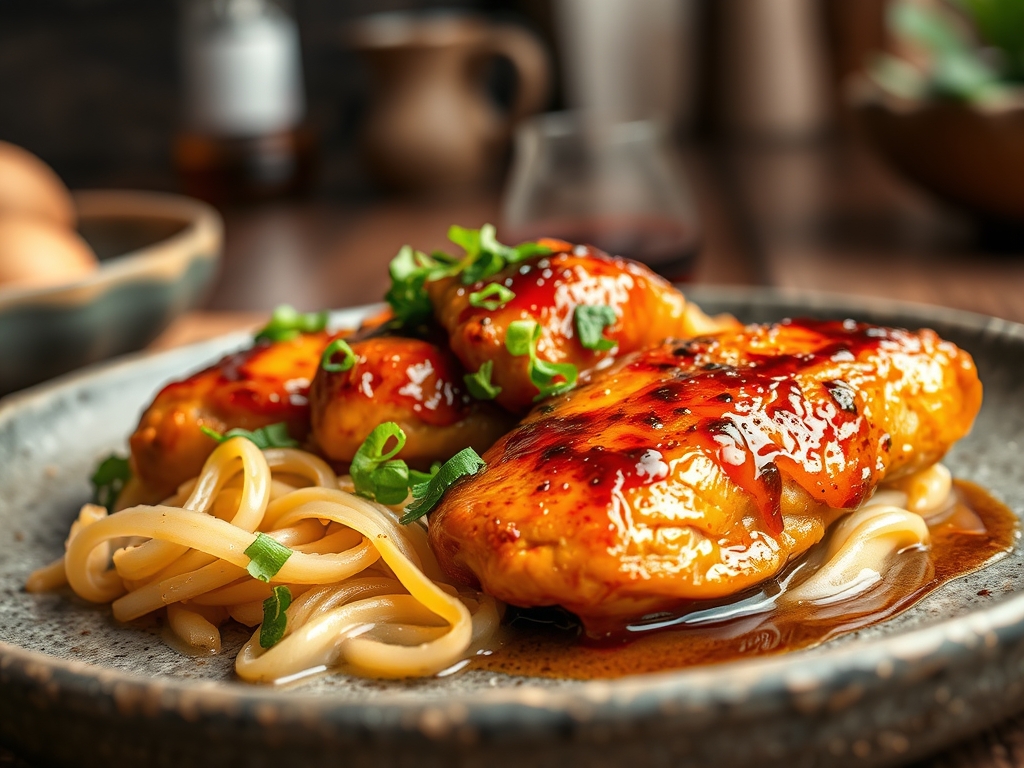
Imagine the sound of cold, velvet-smooth sauce hitting a blistering cast iron surface. The immediate hiss is followed by a cloud of aromatic steam that smells of toasted sesame and sharp ginger. When you are hunting for the ultimate chicken recipes teriyaki marinade, you are not just looking for a flavor; you are looking for that perfect, glass-like lacquer that clings to the meat without sliding off into a watery puddle. It is the holy grail of weeknight cooking. It is the balance of salt, sugar, and acid that transforms a humble protein into something that looks like it belongs under a heat lamp in a high-end Tokyo bistro.
But here is the secret: most home versions fail because they treat the marinade like a bath rather than a chemical transformation. We are going to change that. We are moving past the bottled stuff and diving into the molecular magic of umami. We want a sauce so viscous it coats the back of a spoon and a sear so deep it triggers a primal hunger. Grab your favorite heavy-bottomed skillet and a sharp knife; we are about to turn your kitchen into a masterclass in Japanese-inspired fusion.
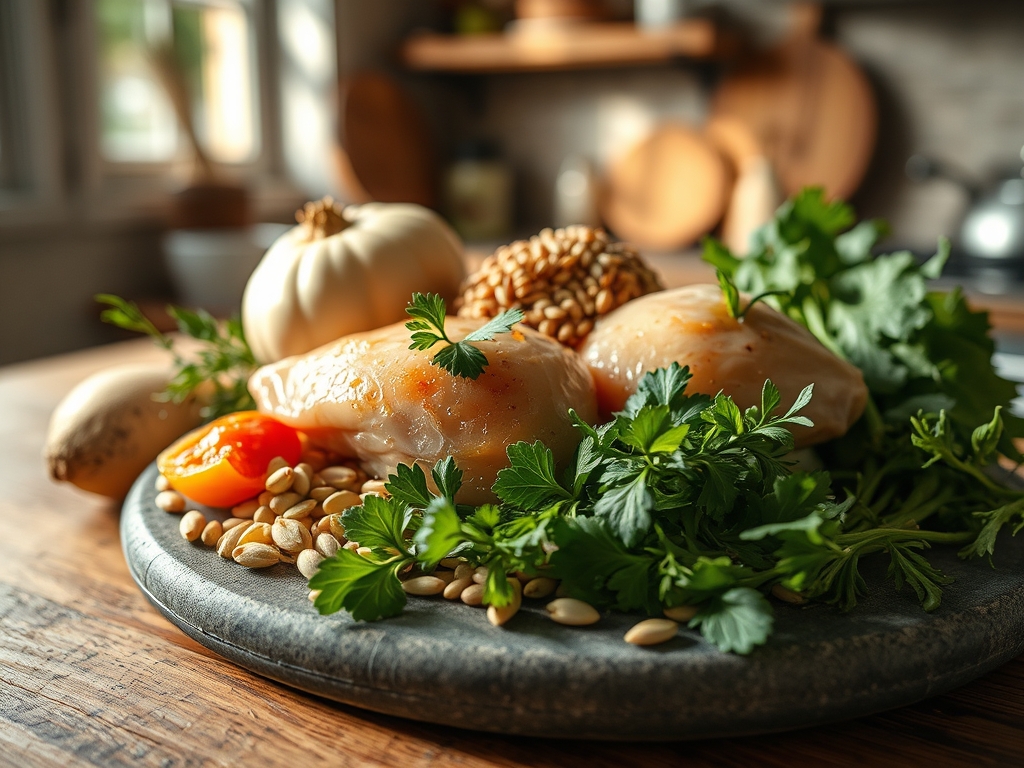
The Gathers:
Setting up your station, or mise-en-place, is the difference between a relaxed cook and a frantic one. For this recipe, your digital scale is your best friend. We are looking for precision to balance the piquant notes of ginger with the deep, fermented saltiness of soy. You will need high-quality shoyu (Japanese soy sauce), mirin for that signature luster, and a sweetener like brown sugar or honey to facilitate the Maillard reaction. Freshness is non-negotiable here. Use a microplane to grate your garlic and ginger into a fine paste; this increases the surface area, allowing the aromatics to infuse the liquid more deeply than rough chopping ever could.
If you are looking for smart substitutions, the world of fermentation is your oyster. If you lack mirin, a dry sherry mixed with a pinch of sugar mimics the acidity and sweetness beautifully. For those watching their soy intake, liquid aminos or coconut aminos provide a similar savory profile with a slightly sweeter finish. If you want to add a layer of complexity, a splash of pineapple juice introduces bromelain, a natural enzyme that breaks down tough muscle fibers, though you must be careful not to over-marinate and turn the meat into mush.
The Clock
The "Chef's Flow" is all about maximizing efficiency while respecting the biological limits of the meat. Total active prep time is roughly 15 minutes, but the passive time is where the magic happens. You want to marinate your chicken for at least 30 minutes, though four hours is the sweet spot for deep penetration. If you go beyond twelve hours, the acid and salt begin to cure the chicken, which can lead to a rubbery texture once heat is applied.
Cooking happens fast. In a hot skillet, chicken thighs take about 6 to 8 minutes per side to reach an internal temperature of 165 degrees Fahrenheit. Factor in a 5-minute rest period. This resting phase is crucial; it allows the muscle fibers to relax and reabsorb the juices, ensuring that the first cut does not result in a dry piece of meat. Total time from fridge to table is roughly one hour, making this one of the most efficient chicken recipes teriyaki marinade enthusiasts can keep in their back pocket.
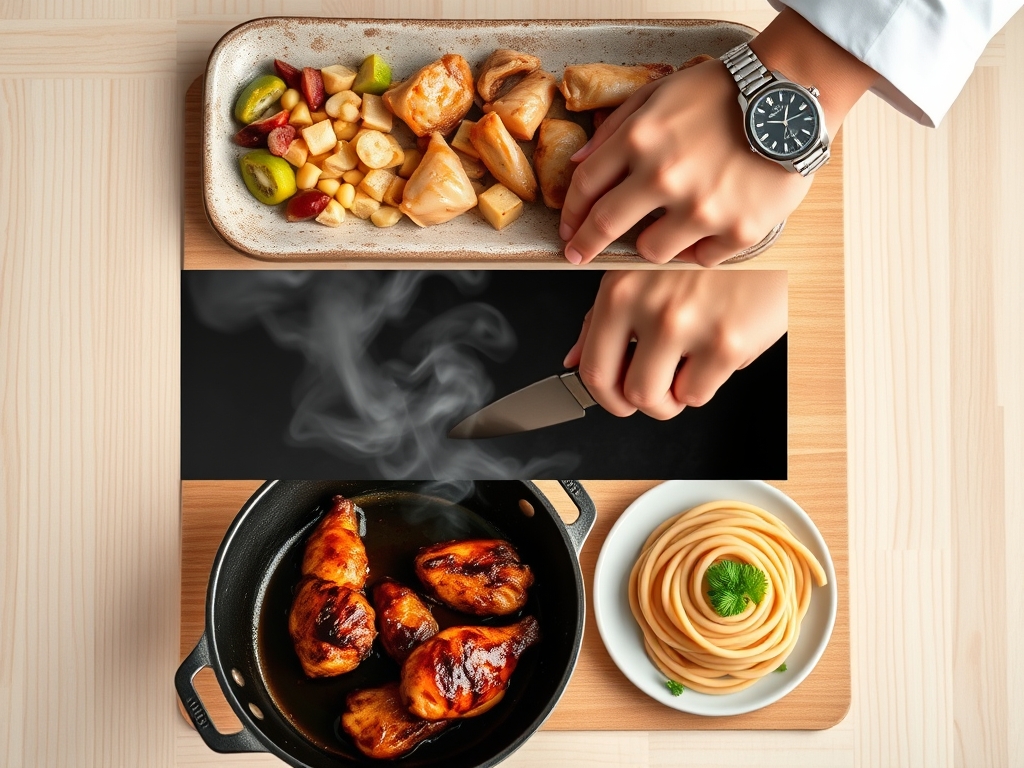
The Masterclass:
1. Emulsify the Aromatics
Start by whisking your soy sauce, mirin, sugar, and aromatics in a stainless steel bowl or a small saucier. Use a balloon whisk to aerate the mixture slightly, ensuring the sugar is fully dissolved and the oils from the ginger are suspended in the liquid.
Pro Tip: This is about solubility. Sugar dissolves faster in room temperature liquids, so avoid using chilled soy sauce straight from the fridge if you want a perfectly smooth base.
2. Prep the Protein
Pat your chicken thighs bone-dry with paper towels before slicing. Use a sharp chef knife to create uniform pieces. This ensures that every bite cooks at the exact same rate, preventing the "half-burnt, half-raw" disaster.
Pro Tip: Removing surface moisture is essential for the Maillard reaction. If the chicken is wet, it will steam rather than sear, robbing you of that golden-brown crust.
3. The Cold Soak
Place the chicken and marinade in a vacuum-sealed bag or a glass bowl. If using a bowl, press a layer of plastic wrap directly onto the surface of the liquid to eliminate air pockets.
Pro Tip: This is called "osmotic pressure." Salt travels from areas of high concentration (the marinade) to low concentration (the meat), seasoning the chicken all the way to the center.
4. The High-Heat Sear
Heat a heavy-bottomed skillet until a drop of water dances on the surface. Add a high-smoke-point oil like avocado or grapeseed. Use tongs to place the chicken in the pan, leaving space between each piece to avoid overcrowding.
Pro Tip: Avoid moving the meat for the first three minutes. This allows for enzymatic browning, creating a complex flavor profile that cannot be achieved through boiling or steaming.
5. Deglaze and Reduce
Once the chicken is cooked through, remove it from the pan. Pour the remaining marinade into the hot skillet. Use a wooden spoon or bench scraper to scrape up the browned bits (the fond) from the bottom of the pan.
Pro Tip: Reducing the sauce concentrates the sugars and proteins. As the water evaporates, the sauce becomes more viscous, eventually reaching the "nappe" stage where it perfectly coats your spoon.
6. The Glaze Finish
Return the chicken to the pan and toss it in the thickened sauce. The residual heat will cause the sauce to tighten further, creating a glossy, professional finish that looks like a mirror.
Pro Tip: Watch for "thermal carryover." The internal temperature of the chicken will continue to rise about 5 degrees after you remove it from the heat, so pull it just before it hits your target.
The Deep Dive
From a macro perspective, this dish is a powerhouse. A standard serving provides roughly 35 grams of protein and 15 grams of carbohydrates, depending on your sweetener choice. To make this keto-friendly, swap the sugar for monk fruit sweetener and use xanthan gum as a thickening agent. For a gluten-free version, simply swap the soy sauce for tamari.
If you run into trouble, don't panic. If your sauce is too salty, add a splash of rice vinegar or lime juice; the acid cuts through the sodium. If it is too thin, a small cornstarch slurry (one teaspoon cornstarch to one teaspoon cold water) will fix it instantly. If the sauce tastes burnt, you likely had the heat too high for the sugar content; next time, add the sauce at the very end of the cooking process. For meal prep, reheat the chicken in a pan with a tablespoon of water to create steam, which prevents the meat from drying out and restores the sauce to its original silky texture.
The Wrap-Up
Mastering chicken recipes teriyaki marinade is like learning a secret language. Once you understand how the salt, sugar, and heat interact, you can stop following recipes and start following your instincts. You have the tools, the science, and the technique to create a meal that is light-years ahead of the local takeout spot. So, get that skillet screaming hot, trust your microplane, and enjoy the most satisfying glaze you have ever tasted. Your kitchen is now officially a pro-tier bistro.
The Kitchen Table
Can I use chicken breast instead of thighs?
Yes, but breasts dry out faster. Reduce the cooking time by two minutes and ensure you do not skip the resting phase. Thighs are more forgiving due to their higher fat content and connective tissue.
How do I make the sauce thicker?
Simmer the marinade in a saucier until it reduces by half. For an instant fix, whisk in a cornstarch slurry. This creates a glossy, viscous texture that clings perfectly to the protein and vegetables.
Is it safe to reuse the marinade?
Only if you boil it first. Any liquid that has touched raw chicken must reach a rolling boil for at least two minutes to kill bacteria before it can be used as a finishing sauce.
How long does the sauce last in the fridge?
If you make a batch of the marinade without raw meat, it will stay fresh in an airtight jar for up to two weeks. This makes it an excellent staple for quick weekday stir-fry sessions.