
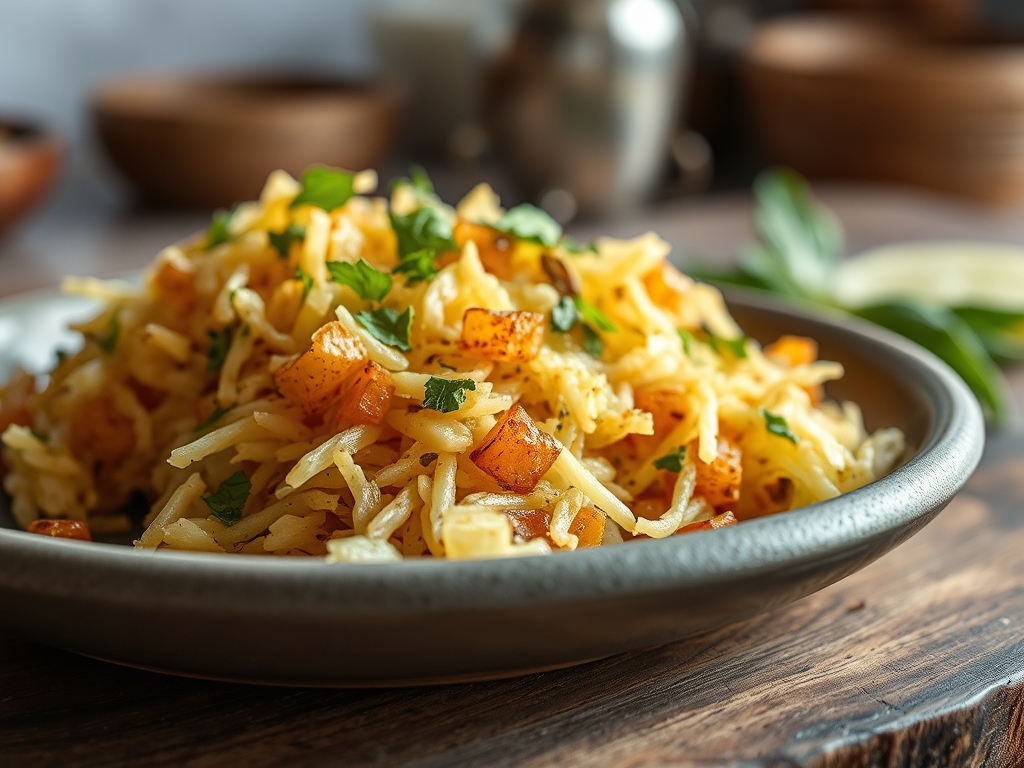
Close your eyes and listen for that distinct, metallic scrape of a box grater meeting a firm Russet. That sound is the precursor to the ultimate crunch. When you master grated potato recipes, you are not just cooking; you are engineering a structural masterpiece of starch and heat. We are chasing that golden, glass-like shatter that only comes from precision.
The secret to a world-class crust lies in the surface area. By shredding the tuber, you expose thousands of tiny starch molecules to the heat of your heavy-bottomed skillet. This maximizes the Maillard reaction, that magical chemical dance where amino acids and reducing sugars transform into savory, brown perfection. Whether you are craving a classic hash brown or a sophisticated potato galette, the foundation is the same: moisture control and heat management.
Forget those soggy, grey piles of diner disappointment. We are diving into the molecular mechanics of the spud to ensure every single strand of potato is encased in a shimmering, crisp shell. From the way we rinse the excess starch to the specific temperature of the fat in the pan, every detail matters. Grab your apron and your favorite sharp grater; we are about to turn the humble potato into a crispy, golden icon.
The Gathers:
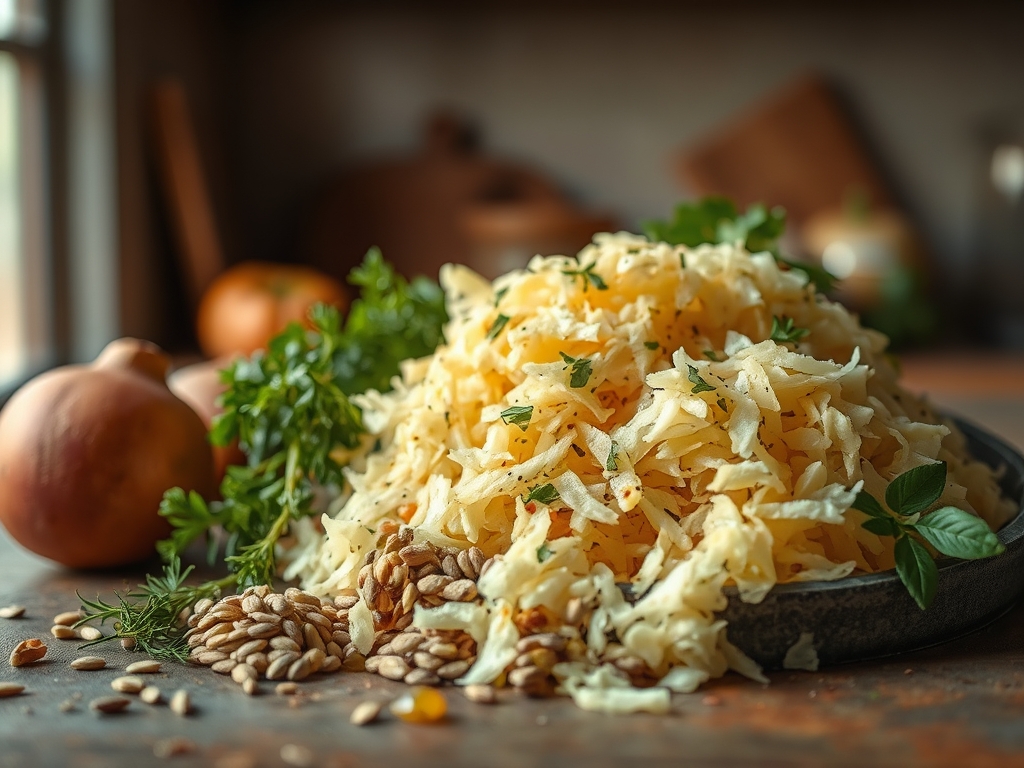
To execute these grated potato recipes with professional finesse, your mise-en-place must be immaculate. Start with high-starch potatoes like Russets or Idaho varieties. Their high amylose content is what creates that airy, crisp structure. Avoid waxy potatoes like Red Bliss for these specific hacks; their high moisture and low starch will result in a gummy, translucent interior rather than a fluffy one.
You will also need a high-smoke-point fat. Clarified butter (ghee) is the gold standard here because the milk solids have been removed, allowing you to sear at high temperatures without burning. If you want a more neutral profile, avocado oil or refined grapeseed oil works beautifully. For seasoning, use fine sea salt to ensure even distribution and a piquant kick of freshly cracked black pepper.
Smart Substitutions:
If you are looking to lower the glycemic index, swap half of your potato volume for grated parsnips or celery root. These root vegetables offer a similar fibrous structure but introduce an earthy, complex sweetness. For a vegan binder that rivals eggs, a small amount of potato starch dissolved in water creates a viscous slurry that holds the shreds together without masking the potato flavor. Always keep a bench scraper nearby to tidy your workstation and keep your portions uniform.
The Clock
Efficiency in the kitchen is about "Chef's Flow," the art of overlapping tasks to minimize downtime. For most of these grated potato recipes, you are looking at a 15-minute prep window and a 20-minute cook time. The most critical time-block is the "resting phase" after grating. You must allow at least five minutes for the salt to draw out internal moisture through osmosis before you squeeze the potatoes dry.
While the potatoes drain, use that time to preheat your heavy-bottomed skillet. A cold pan is the enemy of crispness. By the time your potatoes are prepped and dried, your oil should be shimmering at approximately 375 degrees Fahrenheit. This synchronized timing ensures the potato strands hit the heat the moment they are at their driest, preventing the dreaded enzymatic browning that turns shreds grey.
The Masterclass
1. The Precision Shred
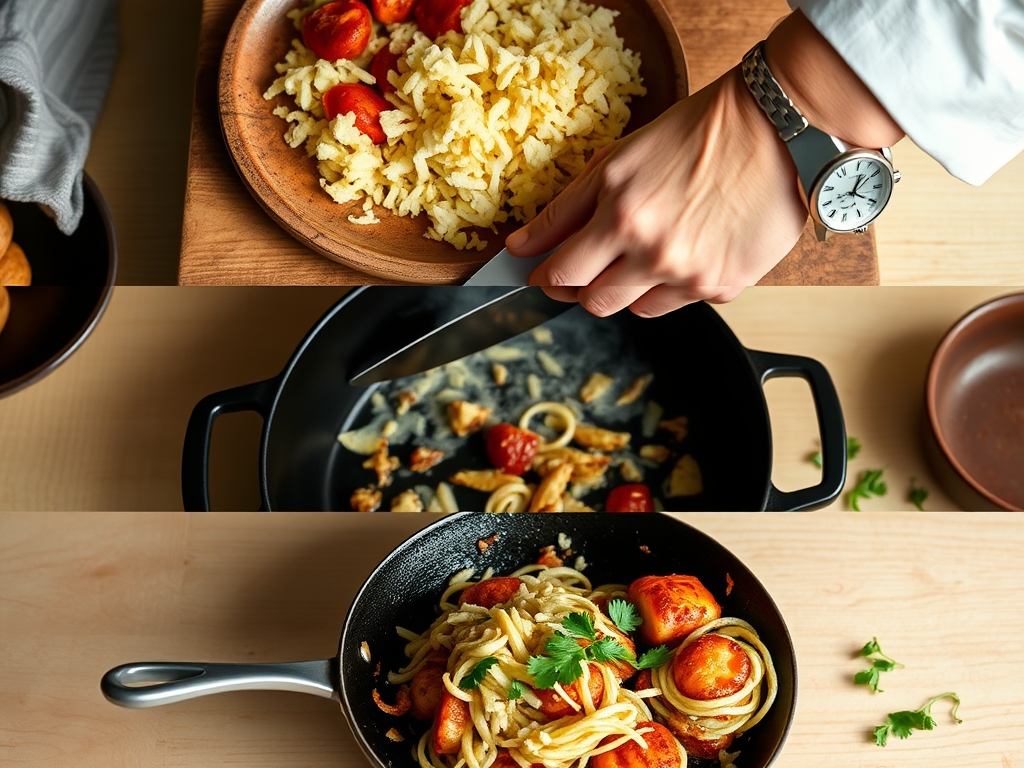
Using the large holes of a box grater or a food processor attachment, grate your peeled potatoes into long, uniform strands. Long strands create a better structural lattice, which helps the final product stay together without excessive binders.
Pro Tip: Work quickly to minimize exposure to oxygen. Enzymatic browning occurs when polyphenol oxidase in the potato reacts with air. If you are prepping a large batch, submerge the shreds in ice water immediately to stall this reaction.
2. The Great Extraction
Place your grated potatoes in a clean kitchen towel or cheesecloth. Twist the bundle with all your might to wring out every drop of liquid. The goal is to get the potatoes as bone-dry as possible.
Pro Tip: This step removes excess surface water that would otherwise turn to steam. If the potato steams, the temperature won't rise above 212 degrees Fahrenheit, preventing the Maillard reaction from occurring.
3. The Starch Reinforcement
Toss the dried shreds in a bowl with a dusting of extra potato starch or flour. This provides additional "glue" and creates a dry exterior that crisps up instantly upon contact with hot fat.
Pro Tip: The added starch absorbs any microscopic lingering moisture, creating a viscous barrier that prevents the oil from soaking into the center of the potato.
4. The Searing Phase
Heat your oil in a heavy-bottomed skillet until it shimmers. Carefully lay the potatoes in the pan, pressing down lightly with a offset spatula to ensure maximum contact with the heat source.
Pro Tip: Do not crowd the pan. Overcrowding drops the oil temperature and traps steam, leading to a limp texture. Maintain thermal mass by cooking in smaller batches.
5. The Flip and Render
Once the edges are deep mahogany, use a wide turner or tongs to flip the potato cake. Add a small knob of butter to the edges of the pan to allow it to melt and infuse the bottom layer.
Pro Tip: This is where you render the fat. The butter solids will brown slightly, adding a nutty aroma and a second layer of crispness to the underside.
6. The Aeration Rest
Transfer the cooked potatoes to a wire cooling rack rather than a paper towel. This allows air to circulate around the entire surface, preventing the bottom from becoming soggy.
Pro Tip: Placing hot, fried foods on a flat surface creates a "steam pocket" underneath. A wire rack utilizes convection to keep the crust shatter-crisp as it cools.
7. The Final Seasoning
While the potatoes are still glistening with hot oil, hit them with a final sprinkle of flaky salt and any fresh herbs like chives or thyme.
Pro Tip: Salt adheres better to hot oil than to a dry, cooled surface. This ensures the seasoning is infused into the crust rather than just sitting on top.
8. The Carryover Check
Allow the potatoes to sit for two minutes before slicing. This allows the internal temperature to stabilize and the structure to set.
Pro Tip: Thermal carryover means the center continues to cook for a moment after leaving the pan. This brief rest ensures the interior is fluffy and fully hydrated.
The Deep Dive
From a macro perspective, grated potato recipes are a powerhouse of complex carbohydrates and potassium. To keep them lighter, focus on the quality of your fats. Using tallow or duck fat provides an incredible depth of flavor while offering a higher stability at high temperatures compared to seed oils.
Dietary Swaps:
For a Keto-friendly version, replace the potato with grated daikon radish or cauliflower stems. Use an egg and parmesan cheese as a binder to mimic the structural integrity of the starch. For Gluten-Free needs, ensure your dusting starch is corn, potato, or arrowroot based.
The Fix-It:
- Soggy Center: Usually caused by under-squeezing. Fix: Press the cake thinner in the pan to allow heat to penetrate the core.
- Burning Edges: Heat is too high or the pan is too thin. Fix: Use a cast iron skillet for better heat distribution and lower the flame slightly.
- Falling Apart: Lack of starch or turning too early. Fix: Let the bottom form a solid crust before attempting the first flip.
Meal Prep:
To reheat and maintain "day-one" quality, avoid the microwave at all costs. Use an air fryer at 375 degrees Fahrenheit for 4 minutes or a toaster oven. This rapidly re-hydrates the surface fats and restores the crunch through dry-heat conduction.
The Wrap-Up
Mastering grated potato recipes is a culinary rite of passage. It is the perfect blend of chemistry and intuition. Once you understand how to manipulate starch and moisture, you can turn a simple root vegetable into the star of any meal. Whether you are serving these at a high-end brunch or as a midnight snack, that golden crunch is a universal language of comfort. Now, go forth and grate with confidence; your perfect potato is waiting.
The Kitchen Table
Why are my grated potatoes turning grey?
This is enzymatic browning caused by oxygen exposure. To prevent this, grate your potatoes directly into cold water or cook them immediately after shredding and drying.
Can I use frozen shredded potatoes for these recipes?
Yes, but thaw them completely and squeeze them dry in a kitchen towel first. Frozen potatoes often have extra moisture that will ruin the crisping process.
What is the best oil for frying grated potatoes?
Ghee or clarified butter is best for flavor and high heat. For a neutral option, use avocado or grapeseed oil, as they have high smoke points.
How do I get my hash browns to stay together?
Squeeze out all moisture and add a teaspoon of potato starch. Don't flip the potatoes until a solid, golden crust has formed on the bottom.