
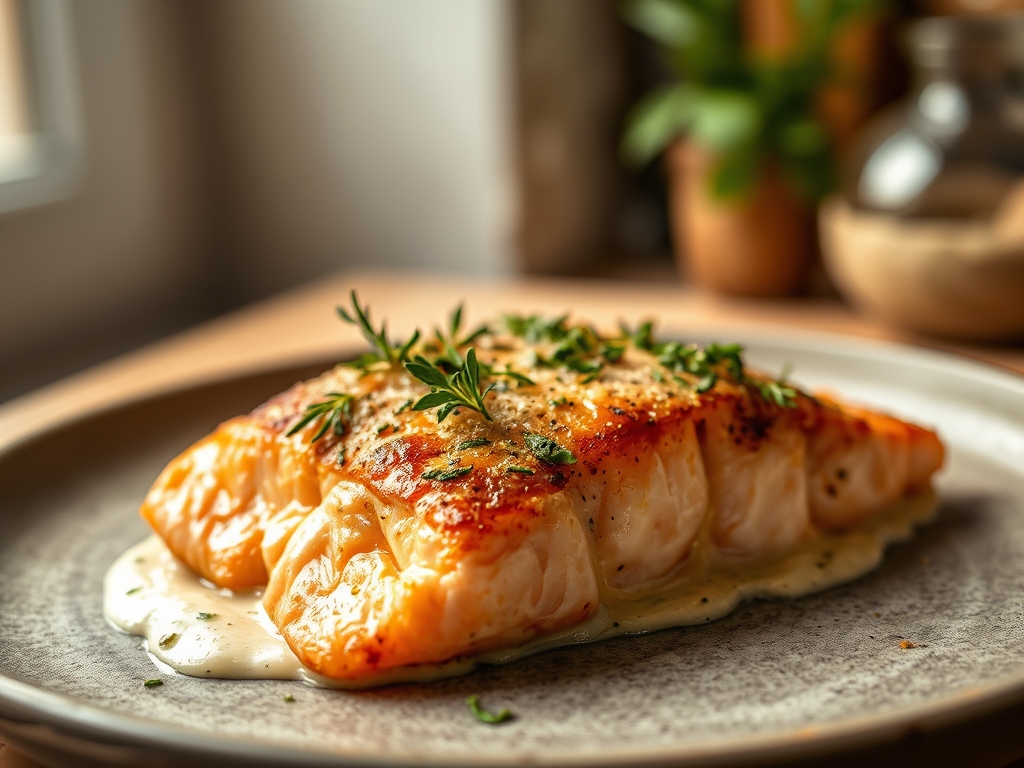
Picture a kitchen filled with the scent of toasted garlic and sea salt. You pull a heavy sheet pan from the oven to find a fillet so tender it practically sighs under the weight of a fork. If you are tired of dry, chalky fish, you have come to the right place. Mastering creamy baked salmon recipes is not just about following a list of ingredients; it is about understanding the molecular dance between heat, fat, and protein. We are talking about a sauce so luxurious it coats the back of a spoon like velvet, paired with salmon that melts on your tongue.
The secret to that perfect texture lies in the delicate balance of moisture retention and fat emulsification. Most home cooks over-process their fish, leading to the dreaded white albumin weeping out of the flesh. By the time we are finished today, you will be the absolute master of the oven. We are going to dive deep into the chemistry of dairy reduction and the thermal physics of carryover cooking. Grab your apron and your favorite glass of crisp white wine. We are about to turn your kitchen into a high-end bistro with these eight essential secrets for the ultimate creamy baked salmon recipes.
The Gathers:
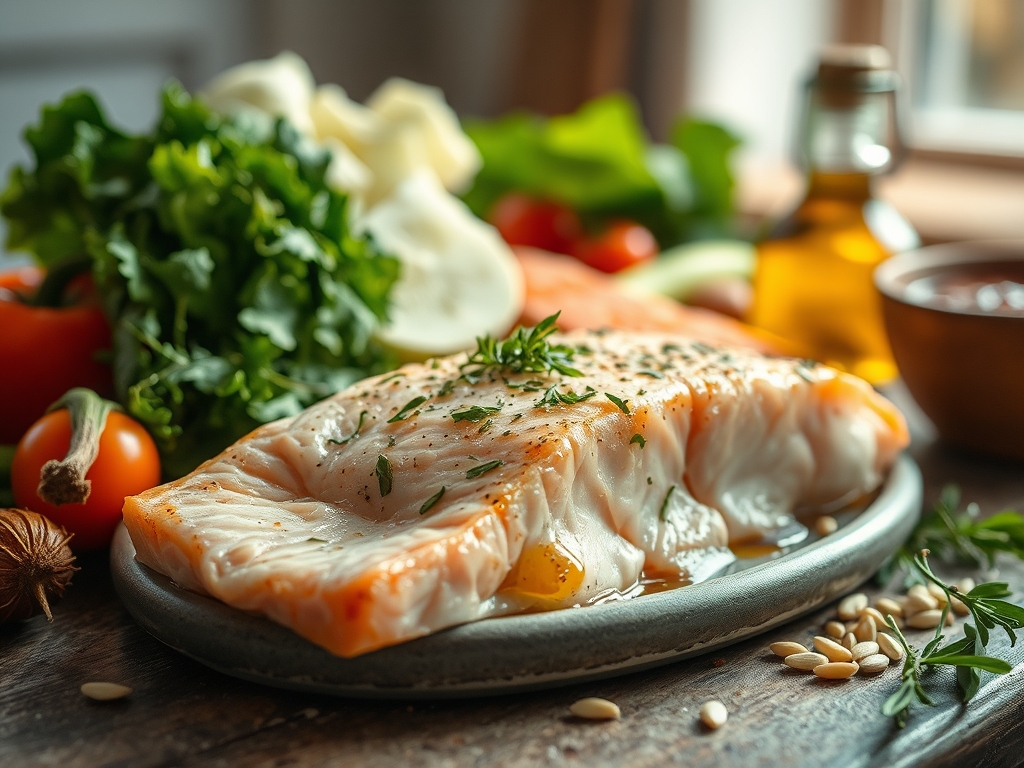
To achieve a restaurant-quality finish, your mise-en-place must be precise. Start with a high-quality center-cut fillet; look for deep marbling which indicates a higher content of Omega-3 fatty acids. You will need high-fat heavy cream (at least 36 percent milkfat) to ensure the sauce does not break under the high heat of the oven. Fresh aromatics are non-negotiable. Use a microplane to zest a lemon and grate fresh garlic into a paste. This increases the surface area, allowing the essential oils to infuse the cream more effectively.
You will also need a saucier or a small heavy-bottomed saucepan to pre-reduce your base. Collect fresh dill, capers for a piquant punch, and high-quality sea salt. For the fat component, unsalted European-style butter is preferred because of its lower water content.
Smart Substitutions:
If you are avoiding dairy, full-fat coconut cream is your best friend. It has the necessary viscous quality to mimic heavy cream. For a lower-calorie swap, Greek yogurt can work, but you must whisk it in at the very end of the cooking process to prevent curdling. If you lack fresh herbs, use one-third the amount of dried herbs, as their oils are more concentrated.
The Clock
Efficiency in the kitchen is all about "Chef's Flow." This means performing tasks in an order that eliminates downtime. Your total prep time should take no more than 15 minutes, with a bake time ranging from 12 to 18 minutes depending on the thickness of the fillet.
The flow begins with preheating your oven to 375 degrees Fahrenheit. While the oven reaches temperature, you perform your knife work. Once the fish is seasoned and the sauce is simmering on the stove, the "active" work is done. This leaves you exactly enough time to toss a crisp green salad or aerate a bottle of Chardonnay before the timer dings. Remember, the fish continues to cook once it leaves the oven, so timing the "pull" is the most critical part of the process.
The Masterclass
1. Temper the Protein
Remove your salmon from the refrigerator at least 20 minutes before cooking. Bringing the fish to room temperature ensures even heat distribution throughout the fillet.
Pro Tip: This prevents a "thermal shock" where the outside overcooks while the center remains raw. It allows the muscle fibers to remain relaxed, resulting in a more tender mouthfeel.
2. The Sear and Render
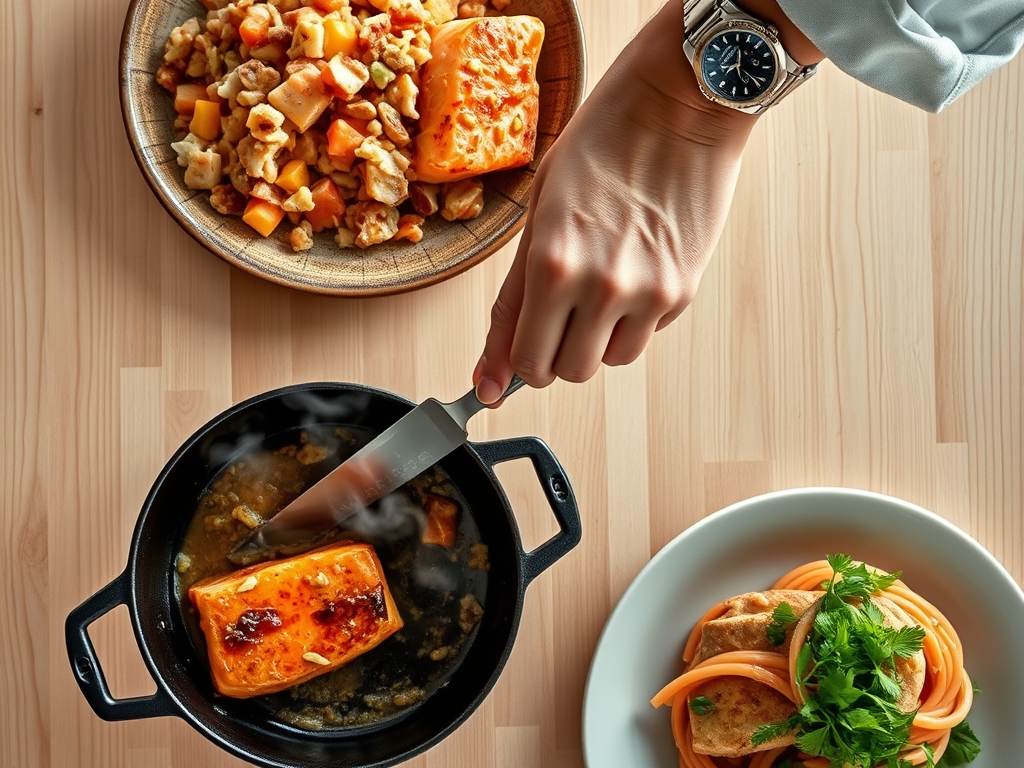
Place the salmon skin-side down in a hot heavy-bottomed skillet for two minutes before putting it in the oven. Use tongs to press down gently, ensuring full contact with the pan.
Pro Tip: This initiates the Maillard reaction, creating a savory crust. It also helps render the subcutaneous fat, which acts as a natural insulator for the delicate flesh above.
3. Emulsify the Cream Base
In your saucier, combine cream, garlic, and lemon juice. Whisk constantly over medium heat until the mixture reduces by one-third.
Pro Tip: Reduction increases the concentration of milk solids. This creates a stable emulsion that will not separate or "split" when exposed to the acidic lemon juice or the heat of the oven.
4. The Aromatics Infusion
Stir in your fresh herbs and spices only after the cream has thickened. Use a silicone spatula to scrape the bottom of the pan to ensure nothing scorches.
Pro Tip: Volatile aromatic compounds in fresh herbs are heat-sensitive. Adding them late in the process preserves their bright, "green" flavor profile and prevents them from turning bitter.
5. The Gentle Bath
Pour the warm cream mixture over the salmon fillets in a shallow baking dish. The sauce should reach halfway up the sides of the fish.
Pro Tip: This technique is a hybrid of baking and poaching. The liquid creates a humid environment that prevents the protein from drying out, even if your oven temperature fluctuates.
6. Monitor the Internal Temp
Use a digital scale or, more importantly, a digital meat thermometer to check the thickest part of the fillet. Pull the fish when it hits 130 degrees Fahrenheit.
Pro Tip: This accounts for thermal carryover. The internal temperature will rise another 5 to 10 degrees while resting, bringing it to a perfect, buttery medium-rare.
7. The Acidic Brightness
After removing the pan from the oven, squeeze a fresh wedge of lemon over the top and add a sprinkle of flaky sea salt.
Pro Tip: Acid cuts through the richness of the fat. This creates a "palate-cleansing" effect that makes every bite feel as light and vibrant as the first.
8. The Resting Period
Transfer the fillets to a warm plate using a bench scraper or wide spatula. Let the fish rest for five minutes before serving.
Pro Tip: Resting allows the juices to redistribute within the muscle fibers. If you cut into it too soon, the moisture will leak out, leaving the salmon dry and the sauce watery.
The Deep Dive
When we look at the macro nutrition, creamy baked salmon recipes are a powerhouse of healthy fats and high-quality protein. A standard 6-ounce serving provides roughly 35 grams of protein and 25 grams of fat. While the calorie count is higher due to the cream, the satiety level is unparalleled.
Dietary Swaps:
For a Keto-friendly version, ensure your cream is full-fat and avoid any thickeners like flour or cornstarch. For a Gluten-Free version, this recipe is naturally safe, provided your chicken stock or flavor bases are certified GF. Vegan friends can swap the salmon for thick "steaks" of roasted cauliflower and use a cashew-based cream sauce.
The Fix-It:
- Curdled Sauce: If your sauce looks grainy, it likely boiled too hard. Fix it by whisking in a tablespoon of cold heavy cream off the heat to stabilize the emulsion.
- Albumin (White Goo): If white spots appear on the fish, you cooked it too fast or at too high a temperature. Next time, lower the oven and ensure the fish is tempered.
- Soggy Skin: If you want the cream but miss the crunch, sear the skin separately in a pan and place it back on top of the sauced fish just before serving.
Meal Prep:
To reheat, avoid the microwave at all costs; it turns salmon into rubber. Instead, place the fish in a covered pan with a splash of water or extra cream over low heat on the stove. This gentle steam bath restores the "day-one" silkiness.
The Wrap-Up
There you have it; the ultimate guide to the most decadent meal in your repertoire. By focusing on the science of heat and the chemistry of your ingredients, you have elevated a simple piece of fish into a culinary masterpiece. These creamy baked salmon recipes are designed to impress, but they are simple enough for a Tuesday night. Remember to trust your thermometer and never skip the resting phase. Now, go forth and conquer the kitchen!
The Kitchen Table
Can I use frozen salmon for this recipe?
Yes, but you must thaw it completely in the refrigerator and pat it extremely dry with paper towels. Excess moisture from frozen fish will dilute your creamy sauce and prevent a proper sear.
How do I know when the salmon is done without a thermometer?
Gently press the top of the fillet with a fork. If the flesh flakes easily along the natural white lines (the fat deposits) and looks opaque but still moist, it is ready to rest.
What is the best way to store leftovers?
Store leftovers in an airtight glass container for up to two days. Keep the sauce and fish together to maintain moisture; the fat in the cream helps preserve the texture of the protein.
Why did my cream sauce turn thin in the oven?
The salmon releases natural juices as it cooks, which can thin the sauce. To prevent this, ensure your cream is properly reduced on the stovetop before pouring it over the fish.