
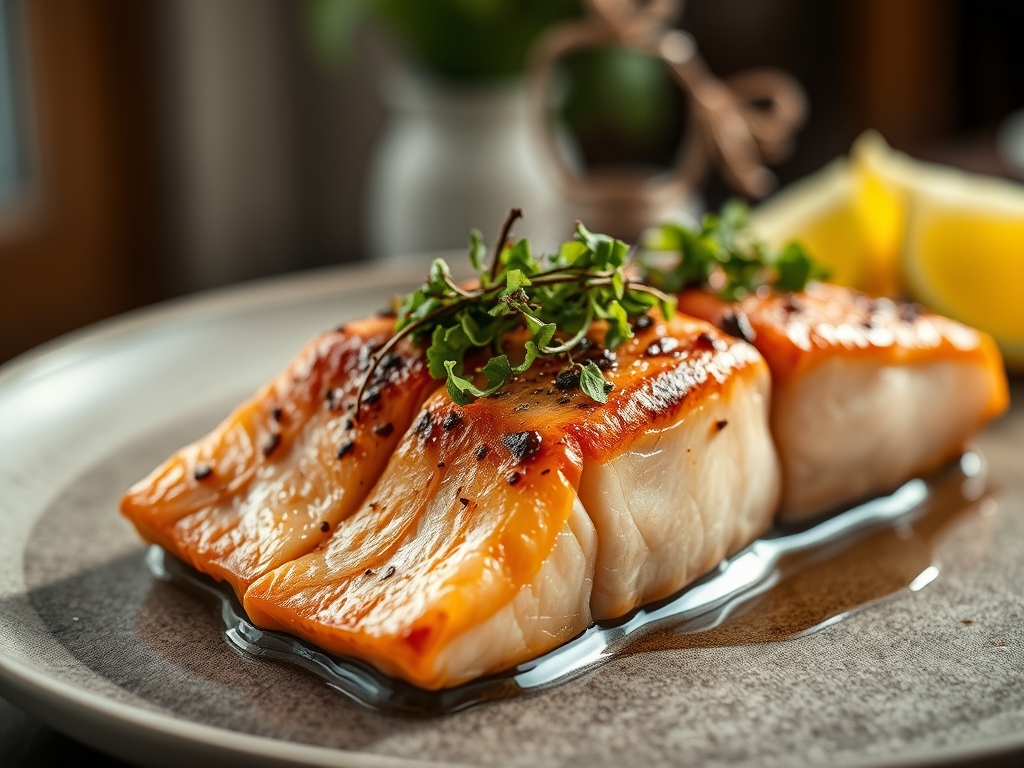
The sizzle of cold protein hitting a shimmering layer of hot oil is the universal siren song of a kitchen that knows what it is doing. If you have spent more than five minutes scrolling through your feed lately, you know that tiktok salmon recipes have evolved far beyond the basic sheet pan dinner. We are talking about deep umami glazes; crispy rice foundations; and that iconic flaked bowl that practically redefined how we use leftovers. Salmon is the ultimate culinary canvas because of its high lipid content and structural integrity. It can withstand the intense heat of a cast iron sear while maintaining a buttery, translucent interior. Today, we are deconstructing the viral magic to understand why these methods actually work on a molecular level. We are moving past the aesthetic filters to master the heat transfer and enzymatic reactions that turn a simple fillet into a restaurant grade masterpiece. Grab your favorite apron and clear your counter space. We are about to transform your kitchen into a high performance studio where flavor meets physics.
The Gathers:
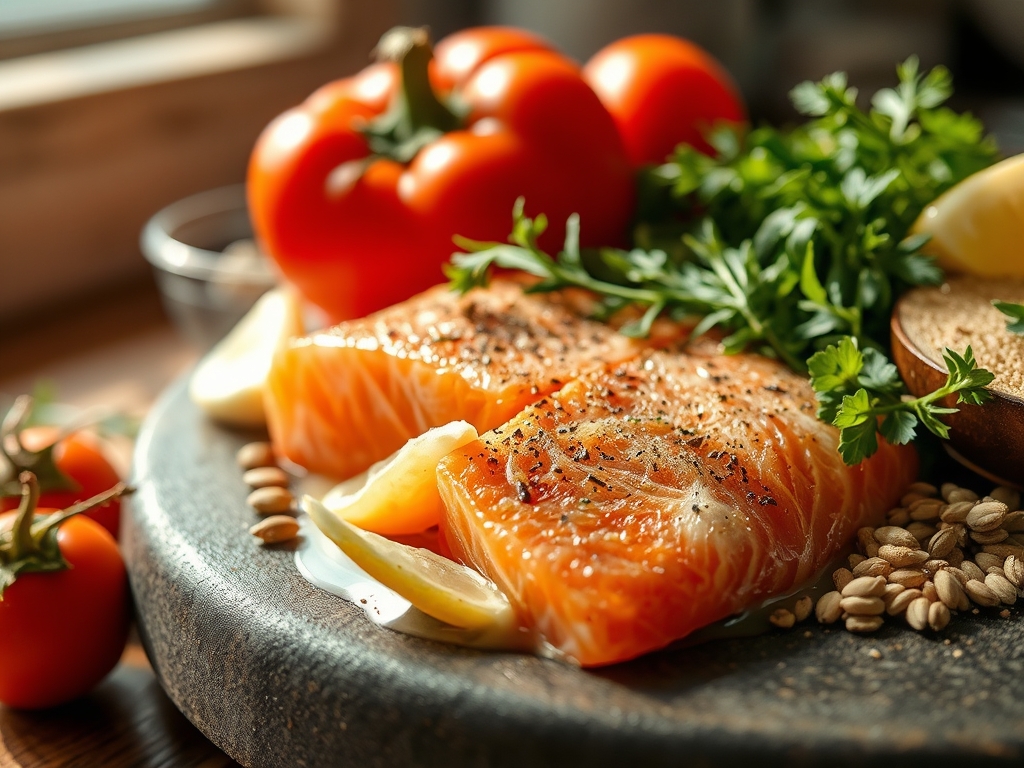
To execute these tiktok salmon recipes with precision, your mise-en-place must be flawless. Start with center-cut Atlantic or King salmon fillets; these offer the most uniform thickness for even thermal distribution. You will need a high smoke point fat like avocado oil or clarified butter to facilitate the Maillard reaction without scorching. For the aromatics, gather fresh ginger, garlic cloves, and scallions. Use a microplane to grate your aromatics into a fine paste; this increases surface area and ensures the essential oils infuse the fat instantly.
Your pantry staples should include a viscous aged soy sauce, toasted sesame oil, and sriracha for that signature piquant kick. If you are aiming for the viral "Salmon Rice Bowl," ensure you have short-grain sushi rice, which contains the specific starch ratio needed for that sticky, comforting texture. For Smart Substitutions, swap honey for maple syrup to achieve a more complex caramelization, or use coconut aminos if you are monitoring sodium levels. If fresh salmon is unavailable, high quality frozen fillets work perfectly as long as they are patted completely dry with lint-free towels to prevent steam pockets during the sear.
The Clock:
Efficiency in the kitchen is all about the Chef's Flow. This is the art of overlapping tasks so that no second is wasted while the protein rests. Total active preparation for these hacks generally spans fifteen minutes, with cooking times ranging from six to twelve minutes depending on your desired level of doneness.
The "Flow" begins with the rice or base grain, as these require the longest passive time to hydrate and fluff. While the starch simmers, you perform your knife work. Once the salmon hits the heavy-bottomed skillet, you have a four-minute window to whisk your glazes or prep your garnishes. Remember that salmon requires a mandatory three-minute rest period post-heat. This allows the muscle fibers to relax and reabsorb the internal juices, ensuring every bite is succulent rather than dry.
The Masterclass:
1. The Viral Flaked Rice Bowl
Start by flaking cooked salmon with a fork into a bowl of warm rice. Add a single ice cube in the center and cover with parchment paper before microwaving. The ice cube creates a localized steam chamber that rehydrates the grains without making them soggy. Finish with kewpie mayo, sriracha, and avocado.
Pro Tip: This method utilizes latent heat and steam injection to gently warm the fats in the fish, preventing the "fishy" aroma that often occurs when reheating seafood too aggressively.
2. The Crispy Rice Salmon Bite
Press seasoned sushi rice into a rectangular mold and chill until firm. Use a bench scraper to cut into uniform cubes and shallow fry in a skillet until the exterior is golden. Top with a spicy salmon tartare or seared flakes.
Pro Tip: The chilling process allows for starch retrogradation, which creates a sturdier structure that crisps up beautifully instead of falling apart in the hot oil.
3. The Air Fryer Miso Glaze
Coat your fillet in a thick paste of miso, honey, and rice vinegar. Place it in the air fryer basket at 400 degrees Fahrenheit for eight minutes. The rapid convection air movement creates a charred, caramelized crust in half the time of a conventional oven.
Pro Tip: Miso contains high levels of reducing sugars and amino acids, which accelerate the Maillard reaction at lower temperatures, providing a deep savory crust.
4. The Paper Thin Cucumber Wrap
Use a vegetable peeler or mandoline to create long, translucent ribbons of cucumber. Lay them overlapping on a piece of plastic wrap, spread with cream cheese and flaked salmon, then roll tightly like a sushi roll.
Pro Tip: This hack relies on osmotic pressure. Lightly salting the cucumber ribbons beforehand draws out excess moisture, ensuring the roll stays tight and crisp rather than watery.
5. The Garlic Butter Honey Sear
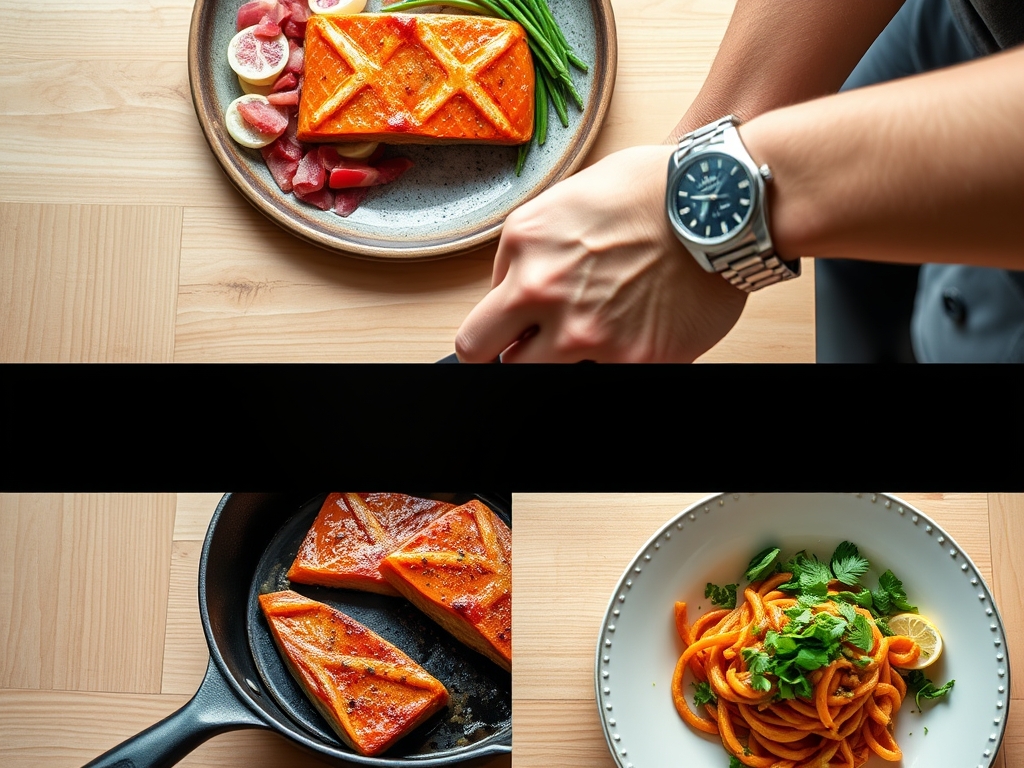
Score the skin of the salmon with a sharp knife. Start skin-side down in a cold pan and gradually raise the heat. Once the fat has rendered, flip the fish and add a knob of butter, smashed garlic, and honey to the pan. Use a spoon to continuously baste the fish.
Pro Tip: Basting is a form of conduction heating that allows the aromatic-infused fat to cook the top of the fish gently while the honey glazes the exterior.
6. The Spicy Salmon "Waffle"
Mix flaked salmon with an egg and a teaspoon of cornstarch, then press into a preheated waffle iron. Cook until the exterior is shatteringly crisp. This creates a high surface-area-to-volume ratio for maximum crunch.
Pro Tip: The cornstarch acts as a moisture absorber, preventing the steam from softening the crust and ensuring the egg proteins set into a rigid, crispy lattice.
The Deep Dive:
From a nutritional standpoint, salmon is a powerhouse of Omega-3 fatty acids and high quality protein. A standard six-ounce serving provides roughly 34 grams of protein and 100 percent of your daily Vitamin B12. For those following a Keto lifestyle, these tiktok salmon recipes are naturally low-carb if you swap the rice for cauliflower pearls or a bed of sautéed greens. Vegan friends can replicate the texture using "Tomato Lox" or marinated hearts of palm, though the fat profile will differ significantly.
The Fix-It:
- The Skin is Soggy: You likely started with a wet fillet. Always use a paper towel to remove every drop of surface moisture before cooking.
- The Glaze is Burnt: Sugary glazes should be added in the final sixty seconds of cooking. High heat causes sugar to carbonize quickly.
- The Fish is Tough: This is a result of thermal carryover. Remove the salmon from the heat when it is five degrees below your target temperature; it will finish cooking on the plate.
For meal prep, the secret to "day-one" quality is undercooking the salmon slightly if you plan to reheat it. Store the glaze separately and apply it just before warming to maintain the integrity of the protein fibers.
The Wrap-Up:
Mastering these tiktok salmon recipes is about more than just following a trend; it is about understanding the synergy between heat, fat, and acid. Whether you are creating a crispy rice base or a perfectly basted garlic butter fillet, you are applying professional culinary techniques to everyday ingredients. These methods prove that high-end flavor does not require hours of labor; it just requires a bit of scientific intuition and the right tools. Now, go forth and conquer your kitchen with the confidence of a pro stylist.
The Kitchen Table:
How do I stop salmon from sticking to the pan?
Ensure your pan is properly preheated before adding oil. Use a heavy-bottomed skillet and wait for the protein to naturally release once the crust has formed. If it sticks, it usually needs another thirty seconds to finish searing.
Can I use frozen salmon for these viral recipes?
Yes, but you must thaw it completely in the refrigerator. Pat the fillets extremely dry with a paper towel to prevent excess moisture from steaming the fish, which ruins the potential for a crispy, golden-brown crust.
What is the white stuff oozing out of my salmon?
That white substance is albumin, a harmless protein that solidifies when heated. To minimize it, avoid overcooking the fish and try brining the fillets in a simple salt solution for ten minutes before searing to relax the fibers.
How do I know when the salmon is perfectly cooked?
The most reliable method is using a digital thermometer. Aim for an internal temperature of 125 degrees Fahrenheit for medium-rare or 135 degrees for medium. The flesh should be opaque and flake easily with a gentle press.