
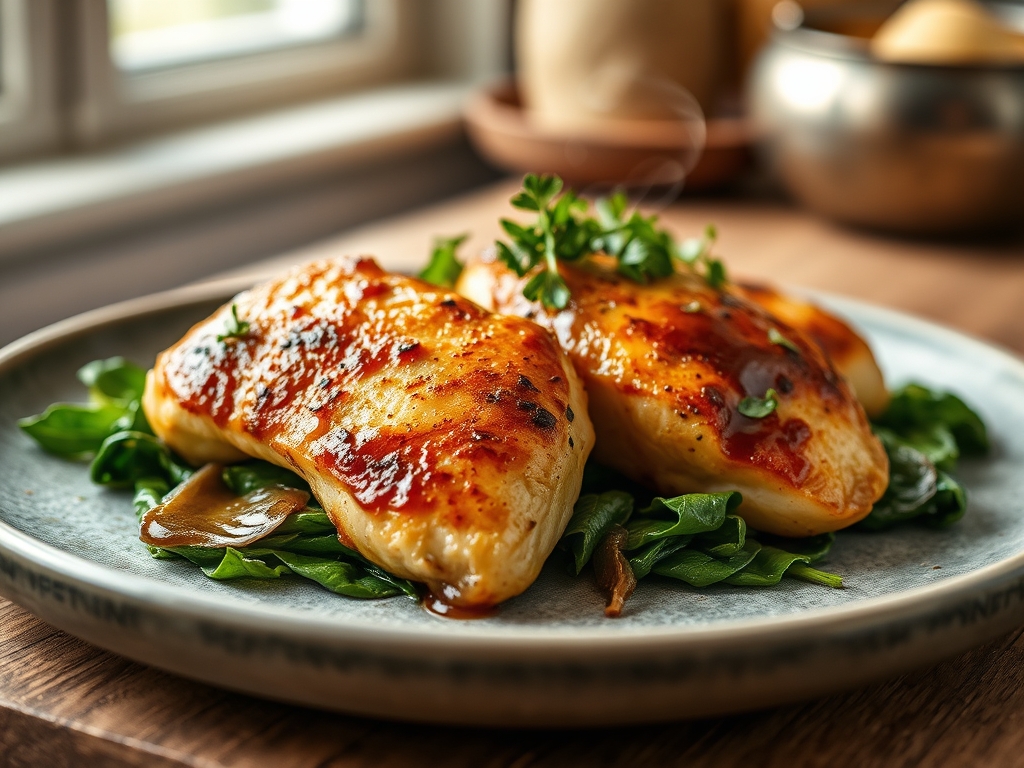
Picture the sound of a heavy bottomed skillet hitting the burner; a sharp, metallic ring that promises a masterpiece. You are standing in your kitchen, the air thick with the scent of garlic hitting hot olive oil. When you look for spinach and chicken recipes healthy options, you are not just looking for fuel. You are looking for that perfect intersection of lean protein and leafy greens that actually tastes like a five star meal. Spinach is a culinary chameleon. It wilts into a silky, mineral rich ribbon that clings to the seared, golden edges of a chicken breast. This combination is the gold standard for high performance eating because it balances iron and vitamin C for maximum absorption. We are moving past the days of bland, boiled poultry. Today, we are using molecular chemistry to transform these two humble ingredients into eight distinct, vibrant flavor profiles. Grab your favorite apron and a glass of sparkling water. We are about to turn your kitchen into a laboratory of flavor where every sear, deglaze, and wilt is intentional.
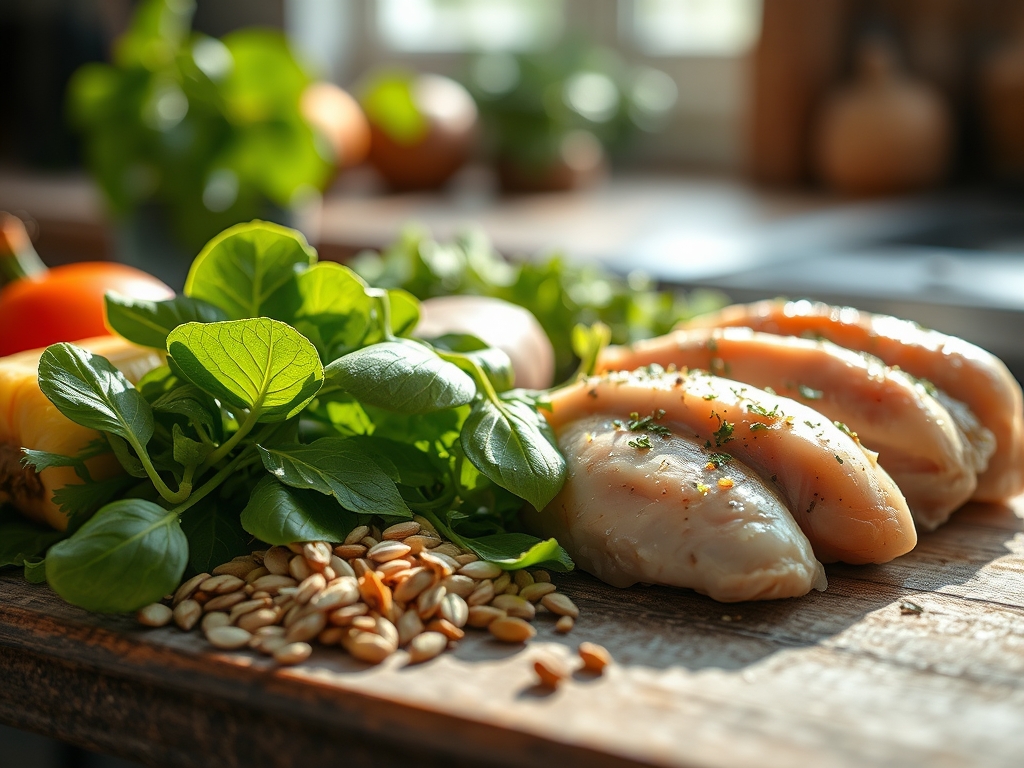
The Gathers:
To execute these dishes, your mise en place must be precise. Start with high quality chicken breasts or thighs; look for firm texture and a neutral scent. For the greens, choose organic baby spinach for its tender cell walls or mature savoy spinach if you want a more robust, crinkled texture that holds onto sauces. You will need a piquant acid, like fresh lemon juice or white balsamic vinegar, to brighten the metallic notes of the greens.
Your toolkit should include a sharp chef knife for clean cuts that do not bruise the leaves, a microplane for aerating hard cheeses or citrus zest, and a digital scale to ensure your macros are exact. Smart substitutions are your best friend here. If you are avoiding dairy, swap heavy cream for a viscous cashew cream or full fat coconut milk. If you need a sodium reduction, use nutritional yeast to mimic the savory depth of parmesan. Always have a bowl of ice water ready for blanching if you want to lock in that neon green chlorophyll before folding the spinach into a hot sauce.
The Clock: Efficiency in Motion
Cooking is a dance of timing. Most of these pairings require a total of thirty minutes, but the secret lies in the Chef's Flow. This is the art of overlapping tasks so no heat is wasted. While your chicken is searing to achieve the Maillard reaction, you should be prepping your aromatics. Never prep as you go; the thermal energy of a hot pan waits for no one.
The first ten minutes are dedicated to the prep: slicing, zesting, and measuring. The next fifteen minutes are the active cook time where you manage the heat levels. The final five minutes are the most critical: the rest. Allowing your chicken to rest for five minutes before slicing ensures the juices redistribute through the muscle fibers. If you cut it too soon, the moisture escapes, leaving you with a dry, fibrous texture that no amount of spinach can save.
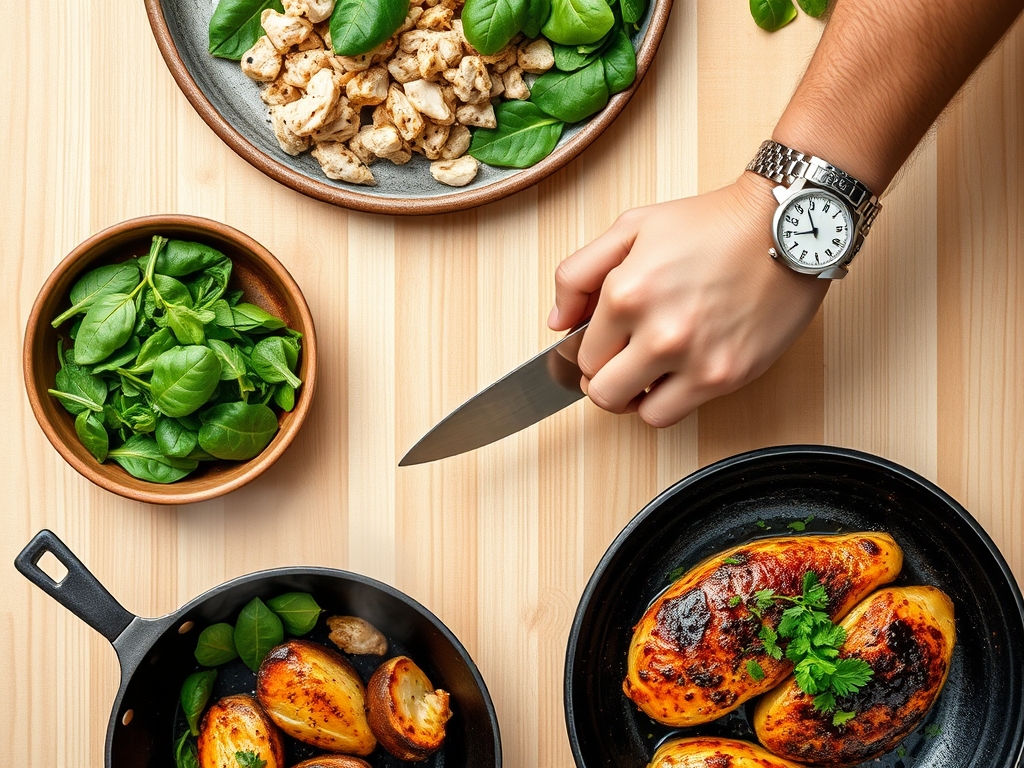
The Masterclass: Eight Ways to Elevate
1. The Tuscan Sear
Season your chicken with dried oregano and sea salt. Use a heavy bottomed skillet to sear the meat until it reaches an internal temperature of 165 degrees Fahrenheit. Once removed, use a splash of chicken stock to deglaze the pan, scraping up the browned bits known as fond. Toss in three cups of spinach and a handful of sun dried tomatoes.
Pro Tip: Deglazing is not just for cleaning the pan; it creates a pan sauce via emulsification, where the fats and liquids bind to create a silky coating for the greens.
2. The Creamy Garlic Wilt
Sauté minced garlic in olive oil until fragrant but not brown. Add a splash of almond milk and a tablespoon of Greek yogurt to create a viscous base. Fold in the spinach until it just begins to collapse, then nestle your pre cooked chicken strips into the mixture.
Pro Tip: Garlic contains allicin, which is released when crushed. Let your garlic sit for ten minutes after chopping to maximize its health benefits before hitting the heat.
3. The Lemon Pepper Steam
Place chicken breasts in a steamer basket over simmering water infused with lemon slices and peppercorns. In the last two minutes of cooking, pile the spinach on top of the chicken and cover. The gentle steam wilts the greens without breaking down their structural integrity.
Pro Tip: Steaming is a form of moist heat cooking that prevents the denaturation of proteins from happening too quickly, resulting in incredibly tender meat.
4. The Pesto Power Bowl
Blend fresh spinach, walnuts, garlic, and olive oil in a food processor to create a vibrant pesto. Toss this with grilled chicken and quinoa. The fats in the walnuts help your body absorb the fat soluble vitamins in the spinach.
Pro Tip: To keep your pesto bright green, blanch the spinach for ten seconds in boiling water then immediately shock it in ice water to stop the enzymatic browning.
5. The Spicy Sriracha Stir Fry
High heat is the key here. Use a wok or a large skillet to flash fry chicken cubes. Once they are opaque, throw in the spinach and a drizzle of sriracha. The capsaicin in the peppers provides a sharp contrast to the earthy greens.
Pro Tip: The "Wok Hei" or breath of the wok occurs when oil droplets are atomized in the air, creating a smoky complexity that defines professional stir fry.
6. The Mediterranean Stuffed Breast
Butterfly your chicken breast and stuff it with a mixture of sautéed spinach and feta cheese. Secure with toothpicks and bake. As the cheese melts, it infuses the chicken with salt and moisture.
Pro Tip: Use a digital thermometer to check the center of the stuffing. Thermal carryover will continue to cook the meat even after it leaves the oven, so pull it at 160 degrees.
7. The Balsamic Glaze Reduction
Sear your chicken and remove it from the heat. In the same pan, reduce balsamic vinegar until it becomes a thick syrup. Toss in the spinach until coated, then serve over the chicken. The sugar in the vinegar caramelizes, offering a sweet counterpoint to the iron rich spinach.
Pro Tip: Reduction is the process of simmering a liquid to evaporate water, which intensifies the flavor molecules and increases viscosity.
8. The Turmeric Ginger Sauté
Infuse your oil with fresh grated ginger and turmeric. Sauté the chicken until golden, then add the spinach. The piperine in black pepper (add a pinch!) increases the bioavailability of the curcumin in the turmeric.
Pro Tip: Turmeric is a powerful anti inflammatory, but it requires a fat source to be properly absorbed by the human digestive system.
The Deep Dive: Science and Strategy
When we look at the macro nutrition of these spinach and chicken recipes healthy variations, we see a profile dominated by lean protein and high fiber. A standard serving offers roughly thirty grams of protein and only five grams of net carbs, depending on your choice of fats. For those on specific diets, these recipes are incredibly flexible. Keto followers should lean into heavy cream and butter, while those going vegan can swap chicken for chickpeas or firm tofu while keeping the spinach techniques identical.
If you run into trouble, remember "The Fix-It" rules. If your spinach is too watery, you likely overcrowded the pan; cook in smaller batches to allow steam to escape. If your chicken is rubbery, you likely skipped the resting phase or used too high a heat for too long. If the dish tastes flat, it usually needs acid, not salt. A squeeze of lime can fix almost any culinary dullness.
For meal prep, the science of reheating is vital. To maintain "day one" quality, reheat your chicken and spinach in a skillet with a teaspoon of water and a lid. This creates a mini steam chamber that prevents the chicken from becoming "leathery" in the microwave.
The Wrap-Up: Your Kitchen, Your Rules
You now have the technical blueprint to master the art of the green and the gold. Cooking is as much about the physics of heat as it is about the joy of the first bite. By understanding how to deglaze, emulsify, and rest your proteins, you have elevated a simple weeknight staple into a gourmet experience. Go forth, use your tongs with confidence, and remember that every meal is an opportunity to nourish your body with intention and flair.
The Kitchen Table: FAQ
How do I keep spinach from getting slimy?
Avoid overcooking by adding spinach at the very end of the process. The residual heat from the chicken is often enough to wilt the leaves perfectly without destroying their cellular structure or releasing excess water.
Can I use frozen spinach for these recipes?
Yes, but you must thaw and squeeze it thoroughly using a clean kitchen towel. Frozen spinach has a much higher moisture content, which can dilute your sauces and ruin the texture of the chicken.
What is the best way to season chicken?
Always salt your chicken at least fifteen minutes before cooking. This allows the salt to penetrate the fibers through osmosis, seasoning the meat deeply rather than just on the surface.
How long does cooked chicken and spinach last?
When stored in an airtight container in the refrigerator, these meals stay fresh for three to four days. Always ensure the food has cooled to room temperature before sealing to prevent condensation.