
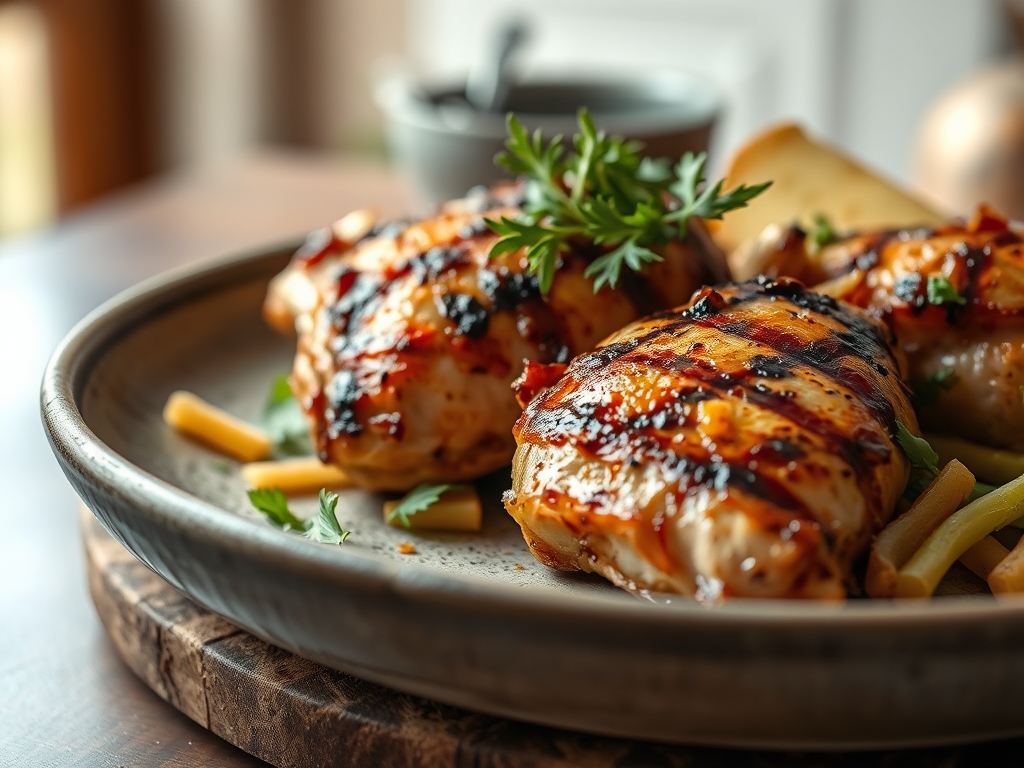
Picture this: you open your refrigerator door and there it is. A lonely container of cold, slightly charred poultry stares back at you. Most people see a sad repeat of last night's dinner, but you and I know better. We see a blank canvas of pre-cooked protein that has already undergone the Maillard reaction. This chemical transformation has already developed those complex, savory flavor compounds that raw meat simply lacks. By mastering a few leftover grilled chicken recipes, you are not just reheating food; you are conducting a second act of culinary brilliance. We are going to take that smoky, char-kissed base and transform it into seven distinct masterpieces that range from vibrant Mediterranean bowls to silky, emulsified pastas. The goal is to maximize the umami profile while restoring the moisture levels that the refrigerator tends to strip away. We are moving beyond the basic sandwich and into the realm of high-density flavor architecture. Let us turn that "boring" bird into the star of your week.
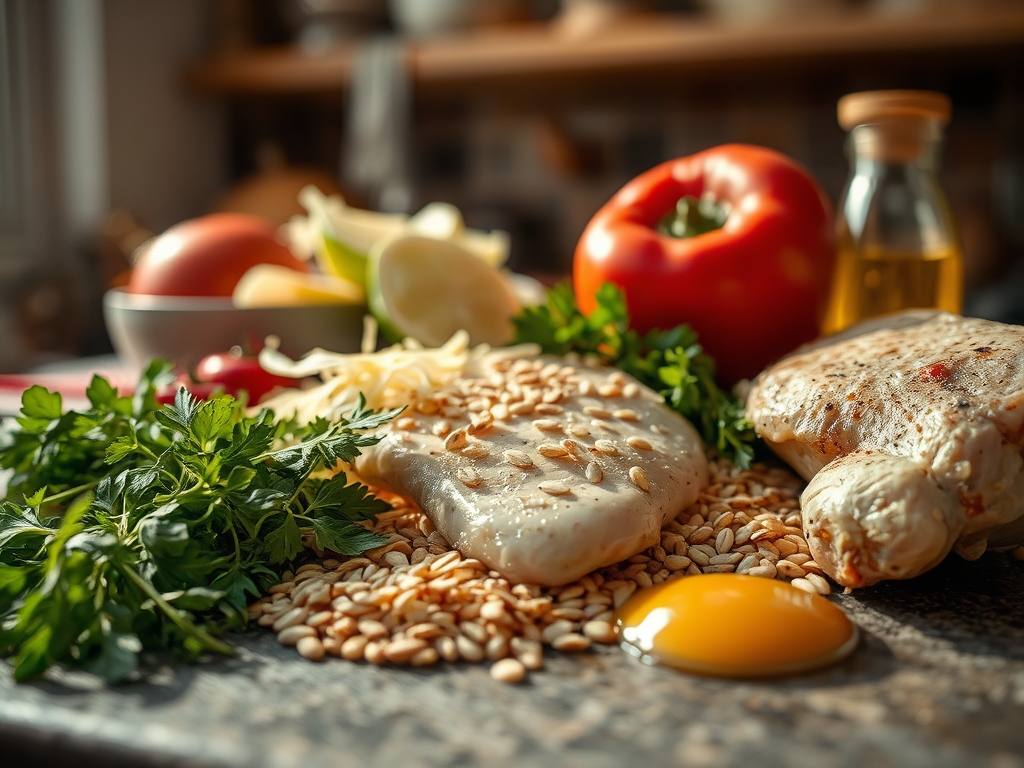
The Gathers:
To execute these transformations, your mise-en-place must be precise. You will need your leftover grilled chicken recipes to be supported by high-quality fats and acids to balance the existing char. Gather your heavy-bottomed skillet for even heat distribution and a sharp bench scraper to move your diced protein without bruising the fibers. You will need a viscous binder like full-fat Greek yogurt or a high-quality olive oil to re-introduce lipids.
Smart Substitutions:
If you find your chicken is particularly dry, swap out standard citrus for a piquant apple cider vinegar or a splash of dry white wine to deglaze your pan. If you are out of fresh herbs, use a microplane to zest some citrus over the finished dish; the volatile oils in the skin provide a more immediate aromatic punch than dried spices. For those seeking a dairy-free profile, coconut cream offers the necessary saturated fats to mimic the mouthfeel of a traditional saucier reduction.
The Clock:
Efficiency in the kitchen is about Chef's Flow. This is the art of overlapping tasks so that your active time never exceeds twenty minutes. For these recipes, the prep phase takes roughly ten minutes; this involves cubing or shredding the protein and preparing your aromatics. The cook time is a lightning-fast eight to twelve minutes. Because the chicken is already cooked, we are merely aiming for a thermal equilibrium where the internal temperature reaches 165 degrees Fahrenheit without further denaturing the proteins. Always allow your chicken to sit at room temperature for five minutes before hitting the pan; this prevents a "thermal shock" that can lead to a rubbery texture.
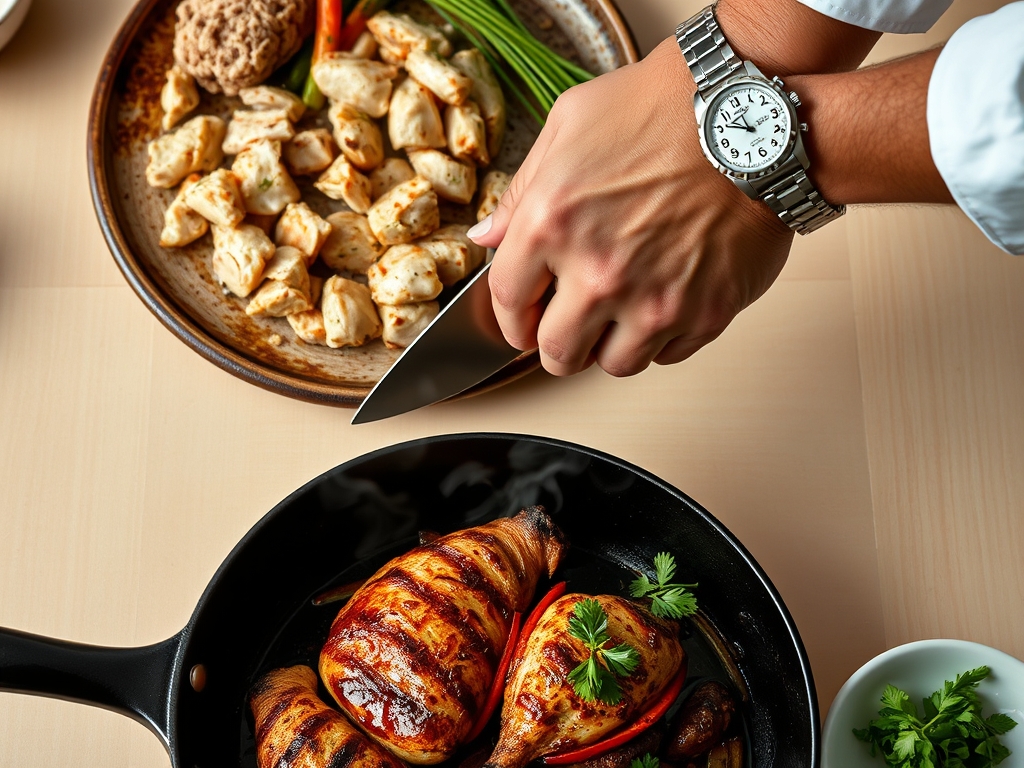
The Masterclass:
1. The Velvety Chicken Pesto Pasta
Start by boiling your pasta in highly salted water. In a heavy-bottomed skillet, warm your chicken with a splash of pasta water. The starch in the water helps to emulsify the pesto sauce, creating a glossy coating rather than a greasy mess.
Pro Tip: This relies on starch gelatinization. The cloudy pasta water contains amylose molecules that act as a bridge between the fats in the pesto and the moisture in the chicken.
2. The High-Protein Mediterranean Power Bowl
Thinly slice your chicken against the grain using a sharp chef's knife. Toss it with lemon juice, oregano, and a high-quality olive oil. The acid in the lemon helps to break down any tightened collagen fibers from the original grilling process.
Pro Tip: This is a form of cold denaturing. The low pH of the lemon juice softens the exterior of the meat, making it feel more tender on the palate without adding heat.
3. The Smoky Chicken and Corn Chowder
Use a saucier to sauté onions and celery before adding chicken stock and your diced leftovers. The residual smoky flavor from the grill will infuse the broth, creating a depth of flavor that usually takes hours to achieve with raw meat.
Pro Tip: This utilizes solubility. The smoke compounds on the chicken skin are fat-soluble and water-soluble; they migrate into the liquid base as it simmers, flavoring the entire pot.
4. The Crispy Chicken Street Tacos
Flash-fry your shredded chicken in a pan with a bit of lard or avocado oil. You want to achieve a secondary Maillard reaction on the edges of the meat to add a crunch factor that contrasts with soft corn tortillas.
Pro Tip: Watch for dehydration. By using high heat for a short duration, you create a crisp exterior while the interior remains moist due to the rapid evaporation of surface moisture only.
5. The Zesty Chicken Salad with Greek Yogurt
Instead of mayo, use Greek yogurt and a dash of Dijon mustard. Use a silicone spatula to fold the ingredients together gently to maintain the structure of the chicken chunks.
Pro Tip: This is about viscosity. The proteins in the yogurt provide a thick, creamy structure that clings to the chicken, preventing the "weeping" of moisture often seen in mayo-based salads.
6. The Quick Chicken Stir-Fry
Heat your wok until it is screaming hot. Toss in ginger, garlic, and your chicken. Because the chicken is pre-cooked, you only need sixty seconds of contact time to aerate the flavors and sear the vegetables.
Pro Tip: This technique utilizes the Leidenfrost effect. A thin layer of steam forms between the food and the pan, allowing for rapid heating without sticking, provided your pan is sufficiently hot.
7. The Ultimate Chicken Panini
Layer your chicken with provolone and spinach between sourdough slices. Use a weighted press or a second heavy skillet to ensure maximum surface contact with the heat source.
Pro Tip: This involves thermal conductivity. The pressure forces the heat through the bread and into the center of the chicken, ensuring the cheese melts at the exact moment the chicken reaches a safe temperature.
The Deep Dive:
Macro Nutrition:
Leftover grilled chicken is a lean protein powerhouse. A standard 4-ounce serving provides approximately 31 grams of protein and only 4 grams of fat. By controlling your additives, you can maintain a high protein-to-calorie ratio.
Dietary Swaps:
- Keto: Replace pasta or tortillas with cauliflower rice or large butter lettuce leaves. Focus on adding healthy fats like avocado.
- Vegan: If you are cooking for a mixed crowd, substitute the chicken with grilled oyster mushrooms, which mimic the fibrous texture of poultry.
- GF: Ensure your soy sauce is replaced with tamari or liquid aminos to avoid hidden gluten in stir-fry applications.
The Fix-It:
- The Chicken is Dry: Toss the meat in a bowl with two tablespoons of warm chicken bone broth before adding it to your recipe. This rehydrates the muscle fibers via osmosis.
- The Flavor is Dull: Add a "bright" finishing touch. A splash of fish sauce or a squeeze of lime can provide the necessary acidity to wake up the muted flavors of day-old meat.
- The Texture is Rubbery: You likely overheated it. To fix this, shred the chicken finely rather than keeping it in large chunks; this changes the "mouthfeel" and makes the toughness less noticeable.
Meal Prep Science:
When reheating, avoid the microwave if possible. The microwave excites water molecules unevenly, often leading to "hot spots" that turn chicken into leather. Instead, use a steamer basket for three minutes. The gentle, moist heat penetrates the meat without stripping away the internal juices, maintaining "day-one" quality.
The Wrap-Up:
Transforming your kitchen leftovers is more than a chore; it is a strategic move for any smart home chef. By understanding the chemistry of rehydration and the importance of aromatic infusion, you turn a plastic container of chicken into a week of gourmet meals. Grab your tongs, fire up your skillet, and let these leftover grilled chicken recipes prove that the second time around is often better than the first. You have the tools, the science, and the flavor; now go make something incredible!
The Kitchen Table:
How long does leftover grilled chicken stay good?
When stored in an airtight container at or below 40 degrees Fahrenheit, grilled chicken remains safe and flavorful for three to four days. Always check for off-odors or a slimy texture before using in your leftover grilled chicken recipes.
Can I freeze leftover grilled chicken for later use?
Yes, you can freeze it for up to four months. For the best results, flash-freeze individual pieces on a parchment-lined tray before transferring them to a vacuum-sealed bag to prevent freezer burn and ice crystal formation.
What is the best way to shred cold chicken?
The most efficient method is using a stand mixer with the paddle attachment on a low speed. Alternatively, use two forks to pull the grain apart while the meat is still slightly chilled for cleaner, more uniform shreds.
How do I prevent chicken from becoming tough when reheating?
The secret is adding a small amount of liquid, such as broth or water, and covering the dish. This creates a localized steam environment that gently warms the protein without further denaturing the muscle fibers or causing excessive moisture loss.