
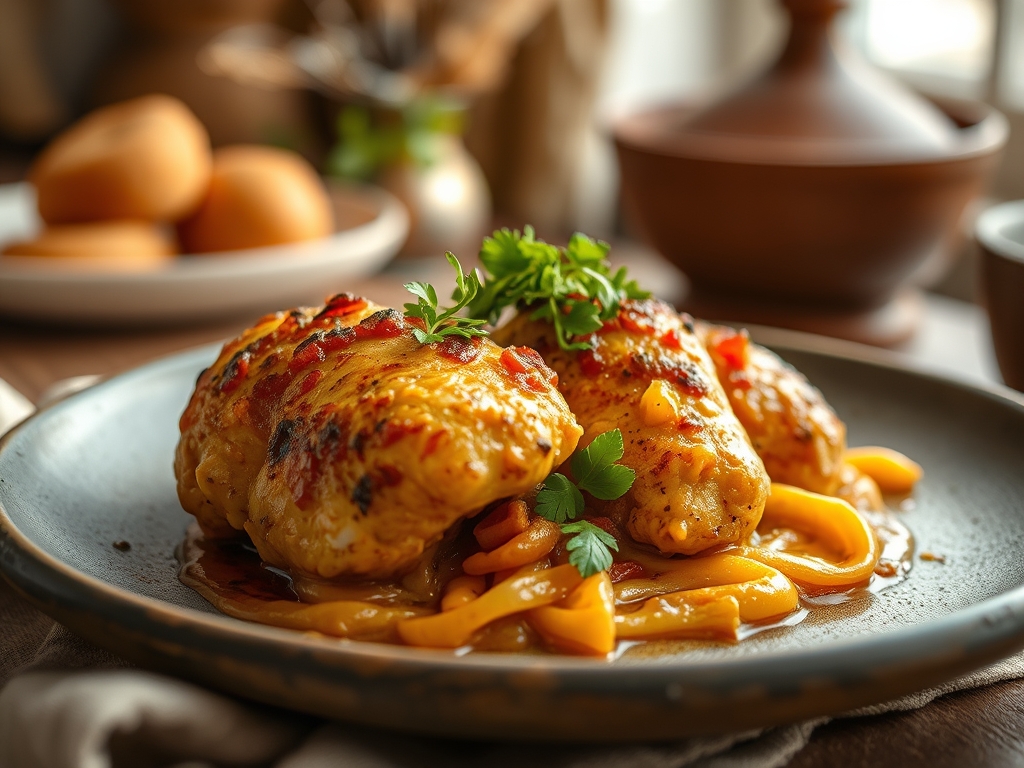
Close your eyes and imagine the scent of blooming saffron colliding with the sharp, acidic brightness of dried limes and the deep, nutty aroma of slow-rendered walnuts. This is the sensory architecture of the Persian kitchen. When you master iran chicken recipes, you are not just cooking dinner; you are performing a delicate balancing act between acid and fat. Persian cuisine is a masterclass in subtlety where the goal is to coax out the soul of the bird through slow infusion and precise heat management. We are moving beyond the basic rotisserie and entering a world where every grain of rice is a jewel and every piece of poultry is a canvas for centuries of culinary refinement.
The secret to that haunting, golden glow you see in professional Iranian kitchens is not just the ingredients; it is the technique of "layering" flavors. We are going to explore the chemistry of the Maillard reaction as it interacts with floral aromatics. Whether you are aiming for the crispy, yogurt-marinated perfection of Joojeh Kabab or the dark, pomegranate-stained depth of Fesenjan, the principles remain the same. Grab your apron and your favorite heavy-bottomed skillet; we are about to transform your kitchen into a high-end Tehran bistro.
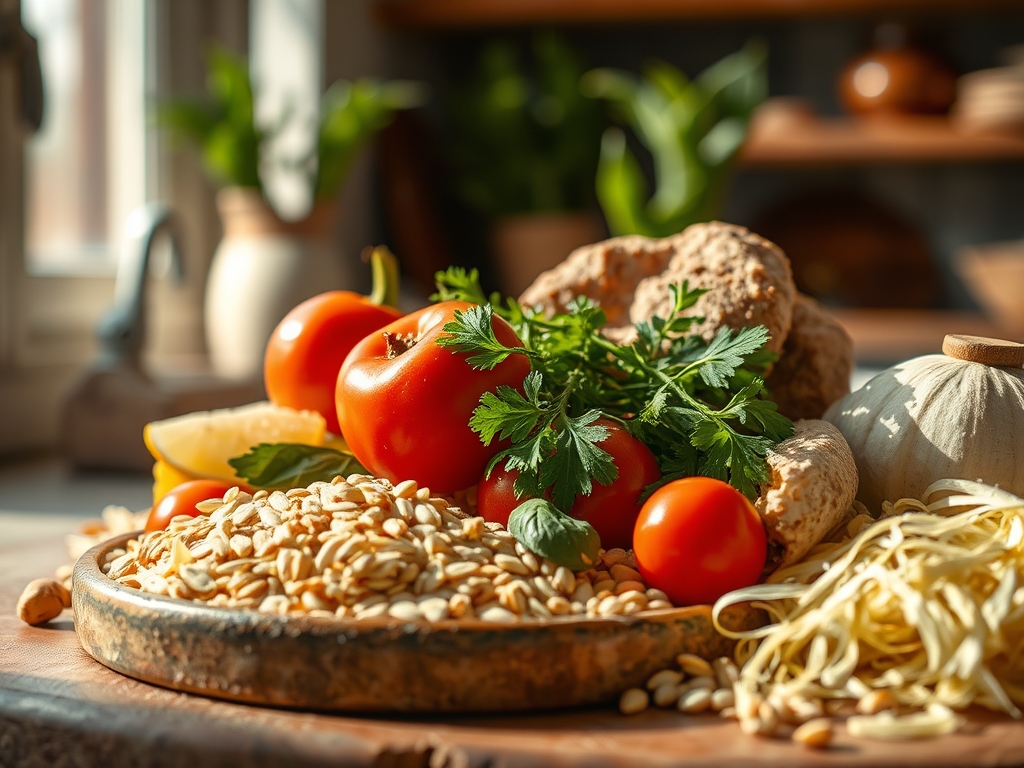
The Gathers:
To execute these iran chicken recipes with precision, your mise-en-place must be flawless. We are looking for high-quality proteins and specific aromatics that provide the characteristic "sour-sweet" profile of the region.
The Protein: 3 pounds of bone-in, skin-on chicken thighs. The bone acts as a thermal conductor, ensuring the meat stays succulent while the skin provides the lipids necessary for a crispy exterior.
The Saffron Gold: 1/2 teaspoon of high-grade Persian saffron threads. You will need a mortar and pestle to grind these into a fine powder before blooming them in hot water to release the crocin, the pigment responsible for that vibrant yellow hue.
The Acid Profile: 1/4 cup of fresh lime juice or "Abghooreh" (unripe grape juice). This provides a piquant brightness that cuts through the richness of the poultry fat.
The Fat: 4 tablespoons of high-smoke point ghee or clarified butter. We want to avoid the milk solids of regular butter which would burn during the long searing process.
Smart Substitutions: If you cannot find dried limes (Limo Amani), use a microplane to zest two fresh limes and add a teaspoon of sumac for that fermented, earthy tang. For a vegan alternative, firm oyster mushrooms or pressed extra-firm tofu can mimic the fibrous texture of chicken when seared in a saucier.
The Clock
Efficiency in the kitchen is about "Chef's Flow." You should never be standing still.
Prep Time: 45 minutes. This includes the "active" time of grinding spices, marinating the poultry, and prepping your aromatics. Do not rush the saffron bloom; it needs at least 10 minutes to reach peak potency.
Cook Time: 60 to 90 minutes. Persian stews (Khoreshts) require patience to allow the collagen in the chicken to break down into gelatin, creating a viscous, lip-smacking sauce.
Total Time: Approximately 2 hours. This accounts for the resting period, which is non-negotiable for moisture retention.
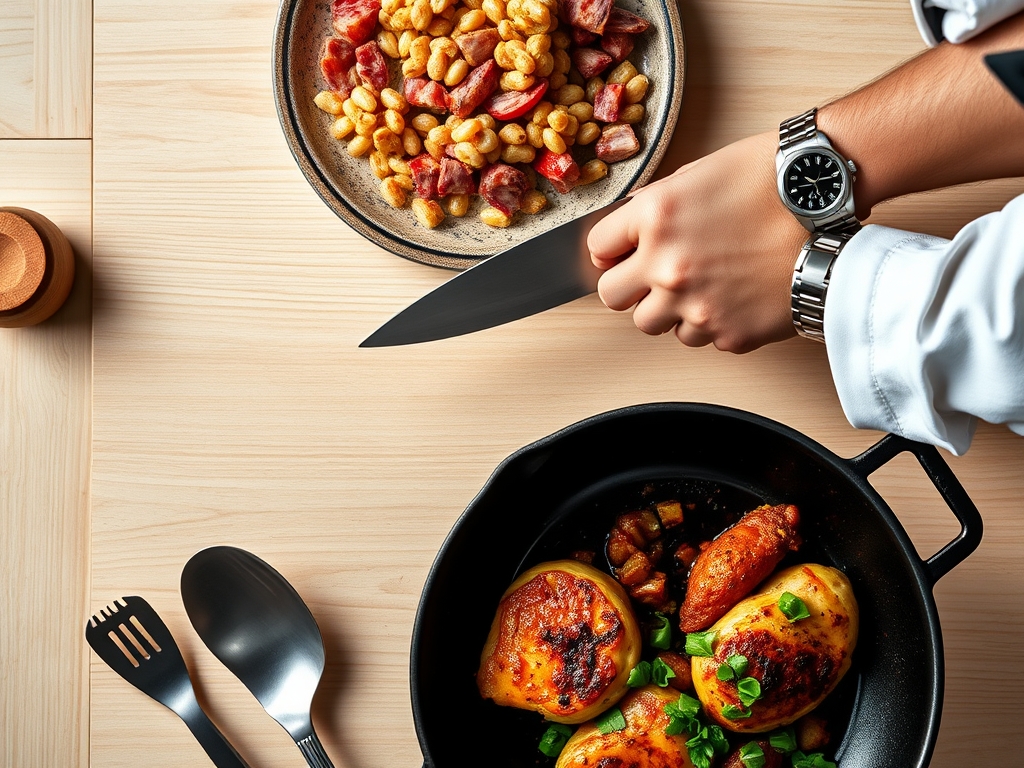
The Masterclass:
1. The Saffron Bloom
Grind your saffron threads with a pinch of sugar in a mortar and pestle until it becomes a fine dust. Pour two tablespoons of boiling water over the powder and let it sit.
Pro Tip: This is called solvent extraction. The heat and water work together to pull the fat-soluble and water-soluble compounds out of the spice, ensuring the flavor is evenly distributed throughout the dish rather than concentrated in tiny hot spots.
2. The Yogurt Marination
Coat your chicken pieces in a mixture of Greek yogurt, grated onion, and saffron water. Use your hands to massage the mixture into every crevice.
Pro Tip: The lactic acid in the yogurt acts as a proteolytic enzyme, breaking down the tough protein strands on the surface of the meat. This results in a texture that is incredibly tender and helps the aromatics penetrate deeper into the muscle fiber.
3. The Cold-Pan Start
Place your chicken skin-side down in a cold, heavy-bottomed skillet before turning the heat to medium.
Pro Tip: This allows for fat rendering to happen gradually. If you drop cold skin into a screaming hot pan, the proteins seize, trapping the fat inside and resulting in rubbery skin. A slow start ensures the fat liquefies and the skin becomes paper-thin and shatteringly crisp.
4. The Onion "Caramelization"
Remove the chicken and add finely diced onions to the rendered fat. Cook them until they are a deep, mahogany brown, almost like a jam.
Pro Tip: This is the Maillard reaction in its most potent form. As the sugars in the onion break down, they create hundreds of new flavor compounds that provide the "umami" backbone for your iran chicken recipes.
5. The Low and Slow Braise
Return the chicken to the pan, add your liquids (pomegranate molasses or lime juice), and reduce the heat to a bare simmer. Use a tight-fitting lid to trap the steam.
Pro Tip: Maintaining a temperature between 180 and 190 degrees Fahrenheit prevents the meat from becoming stringy. This is the "sweet spot" for collagen conversion, turning tough connective tissue into smooth, rich gelatin.
6. The Final Aeration
Just before serving, use a whisk to vigorously stir a tablespoon of cold butter or a splash of fresh lemon juice into the sauce.
Pro Tip: This process, known as mounting with butter (monter au beurre), creates a temporary emulsion. It thickens the sauce and gives it a glossy, professional finish that clings to the rice.
The Deep Dive
Macro Nutrition: A standard serving of Persian chicken provides approximately 35g of protein, 18g of healthy fats (mostly monounsaturated if using walnuts or olive oil), and 8g of carbohydrates. It is a high-protein, moderate-fat powerhouse.
Dietary Swaps:
- Keto: Replace the pomegranate molasses (which is high in sugar) with a mixture of lemon juice and a sugar-free sweetener.
- Vegan: Use cauliflower steaks or thick-cut eggplant. Use vegan yogurt for the marinade.
- Gluten-Free: Traditional iran chicken recipes are naturally gluten-free; just ensure your spices are not processed with wheat fillers.
The Fix-It:
- The sauce is too thin: Remove the chicken and increase the heat. Use a wooden spoon to stir constantly until the liquid reduces. Do not use cornstarch; it ruins the clarity of the flavor.
- The chicken is dry: You likely overcooked it. Next time, use a digital scale or meat thermometer to pull the chicken at 160 degrees. Thermal carryover will bring it to the safe 165 mark while it rests.
- The saffron is bitter: You used too much or burned it. Always add saffron toward the middle or end of the cooking process to preserve its delicate floral notes.
Meal Prep: To reheat, avoid the microwave. Place the chicken in a small saucier with two tablespoons of water or broth. Cover and heat on low. This creates a steam chamber that rehydrates the proteins without toughening them.
The Wrap-Up
Mastering iran chicken recipes is a rite of passage for any serious home cook. It teaches you the importance of patience, the beauty of acidic balance, and the scientific magic of aromatic infusion. By using tools like the microplane and heavy-bottomed skillet with intention, you move from following a recipe to understanding the molecular dance in the pan. Now, go forth and turn that humble chicken into a golden, saffron-scented masterpiece that your friends will be talking about for months.
The Kitchen Table
How do I make my chicken yellow without saffron?
You can use a 1:1 ratio of turmeric and paprika. While it lacks the floral notes of saffron, it provides a similar golden hue and an earthy depth that complements most iran chicken recipes beautifully.
Can I use chicken breast instead of thighs?
Yes; however, breasts have less fat and collagen. Reduce the cooking time by 30% and use a digital thermometer to ensure the internal temperature does not exceed 165 degrees Fahrenheit to avoid a dry, woody texture.
What is the best rice to serve with this?
Long-grain Basmati rice is the gold standard. For the best results, soak the rice for 30 minutes and parboil it in heavily salted water before steaming to achieve the classic Persian "Chelow" texture with separated grains.
Why is my pomegranate sauce purple instead of brown?
The color depends on the acidity of the molasses and the oxidation of the walnuts. For a deeper, darker color, toast your ground walnuts in a dry skillet until they release their oils before adding them to the liquid.