
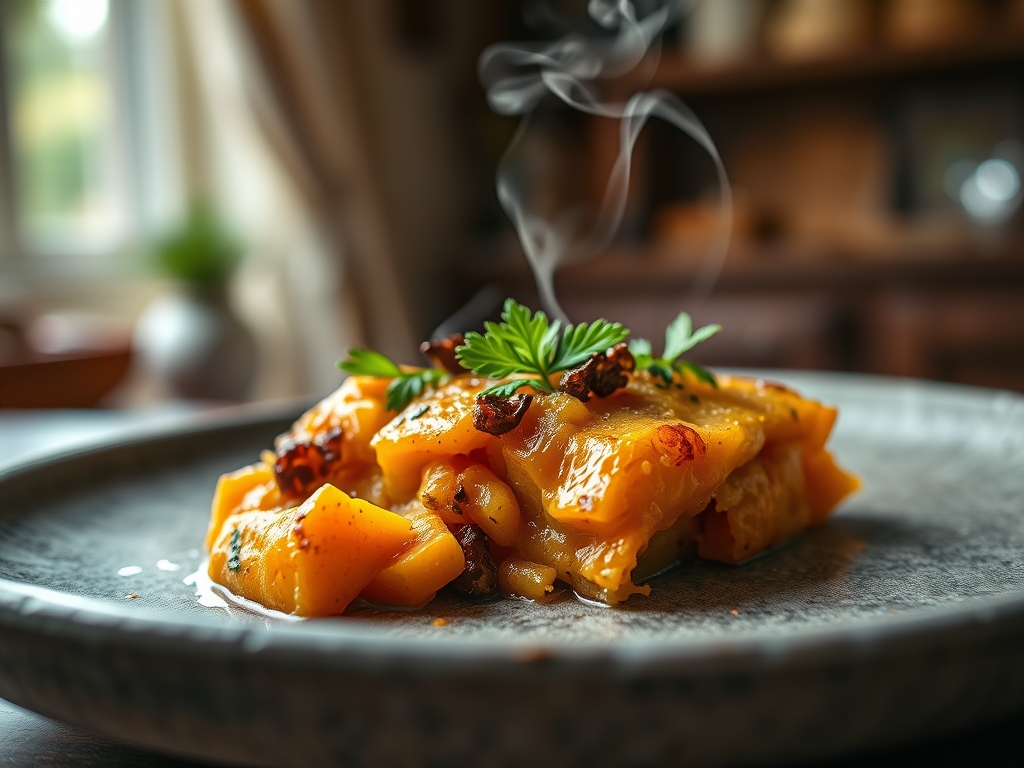
Imagine the scent of caramelized earthiness drifting through your kitchen; it is the olfactory signature of the ultimate comfort food. When you master sweet potato recipes baked casserole style, you are not just making a side dish; you are orchestrating a complex chemical transformation of starches into sugars. This is the savory evolution of a holiday classic, stripped of its marshmallow cliches and elevated with salt, fat, and acid. We are diving deep into the architecture of the perfect bake, ensuring every forkful is a balance of velvet texture and crispy, golden edges.
The Gathers:
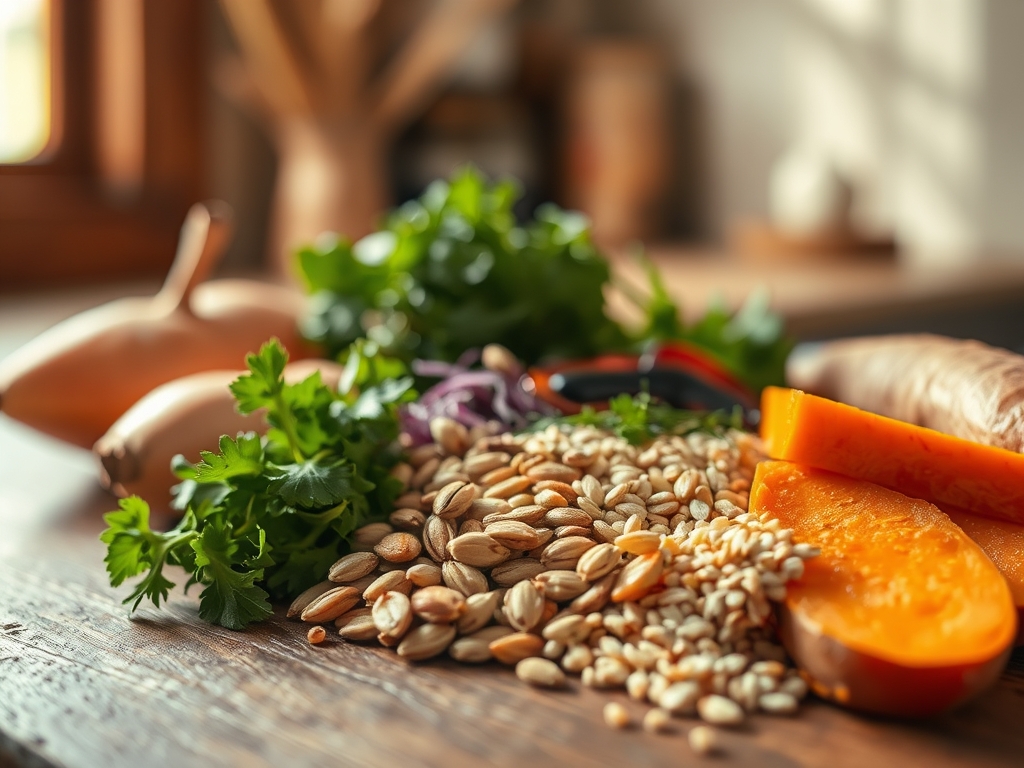
To begin, we must assemble our mise-en-place with precision. You will need five pounds of garnet or jewel sweet potatoes; these varieties contain the specific moisture content required for a viscous puree. For the savory base, gather high-quality unsalted butter, heavy cream, and a sharp, aged white cheddar to provide a piquant counterpoint to the natural sweetness. Your aromatics should include fresh sage, rosemary, and at least four cloves of garlic.
Technique starts with the tools. Reach for your digital scale to ensure the ratio of starch to fat is exact. A microplane is essential for grating the garlic into a fine paste, allowing the oils to infuse the cream without leaving behind acrid chunks. For the crunch, keep panko breadcrumbs, smoked paprika, and toasted pecans on standby.
Smart Substitutions: If you are looking to lighten the profile, swap the heavy cream for full-fat coconut milk. The lauric acid provides a similar mouthfeel while adding a subtle tropical note. For a nut-free crunch, use toasted pumpkin seeds (pepitas) tossed in browned butter. If you lack a saucier, a heavy-bottomed skillet will suffice for simmering your cream infusion, provided you whisk constantly to prevent scorching the milk solids.
The Clock
Efficiency in the kitchen is about understanding the Chef's Flow. Total preparation time sits at approximately 20 minutes, while the oven does the heavy lifting for 45 to 55 minutes. You should not treat these as separate blocks of time; instead, use the roasting period to render the fat from any bacon additions or to deglaze your pan for a supplemental gravy.
The goal is to have your topping prepped and your workspace cleared by the time the potatoes are ready for their final assembly. Remember that sweet potatoes have a high thermal mass; they hold heat significantly longer than white potatoes. This means you have a generous window for mashing, but you must work quickly once the cream is added to maintain an emulsified state.
The Masterclass
1. The Initial Roast
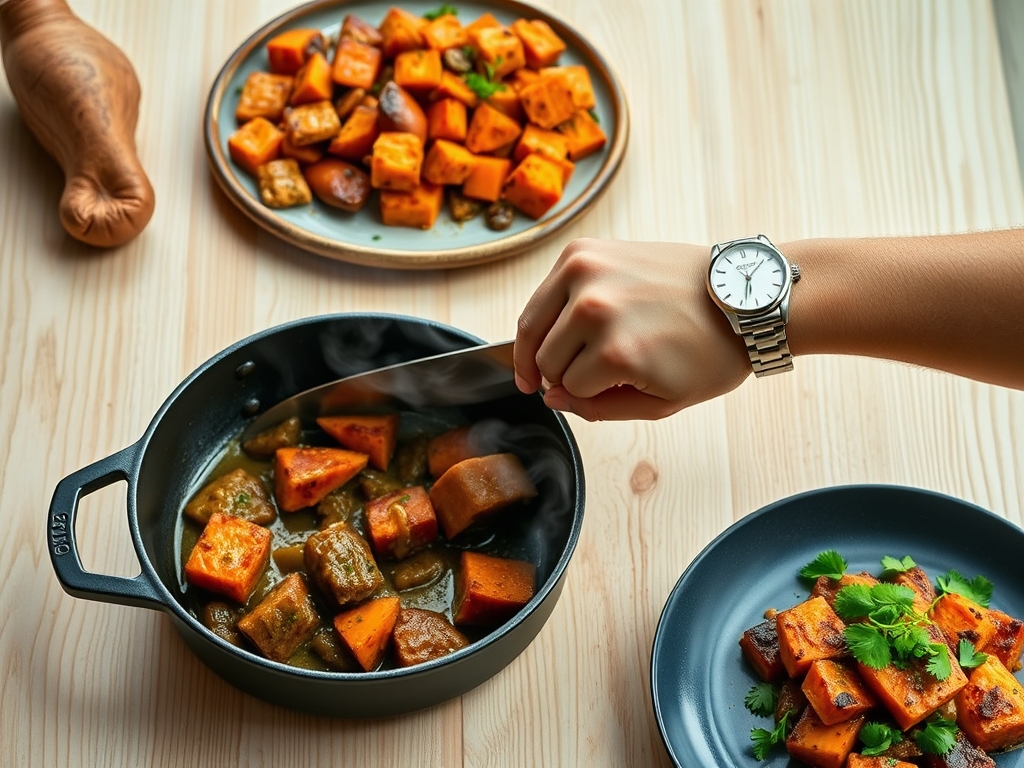
Begin by pricking the skins and roasting the potatoes whole at 400 degrees Fahrenheit. This method utilizes dry heat conduction to concentrate sugars rather than diluting them in boiling water.
Pro Tip: This stage triggers the amylase enzyme activity, which breaks down complex starches into maltose. By roasting whole, you trap steam inside the skin, effectively pressure-cooking the interior for a silkier finish.
2. The Infusion
While the potatoes roast, combine your cream, butter, and herbs in a saucier over low heat. Do not let it boil; you want to gently aerate the fat as it picks up the volatile oils from the herbs.
Pro Tip: Fat is a flavor carrier. By heating the aromatics in lipid-rich cream, you ensure the rosemary and sage notes are distributed evenly throughout the entire sweet potato recipes baked casserole.
3. The Mash and Emulsify
Once the potatoes are tender, peel them and pass them through a ricer or use a heavy-duty whisk. Slowly stream in the warm cream mixture while folding gently with a silicone spatula.
Pro Tip: Avoid over-working the mash. Excessive agitation can break the starch granules, releasing too much amylose and turning your elegant puree into a gluey, cohesive mess.
4. The Savory Topping
Mix your panko, melted butter, and spices. Spread this layer evenly across the top of the puree. Use a bench scraper to level the surface before sprinkling, ensuring every square inch gets an equal share of the crunch.
Pro Tip: This is where the Maillard reaction happens. The proteins in the breadcrumbs and the sugars in the potato surface react under high heat to create hundreds of new flavor compounds and that signature golden-brown crust.
5. The Final Bake and Rest
Slide the dish back into the oven at 375 degrees until the edges are bubbling and the top is shattered-glass crisp. Remove and let it sit for ten minutes before serving.
Pro Tip: Respect the thermal carryover. The internal temperature will continue to rise by 5 to 10 degrees after removal, allowing the proteins in the added cheese or eggs to fully set without becoming rubbery.
The Deep Dive
From a nutritional standpoint, this dish is a powerhouse of Vitamin A and fiber. One serving provides over 200 percent of your daily recommended intake of beta-carotene. To make this Vegan, utilize a high-quality plant butter and cashew cream; the high fat content in cashews mimics the proteins in dairy beautifully. For a Keto version, replace half the sweet potato with roasted cauliflower puree to lower the net carb count while maintaining the bulk.
The Fix-It:
- Too Runny: If your puree looks like soup, fold in a tablespoon of coconut flour. It is highly hygroscopic and will absorb excess moisture without altering the flavor.
- Too Bland: Increase the acid. A teaspoon of apple cider vinegar or lemon juice will brighten the sugars and make the savory spices pop.
- Burnt Topping: If the top browns too fast, tent the dish with foil. This redirects the radiant heat while allowing the interior to continue cooking via convection.
For Meal Prep, this casserole is a dream. You can assemble the entire dish (minus the topping) up to two days in advance. When reheating, add a splash of milk to restore the viscous texture, as starches tend to retrograde and toughen in the fridge.
The Wrap-Up
Mastering sweet potato recipes baked casserole style is a rite of passage for any home cook looking to blend scientific precision with soulful comfort. By focusing on the enzymatic breakdown of starches and the careful infusion of fats, you transform a humble tuber into a culinary masterpiece. Grab your tongs, fire up the oven, and get ready to be the hero of your next dinner party. Your kitchen is about to become the most delicious laboratory on the block!
The Kitchen Table
Can I make this casserole ahead of time?
Yes, you can assemble the base forty-eight hours in advance. Store it covered in the refrigerator. For the best texture, wait to add the crunchy topping until just before you slide the dish into the oven to prevent sogginess.
Why is my sweet potato casserole watery?
This usually happens if you boil the potatoes. Boiling allows water to infiltrate the starch cells. To fix this, roast the potatoes whole in their skins or sauté the puree in a heavy-bottomed skillet to evaporate excess moisture before baking.
What is the best potato for a savory bake?
Garnet or Jewel sweet potatoes are superior for casseroles. They have a high sugar and moisture content which creates a creamy, viscous texture. Avoid "true" yams or starchy white sweet potatoes, as they can result in a crumbly, dry mouthfeel.
How do I get a perfectly crispy topping?
Ensure your fat-to-crumb ratio is correct. Every piece of panko should be lightly coated in melted butter. Use the middle rack of your oven to allow even convection air circulation, ensuring the topping browns without burning the bottom.