
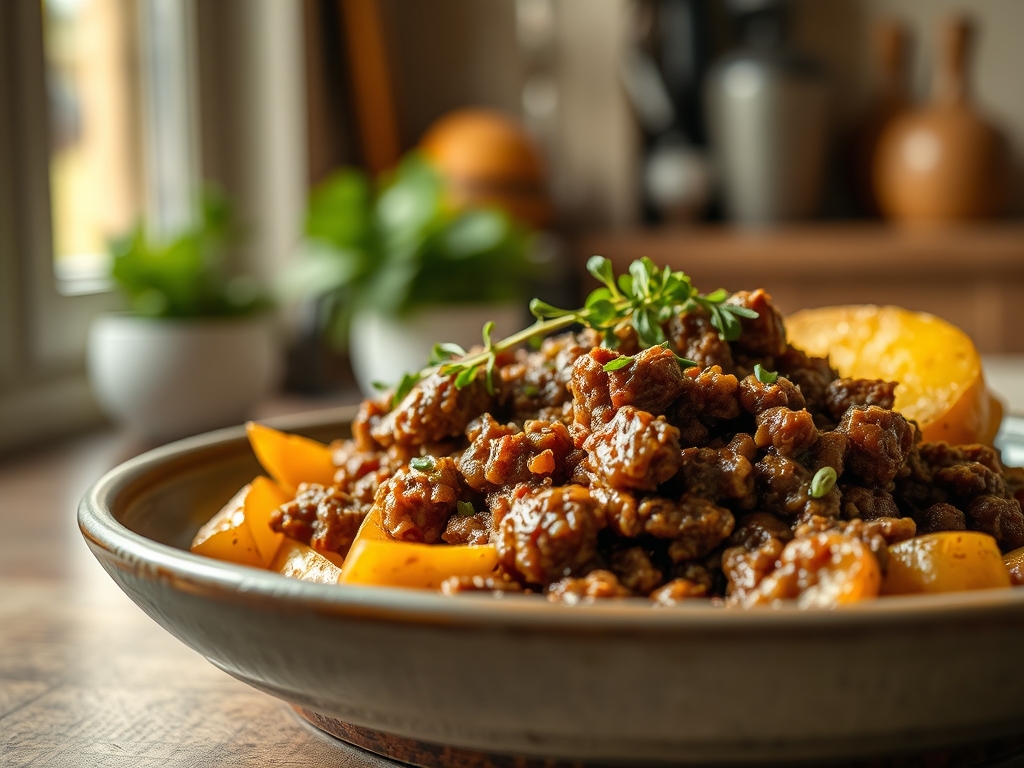
The sizzle of cold fat hitting a preheated heavy-bottomed skillet is the universal siren song of comfort. When the refrigerator looks sparse, simple ground beef and potato recipes transform humble staples into a textural masterpiece of crispy edges and savory juices. It is the ultimate culinary alchemy; you are turning basic starch and protein into a high-octane family dinner.
We have all been there. It is 6:00 PM, the hunger is real, and you need a win that does not involve a drive-thru. The beauty of these dishes lies in the Maillard reaction, that magical chemical transformation where amino acids and reducing sugars dance under high heat to create hundreds of different flavor compounds. By mastering a few technical moves, you can elevate a basic hash into a five-star experience that feels intentional rather than accidental.
In this guide, we are diving deep into the mechanics of the perfect skillet. We will talk about moisture management, the importance of surface area, and why your choice of potato determines the structural integrity of your entire meal. Grab your favorite apron and a glass of something cold; we are about to turn your kitchen into the best bistro in town.
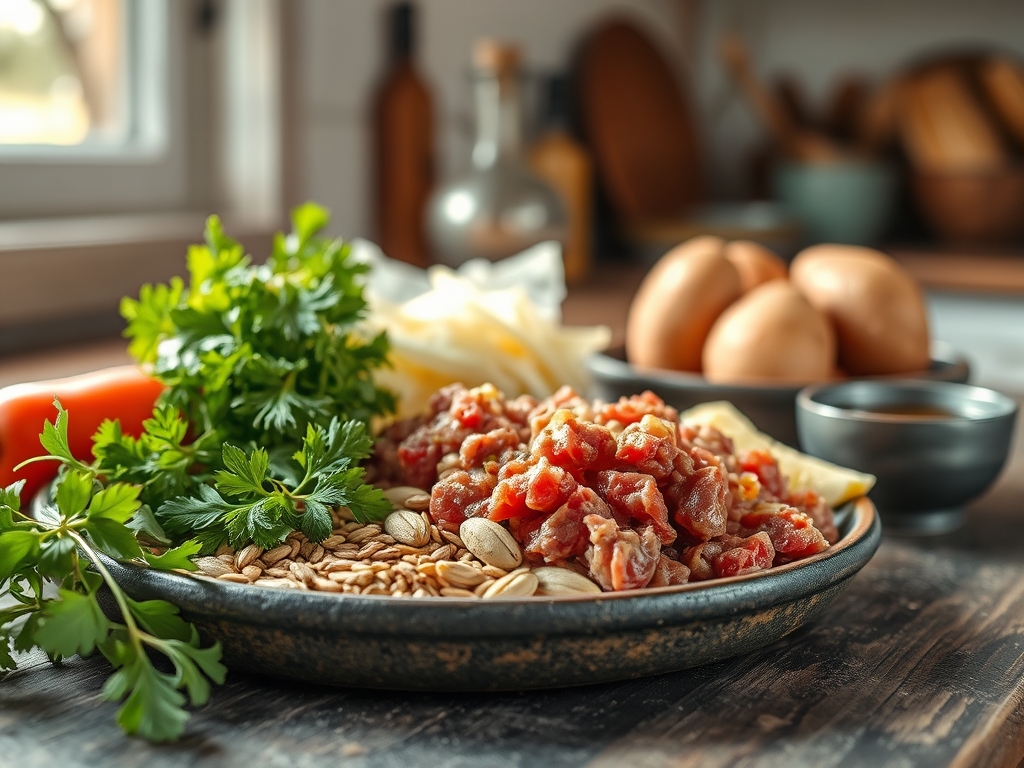
The Gathers:
To achieve professional results, your mise-en-place must be precise. Start with 1.5 pounds of ground beef, preferably an 80/20 blend. This specific ratio ensures enough intramuscular fat to render out, providing the conductive medium needed to crisp your potatoes without adding extra oil. For the starch, lean toward Yukon Golds. Their medium starch content offers a creamy interior while maintaining a resilient exterior during high-heat agitation.
You will also need a large yellow onion for its high sugar content, which aids in caramelization, and three cloves of garlic. For the aromatics, reach for fresh rosemary or thyme; the volatile oils in fresh herbs provide a piquant punch that dried versions simply cannot replicate. Do not forget a high-quality sea salt and freshly cracked black pepper. A microplane is essential here for grating your garlic into a fine paste, ensuring it integrates into the sauce without burning.
Smart Substitutions:
If you are looking to lighten the profile, ground turkey or bison works beautifully, though you may need to add a tablespoon of avocado oil to compensate for the lower fat content. For a lower glycemic index, swap the potatoes for cubed butternut squash or parsnips. If you find yourself out of fresh onions, a tablespoon of shallot confit or even a heavy pinch of asafetida can provide that necessary savory backbone.
The Clock
Efficiency in the kitchen is about "Chef's Flow," the art of overlapping tasks to minimize downtime. Expect a total time of 35 minutes. Your prep clock starts with 10 minutes of focused knife work; use a sharp chef knife to dice your potatoes into uniform half-inch cubes. Uniformity is not just for aesthetics; it ensures every piece reaches peak tenderness at the exact same moment.
The cooking phase takes approximately 25 minutes. We utilize a staggered entry system. The potatoes require the longest exposure to heat to break down their complex starches, while the beef needs a hard sear followed by a gentle finish. By the time the beef has reached a safe internal temperature, the potatoes should be golden and "fork-tender." This synchronized finish is the hallmark of a seasoned home cook.
The Masterclass
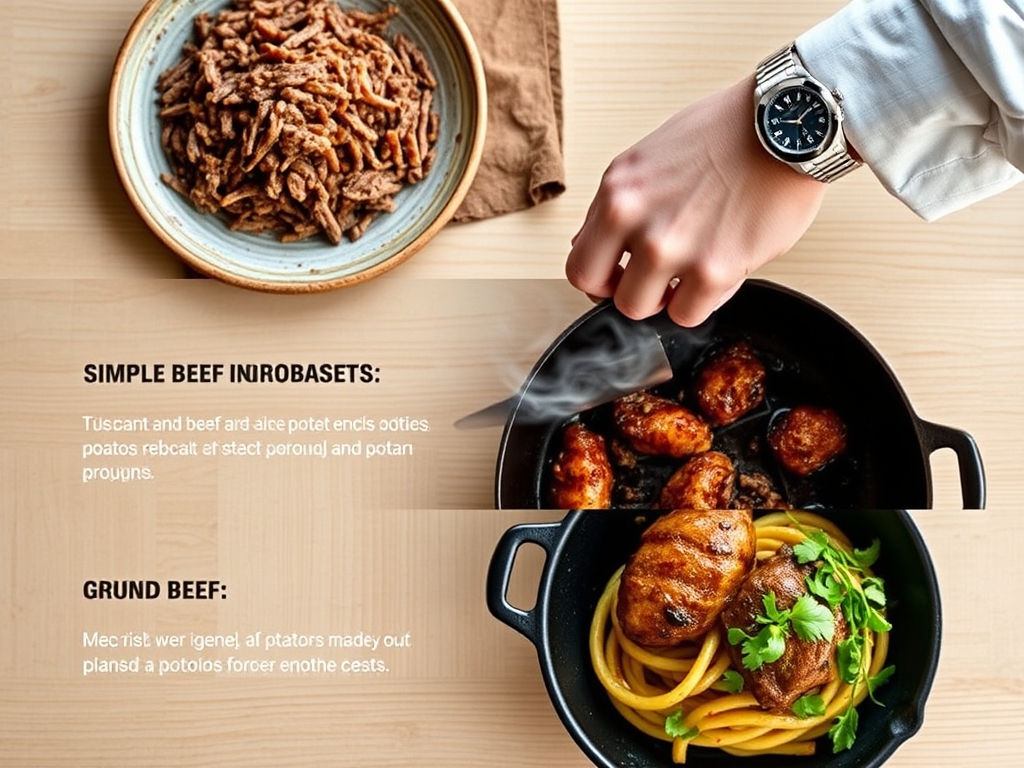
1. The Initial Sear
Place your heavy-bottomed skillet over medium-high heat until a drop of water dances and evaporates instantly. Add the ground beef in large chunks rather than breaking it up immediately. Let it sit undisturbed for three minutes to develop a deep, mahogany crust.
Pro Tip: This is the Maillard reaction in action. Moving the meat too early drops the pan temperature and causes the beef to steam in its own juices rather than sear, resulting in a gray, rubbery texture.
2. Rendering and Removal
Once seared, use a sturdy metal spatula to break the beef into smaller morsels. Continue cooking until the fat has fully rendered into a liquid state. Use a slotted spoon to transfer the beef to a bowl, leaving the liquid gold (the fat) in the pan.
Pro Tip: Removing the meat prevents overcooking. Beef protein fibers tighten and squeeze out moisture above 155 degrees Fahrenheit; keeping it in the pan while the potatoes cook would result in dry, "pebbly" meat.
3. The Potato Foundation
Add your diced potatoes into the hot beef fat. Spread them in a single layer to maximize surface contact. If the pan looks dry, add a splash of high-smoke-point oil. Season immediately with salt to draw out internal moisture through osmosis.
Pro Tip: Salt encourages enzymatic browning. By drawing moisture to the surface early, you allow the water to evaporate faster, leading to a quicker and more even golden-brown crust.
4. Aromatics and Integration
When the potatoes are nearly tender, push them to the perimeter and add your diced onions to the center. Once the onions are translucent, use your microplane to grate the garlic directly into the mix. Stir in your herbs and return the beef to the skillet.
Pro Tip: Garlic contains sulfur compounds that turn bitter if exposed to high heat for too long. Adding it at the end allows the residual heat to infuse the dish without scorching the delicate solids.
5. The Deglaze and Finish
Pour in a quarter cup of beef stock or a splash of dry red wine. Use your spatula to scrape up the "fond," those flavorful brown bits stuck to the bottom of the pan. Stir until the liquid has reduced to a viscous glaze that coats every ingredient.
Pro Tip: This process is called deglazing. The liquid acts as a solvent, dissolving the concentrated sugars and proteins on the pan surface and redistributing that intense flavor throughout the entire meal.
The Deep Dive
From a nutritional standpoint, this skillet is a powerhouse of bioavailable protein and complex carbohydrates. A standard serving provides roughly 35 grams of protein and a significant dose of potassium from the potatoes. For those following a Keto lifestyle, simply swap the potatoes for cauliflower florets or radishes, which mimic the texture of a potato when roasted. Vegan friends can utilize a pea-protein crumble and coconut oil, though you must add a teaspoon of smoked paprika to replicate the depth of beef fat.
If things go sideways, don't panic. If your potatoes are mushy, it is likely because you crowded the pan; next time, cook them in two batches. If the beef is too salty, add a squeeze of lemon juice; the acid masks the sodium perception. If the dish feels "flat," you likely skipped the deglazing step. Add a tablespoon of cold butter at the very end and stir vigorously to emulsify the remaining juices into a rich sauce.
For meal prep, the secret to "day-one" quality is the reheating method. Avoid the microwave, which turns potatoes into rubber. Instead, toss the leftovers back into a skillet with a teaspoon of water and cover with a lid. The steam will rehydrate the beef while the contact with the pan recrisps the potato skins.
The Wrap-Up
Mastering simple ground beef and potato recipes is about more than just filling a plate; it is about understanding the physics of your kitchen. When you respect the sear, value the aromatics, and use the right tools like a heavy-bottomed skillet, you transform basic ingredients into a culinary triumph. This dish is forgiving, flavorful, and fiercely satisfying. Now that you have the science down, go forth and sear with confidence!
The Kitchen Table
Why are my potatoes sticking to the pan?
Potatoes stick when the pan is not hot enough or if they are moved before a crust forms. The starch needs heat to undergo gelatinization and then crisping, which naturally releases the potato from the surface.
Can I use frozen potatoes for this recipe?
Yes, but thaw and pat them bone-dry first. Excess moisture creates steam, which prevents the Maillard reaction and results in a soggy texture rather than the desired golden-brown exterior.
What is the best way to drain excess grease?
Instead of pouring it down the drain, push the ingredients to one side and tilt the pan. Use a folded paper towel held by tongs to soak up the surplus fat safely and efficiently.
How do I make the beef extra flavorful?
Bloom your spices in the rendered fat before adding the potatoes. This "tempering" process releases fat-soluble flavor compounds in spices like cumin or paprika, resulting in a more complex and infused flavor profile.