
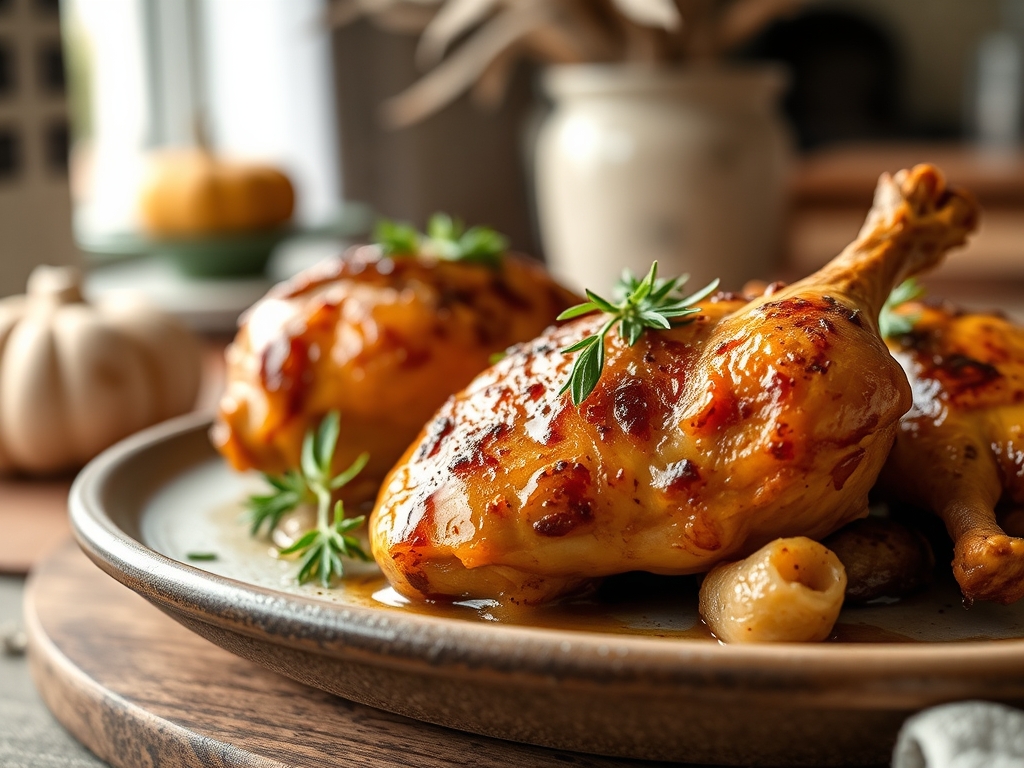
Picture the kitchen at three in the afternoon on a late November Thursday. The air is heavy with the scent of caramelized leeks and toasted sage. While the world obsesses over massive, dry birds that take twelve hours to thaw; we are playing a smarter game. These thanksgiving chicken recipes are about precision, moisture, and that glorious, shattered-glass skin that only a smaller bird can achieve. We are trading the stress of a twenty pound project for the elegance of perfectly rendered poultry. Whether you are hosting a cozy "Friendsgiving" or simply want a meal where the meat actually tastes like something, switching to chicken allows for deeper flavor penetration and a significantly more controlled Maillard reaction. We are not just making dinner; we are engineering a masterpiece of salt, fat, acid, and heat. By the time the first bottle of Pinot Noir is uncorked, your kitchen will smell like a five star bistro, and you will be the coolest, most collected person in the room.
The Gathers:
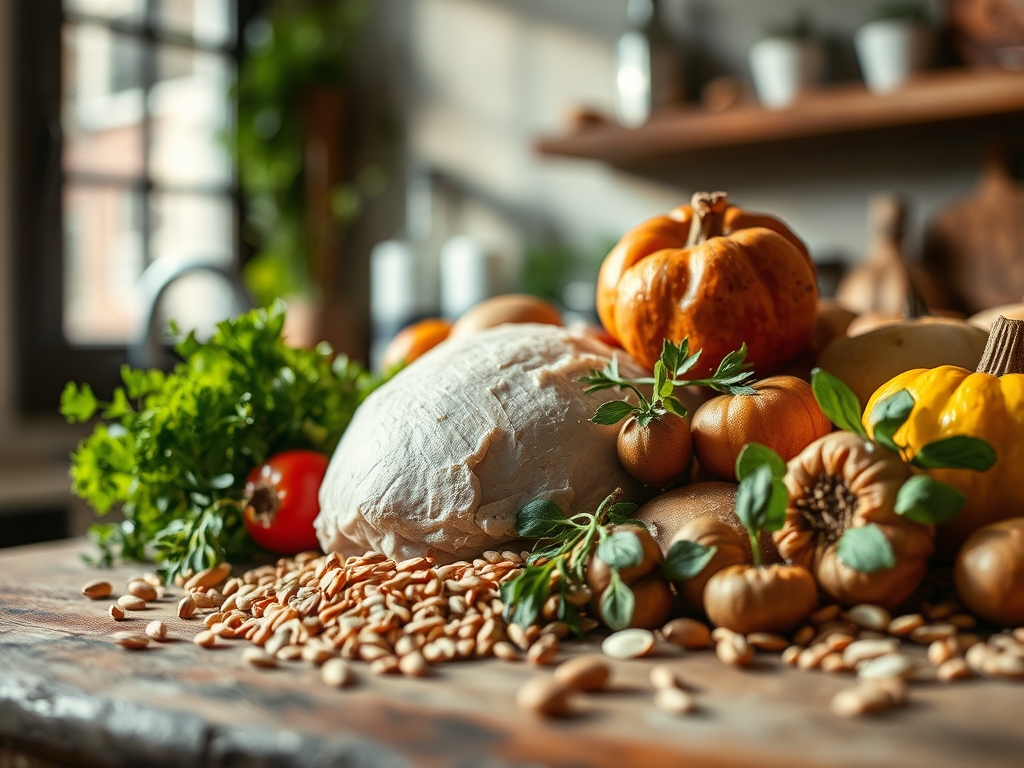
To execute these thanksgiving chicken recipes with surgical precision, your mise-en-place must be flawless. Start with your protein: look for air-dried, organic roasting chickens. Unlike water-chilled birds, air-dried poultry has a lower moisture content in the skin, which is the secret to achieving a viscous, golden lacquer during roasting. You will need a bouquet of hardy aromatics: rosemary, thyme, and sage. These contain essential oils like eucalyptol and camphor that become more piquant when exposed to heat.
For the fats, reach for high-quality unsalted butter and a neutral oil with a high smoke point, such as grapeseed. You will also need a "flavor arsenal" consisting of Meyer lemons for acidity, garlic bulbs to be roasted into a sweet paste, and a bottle of dry white wine to deglaze the fond from your heavy-bottomed skillet.
Smart Substitutions:
If you are avoiding dairy, swap the butter for a high-quality duck fat; it provides a similar richness and an even higher smoke point for superior browning. If fresh herbs are scarce, use a microplane to zest dried citrus peel into your salt rub to brighten the profile. For a low-sodium approach, increase the umami by adding a teaspoon of mushroom powder to your dry brine.
The Clock: Timing the Chef's Flow
Efficiency in the kitchen is about managing thermal energy and recovery times. For these thanksgiving chicken recipes, your active prep time is approximately 45 minutes, but the "Chef's Flow" spans 24 hours. The most critical window is the overnight dry brine. This allows the salt to denature the protein strands, ensuring the meat stays succulent even at high temperatures.
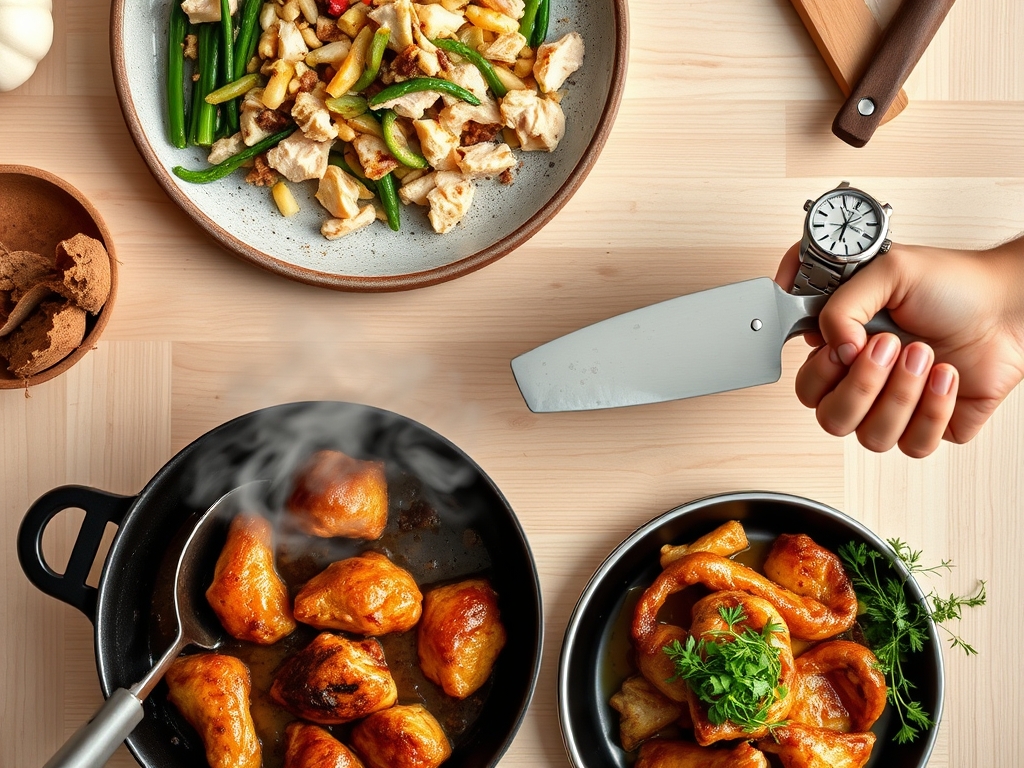
On the day of the feast, your roasting time will vary between 60 to 90 minutes depending on the weight of the bird. However, the most overlooked phase is the 20-minute rest period. During this time, the internal juices, which have been pushed to the center of the bird by the heat, redistribute back toward the surface. If you carve too early, you lose that moisture to the cutting board. Use a digital scale to measure your ingredients and a saucier to whisk your gravy while the bird rests; this ensures every component hits the table at the perfect temperature.
The Masterclass:
1. The Strategic Dry Brine
Pat the chicken completely dry using paper towels. Generously coat the skin and the cavity with a mixture of kosher salt and cracked black pepper. Place the bird on a wire rack over a sheet pan and refrigerate uncovered for at least 12 hours.
Pro Tip: This process uses osmosis to draw moisture out of the skin and then pull the seasoned brine deep into the muscle fibers, resulting in seasoned meat and parchment-thin, crispy skin.
2. Compound Butter Application
Using your fingers, gently separate the skin from the breast meat without tearing it. Insert a compound butter made of softened fat, minced herbs, and lemon zest directly onto the meat.
Pro Tip: This creates a fat barrier that protects the lean breast meat from overcooking while the legs and thighs reach their higher target temperature. It is a form of localized insulation.
3. Searing for Depth
Before the bird hits the oven, sear it in a heavy-bottomed skillet with a splash of oil. Focus on the underside and the sides to jumpstart the color.
Pro Tip: This initiates the Maillard reaction, a chemical reaction between amino acids and reducing sugars that gives browned food its distinctive, savory flavor profile.
4. The Aromatics Infusion
Stuff the cavity with halved lemons, a head of garlic cut crosswise, and a bundle of herbs. Do not overstuff, as air must be able to circulate to ensure even cooking.
Pro Tip: As the chicken heats up, these aromatics release steam that infuses the meat from the inside out, providing a delicate perfume that balances the heavy fats.
5. Precision Roasting
Place the bird in a preheated 425 degree Fahrenheit oven. Use a probe thermometer to monitor the internal temperature of the thickest part of the thigh.
Pro Tip: High-heat roasting encourages the skin to render its fat quickly, which then bastes the meat as it drips down.
6. The Glaze and Deglaze
During the last ten minutes, brush the skin with a reduction of honey and balsamic vinegar. Once the chicken is removed, use a bench scraper to loosen the bits at the bottom of the pan and add wine to create a pan sauce.
Pro Tip: Deglazing captures the fond, the concentrated browned proteins at the bottom of the pan, which contains the highest density of flavor in the entire dish.
7. The Rest and Recovery
Transfer the chicken to a warm platter. Tent it loosely with foil, but do not seal it tightly, or the steam will soften the crispy skin you worked so hard to achieve.
Pro Tip: Thermal carryover will cause the internal temperature to rise by another 5 to 10 degrees after the bird is removed from the oven.
The Deep Dive:
Macro Nutrition
A standard serving of roasted chicken provides approximately 30 grams of high-quality protein and 15 grams of fat. It is naturally low in carbohydrates, making it an excellent anchor for a festive meal. By using the skin-on method, you are also consuming collagen, which is beneficial for joint health.
Dietary Swaps
For a Keto version, ensure your glaze is made with allulose or simply stick to a herb-butter finish. For Vegan guests, use the same aromatic roasting technique on large cauliflower steaks or "hen of the woods" mushrooms. To keep it Gluten-Free, thicken your pan sauce with a cornstarch slurry or a reduction method rather than a traditional flour roux.
The Fix-It: Common Pitfalls
- Soggy Skin: This usually happens because the bird was crowded in the pan or not dried properly. Fix: Use a wire rack to allow 360-degree airflow.
- Dry Breast Meat: If the breasts finish long before the thighs, cover them with a small piece of foil to deflect heat.
- Broken Sauce: If your gravy separates, it means the emulsion has failed. Fix: Vigorously whisk in a tablespoon of cold water or a splash of heavy cream to aerate and re-bind the fats.
Meal Prep and Reheating
To maintain "day-one" quality, reheat leftover chicken in a 300 degree oven with a splash of chicken stock in the pan. Cover with foil to prevent further browning. This gentle method prevents the proteins from tightening up and becoming rubbery.
The Wrap-Up:
Mastering these thanksgiving chicken recipes is about more than just cooking; it is about reclaiming the joy of the holiday. By focusing on technical skills like the dry brine and the Maillard reaction, you elevate a simple bird into a centerpiece worthy of any celebration. You have the tools, the science, and the flavor profiles to make this year the most delicious one yet. Now, grab those tongs, preheat your oven, and let the magic happen.
The Kitchen Table:
Can I use frozen chicken for these recipes?
Yes, but it must be completely thawed in the refrigerator for 24 to 48 hours. Ensure you pat it extremely dry to remove excess moisture from the freezing process before applying your dry brine or seasonings.
What is the best way to get crispy skin?
The secret is air-drying. Salt the chicken and leave it uncovered in the fridge overnight. This dehydrates the skin's surface, allowing it to crisp instantly when it hits the high heat of the oven.
How do I know when the chicken is perfectly done?
Use a digital meat thermometer. The thickest part of the thigh should register 165 degrees Fahrenheit. Remember that carryover cooking will raise the temperature slightly while the bird rests on the counter.
What should I do if my pan drippings burn?
If the drippings start to smoke or turn black, add a half-cup of water or stock to the pan. This lowers the temperature of the fat and prevents the flavorful fond from turning bitter and unusable for gravy.