
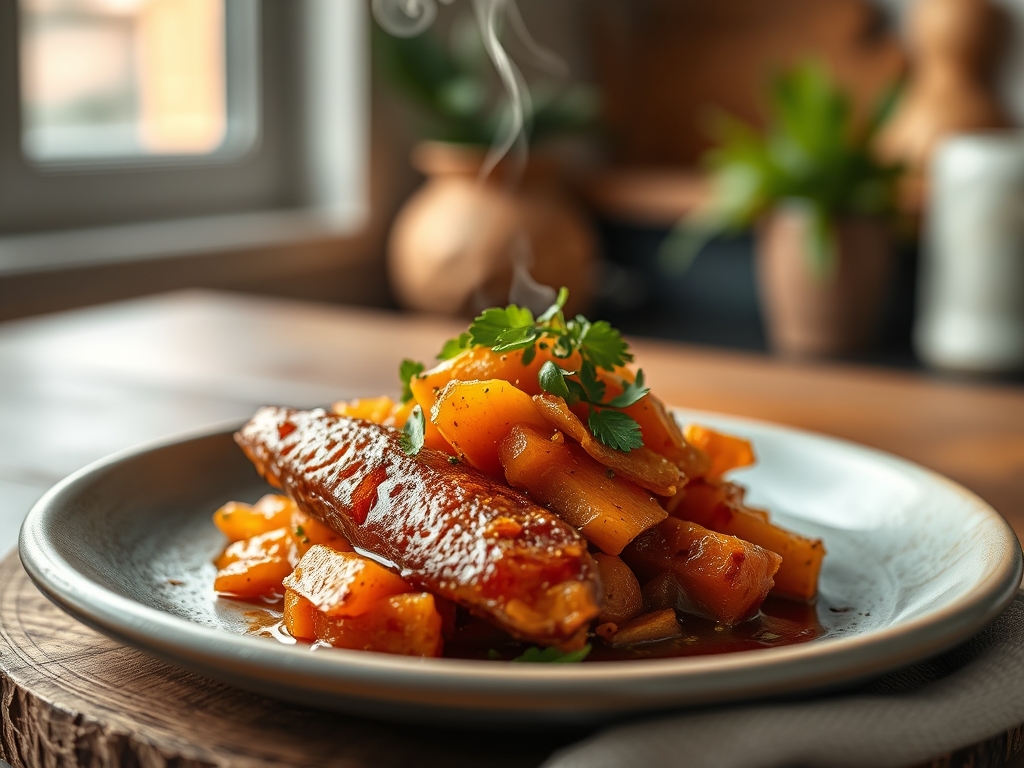
Imagine the scent of caramelized sugar and warm nutmeg swirling through a kitchen as the sun dips below the horizon. That specific, heady aroma is the hallmark of the most iconic sweet potato recipes soul food traditions have ever produced. It is more than just dinner; it is a masterclass in chemistry and heritage. We are diving deep into the soul of the tuber today.
The sweet potato is a culinary marvel. Unlike its distant cousin the russet, this root is packed with complex polysaccharides that transform into simple sugars when heat is applied. When you bake or fry these gems, you are not just cooking; you are facilitating a series of chemical reactions that result in that signature velvety texture. Whether you are craving a silky pie, a jaggedly crisp fry, or a slow-simmered candied yam, the secret lies in understanding how to manipulate starch and moisture. We are going to explore nine distinct ways to elevate this humble root into a masterpiece that would make any grandmother proud while keeping our scientific hats firmly on. Get your heavy-bottomed skillet ready. We are about to turn "just a side dish" into the main event.
The Gathers:
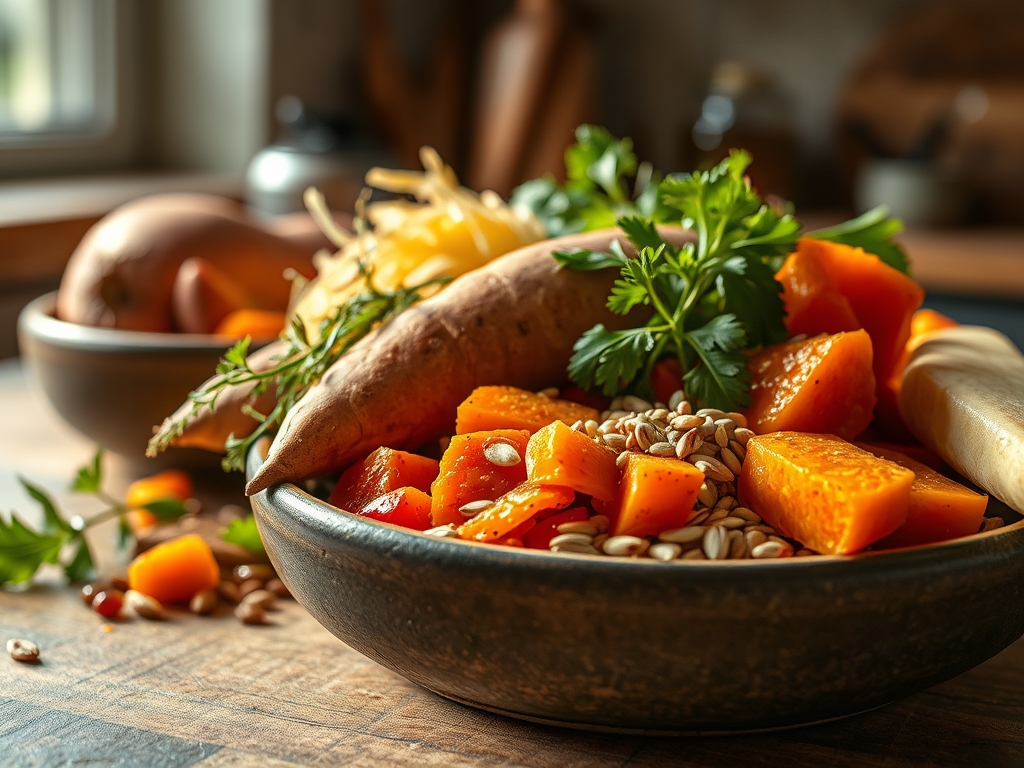
To achieve professional results, your mise-en-place must be precise. Start with firm, copper-skinned Beauregard or Jewel sweet potatoes. These varieties have a high moisture content which is essential for achieving a viscous consistency in mashes and pies. You will also need high-fat European butter (aim for 82 percent butterfat) to ensure a rich mouthfeel. For the aromatic profile, gather fresh-grated nutmeg, Ceylon cinnamon, and Madagascar vanilla bean paste. The paste provides those beautiful black specks and a more intense flavor than standard extract.
For the structural elements, keep heavy cream and pasture-raised eggs at room temperature. Cold dairy can cause your fats to seize, ruining the emulsification of your batter. If you are looking for smart substitutions, you can swap granulated sugar for dark muscovado sugar. The higher molasses content in muscovado adds a piquant, smoky depth that mimics long-term caramelization. For a vegan swap, use full-fat coconut cream; its high saturated fat content mimics the structural integrity of dairy butter when chilled. Use a microplane to zest your citrus and grate your spices fresh. The volatile oils in pre-ground spices dissipate quickly, but fresh-grated nutmeg offers a chemical punch that defines the dish.
The Clock
Efficiency in the kitchen is all about the "Chef's Flow." Total active prep time for these masterpieces generally spans 45 minutes, but the total time can reach two hours depending on the roasting method. Roasting the potatoes in their skins is a non-negotiable step for flavor. This takes approximately 60 minutes at 400 degrees Fahrenheit. While the tubers roast, use that time to prepare your spice blends and aerate your dry ingredients.
The "flow" dictates that you should never be standing still. While the potatoes undergo thermal decomposition in the oven, you should be browning your butter in a saucier or prepping your crusts. Allow for a 20-minute cooling period before handling the skins. This prevents the steam from burning your hands and allows the starches to set slightly, making the peeling process cleaner. If you are making the candied version, the stovetop simmer requires a steady 30 minutes to render the syrup into a thick, glass-like glaze.
The Masterclass
1. The Roasting Foundation
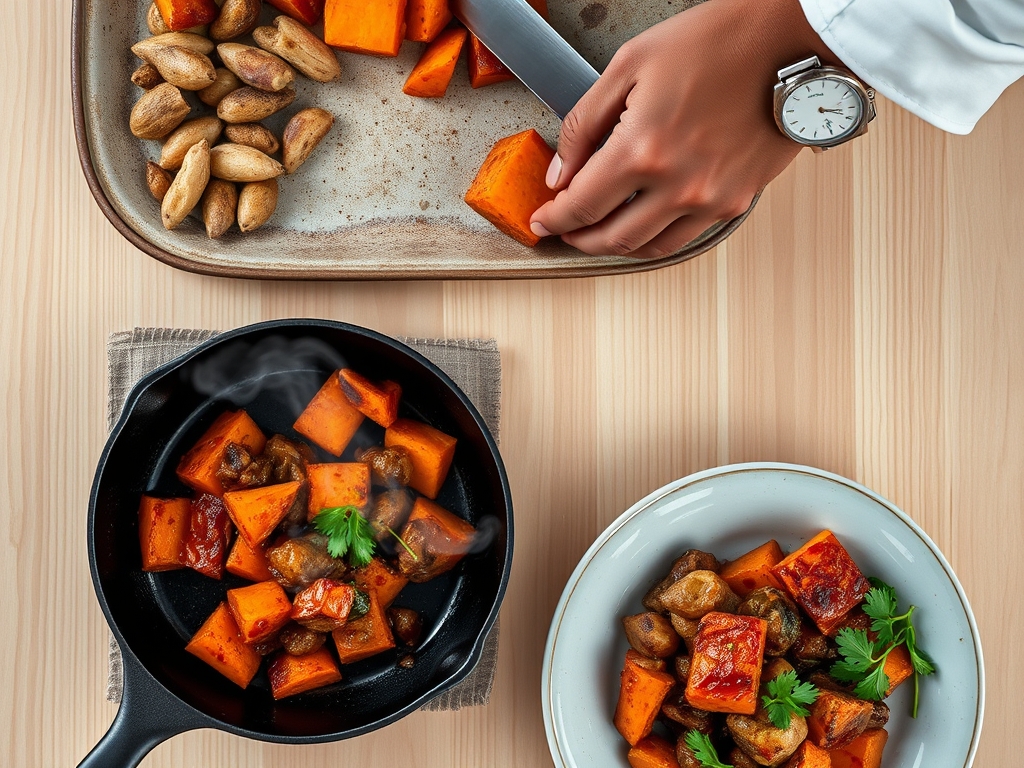
Place your scrubbed potatoes on a parchment-lined sheet pan. Do not wrap them in foil; foil steams the skin, but open-air roasting allows for the Maillard reaction to occur on the surface. Roast until the internal temperature reaches 210 degrees Fahrenheit.
Pro Tip: High-heat roasting triggers enzymatic browning, converting starches into maltose. This creates a natural sweetness that reduces the need for added refined sugars.
2. The Silky Mash
Peel the warm potatoes and pass them through a ricer or food mill. This prevents the development of long-chain starches that make potatoes gummy. Fold in your room-temperature butter and cream using a silicone spatula.
Pro Tip: Using a ricer ensures a uniform particle size, which facilitates a perfect colloidal suspension of fat and fiber for a velvet texture.
3. The Caramelized Glaze
For candied yams, slice the potatoes into uniform discs. Place them in a heavy-bottomed skillet with butter, sugar, and a splash of lemon juice. The acid in the lemon prevents the sugar from recrystallizing.
Pro Tip: This is a process of osmosis. The sugar draws moisture out of the potato, which then mixes with the butter to create a self-basting syrup.
4. The Soufflé Lift
Incorporate whipped egg whites into your sweet potato base. Use a gentle folding motion to preserve the air bubbles. This adds a light, ethereal quality to an otherwise dense root vegetable.
Pro Tip: The protein structure in the egg whites provides structural support as the air expands in the oven; don't over-mix or you'll collapse the protein matrix.
5. The Spiced Infusion
Heat your spices in a dry pan for 30 seconds before adding them to the mash. This "blooms" the spices, releasing the fat-soluble compounds that carry the flavor.
Pro Tip: Heat triggers the release of essential oils like cinnamaldehyde; this ensures the flavor is distributed evenly throughout the fat molecules of the dish.
6. The Crust Connection
If making a pie or tart, blind-bake your crust first. Use a bench scraper to handle the dough, keeping the butter cold to ensure a flaky, laminated texture.
Pro Tip: Blind-baking prevents the "soggy bottom" by creating a moisture barrier of cooked starch before the wet filling is added.
7. The Surface Brûlée
Sprinkle a thin layer of sugar over your finished dish and use a kitchen torch or the broiler to melt it. This creates a textural contrast between the soft interior and a glass-like top.
Pro Tip: This is pure pyrolysis. The sugar molecules break down and reform into complex bitter-sweet compounds that add sophisticated depth.
8. The Acid Balance
Finish your savory sweet potato dishes with a drop of apple cider vinegar or a squeeze of lime. This cuts through the heavy lipids and brightens the palate.
Pro Tip: Acid acts as a flavor enhancer by stimulating the salivary glands, which helps transport flavor molecules to your taste buds more efficiently.
9. The Resting Phase
Allow any baked sweet potato dish to rest for at least 15 minutes before serving. This allows the internal steam to redistribute and the pectin to firm up.
Pro Tip: This utilizes carryover cooking. The residual heat continues to set the center without overcooking the edges, ensuring a consistent bite.
The Deep Dive
From a nutritional standpoint, sweet potatoes are a powerhouse of Beta-carotene and fiber. However, when we transform them into soul food masterpieces, the caloric density increases due to the lipids and sugars. To keep it lighter, you can substitute half the butter with Greek yogurt for a protein boost and a tangy finish. For those following a Keto lifestyle, the sweet potato is generally too high in carbohydrates; however, small portions can be incorporated if you balance the rest of your day. For a Gluten-Free masterpiece, ensure your thickeners are arrowroot powder or cornstarch rather than wheat flour.
The Fix-It:
If your filling is too runny, do not panic. Whisk in a teaspoon of cornstarch dissolved in cold water (a slurry) and heat gently; the starch granules will swell and absorb the excess liquid. If your candied yams are grainy, your sugar has crystallized. Add a tablespoon of water and a dash of lemon juice, then simmer on low to re-dissolve the crystals. If the top is browning too fast, tent the dish with foil to reflect the radiant heat while the interior finishes cooking.
Meal Prep:
Sweet potato dishes actually improve after 24 hours. The flavors have time to infuse and the starches undergo retrogradation, making the texture heartier. To reheat, use the oven at 350 degrees rather than the microwave. The oven preserves the moisture balance, while the microwave can cause the sugars to become unpleasantly chewy.
The Wrap-Up
Mastering sweet potato recipes soul food style is a journey through flavor, science, and love. By understanding the chemistry of the Maillard reaction and the physics of a perfect emulsification, you have graduated from a home cook to a culinary scientist. These nine techniques provide a foundation for a lifetime of kitchen wins. Now, go grab that digital scale, weigh out your ingredients, and create something legendary. Your kitchen is waiting for its next masterpiece.
The Kitchen Table
Why are my candied yams watery?
This usually happens when the potatoes are boiled instead of simmered in syrup. The water from the potatoes dilutes the glaze. Use a heavy-bottomed skillet to evaporate excess moisture and concentrate the sugars into a thick, viscous syrup.
Can I use canned sweet potatoes for these recipes?
You can, but the texture will be significantly softer and less complex. Canned versions are often packed in syrup, which alters the sugar balance. If using them, rinse thoroughly and reduce the added sugar in your recipe to compensate.
How do I prevent my sweet potato pie from cracking?
Cracks are caused by overcooking, which makes the egg proteins tighten and pull apart. Pull the pie from the oven when the center still has a slight jiggle. Thermal carryover will finish the cooking process perfectly on the counter.
What is the best way to peel roasted sweet potatoes?
Let them cool for ten minutes after roasting. Use a paring knife to make a shallow slit down the length of the skin. The skin should slip off in large pieces because the steam has separated it from the flesh.