
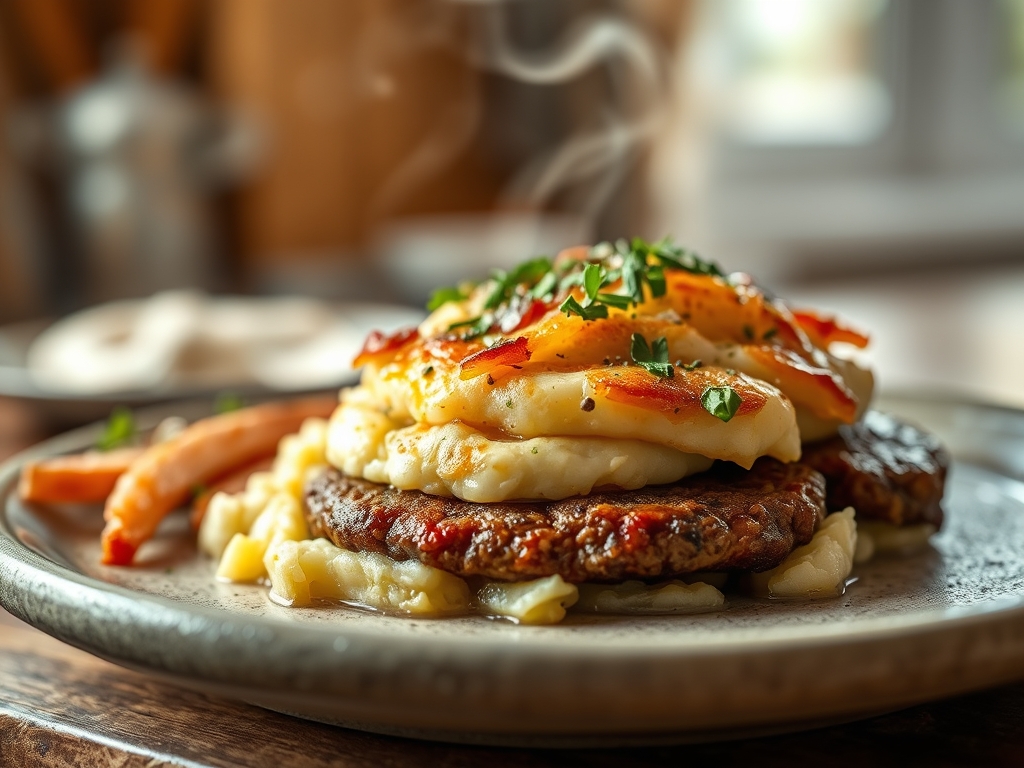
Picture a rainy Tuesday evening where the air smells of ozone and the only cure for a long day is the rhythmic sizzle of a heavy bottomed skillet. There is a primal magic in hamburger mashed potato recipes; they are the culinary equivalent of a cashmere blanket. We are talking about the ultimate intersection of protein and starch.
The beauty of these dishes lies in their structural simplicity. When you press a cold patty onto a searing hot surface, you are not just cooking dinner; you are initiating a complex chemical transformation. The Maillard reaction creates hundreds of flavor compounds that find their perfect partner in the creamy, pillowy embrace of whipped spuds. This is soulful, high density comfort that relies on technique rather than expensive ingredients. Whether you are craving a classic Shepherd's Pie or a deconstructed Salisbury steak, mastering the balance of fat, salt, and acid will elevate these humble staples into restaurant quality fare.
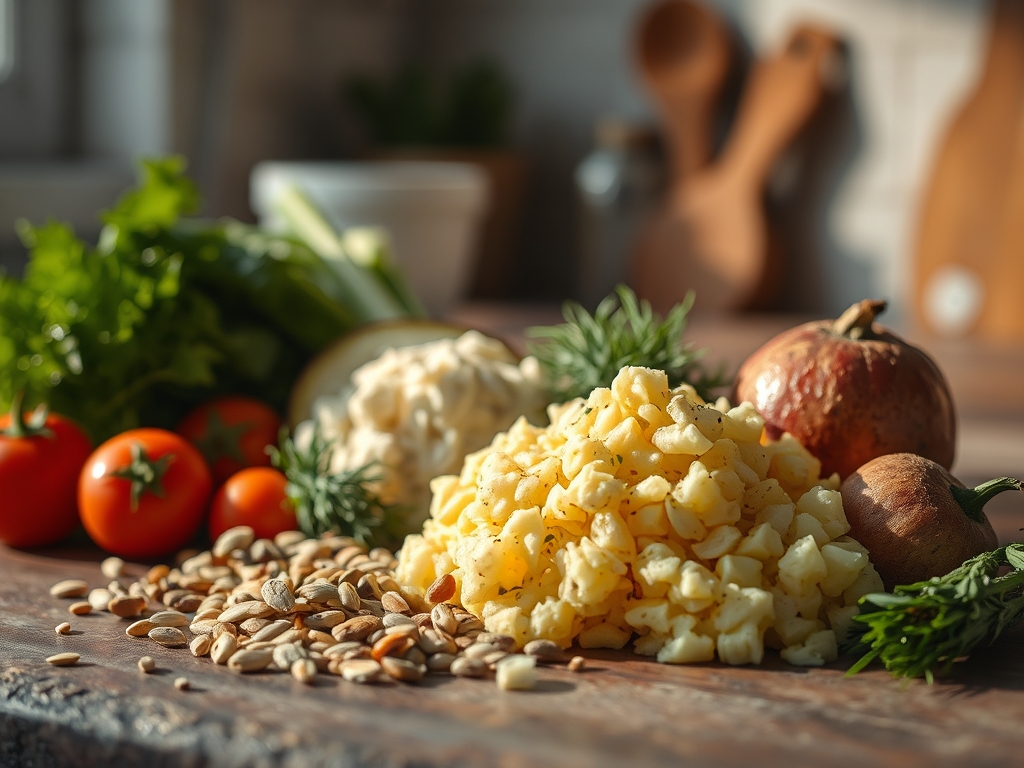
The Gathers:
To achieve a professional result, your mise en place must be precise. Start with the beef. Look for an 80/20 lean to fat ratio. This specific percentage ensures enough lipids to render out, creating a natural base for your gravy without the meat becoming dry or granular. For the potatoes, high starch varieties like Russets or Yukon Golds are non negotiable. Russets provide a light, fluffy texture due to their high amylose content, while Yukons offer a buttery, viscous mouthfeel.
Your aromatics should include yellow onions, which have a high sugar content for caramelization, and garlic cloves that you will crush with a flat knife blade to release allicin. Fresh thyme and rosemary provide a woody, resinous backbone to the savory beef. For the liquid gold (the gravy), you will need a high quality beef bone broth and a splash of Worcestershire sauce for that essential piquant kick.
Smart Substitutions:
If you are lightening the load, ground turkey works beautifully if you add a teaspoon of umami paste or mushrooms to mimic the beefy depth. For a lower carb profile, a cauliflower puree thickened with a touch of cream cheese can stand in for the potatoes. If you find yourself out of heavy cream for the mash, a dollop of Greek yogurt adds a lovely tang and a protein boost while maintaining a silky texture.
The Clock:
Efficiency in the kitchen is all about the Chef's Flow. This isn't just about speed; it is about the logical sequencing of heat. Total active prep time for most hamburger mashed potato recipes sits at 20 minutes, with a total cook time of 40 minutes.
The flow begins with the potatoes. Since they require a cold start in salted water to ensure even starch gelatinization, get them on the stove first. While they simmer, you move to the protein. By the time your beef is browned and the aromatics are translucent, your potatoes will be ready to drain and aerate. This overlap ensures that both components reach the plate at their thermal peak. Never let your potatoes sit in water after they are done; the excess moisture will break down the cellular structure and turn your mash into a gummy paste.
The Masterclass:
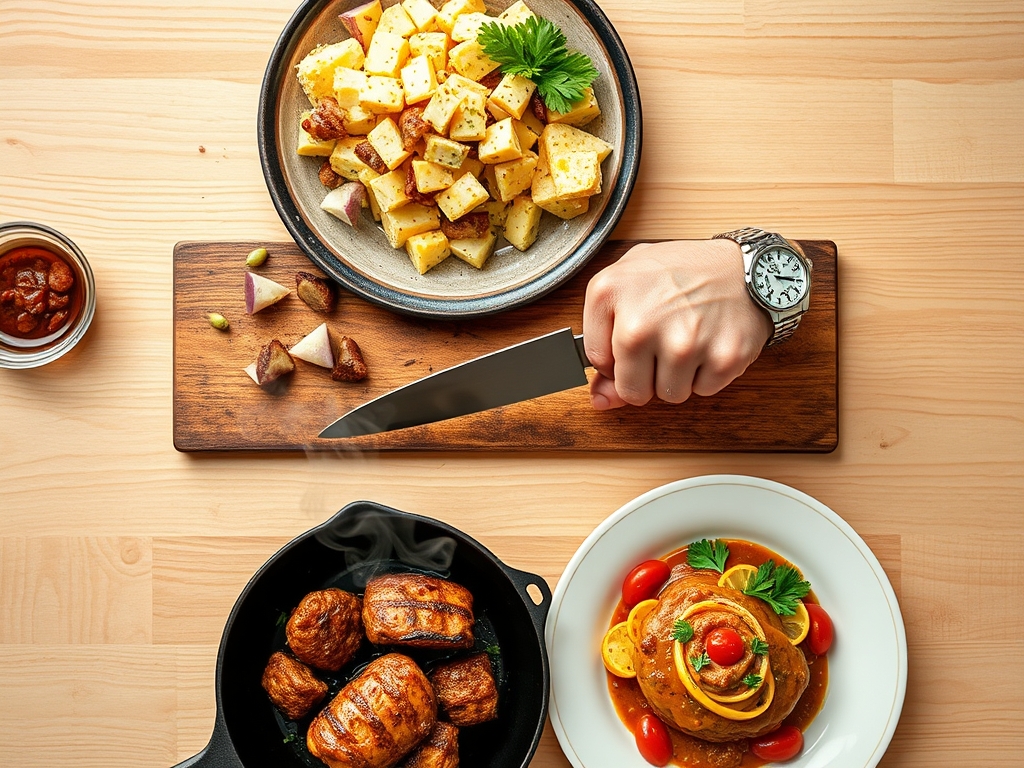
1. The Sear and Render
Place your heavy bottomed skillet over medium high heat. Once the pan is shimmering, add the ground beef. Do not crowd the pan; if the meat is too crowded, it will steam in its own juices rather than brown. Use a sturdy spatula to break the meat into uniform morsels.
Pro Tip: This stage is all about enzymatic browning. By letting the meat sit undisturbed for the first three minutes, you allow the surface proteins to bond with sugars, creating a deep brown crust that is the foundation of flavor.
2. Deglazing the Fond
After removing the browned meat, you will see dark bits stuck to the bottom of the pan. This is called the fond. Add your diced onions and use a wooden spoon to scrape these bits up as the onions release their moisture.
Pro Tip: This process is called deglazing. The fond contains concentrated flavor molecules that, when reincorporated into the sauce, provide a complexity that salt alone cannot achieve.
3. The Starch Preparation
While the meat base simmers, drain your potatoes and return them to the hot pot for sixty seconds. This allows residual steam to escape. Use a potato ricer or a food mill rather than a hand mixer to process them.
Pro Tip: Using a ricer prevents the overworking of potato starches. If you use a high speed mixer, you risk shearing the starch granules, which releases amylopectin and creates a gluey, unappetizing texture.
4. Emulsifying the Mash
Slowly incorporate warm butter and milk into the riced potatoes. Using cold dairy will shock the starches and cause the texture to tighten. Fold the liquid in gently with a silicone spatula until the mixture is glossy.
Pro Tip: This is a classic emulsification. By adding the fat (butter) first to coat the starch molecules, you create a barrier that prevents the milk from making the potatoes soggy.
5. Building the Gravy
Sprinkle a tablespoon of flour over your sautéed aromatics to create a roux. Cook for two minutes to remove the raw flour taste, then slowly whisk in your beef broth. Simmer until the sauce is thick enough to coat the back of a spoon.
Pro Tip: This is the nappe stage. The flour starches swell and trap water molecules, creating a stable, thickened sauce that won't separate when it hits the warm potatoes.
6. The Final Assembly
Fold the cooked beef back into the gravy. Taste for seasoning and add a final pinch of sea salt or a crack of black pepper. Spoon a generous portion of the beef mixture over a mountain of mashed potatoes.
Pro Tip: Remember thermal carryover. The sauce will continue to thicken as it cools slightly on the plate, so pull it off the heat when it is just slightly thinner than your desired final consistency.
The Deep Dive:
Macro Nutrition:
A standard serving provides roughly 35 grams of protein, 40 grams of carbohydrates, and 22 grams of fat. It is a balanced "recovery" meal, offering high levels of potassium from the potatoes and zinc from the beef.
Dietary Swaps:
- Vegan: Use "impossible" crumbles and swap butter for olive oil and coconut milk in the mash. Use mushroom broth for the gravy.
- Keto: Replace potatoes with mashed cauliflower and use xanthan gum as a thickener for the gravy instead of flour.
- GF: Ensure your beef broth is certified gluten free and use cornstarch or arrowroot powder as your thickening agent.
The Fix-It:
- Lumpy Mash: If you missed the ricer step, pass the finished mash through a fine mesh sieve (chinois) to remove any remaining solids.
- Broken Gravy: If the fat separates, whisk in a tablespoon of boiling water or a splash of heavy cream to re emulsify the sauce.
- Bland Beef: Add a teaspoon of tomato paste or a drop of soy sauce. The glutamates will provide an instant savory lift.
Meal Prep Science:
To reheat while maintaining "day one" quality, avoid the microwave if possible. Reheat the beef in a small saucier with a splash of water to loosen the gravy. For the potatoes, add a teaspoon of milk and heat them in a covered dish in the oven at 300 degrees Fahrenheit to prevent the edges from drying out.
The Wrap-Up:
There you have it; the definitive guide to mastering hamburger mashed potato recipes. We have covered everything from the molecular mechanics of the Maillard reaction to the physics of a perfect emulsified mash. Cooking is a science, but eating is an art. Next time you are standing at your stove with your favorite wooden spoon, remember that you aren't just making dinner; you are engineering a moment of pure, unadulterated joy. Go forth, get that skillet screaming hot, and feed your soul.
The Kitchen Table:
How do I prevent my mashed potatoes from becoming gummy?
Always use a potato ricer and avoid over mixing. Gumminess is caused by damaged starch cells releasing too much amylopectin. Using starchy Russet potatoes and handling them gently with a spatula ensures a light, fluffy texture every time.
Can I make the beef mixture ahead of time?
Yes, the beef and gravy actually improve after 24 hours in the fridge as the flavors marry. Store it in an airtight container and reheat slowly on the stove, adding a splash of broth to restore the original viscosity.
What is the best way to thicken the gravy without flour?
Use a cornstarch slurry (equal parts cornstarch and cold water) or a reduction method. Simmering the sauce longer allows water to evaporate, concentrating the flavors and thickening the liquid naturally through the reduction of proteins and fats.
Why should I start potatoes in cold water?
Starting in cold water ensures the potato cooks evenly from the outside in. If you drop them into boiling water, the exterior will overcook and disintegrate before the center is tender, leading to an uneven, lumpy mash.