
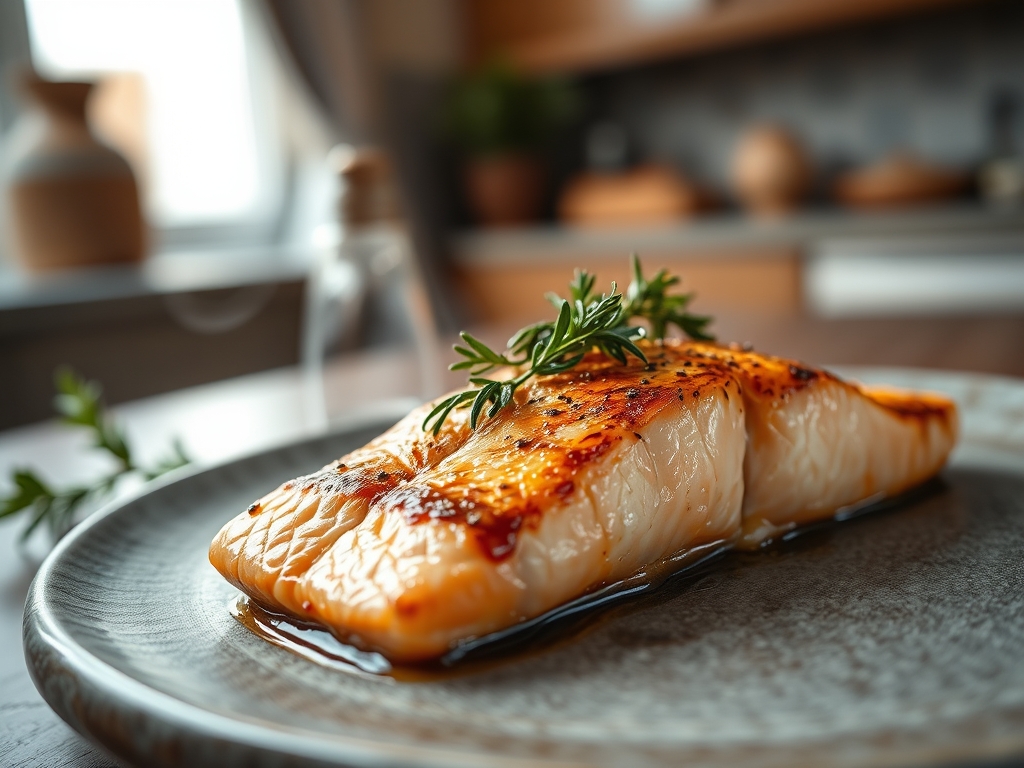
Imagine the sound of cold, pink flesh meeting a blistering heavy bottomed skillet. That sharp hiss is the sound of chemistry in action; it is the Maillard reaction beginning to transform amino acids into a savory crust. If you are hunting for delicious salmon recipes healthy enough for your daily rotation, you have officially found the holy grail of maritime nutrition.
Salmon is the undisputed crown jewel of the kitchen because it is both a canvas for high end technique and a powerhouse of omega 3 fatty acids. We are not just making dinner here; we are mastering the art of the perfect sear while keeping our bodies fueled with clean, high quality protein. Whether you are a seasoned home cook or someone who just bought their first high quality fish spatula, these secrets will change your relationship with seafood forever. We are going to dive deep into the molecular mechanics of heat, fat, and acid to ensure every bite is buttery, flaky, and intensely flavorful. Grab your apron; your kitchen is about to become a five star bistro.
The Gathers:
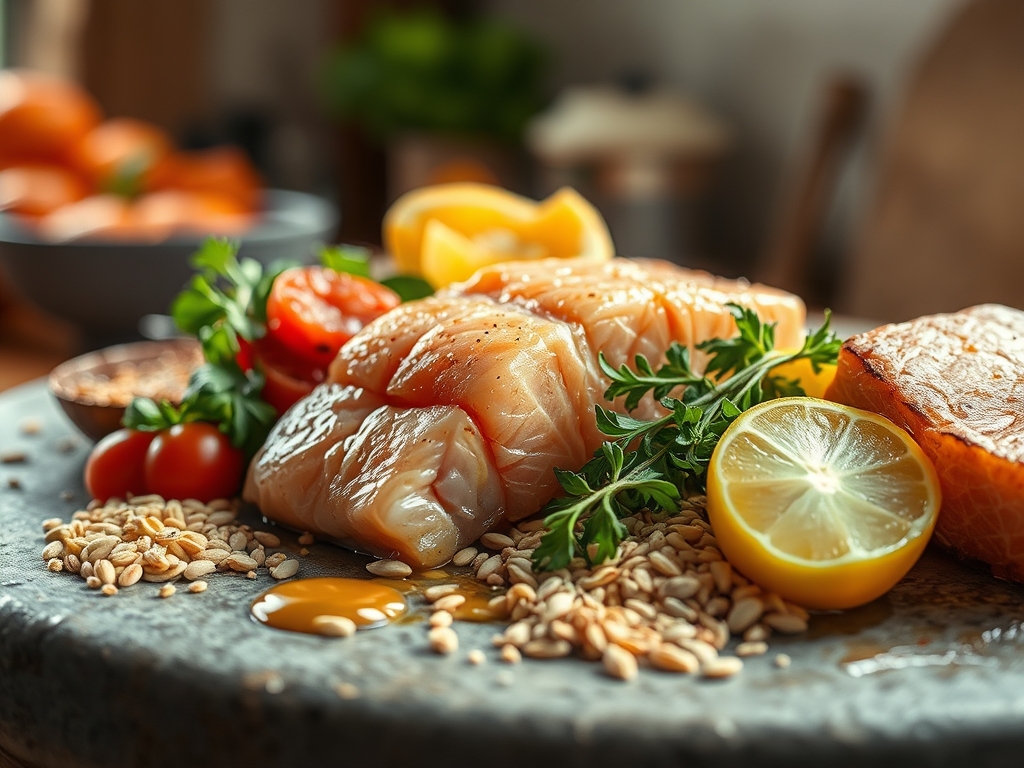
Setting up your mise en place is the difference between a chaotic kitchen and a professional flow. For these delicious salmon recipes healthy and vibrant, start with center cut Atlantic or Sockeye fillets. Use a digital scale to ensure each portion is exactly six ounces; this ensures uniform cooking times across the board. You will need a high smoke point fat, such as avocado oil or clarified butter, to facilitate heat transfer without the oil breaking down into acrid compounds.
Your aromatics should be prepped with precision. Use a microplane to zest a fresh lemon, capturing the volatile oils without the bitter white pith. Finely mince garlic and shallots using a sharp chef knife to ensure they melt into your pan sauce rather than burning. For smart substitutions, swap heavy cream for full fat coconut milk to maintain a viscous mouthfeel while keeping the dish dairy free. If you are watching sodium, use a piquant white balsamic glaze or a splash of yuzu juice to provide the acidic "lift" that salt usually provides.
The Clock
Efficiency in the kitchen is about understanding the Chef's Flow. Prep work takes approximately fifteen minutes; this includes patting the fish bone dry with paper towels to remove surface moisture. Cooking occurs in a tight window of eight to ten minutes. You must account for thermal carryover, where the internal temperature of the fish continues to rise by five degrees after being removed from the heat source.
The total commitment is under thirty minutes, but the mental timeline is key. You should be tempering your salmon at room temperature for ten minutes before it touches the pan. Cold fish in a hot pan causes the muscle fibers to contract violently, pushing out moisture and resulting in a dry, "tight" texture. By syncing your sides (like a quick quinoa or steamed broccolini) to finish exactly when the salmon begins its resting phase, you ensure a hot, cohesive meal.
The Masterclass
1. The Surface Preparation
Before the heat even enters the equation, you must achieve a state of total desiccation on the skin side. Use a bench scraper to gently press any excess moisture out of the skin, then pat it again. Seasoning should happen seconds before the fish hits the pan; salt is a humectant and will draw moisture to the surface if left too long.
Pro Tip: This prevents the "steaming" effect. When moisture turns to steam, it creates a barrier between the fish and the oil, preventing the Maillard reaction and leaving you with soggy, grey skin.
2. The Initial Sear
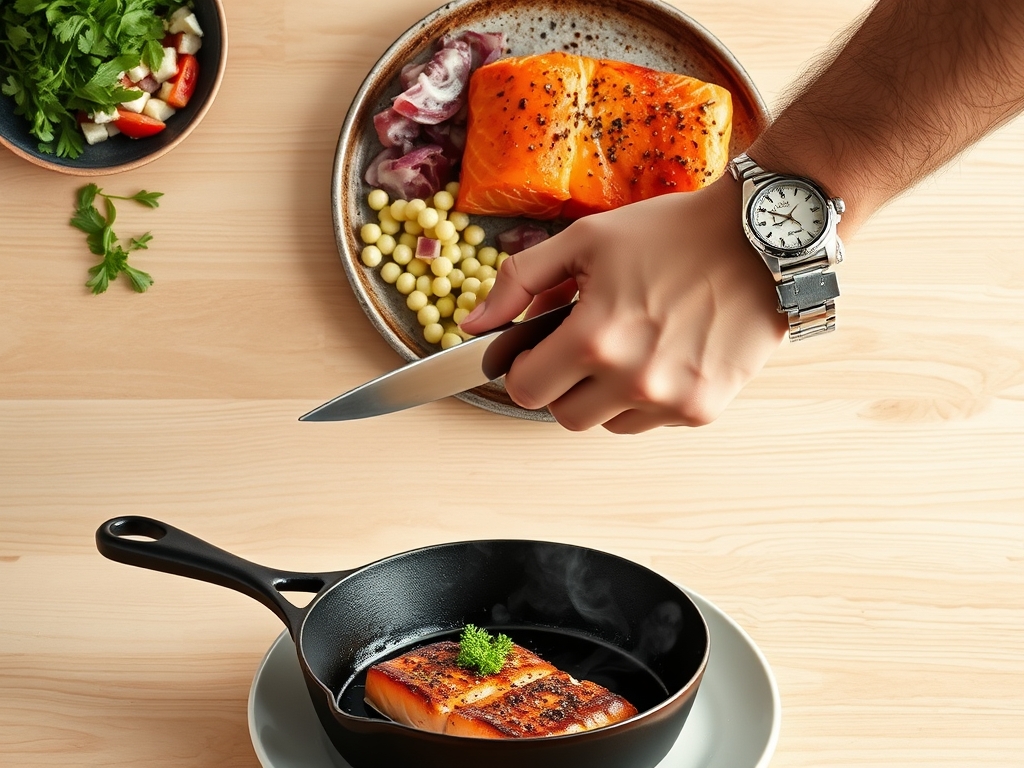
Place your heavy-bottomed skillet over medium high heat until the oil shimmers but does not smoke. Lay the salmon away from you to avoid oil splatter. Use your tongs or a fish spatula to press down firmly for thirty seconds. This prevents the natural tendency of the skin to curl as the proteins denature.
Pro Tip: Pressing the fish ensures maximum surface contact. This facilitates even heat distribution and creates a uniform, glass like crust through conduction.
3. The Render and Crisping
Reduce the heat slightly to medium. Allow the salmon to cook 80 percent of the way on the skin side. You will see the opaque color creep up the sides of the fillet. This protects the delicate flesh from direct, aggressive heat while the fat under the skin begins to render, essentially frying the skin in its own oil.
Pro Tip: This technique utilizes the skin as a heat shield. It prevents the delicate proteins in the flesh from tightening and squeezing out albumin, that white substance that often leaks out of overcooked salmon.
4. The Aromatic Baste
Flip the fish gently. Toss in a knob of butter (or ghee), smashed garlic, and thyme. Use a saucier spoon to continuously bathe the salmon in the hot, bubbling fat. This process, known as arroser, adds deep flavor and finishes the top of the fish with a gentle, indirect heat.
Pro Tip: Basting creates a convective heat environment. The hot fat fills the crevices of the fish, ensuring the center reaches the perfect medium rare temperature without drying out the exterior.
5. The Deglaze and Emulsification
Remove the fish to a warm plate. Immediately add a splash of dry white wine or vegetable stock to the pan. Use your spatula to scrape up the fond, those delicious caramelized bits stuck to the bottom. Whisk in a teaspoon of Dijon mustard to help emulsify the remaining fats into a silky, piquant sauce.
Pro Tip: Deglazing captures the concentrated flavor compounds created during searing. The mustard acts as a stabilizer, linking the water based stock and the oil based fats into a smooth sauce.
6. The Rest and Finish
Let the salmon rest for three full minutes. This allows the internal juices to redistribute. If you cut into it immediately, the moisture will leak out, leaving the fibers dry. Finish with a shower of fresh herbs and that lemon zest you prepped earlier to infuse the dish with brightness.
Pro Tip: Resting allows the protein structure to relax. This ensures that when you flake the fish with a fork, it retains its viscous, buttery texture rather than feeling stringy or tough.
The Deep Dive
From a macro nutrition perspective, a six ounce portion of salmon provides roughly 34 grams of protein and 20 grams of healthy fats. It is a powerhouse of Vitamin B12 and Selenium. For those following a Keto lifestyle, this dish is a perfect 1:1 ratio of protein to fat. If you are Vegan, you can apply these same searing techniques to a thick "steak" of marinated cauliflower or firm tofu, though the protein chemistry will differ.
The Fix-It: Troubleshooting Common Failures
- The Skin Sticks: This usually means the pan wasn't hot enough or you tried to flip it too early. The fish will naturally "release" from the pan once the crust has formed.
- White Gunk (Albumin) Appears: This is a sign of high heat shock. Lower your temperature and cook the fish more slowly on the skin side to keep the proteins relaxed.
- Soggy Skin: You likely crowded the pan. Cook in batches to ensure the steam can escape, or the moisture will "stew" the skin instead of crisping it.
Meal Prep and Reheating
To maintain "day-one" quality, never microwave salmon. The high frequency waves agitate water molecules too aggressively, "popping" the delicate cell walls. Instead, reheat in a toaster oven at 275 degrees with a splash of water and a cover of foil to create a gentle steam chamber. This preserves the moisture and prevents the fish from smelling "fishy," which is actually the result of fats oxidizing under high heat.
The Wrap-Up
Mastering delicious salmon recipes healthy enough for a Tuesday but fancy enough for a Saturday is a true kitchen superpower. By focusing on the science of the sear and the importance of the rest, you move from being a recipe follower to a culinary artist. Remember; the best tools in your kitchen are your senses. Listen for the sizzle, watch for the color change, and always trust the resting process. You have the techniques; now go make something incredible.
The Kitchen Table
How do I know when the salmon is perfectly done?
The most reliable method is using a digital thermometer to reach an internal temperature of 125 degrees Fahrenheit for medium rare. Alternatively, the fish should flake easily with a fork and appear translucent in the very center.
Why does my salmon always smell so fishy?
Fresh salmon should smell like the ocean, not "fishy." Strong odors are caused by the breakdown of TMAO into TMA as the fish ages. Always buy high quality, sushi grade fillets and cook them within twenty four hours.
Can I cook salmon directly from the freezer?
It is not recommended. Cooking frozen salmon results in uneven textures where the outside overcooks before the center thaws. For the best results, thaw your fillets overnight in the refrigerator to maintain the integrity of the muscle fibers.
Is it necessary to leave the skin on?
Keeping the skin on acts as a protective barrier against the heat of the pan. Even if you do not intend to eat it, the skin helps the salmon retain moisture and prevents the delicate flesh from breaking apart during flipping.