
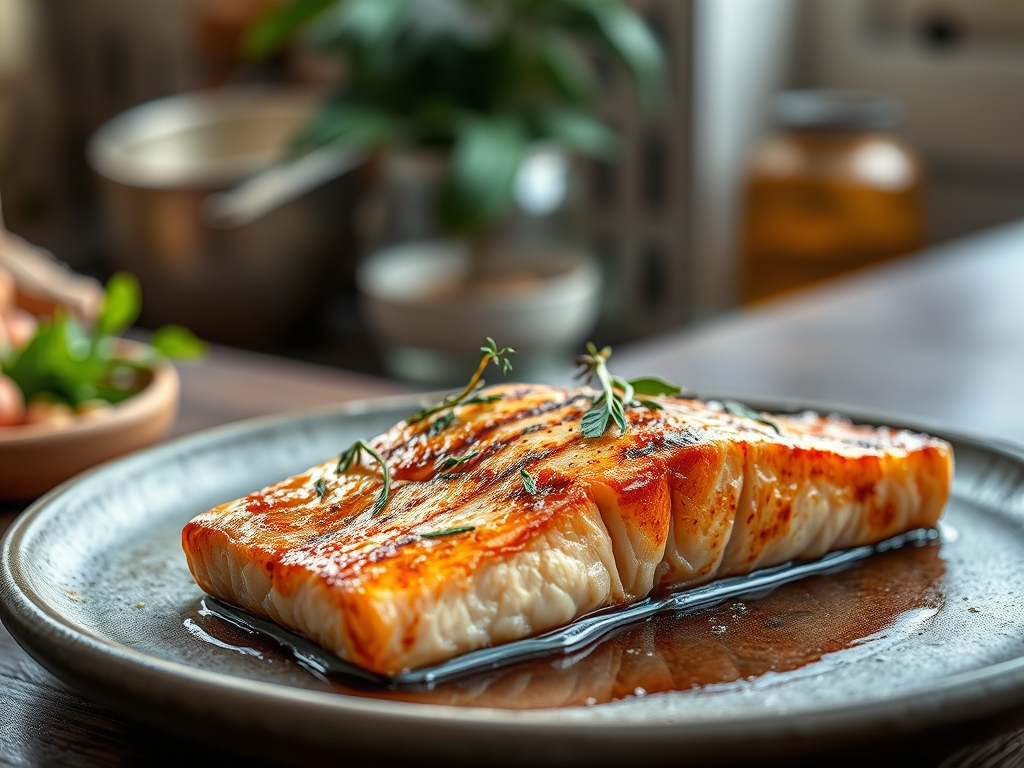
Picture the sound of a high-decibel sizzle meeting a cold, marbled fillet. It is the definitive anthem of a kitchen that knows exactly what it is doing. We are not just cooking dinner; we are orchestrating a thermal event that transforms raw protein into a buttery, translucent masterpiece. When you master pan grilled salmon recipes, you are essentially playing with the laws of thermodynamics to achieve that elusive, glass-shattering skin and a center that yields like silk. It is the ultimate flex for the home cook who wants restaurant-grade results without the white tablecloth pretense.
The secret to a perfect sear is not just heat; it is the calculated removal of moisture. We are aiming for a specific chemical reaction where amino acids and reducing sugars dance under the flame to create a savory crust. If you have ever struggled with a fillet sticking to the pan or turning into a dry, chalky mess, take a breath. We are going to deconstruct the physics of the skillet. From the way heat moves through the subcutaneous fat to the precise second you should kill the flame, this is your definitive guide to becoming the undisputed queen of the stovetop.
The Gathers:
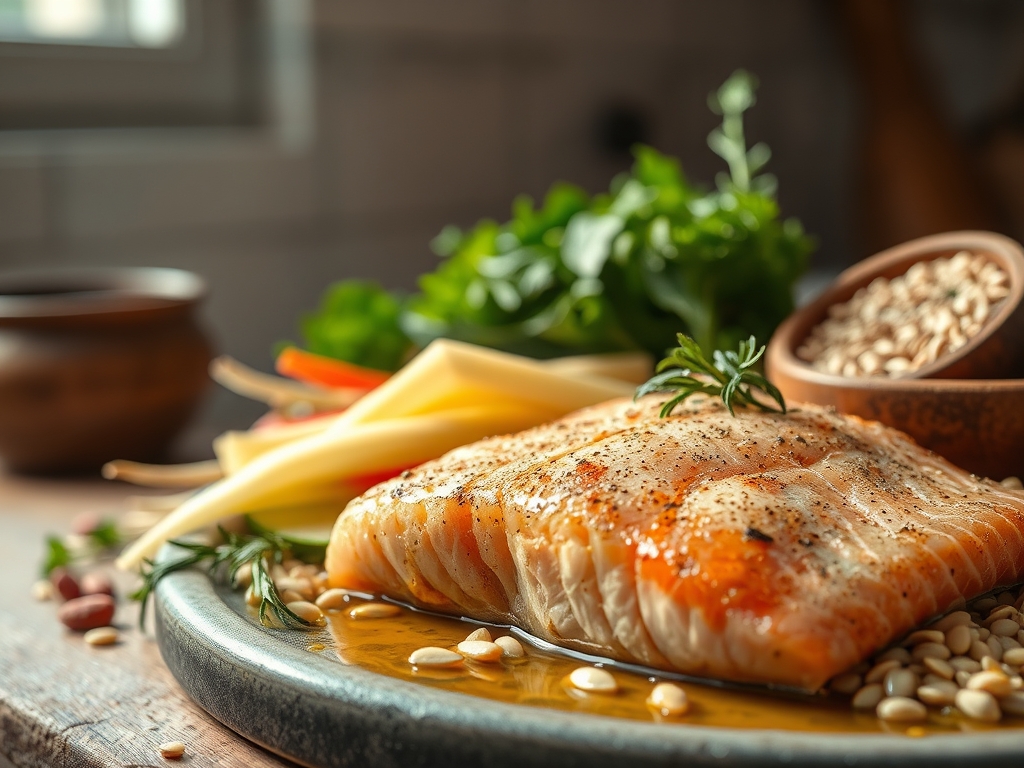
To execute these pan grilled salmon recipes with surgical precision, your mise-en-place must be impeccable. We start with the protagonist: center-cut Atlantic or King salmon fillets, ideally 6 to 8 ounces each. You want a thickness of at least one inch to ensure the interior remains succulent while the exterior undergoes Maillard browning. Use a digital scale to ensure even portioning, which guarantees a synchronized cooking time across the board.
Your secondary players include a high-smoke-point lipid like avocado oil or clarified butter. Avoid extra virgin olive oil here; its low smoke point will break down and turn acrid before the salmon reaches its peak. You will also need kosher salt for its jagged crystal structure that clings to the flesh, and freshly cracked black pepper. For the finishing glaze, gather a viscous honey, a piquant Dijon mustard, and fresh lemon zest processed via microplane to release the essential oils without the bitter pith.
Smart Substitutions: If you are avoiding honey, a splash of maple syrup offers a similar sugar density for caramelization. For a dairy-free richness, swap the finishing butter for a cold-pressed coconut oil, which adds a subtle tropical note that complements the fatty acids of the fish perfectly.
The Clock
Efficiency in the kitchen is about "Chef's Flow," the art of overlapping tasks so no heat is wasted. Your total active time is a crisp 10 minutes, with a total turnaround of 20 minutes from fridge to table.
- The Temper (10 minutes): Remove the fish from the refrigerator. Cold protein hitting a hot pan causes fibers to contract violently, pushing out moisture. Letting it sit allows the internal temperature to rise slightly.
- The Sear (4 to 5 minutes): This is the high-intensity phase where the skin side renders and crisps.
- The Flip and Finish (2 to 3 minutes): A gentle kiss of heat on the flesh side to reach an internal temperature of 125 degrees Fahrenheit.
- The Rest (2 minutes): Vital for moisture redistribution.
The Masterclass
1. The Desiccation Ritual
Use a lint-free paper towel to pat the fillets until they are bone-dry. Moisture is the enemy of the sear; any surface water will turn to steam, boiling the fish instead of grilling it.
Pro Tip: This prevents the "Leidenfrost effect" where a layer of steam traps the fish, preventing direct contact with the pan and ruining your crust.
2. The Heavy-Bottomed Foundation
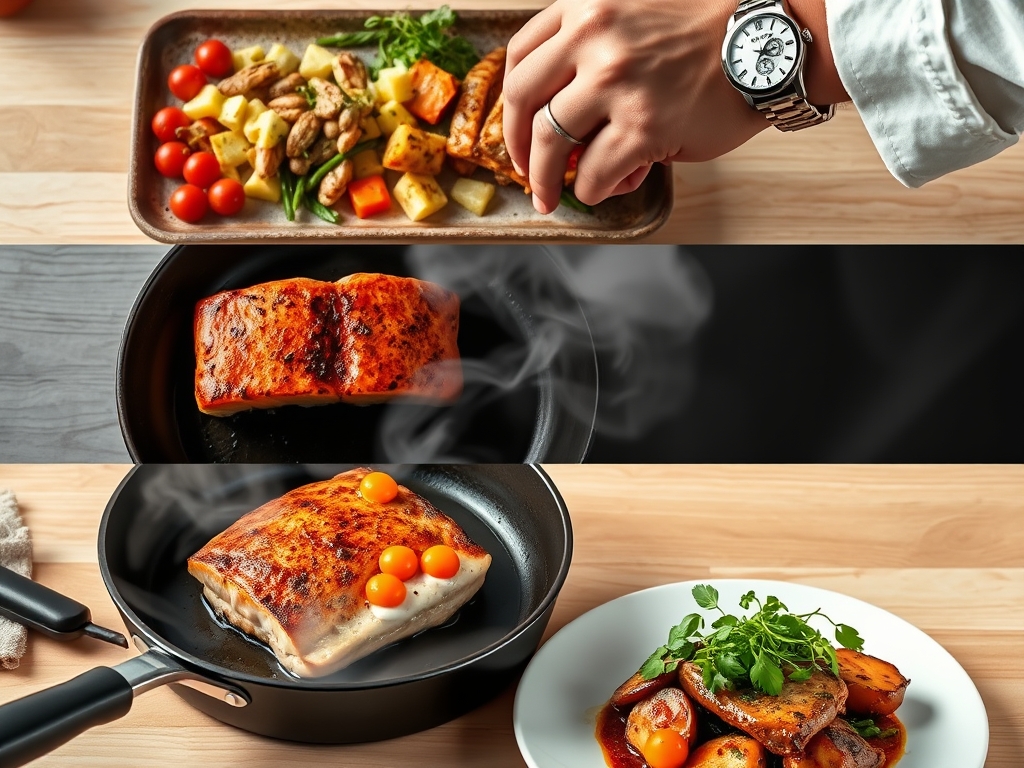
Place a heavy-bottomed skillet or cast iron pan over medium-high heat. You need a vessel with high thermal mass that won't drop in temperature the moment the cold fish arrives.
Pro Tip: A heavy pan ensures thermal equilibrium, meaning the heat is distributed evenly across the entire surface to prevent hot spots.
3. The Oil Shimmer
Add your oil and wait until it begins to shimmer and move with a water-like fluidity. It should almost reach its smoke point before the fish is introduced.
Pro Tip: Hot oil fills the microscopic divots in the metal surface, creating a temporary non-stick barrier through polymerization.
4. The Skin-Side Commitment
Lay the fillet away from you to avoid oil splatter. Press down firmly with a fish spatula for the first 30 seconds.
Pro Tip: Salmon skin tends to curl when it hits heat; manual pressure ensures the entire surface area stays in contact with the pan for a uniform render.
5. The Maillard Monitoring
Watch the side of the fillet. You will see the color change from translucent pink to opaque beige creeping up the sides. Once it reaches 75% of the way up, it is time to flip.
Pro Tip: This visual cue indicates that the heat has successfully traveled through the collagen layers of the skin.
6. The Gentle Flip
Use tongs and a spatula to carefully invert the fish. It should release effortlessly. If it sticks, it is not ready; the proteins have not finished "setting."
Pro Tip: This is known as "self-releasing," a sign that the exterior proteins have fully dehydrated and browned.
7. The Butter Baste
Drop a knob of butter, smashed garlic, and thyme into the pan. Use a saucier spoon to continuously drench the fish in the foaming fat.
Pro Tip: This infuses the fish with aromatics while the fat acts as a final heat conductor to finish the center.
8. The Carryover Calculation
Remove the salmon when the internal temperature hits 125 degrees Fahrenheit on a digital thermometer.
Pro Tip: Thermal carryover will continue to cook the fish after it leaves the pan, bringing it to a perfect 130-135 degrees during the rest.
9. The Deglaze
While the fish rests, splash a bit of white wine or lemon juice into the hot pan to scrape up the browned bits (the fond).
Pro Tip: This process uses acidic hydrolysis to lift flavor-packed proteins from the pan to create a pan sauce.
10. The Final Aeration
Whisk a cold cube of butter into your pan sauce until it is glossy and thick.
Pro Tip: Emulsifying cold fat into a hot liquid creates a viscous sauce that coats the fish without breaking into a greasy mess.
The Deep Dive
Macro Nutrition: A standard 6-ounce fillet provides roughly 34g of high-quality protein and 22g of heart-healthy fats, specifically Omega-3 fatty acids (EPA and DHA). It is a nutrient-dense powerhouse with zero carbohydrates.
Dietary Swaps:
- Keto: Stick to the recipe as is; the fats are your friend.
- Vegan: Try this technique with "Tofu Steaks" wrapped in a sheet of Nori to mimic the skin.
- GF: This recipe is naturally gluten-free; just ensure your Dijon mustard is certified.
The Fix-It:
- White Gunk (Albumin): If you see white streaks, the heat was too high. It is just coagulated protein; it is safe to eat but indicates the fibers contracted too fast.
- Soggy Skin: Your pan wasn't hot enough or you didn't dry the fish. Fix it by finishing the skin side under a broiler for 60 seconds.
- Sticking: You tried to flip too early. Wait for the protein to naturally release from the metal.
Meal Prep Science: To reheat, avoid the microwave at all costs. It vibrates water molecules, turning the fats rancid and the texture rubbery. Instead, use a low oven (275F) with a splash of water covered in foil to gently re-hydrate the proteins.
The Wrap-Up
Mastering pan grilled salmon recipes is about more than just following a list of steps; it is about understanding the conversation between the flame and the fillet. When you hear that sizzle, you are hearing the sound of moisture leaving and flavor entering. It is a quick, high-octane way to bring professional-level nutrition and taste into your daily routine. So, grab your heaviest skillet, dry that skin like your life depends on it, and prepare to serve the best salmon of your life.
The Kitchen Table
How do I stop salmon from sticking to the pan?
Ensure the pan and oil are shimmering hot before adding the fish. Use a paper towel to remove every trace of surface moisture from the skin. Finally, do not attempt to flip the fillet until it naturally releases from the surface.
What is the best oil for pan grilling salmon?
Use oils with high smoke points like avocado, grapeseed, or canola oil. These fats can withstand the 400-degree temperatures required for a crisp sear without breaking down, smoking, or creating bitter off-flavors that ruin the delicate fish.
How can I tell if salmon is done without a thermometer?
Gently press the top of the fillet with a fork or your finger. The layers of flesh (lamellae) should begin to flake or separate easily. The center should still look slightly translucent and feel firm but not hard.
Should I cook salmon with the skin on or off?
Always cook with the skin on. The skin acts as a protective thermal barrier, preventing the delicate flesh from overcooking. It also contains a high concentration of healthy fats that render out to flavor the fish during the sear.