
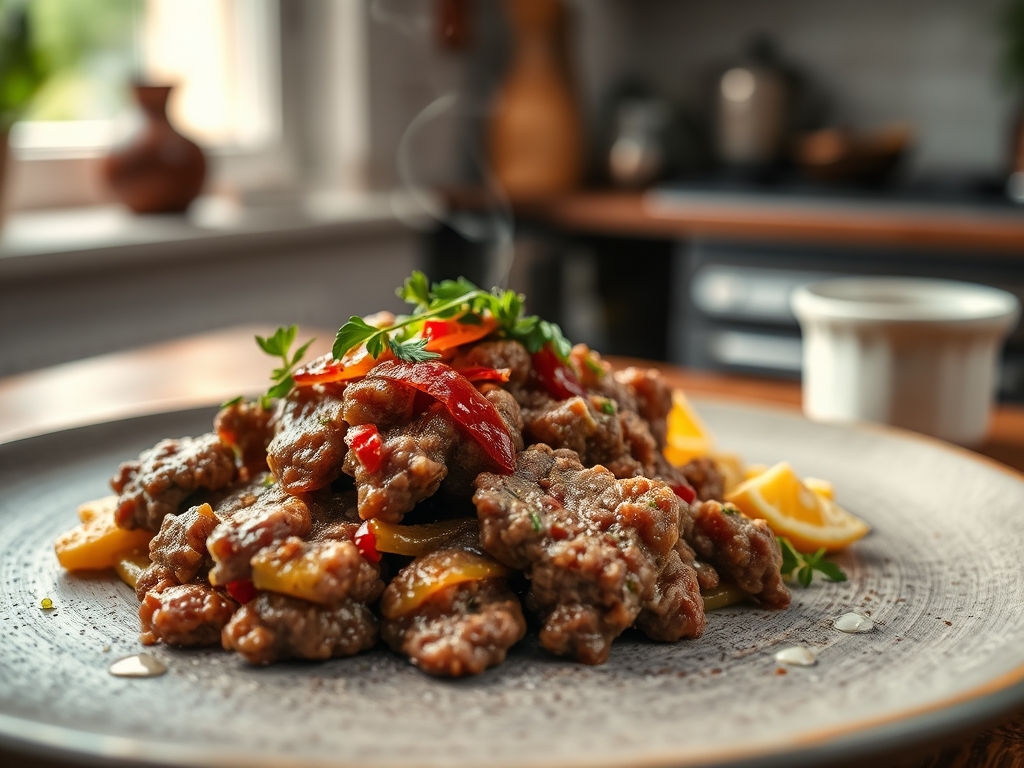
Picture the sound of a heavy-bottomed cast iron skillet meeting a high-heat flame; that sharp, rhythmic sizzle is the overture to your weeknight victory. We are moving beyond the era of greasy, uninspired patties and into a sophisticated landscape of healthy lean ground beef recipes that prioritize both metabolic health and culinary finesse. There is a specific, primal joy in transforming a humble pound of 93/7 protein into a meal that feels like a five-star indulgence. Whether you are craving the piquant snap of a Korean Bulgogi bowl or the comforting, viscous embrace of a Mediterranean stuffed pepper, the secret lies in the chemistry of the sear. We are going to treat this ingredient with the respect it deserves by utilizing professional techniques to maximize moisture retention without the excess saturated fat. By the time we are finished, you will have ten distinct flavor profiles in your arsenal, each designed to nourish your body while satisfying that deep, savory craving only high-quality beef can provide.
The Gathers:
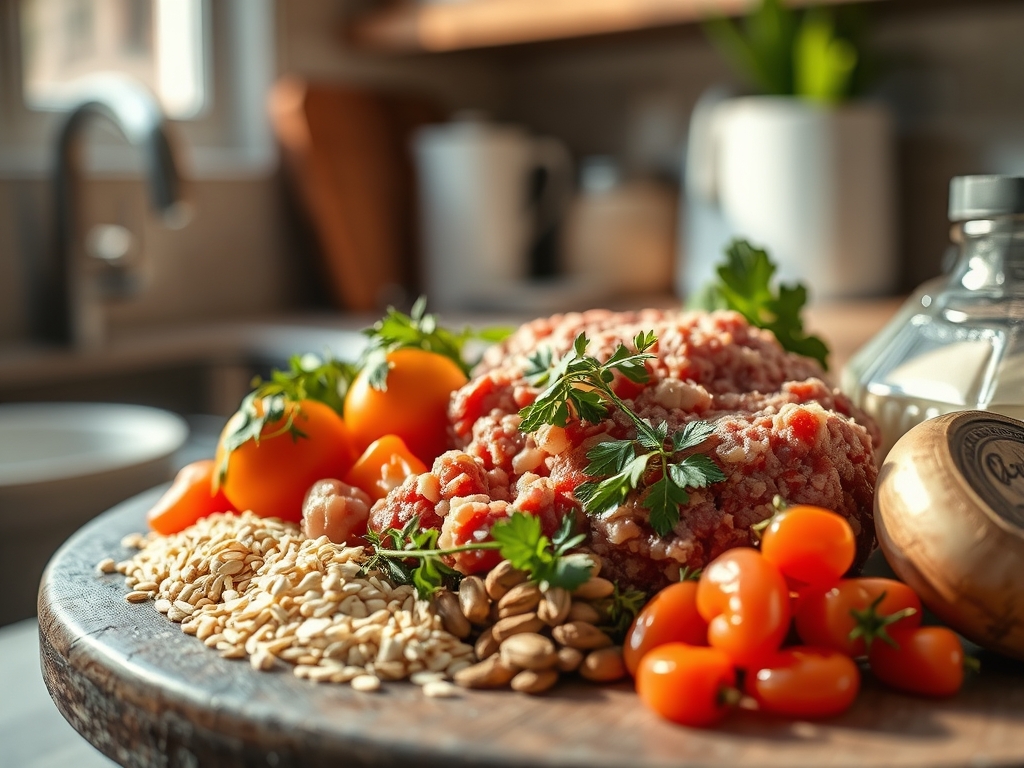
To master healthy lean ground beef recipes, your mise-en-place must be a study in contrast and chemistry. Start with your protein: look for grass-fed options which typically boast a higher ratio of Omega-3 fatty acids. You will need a digital scale to ensure portion precision; aim for four-ounce servings to balance your macros perfectly. Beside your beef, assemble a vibrant array of aromatics. We are talking about sulfur-rich alliums like shallots and garlic, which provide the foundational base notes for every dish.
Do not forget your structural enhancers. When working with lean meat, you lack the lubricating power of fat, so we introduce moisture through cellular-rich vegetables. Finely diced mushrooms or grated zucchini add bulk and hydration without diluting the beefy profile. For "Smart Substitutions," swap traditional breadcrumbs for almond flour or blitzed oats to keep the glycemic index low. Use a microplane to zest fresh citrus or grate ginger directly into your prep bowls; these volatile oils provide a piquant brightness that cuts through the richness of the meat. Finally, keep a bottle of high-quality coconut aminos or low-sodium tamari nearby to provide that essential umami depth without the sodium bloat associated with standard soy sauces.
The Clock
Efficiency in the kitchen is about mastering the "Chef's Flow," which is the art of overlapping tasks to minimize downtime. For these healthy lean ground beef recipes, you are looking at a universal prep time of 15 minutes and a cook time of approximately 12 to 20 minutes. The total investment is under 40 minutes, but the sequence is vital.
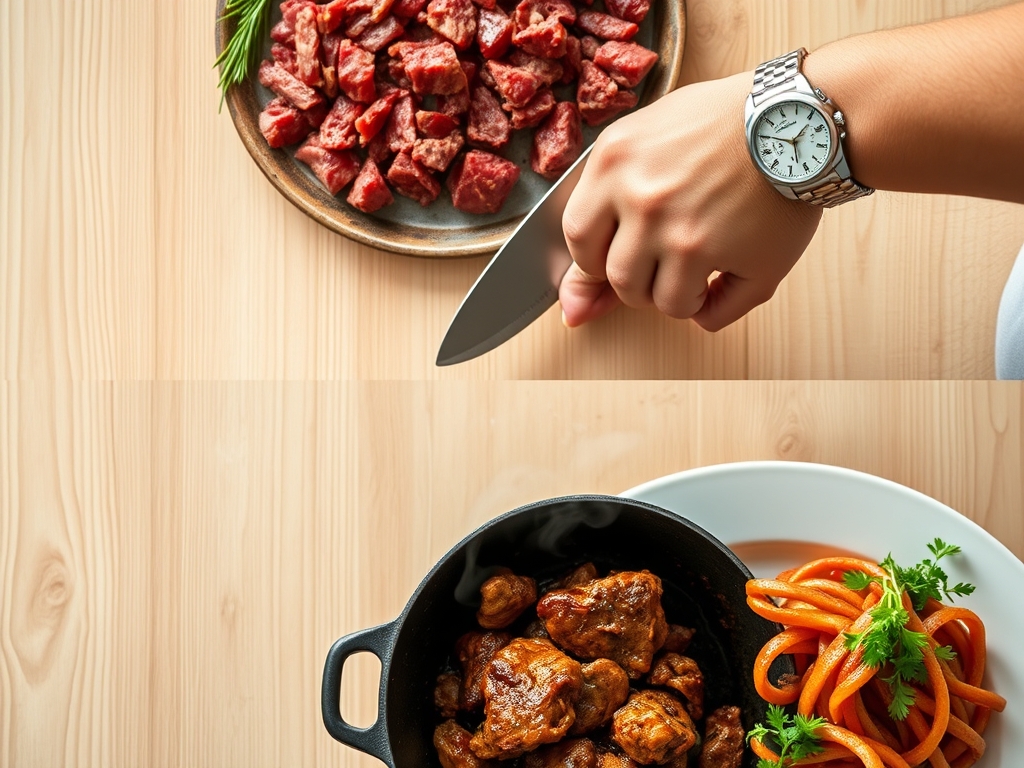
Start by tempering your meat; take the beef out of the refrigerator 15 minutes before cooking to prevent thermal shock. While the protein loses its chill, use a sharp chef's knife or a mandoline to prep your vegetables. If you are making a stir-fry or a ragu, your pan should be preheating while you chop. The "Flow" dictates that by the time your last garlic clove is minced, your skillet should be emitting a faint wisp of blue smoke. This synchronization ensures that the meat hits the heat at the peak of its enzymatic readiness, leading to a faster sear and a shorter overall duration at the stove.
The Masterclass
1. The Critical Tempering Phase
Before the beef ever touches the heat, it must reach a more uniform temperature. Remove the packaging and pat the surface dry with paper towels to remove excess moisture.
Pro Tip: This stage facilitates the Maillard reaction. If the surface of the meat is wet, the energy of the pan goes toward evaporating water rather than browning the proteins, resulting in gray, steamed meat instead of a flavorful crust.
2. The High-Heat Sear
Place your heavy-bottomed skillet over medium-high heat. Add a high-smoke-point oil like avocado oil and wait for it to shimmer. Add the beef in a single, flat layer and resist the urge to stir it immediately.
Pro Tip: This is called thermal contact optimization. Leaving the meat undisturbed for three minutes allows for the development of complex flavor compounds that only form at temperatures above 285 degrees Fahrenheit.
3. The Deglaze and Infuse
Once the meat is browned, use a wooden spoon or a bench scraper to move the beef to the perimeter of the pan. Add your aromatics to the center, then splash in a liquid like beef bone broth or dry red wine.
Pro Tip: This process, known as deglazing, releases the "fond" (the caramelized bits stuck to the pan). These bits contain concentrated amino acids that create a deeply savory, viscous sauce naturally.
4. The Gentle Finish
Reduce the heat to medium-low and cover the pan if you are making a sauce-based dish. If you are making dry crumbles for tacos or salads, keep the lid off to allow any remaining liquid to evaporate.
Pro Tip: Watch for thermal carryover. Remove the beef from the heat when it is just a few degrees below your target temperature. The internal energy will continue to cook the meat for several minutes, preventing the dry, grainy texture common in overcooked lean beef.
The Deep Dive
When we look at the macro nutrition of healthy lean ground beef recipes, a standard 93% lean serving offers approximately 170 calories, 23 grams of protein, and only 8 grams of fat. This makes it a powerhouse for muscle synthesis and satiety. For those following a Keto protocol, you can increase the healthy fats by adding avocado or a drizzle of extra virgin olive oil post-cook. If you are Gluten-Free, ensure your thickeners are arrowroot powder or cornstarch rather than wheat flour. For a Vegan swap, lentil and walnut crumbles mimic the texture, though you will need to increase your seasoning to match the beef's natural umami.
"The Fix-It" section addresses common technical hurdles. If your beef is releasing too much water, you likely overcrowded the pan; cook in batches next time. If the meat is tough and chewy, you may have over-handled it during the prep phase, which develops the proteins too much; keep a light touch. If the flavor feels flat, it likely needs an acid like lemon juice or vinegar to brighten the heavy fats. For meal prep, the secret to "day-one" quality is reheating science. Never use a microwave on high power; instead, use the "low" setting or reheat in a skillet with a tablespoon of water to rehydrate the proteins via steam.
The Wrap-Up
Mastering healthy lean ground beef recipes is about more than just following a set of instructions; it is about understanding the molecular transformation happening in your skillet. By focusing on the sear, respecting the aromatics, and utilizing professional tools like a digital scale and a heavy-bottomed pan, you elevate a simple weeknight dinner into a culinary event. These ten recipes are your roadmap to a leaner, more flavorful lifestyle. Now, grab your tongs, fire up the range, and let the science of great cooking transform your kitchen.
The Kitchen Table
How do I keep lean ground beef from drying out?
Use the "pan-steaming" method by adding a splash of bone broth or water once the meat is browned. This creates a humid environment that prevents the lean proteins from tightening and expelling their natural juices during the final cooking stages.
Can I freeze these beef recipes for later?
Yes, but you must use airtight containers to prevent freezer burn. For the best texture, thaw the beef in the refrigerator overnight. This slow transition prevents the cell walls from rupturing, which preserves the structural integrity and moisture of the meat.
What is the healthiest fat percentage for ground beef?
Look for 93/7 or 95/5 lean-to-fat ratios. These provide the highest protein density while keeping saturated fats within heart-healthy limits. You can compensate for the lower fat content by adding moisture-rich vegetables like finely minced mushrooms or onions.
Why does my ground beef turn gray instead of brown?
Gray meat is a sign of "steaming" caused by excess moisture or a cold pan. Ensure the meat is patted dry and the skillet is preheated until shimmering. Do not overcrowd the pan, as this lowers the temperature too rapidly.